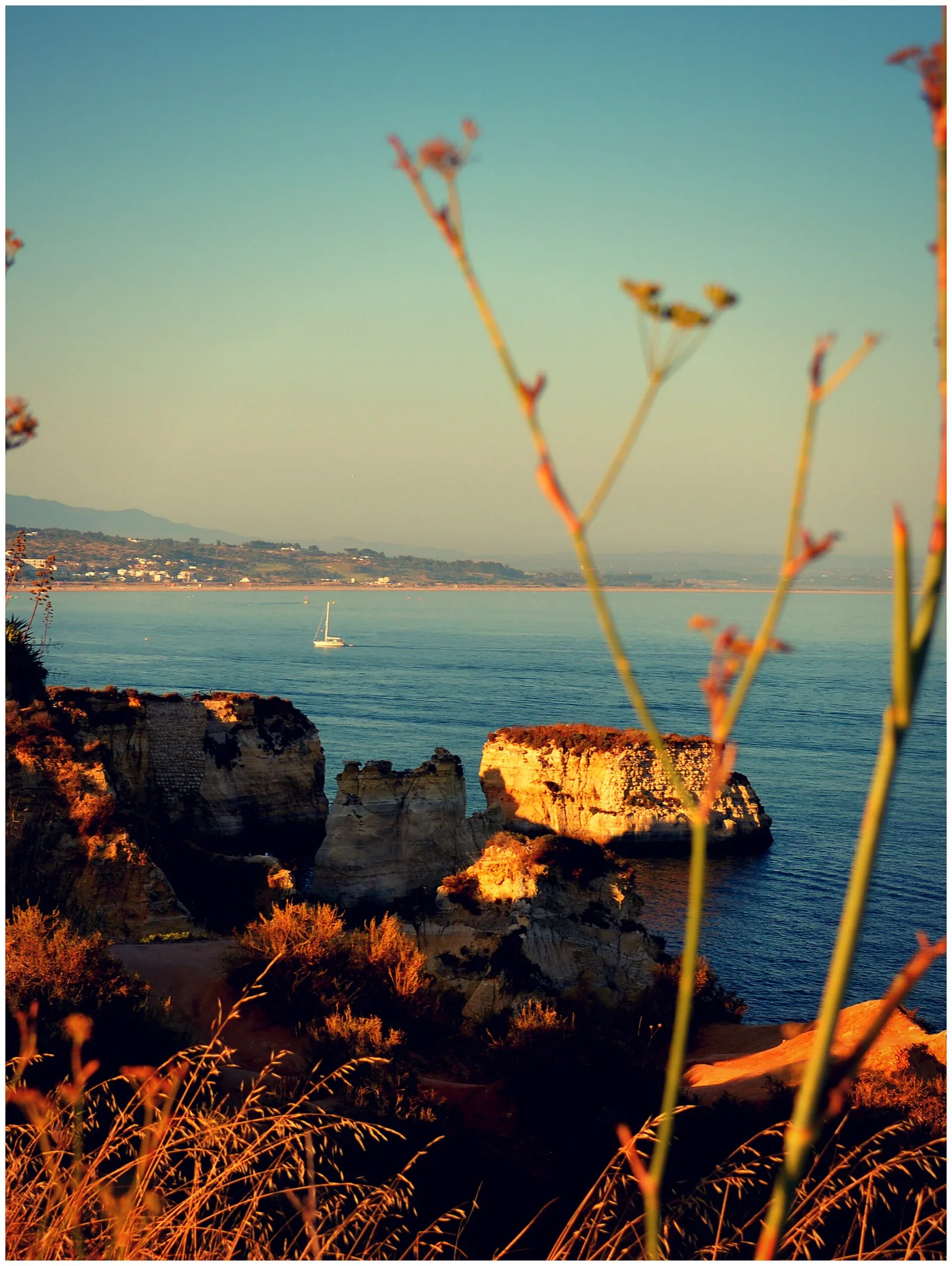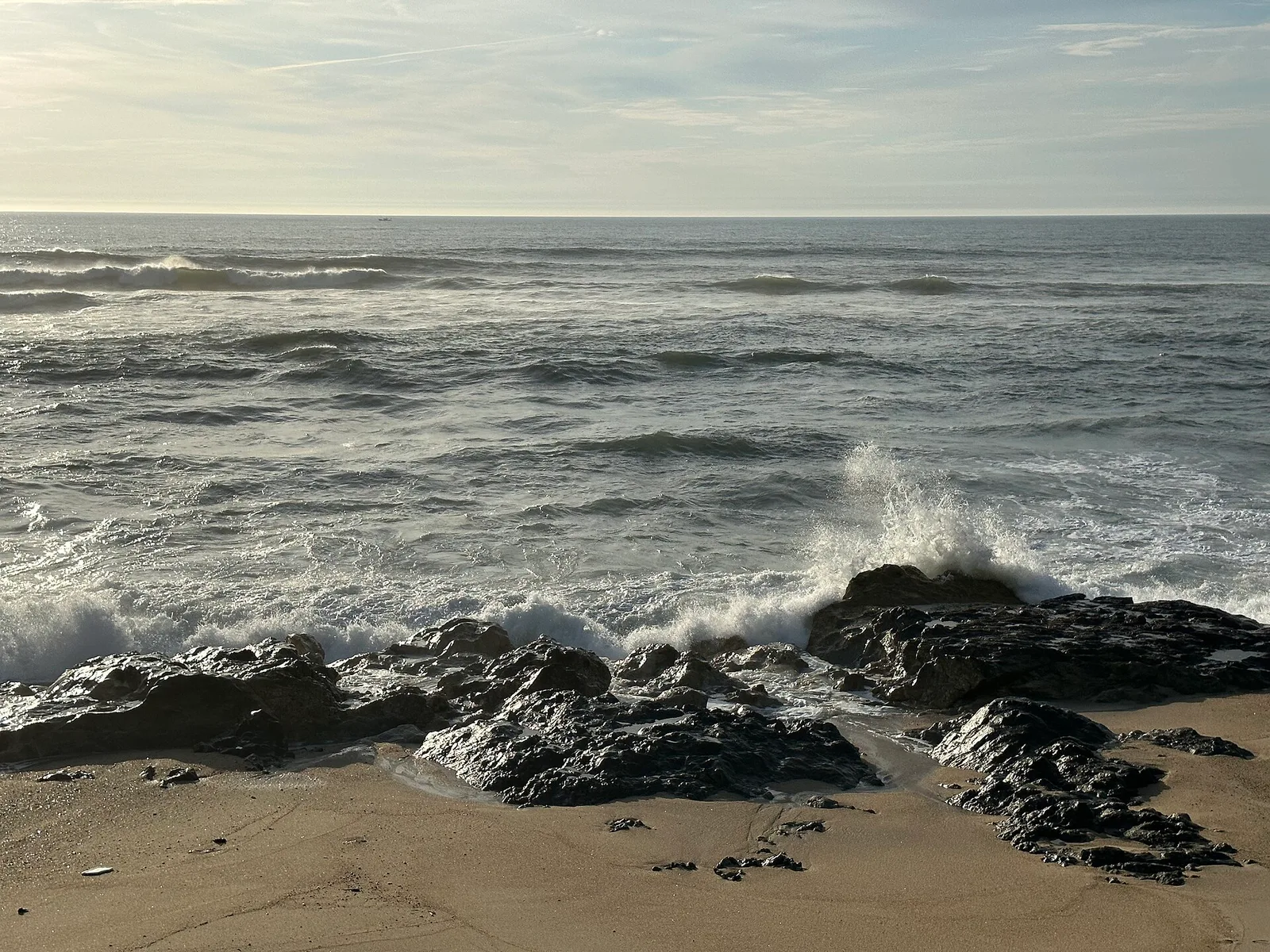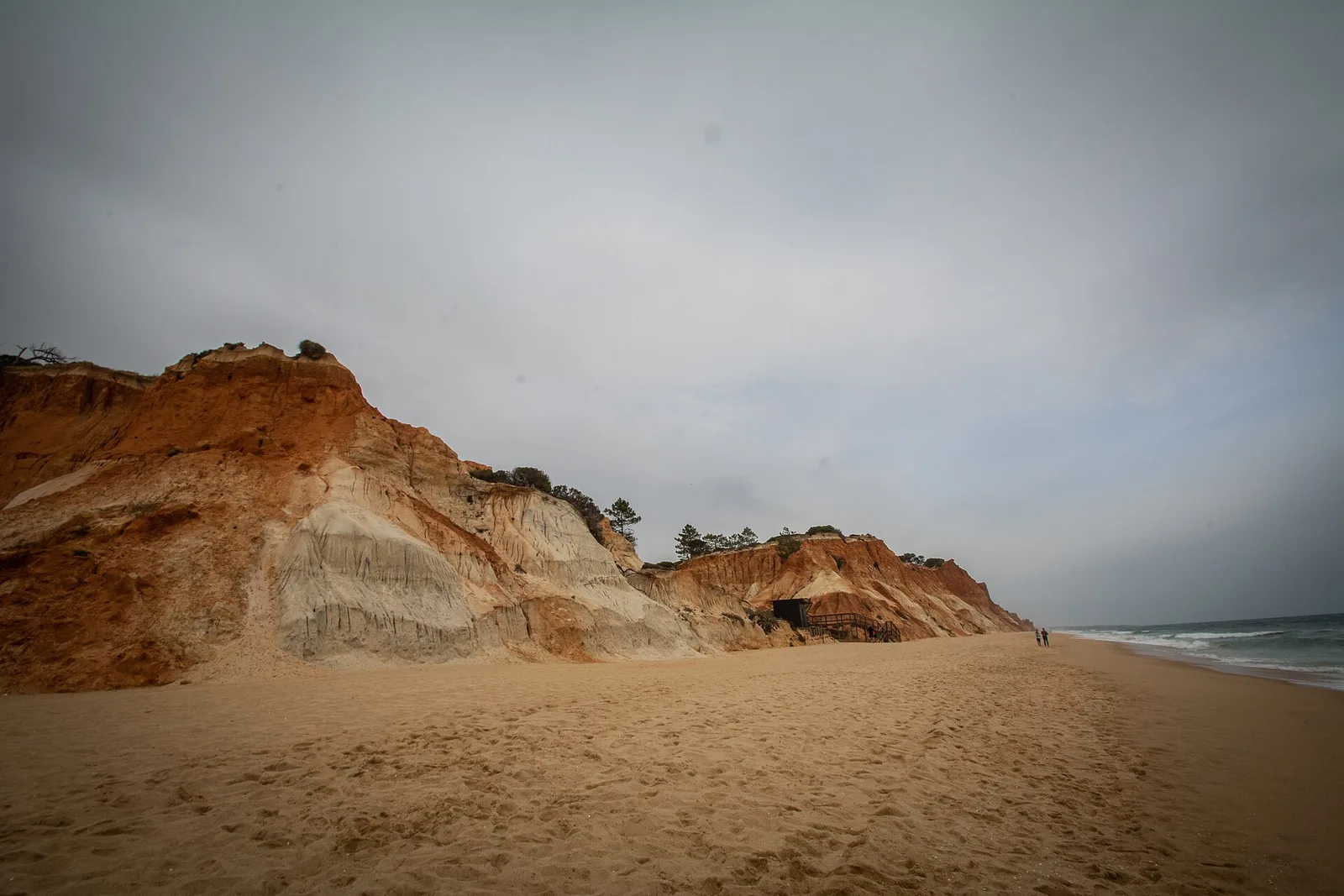
Most people who picture the Algarve are picturing August: packed coves, beach bars and a queue for the boat to Benagil. From November to March that picture disappears almost entirely, and a different coastline shows up in its place, one that is quieter, cheaper and built around walking and long lunches rather than swimming. It is not a substitute for the summer trip. It is a different trip, and it suits a different kind of traveller.
What the weather actually does
Algarve winters are mild by northern European standards but they are not warm. Days can be genuinely pleasant, bright and comfortable for a coat-off coffee in the sun, and then a front rolls through and brings a grey, blustery day that feels nothing like the brochure. Evenings are properly cold once the sun goes, colder than the daytime temperature suggests, and the wind off the Atlantic has real bite on an exposed beach or clifftop. Rain comes in spells rather than settling in for weeks, but when it arrives it can be heavy. For a fuller picture of how the Algarve’s winter compares with the rest of the year, our guide to the best time to visit Portugal sets it against the other seasons.
Pack for a mild, damp coastal winter rather than a Mediterranean one: layers, a proper waterproof, and something warmer than you think you will need for the evenings.
What closes for the season
This is the part that catches visitors out. The stretch of coast built purely for the summer trade, the beachfront strips around the busiest resort towns, empties out considerably once the season ends. A good number of restaurants, beach bars and smaller hotels close entirely for the winter, some for as little as a few weeks and others for the whole stretch from November to February, and owners frequently take the quiet months as their own holiday. Boat trips and cave tours run a reduced schedule at best, weather permitting, and some operators do not run at all outside the main season.
The practical upshot is that you cannot turn up to a resort strip in January expecting the same choice of places to eat and drink that you would find in July. Check that anywhere specific you are planning around is actually open that week, rather than assuming from a summer visit or an old review.
It is worth separating what closes from what simply does not exist to begin with. Ordinary daily life, supermarkets, pharmacies, bakeries and the small local cafes that locals rather than tourists use, continues exactly as normal. What thins out is the layer built specifically for summer visitors: the seasonal beach bars, the pop-up ice cream kiosks, the extra boat operators who only run June to September. A resort town in January still functions, it just has fewer optional extras layered on top.
What still works, and works well
Away from the purely seasonal strips, the Algarve keeps functioning through the winter, because plenty of it is a working Portuguese coastline rather than a resort. Tavira, Olhão and Loulé in the east have year-round populations, proper markets and restaurants that stay open because locals eat in them, not just tourists. Lagos’ old town keeps a reasonable amount going too, even if the beach bars along the coves shut down. Silves, inland with its red sandstone castle, is unaffected by the season at all.
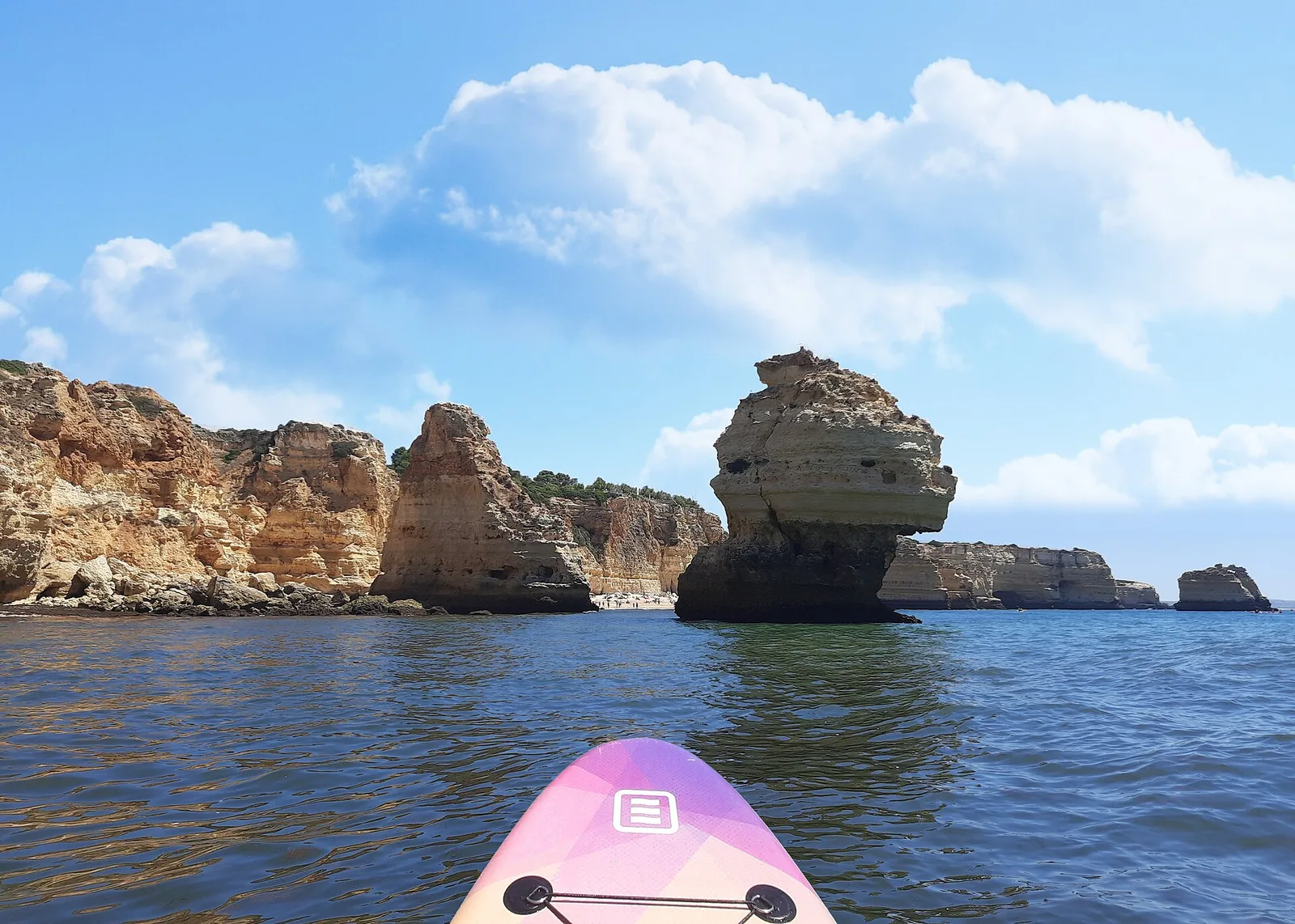
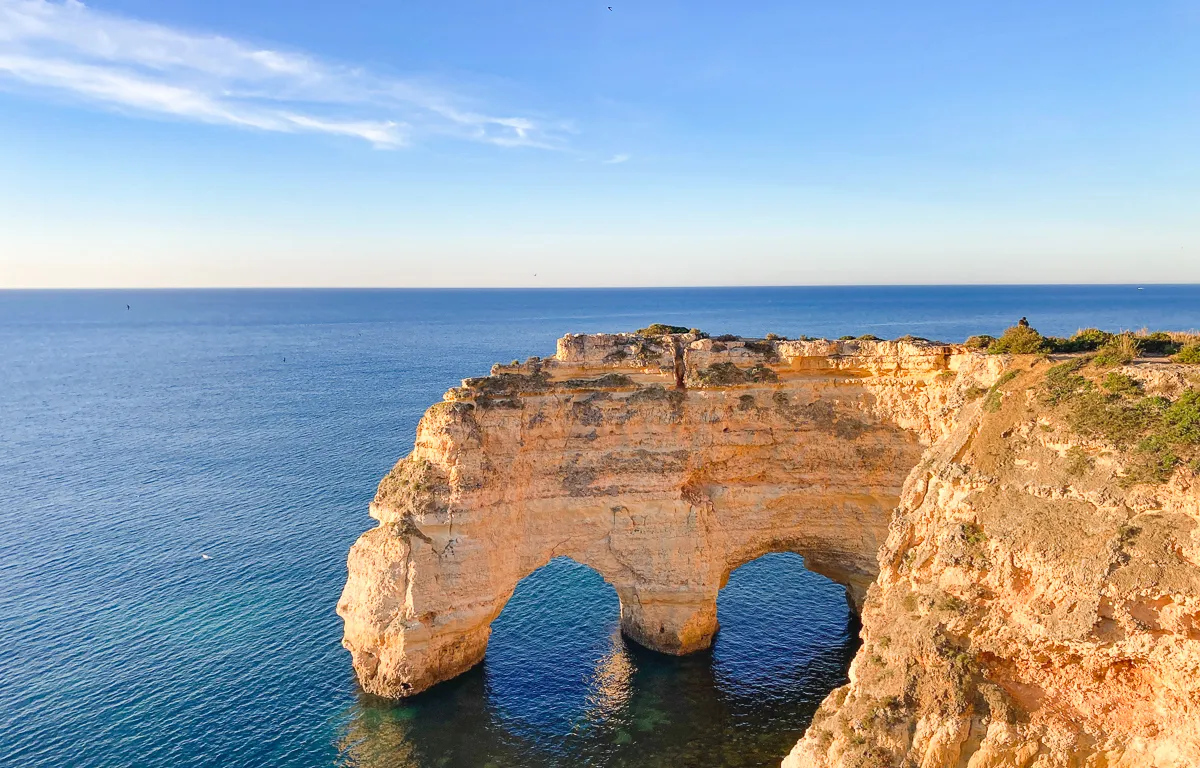
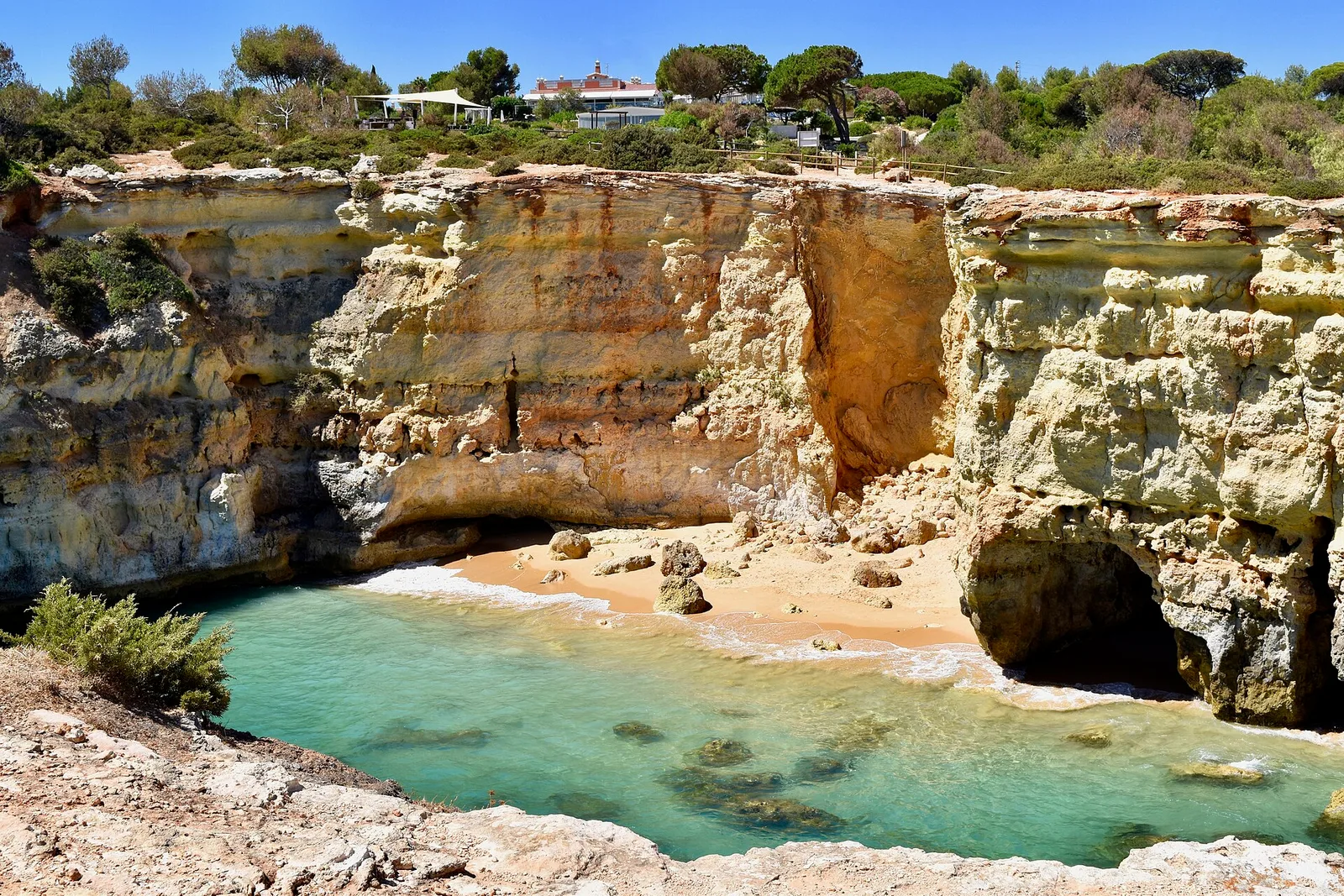
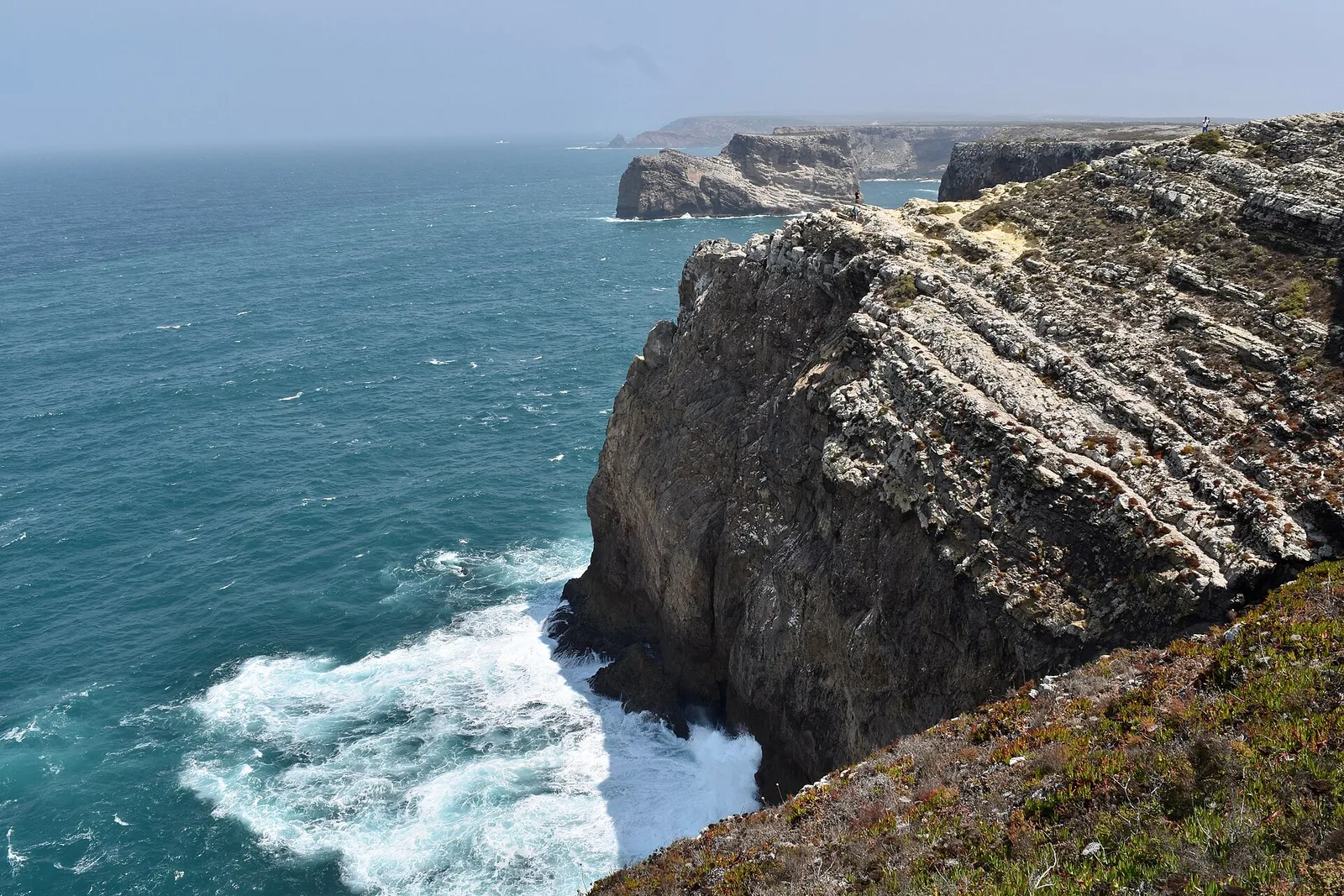
Golf is a genuine winter draw here, and the Algarve’s courses are busier with golfers in December and January than with anyone else, since the mild days and empty fairways suit the game better than a summer heatwave does. The clifftop trail between Marinha and Carvoeiro, part of the Seven Hanging Valleys walk, is arguably better in winter than in summer: no heat, no crowds, and the same dramatic cliffs. The Ria Formosa lagoon behind Faro, Olhão and Tavira is a serious birdwatching destination through the colder months, when migratory species pass through or overwinter on the wetlands. Our guide to the Algarve covers the wider coastline these towns and trails sit on, for context beyond the winter season.
Late in the season, the Algarve’s interior has one more reason to visit: the almond trees around the hill towns come into blossom, turning the countryside white weeks before spring shows up anywhere else on the mainland. It is not the headline reason to come, but for anyone already here on a walking trip, it is a genuine bonus rather than a footnote.
Coastal rooms at their lowest price of the yearWinter rates on Algarve hotels and apartments run well below summer, even on the sea view roomsGetting around without the summer transport
Public transport along the coast thins out noticeably once the season ends. The railway line from Lagos through Portimão and Faro to the Spanish border keeps running and remains a decent way to link the main towns, but bus routes that run every twenty minutes in August can drop to a handful of departures a day, or stop on certain routes altogether, which makes spontaneous day trips to a specific beach or village much harder to plan.
A car is close to essential if your plan includes anything beyond the towns directly on the railway line: the clifftop paths, the golf courses, the inland villages and the quieter coves are all easiest, and sometimes only practical, with your own transport. Roads are quiet compared with summer and parking, which can be a genuine headache in July, is rarely a problem in winter.
Where to base yourself
Your choice of base matters more in winter than in summer, because it decides how much is genuinely open around you.
| If you want | Base here | Winter reality |
|---|---|---|
| A working town with real life | Tavira | Restaurants, markets and shops open year round |
| Golf and mild coastal walks | Lagos or Carvoeiro | Old town functions, beach strip mostly closed |
| An inland base away from the sea | Silves or Loulé | Entirely unaffected by the seasonal closures |
| Birdwatching and the lagoon | Faro or Olhão | Ria Formosa boats run, though on a reduced schedule |
| The emptiest, wildest coast | Sagres | Dramatic and windswept, but very quiet indeed |
Who winter here suits, and who should wait
Winter in the Algarve suits walkers, golfers, retirees escaping a colder home climate, and anyone who wants a slow, affordable coastal break without sunbathing on the agenda. It also suits people who have already done the summer Algarve and want to see the quieter version of the same coastline, the one locals actually live on, and increasingly it suits remote workers who can trade a grey home winter for a few mild, cheap weeks by the sea without needing the beach itself.
It does not suit anyone whose trip is built around swimming, beach bars, boat trips to the sea caves, or a lively nightlife scene, all of which are diminished or largely absent outside the main season. If any of those is the point of your holiday, the shoulder months our best time to visit guide recommends will serve you far better than deep winter will. Deep winter is a trade, not a compromise: you give up the beach and get the coastline back to yourself in return, and for the right traveller that trade is a genuinely good one.
The short version
The winter Algarve trades beach days for coastal walks, trades a packed resort strip for real Portuguese towns, and trades peak prices for some of the best value of the year, so long as you go in with the right expectations and check ahead that the specific places you want are actually open. Base yourself somewhere with year-round life, bring a coat for the evenings, and treat a car as close to essential once you step off the railway line. Come for the quiet cliffs and the low prices, not for the sea.
Are you coming for the walking and the towns, or waiting for the beach?
What the winter is actually for
Nobody comes to the Algarve in January for the swimming. What the off season gives you is the coast without the crowds: cliff paths you can walk alone, towns that belong to the people who live in them, and prices that bear no relation to August.
The beaches are the reason to come and they are a different proposition in winter, empty and dramatic rather than warm. Our guide to the best beaches in the Algarve covers which ones hold up when the swimming is off the table, and the answer is most of the cliff-backed ones and few of the resort ones.