

Lisbon Updated 28 July 2026
Lisbon: The Complete City Guide
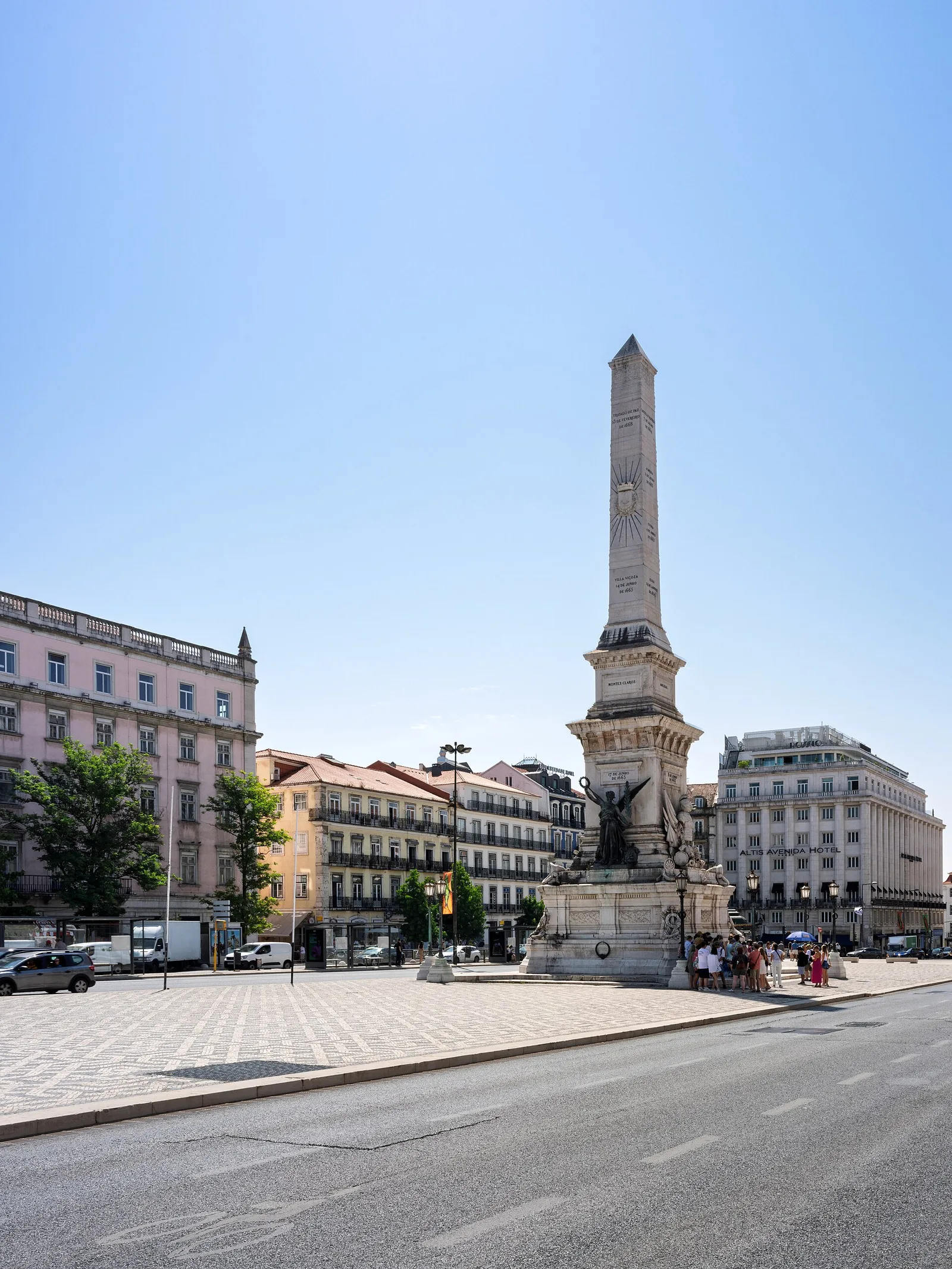
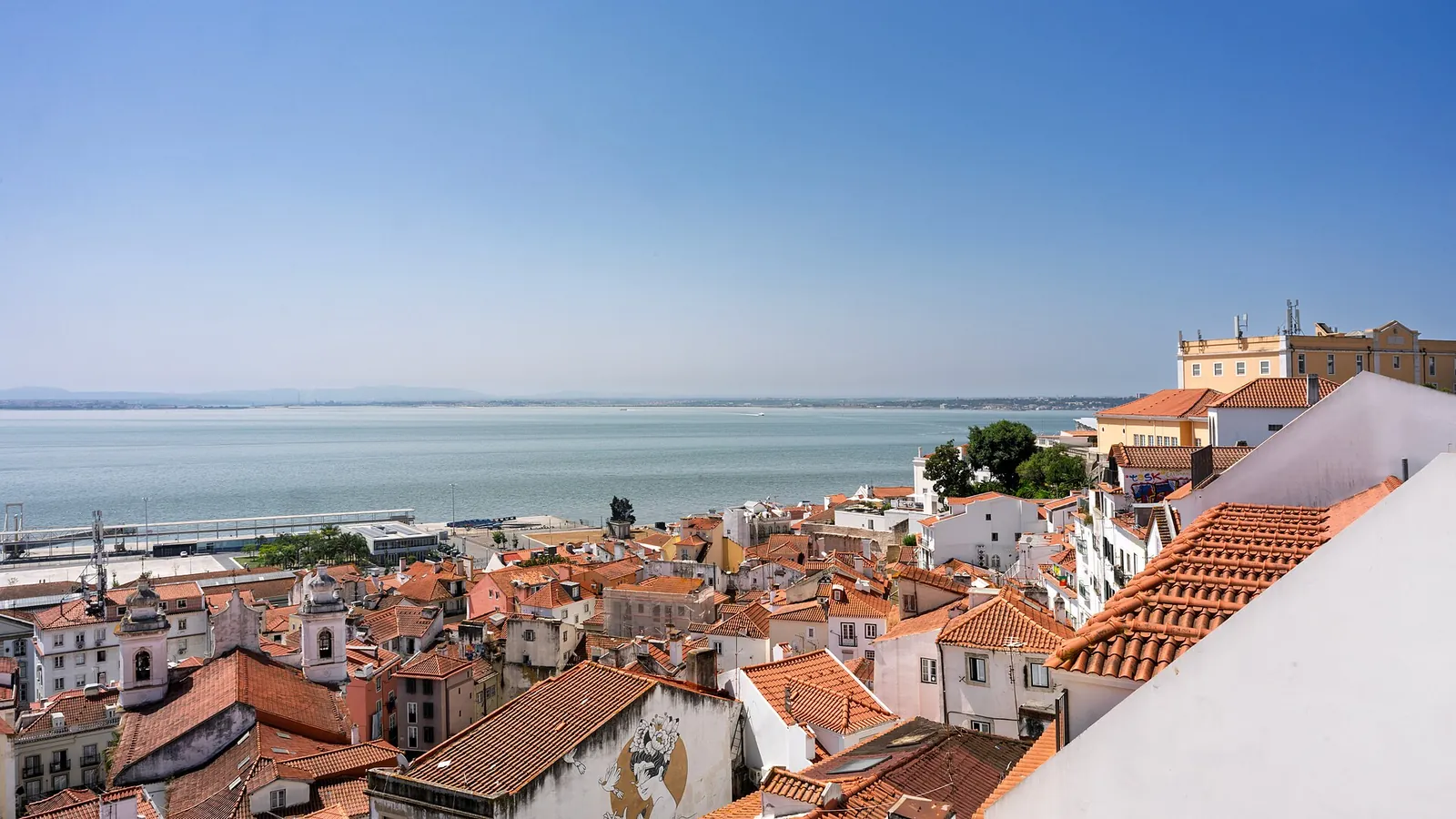
My complete first-timer's guide to Lisbon, Portugal: neighbourhoods, sights worth your time, trams and metro, where to eat, and day trips to Sintra and Belem.
Port wine and compass brass
Cliffs, tiles and port wine, with the small towns in between
Before you fly
Six bookings that save you money and queues before you even board.
🎫 Tip: book Sintra palaces and the Benagil cave tours ahead, they sell out fast in summer
Some links on this page are affiliate links. If you book through them we may earn a commission at no extra cost to you, which helps support the site.
Pick a direction
Pick a region and get all its guides.
Get your bearings
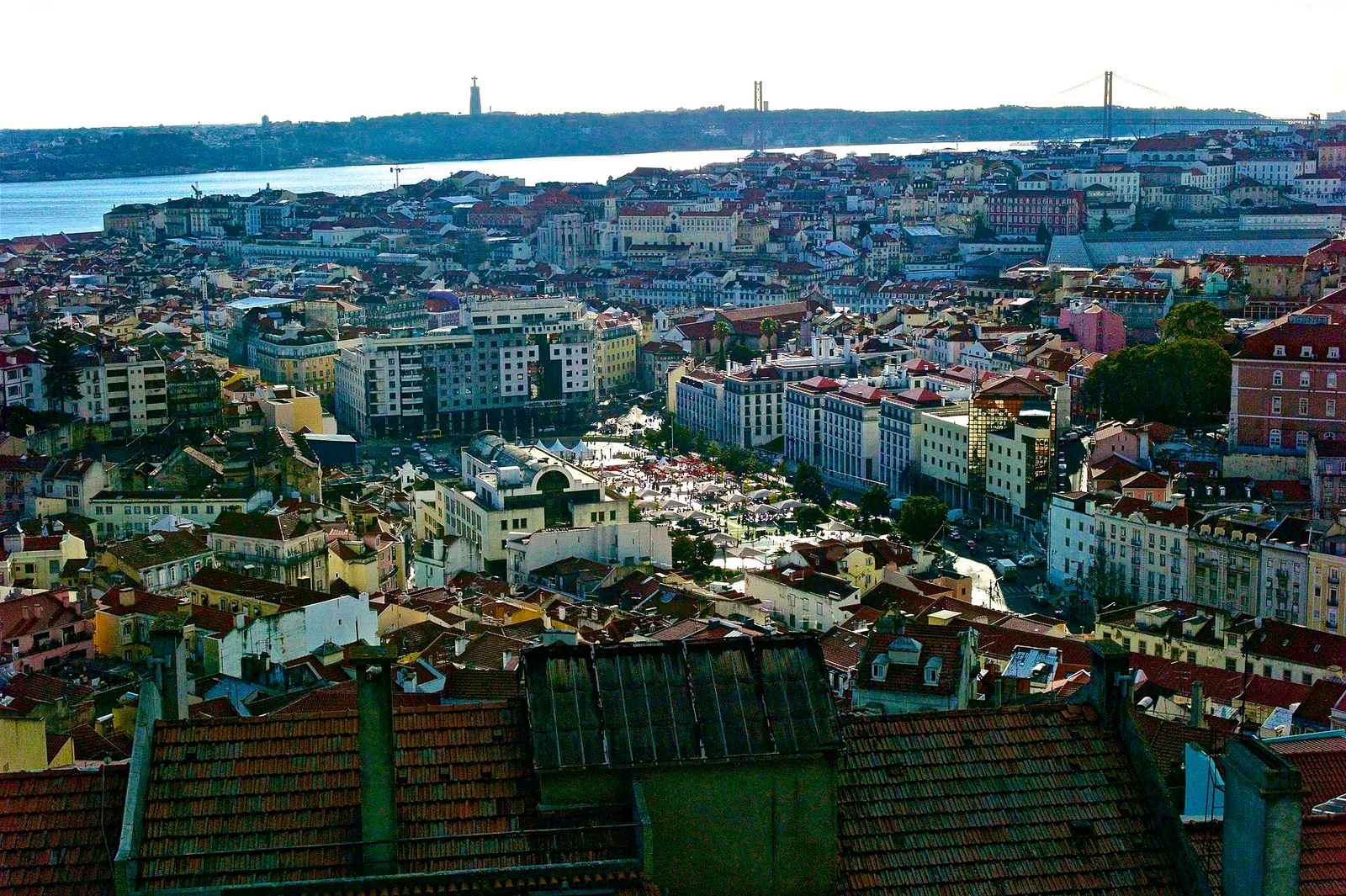
My complete first-timer's guide to Lisbon, Portugal: neighbourhoods, sights worth your time, trams and metro, where to eat, and day trips to Sintra and Belem.
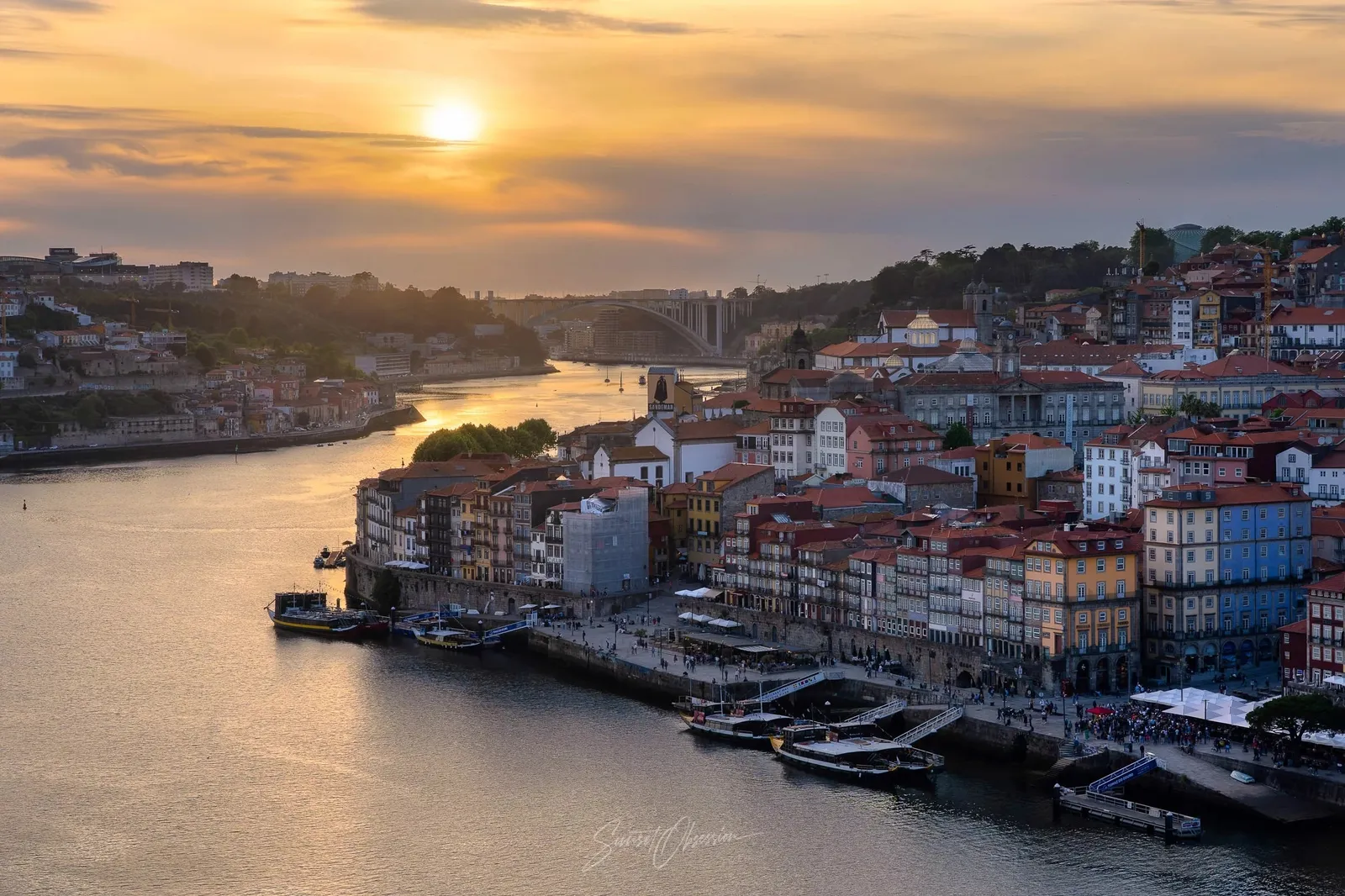
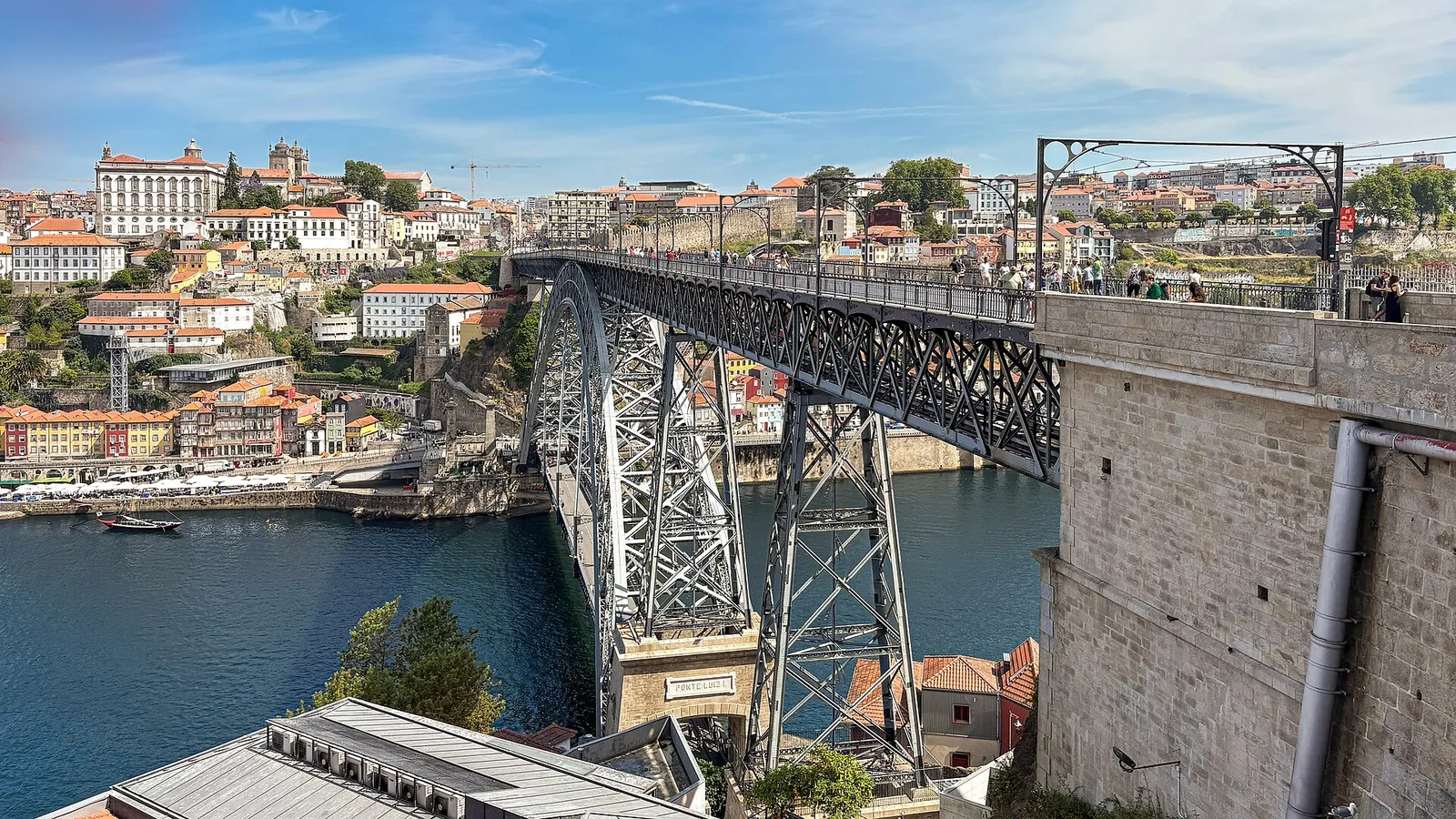
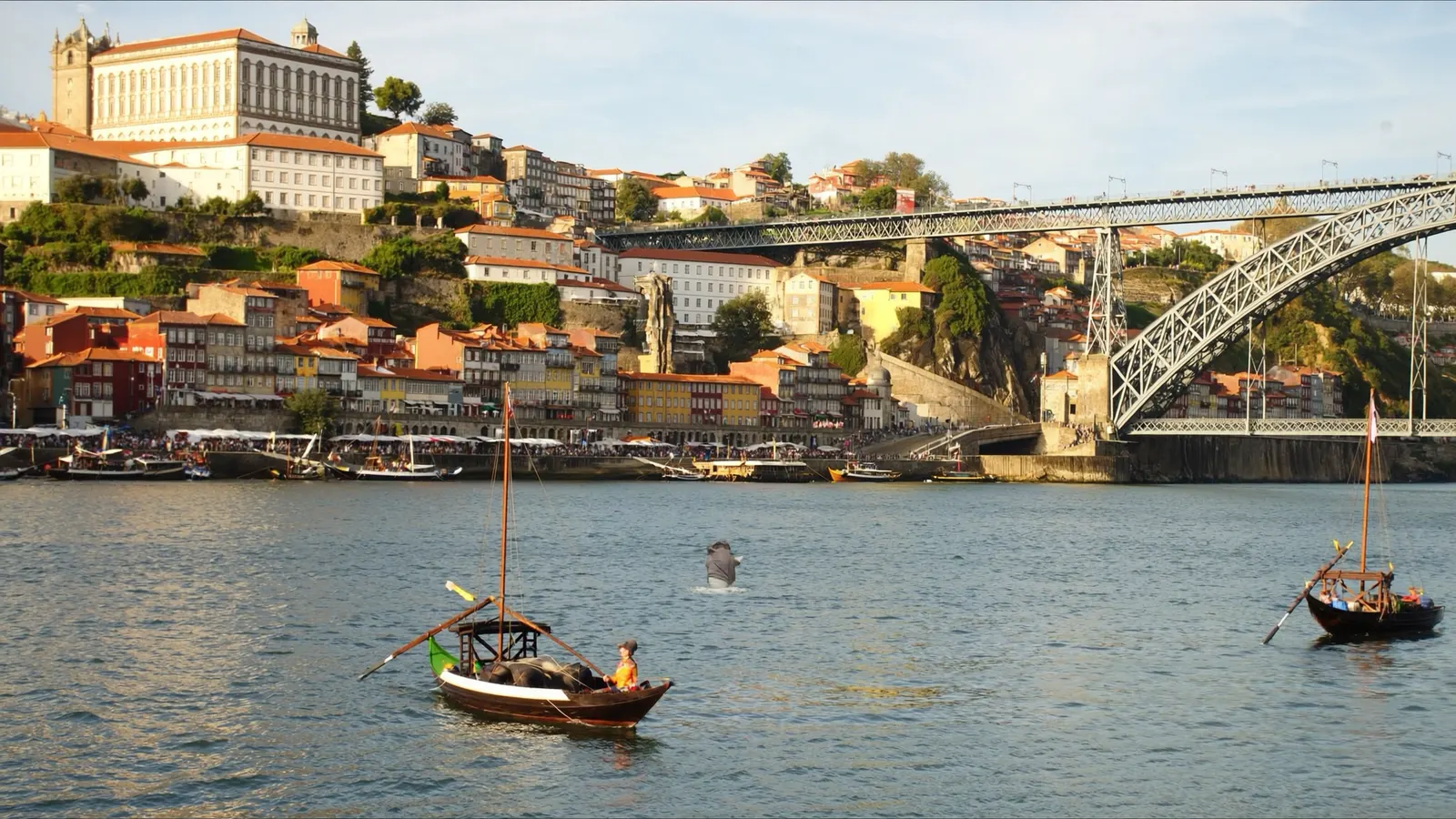
What to do in Porto: the Ribeira riverfront, the port wine cellars of Gaia, the Douro, the best viewpoints, food, and how many days you really need.
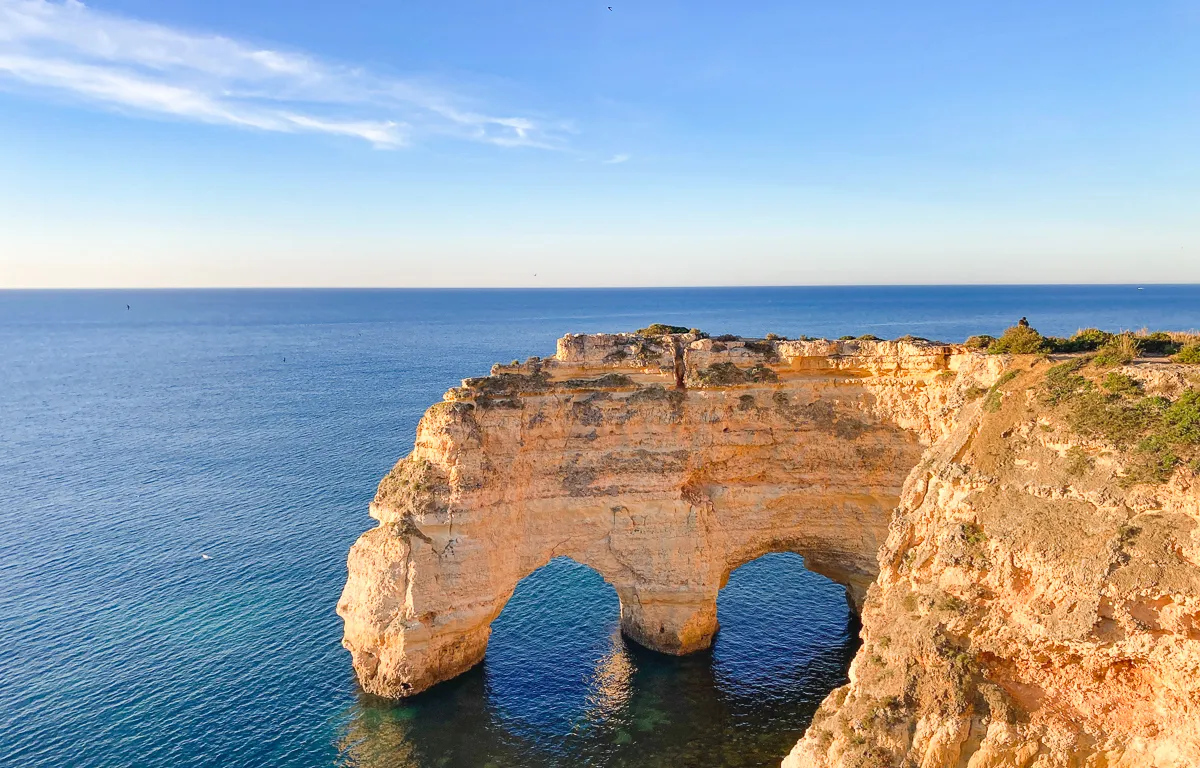
Portugal's Algarve, decoded: the best beaches, the prettiest towns, the sea caves, where to base yourself, and when to go for sun without the crowds.
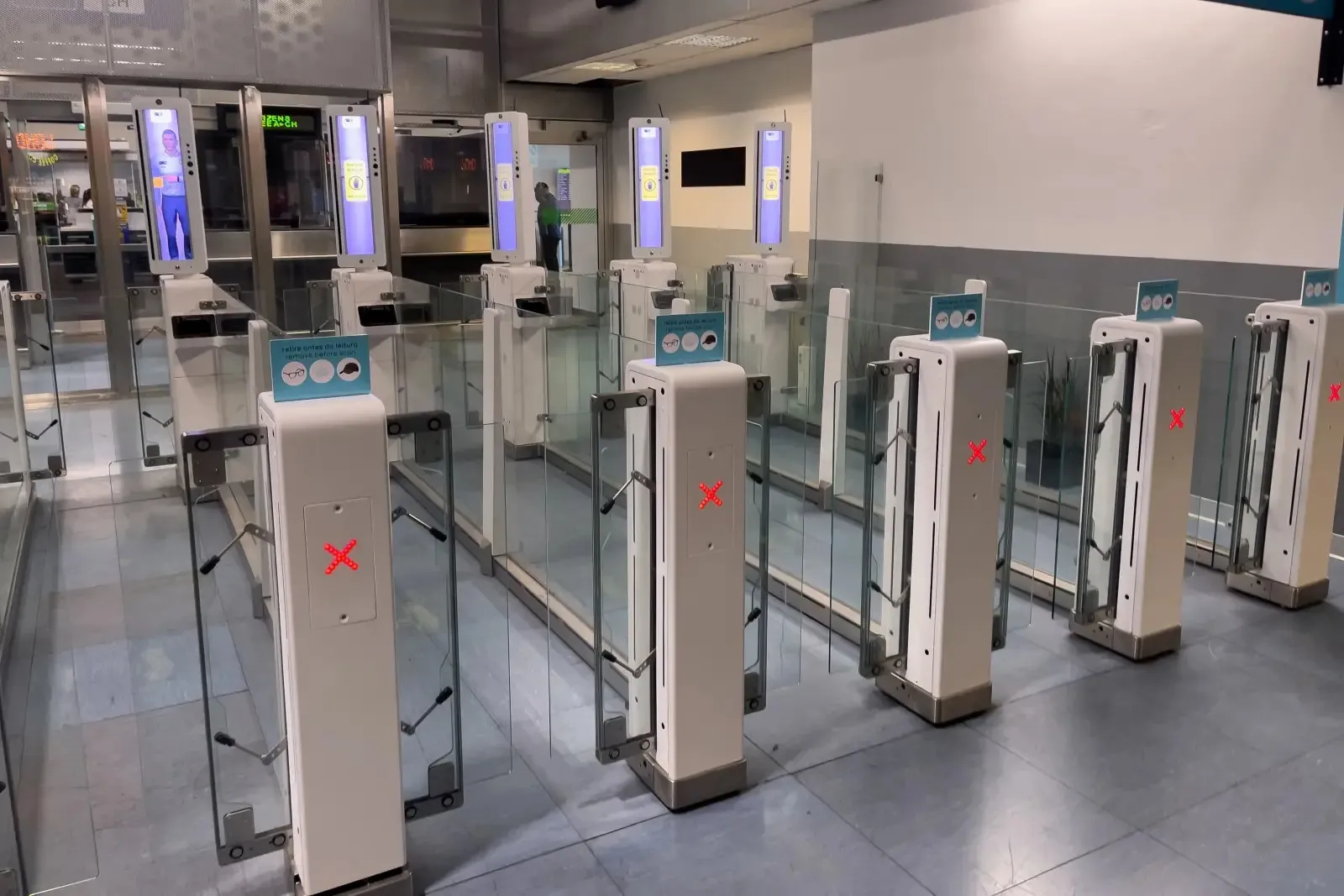
Planning your first trip to Portugal? Here is when to go, where to base yourself, how the trains and car hire work, the entry rules, and how to skip the rookie mistakes.
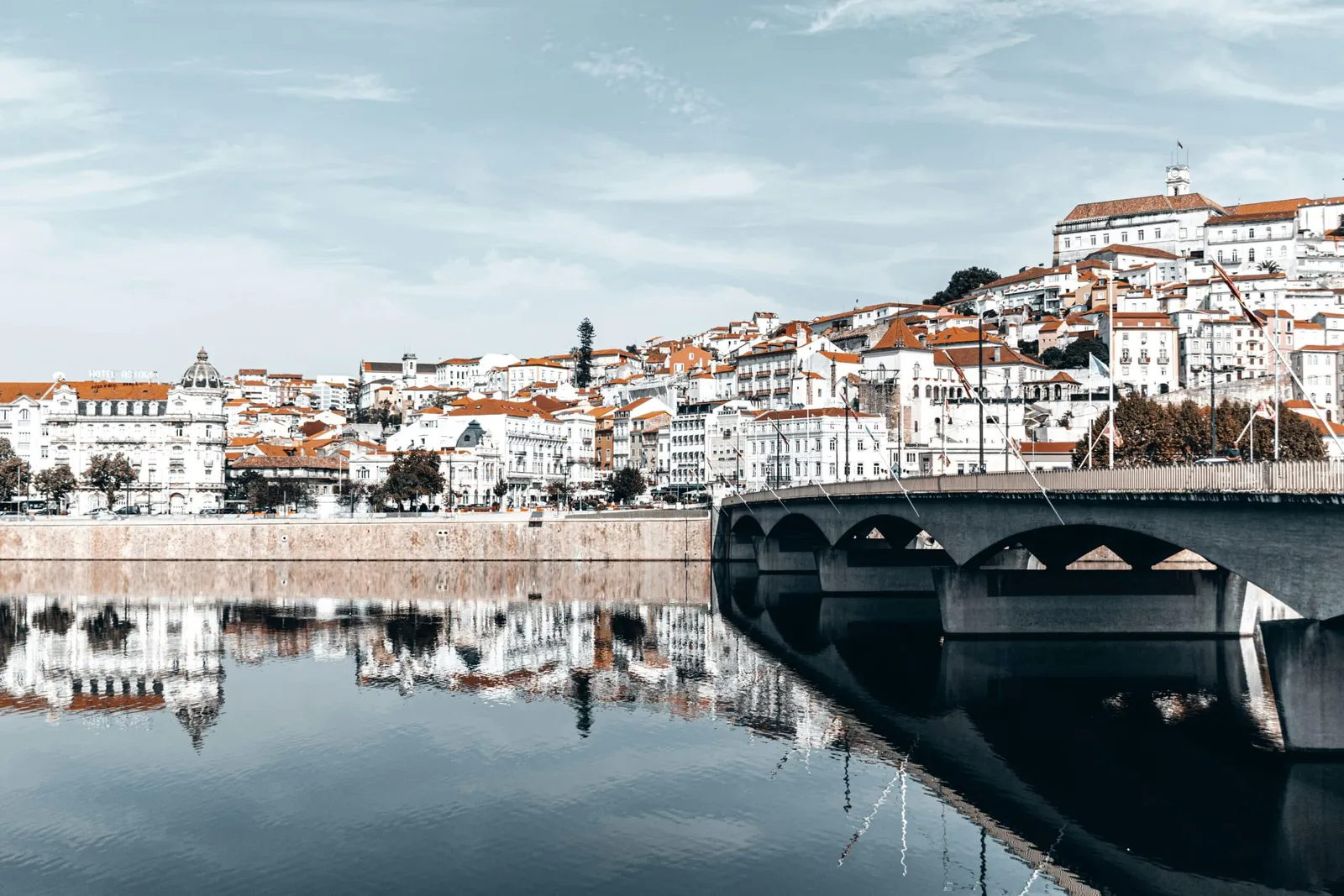
When to visit Portugal, month by month and region by region: the Algarve beaches, Lisbon and Porto, the Douro, and how to dodge the crowds and the heat.
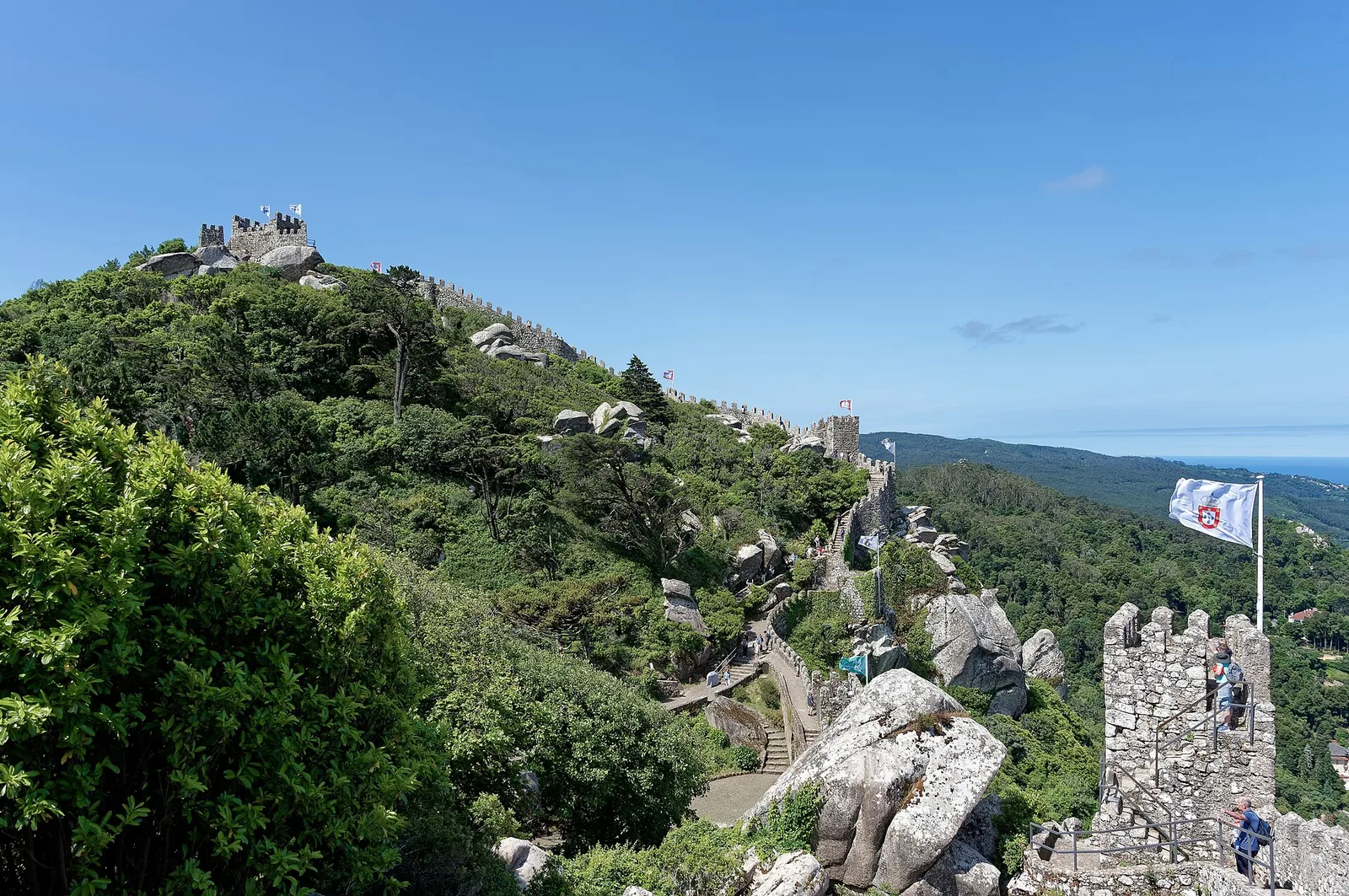
The most oversubscribed day trip in Portugal: which palaces are worth your morning, why timed tickets changed everything, how the hill transport works, and the two-site rule.
Choose your trip
Get oriented
Every place, beach and town from our guides, on one map.
Destination
More than 750 of the best places in Portugal, in one guide with photos and tips.
Taste it
Fresh off the press

How the counter works, what the coffee words actually mean, which pastries are worth the queue, and why standing up usually costs less than sitting down.
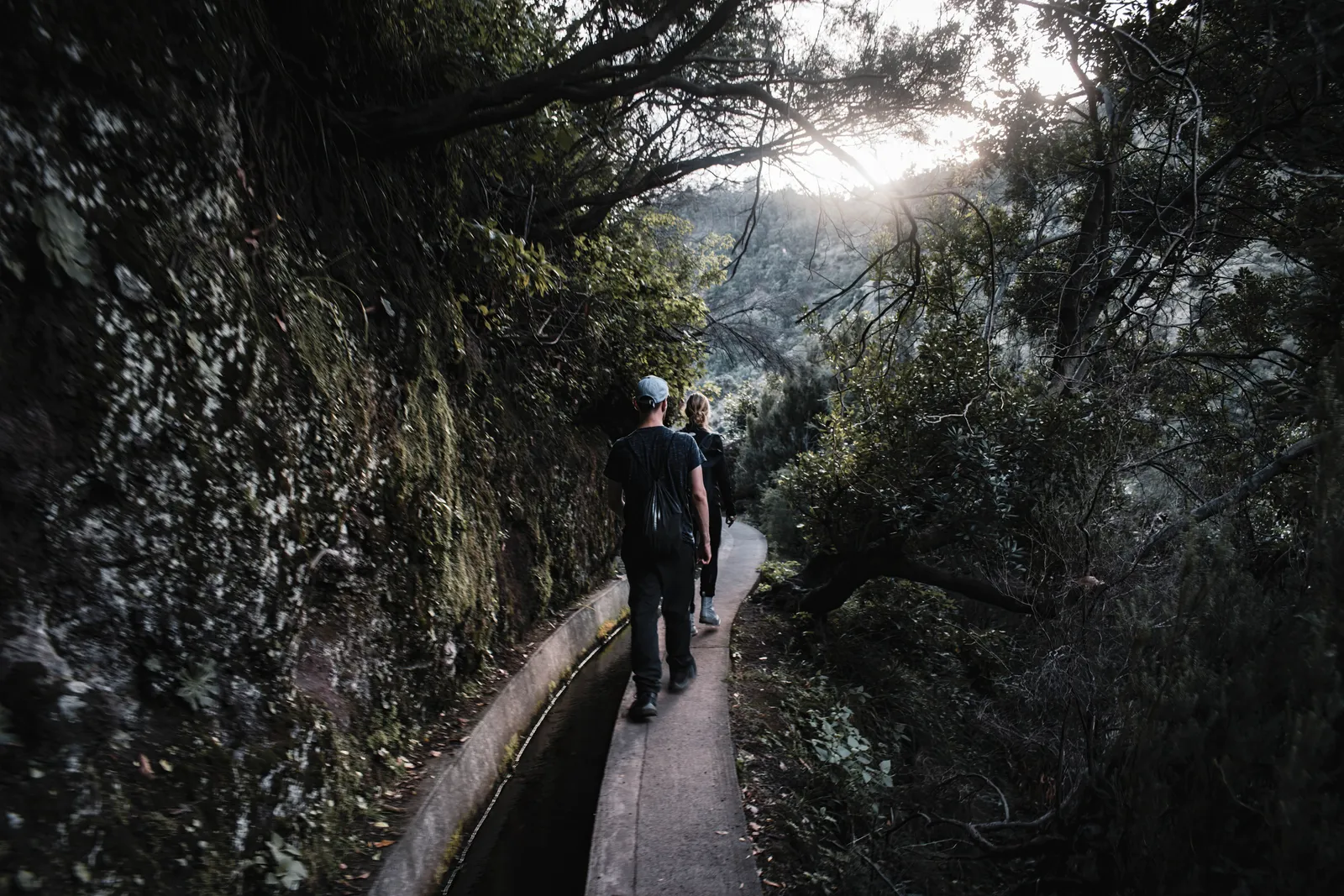
Walking Madeira's levadas now needs a reservation. How the SIMplifica booking system works, what it costs, who is exempt, and which trails suit which walkers.
Where Lisbon's LGBTQ+ scene actually lives, how Porto and the rest of the country compare, and what to know about Pride season and choosing where to stay.
Which Portuguese cities work well for travelling alone, how to choose a base that feels comfortable after dark, eating out solo without it feeling odd, and honest thoughts on the real risks.

How Portugal actually spends the festive season: a quiet family evening on Christmas Eve, a loud public party on New Year, and where the two land very differently on the map.
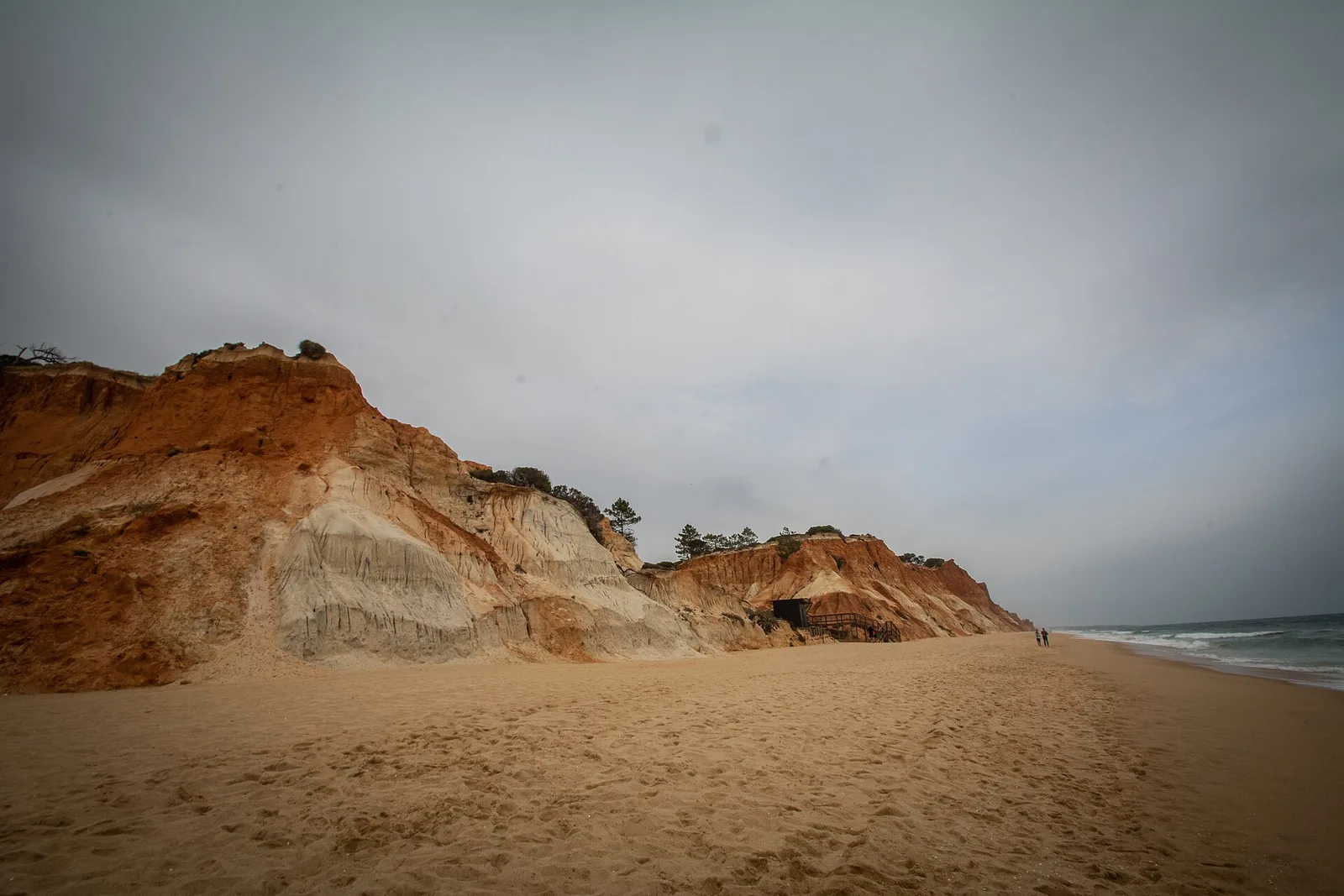
What the Algarve is really like from November to March: mild but chilly days, a resort strip that half shuts down, and the quieter towns and trails that make the season worth it.
Browse it your way
Every guide, sorted by what you are planning.
Take a souvenir
Sign up and get the destinations guide right away, more than 750 hand-picked places with photos and tips, no spam.
One real day from a schedule our planner builds. Yours is built from your answers.
Every hour worked out, every place open
Day 2 · Lisbon · 5 stopsMost visitors from the US, UK, Canada, Australia and the EU can enter Portugal and the Schengen area visa-free for up to 90 days in any 180-day period. From 2026 the EU is rolling out the EES biometric registration at the border, and the ETIAS pre-travel authorisation (around 20 euros) is expected to follow, so check the latest rules for your passport before you fly.
Spring (April to June) and autumn (September to October) are the most pleasant: comfortable weather, fewer crowds and reasonable prices. July and August are hot and busy, especially in the Algarve, while winter suits Lisbon, Porto and city breaks.
A week is enough for Lisbon, Sintra and Porto at a comfortable pace. Ten days to two weeks lets you add the Algarve and the Douro valley. We have built ready-made itineraries by number of days that you can tailor to your trip.
The currency is the euro and cards are accepted almost everywhere. English is widely spoken in the cities and tourist areas, though a few words of Portuguese always help. It is worth getting an eSIM so you are online the moment you land.
Yes. Portugal is one of the safest countries in Europe and is friendly to families and couples. As in any tourist destination, watch out for pickpockets in busy areas and on the public transport in Lisbon and Porto.