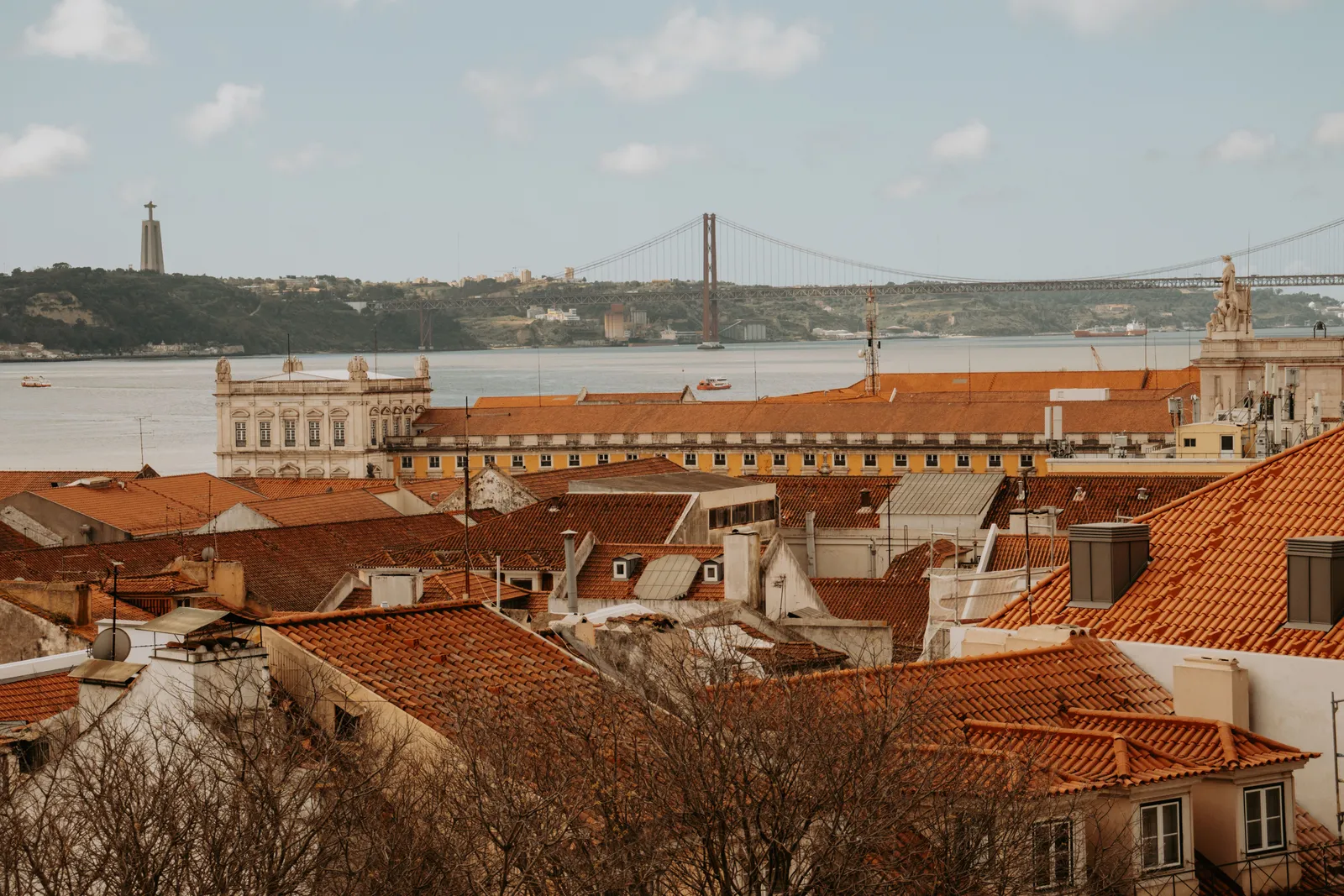
Lisbon has quietly become one of southern Europe’s more established LGBTQ+ capitals, with a scene that has grown up around one particular hillside neighbourhood rather than being scattered across the city. It is not Berlin or Barcelona in scale, but it does not need to be: a compact, walkable evening out, a strong Pride season, and a general mood of ease in the areas that matter make it a genuinely good LGBTQ+ city break. Here is how the geography of it actually works.
Príncipe Real: the heart of the scene
Príncipe Real is where Lisbon’s LGBTQ+ life is centred, an elegant square and garden on a hill above Bairro Alto, ringed by townhouses that now hold bars, cafes, boutiques and the occasional design shop. By day it is a relaxed spot for coffee under the garden’s huge old cedar tree. By night the surrounding streets fill with LGBTQ+ bars and clubs, mostly small and sociable rather than cavernous, and the atmosphere leans warm and unhurried rather than hard-partying.
It works well as a base for exactly this reason: everything within a short walk, a genuine neighbourhood feel rather than a strip built for visitors, and easy access down the hill to the rest of the city’s nightlife when you want a change of scene.
The mix of venues is broader than “bar” suggests. Alongside the nightlife, Príncipe Real holds LGBTQ+-run bookshops, vintage clothing shops and design studios that give the neighbourhood a daytime character of its own, not just a place that switches on after dark. It rewards a slow afternoon as much as a night out, coffee in the garden, a browse through the shops, before the evening crowd arrives.
Bairro Alto and the wider nightlife map
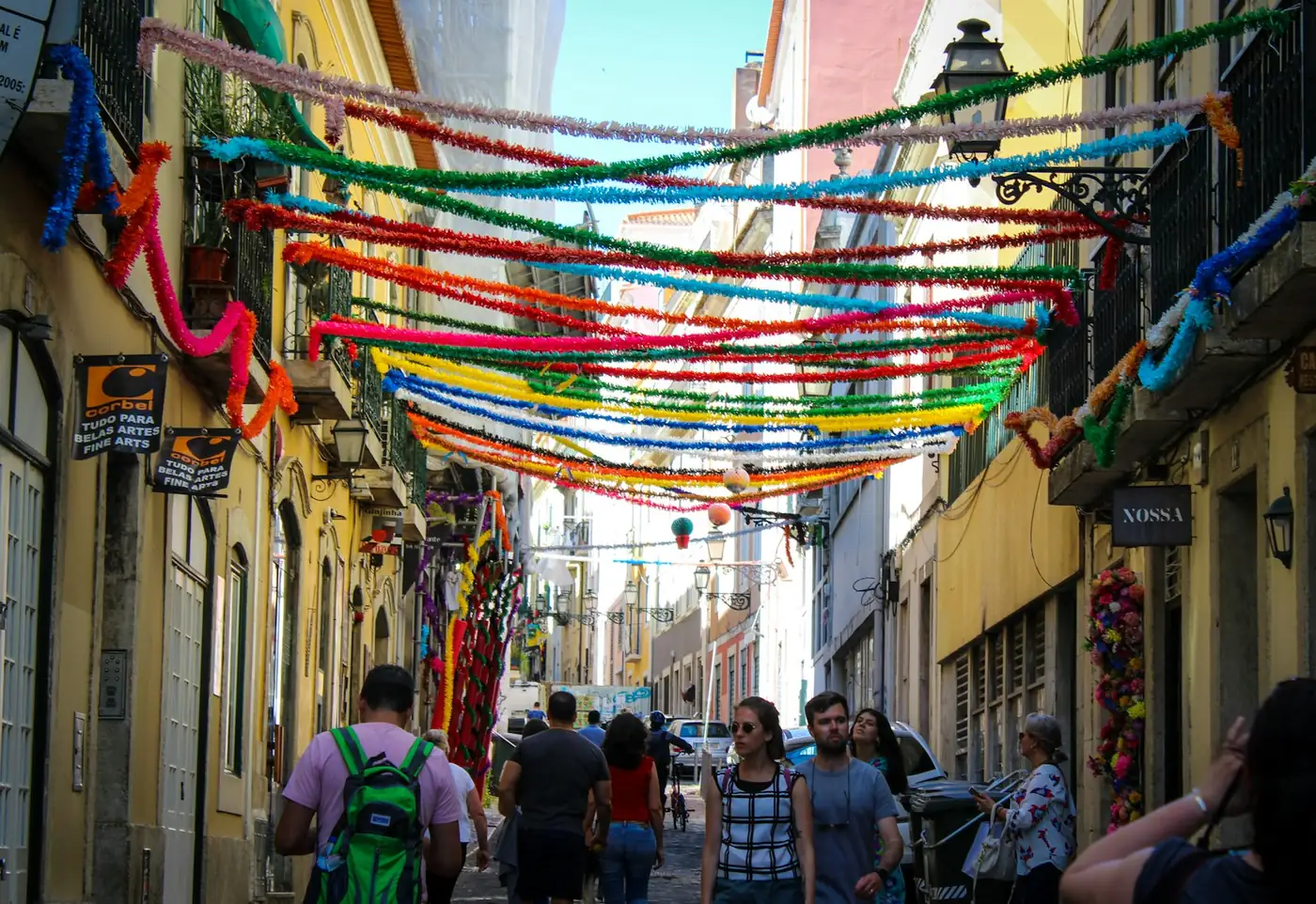
Just downhill from Príncipe Real, Bairro Alto is Lisbon’s broader nightlife district, a warren of narrow streets where small bars spill drinkers out onto the pavement most nights of the week. It is not an exclusively LGBTQ+ area, but a number of LGBTQ+ venues sit within its streets, woven into the wider bar-hopping culture rather than set apart from it, and the crowd on a typical night is decidedly mixed.
The practical result is that Príncipe Real and Bairro Alto work as one evening rather than two separate nights out: start in the garden square, drift downhill as the evening goes on, and let the crowd and the music decide where you end up. Our Lisbon nightlife guide covers the wider bar and club scene these streets sit within.
Porto’s smaller, low-key scene
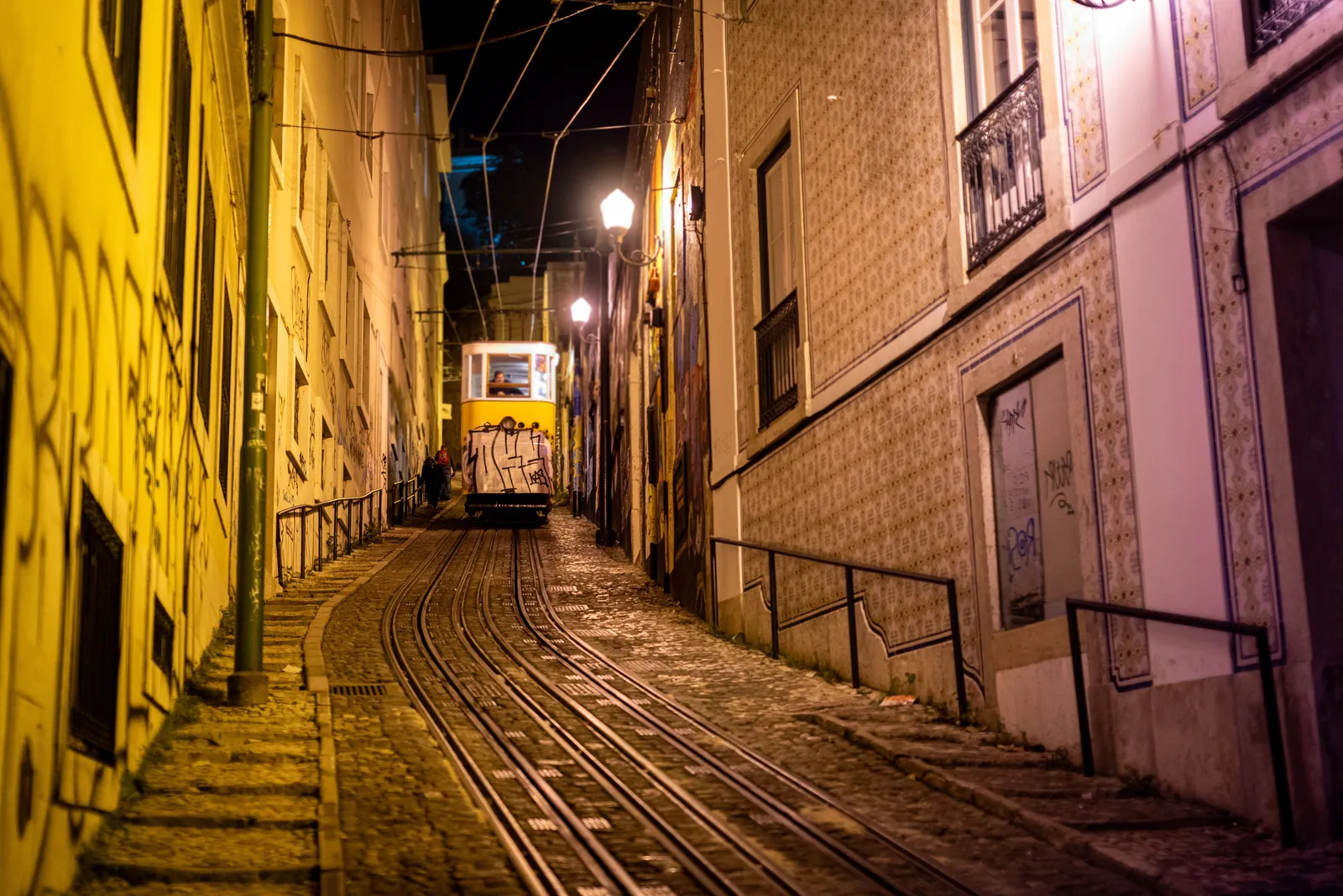
Porto has a genuine but much smaller LGBTQ+ scene than the capital, without a single neighbourhood playing the role Príncipe Real does in Lisbon. Venues are fewer and more spread out, and the city’s overall nightlife culture runs quieter than Lisbon’s, closer to a low-key student and local crowd than a destination party scene. What there is tends to sit around the central nightlife streets near Galerias de Paris, rather than in a district built specifically around the scene, and it is worth asking locally for what is currently open rather than working from an old list, since smaller-city venues change more often than a capital’s do. It is a comfortable, easy city to visit, and worth adjusting your expectations for rather than assuming the capital’s density will repeat itself.
See more of the city between nights outA Douro river cruise or Porto food tour fills the daylight hours well either side of an evening in the cityOutside the big cities
Away from Lisbon and Porto, the country’s LGBTQ+ visibility drops noticeably, in the way it does across most of Europe once you leave the major cities. Smaller towns and rural areas tend to be conservative in tone rather than openly unwelcoming, and dedicated venues are effectively absent outside the two main cities. Visiting a small town or a beach resort outside Lisbon and Porto is generally unremarkable and low-friction, it simply will not offer the same visible scene, and reading the room in an unfamiliar setting is sensible practice anywhere.
The Algarve resort towns are the one partial exception, where the sheer volume of international visitors of all kinds tends to produce a relaxed, live-and-let-live atmosphere without necessarily any dedicated LGBTQ+ venues to speak of. It is a case of general tourist-town ease rather than a scene, which is a different thing from what Lisbon offers, and worth knowing before you arrive expecting one and finding the other.
Pride and the summer calendar
Lisbon’s Pride events sit in the summer calendar, broadly around June, in step with Pride season across much of Europe. The city gets noticeably busier and more expensive to stay in around the dates, and it is worth booking accommodation earlier than you would for an ordinary summer week if your trip is built around it. Exact dates shift from year to year, so check the current calendar closer to travel rather than working from an old one.
Where to stay
Príncipe Real is the obvious first choice for anyone prioritising the scene itself, walkable to everything described above and a genuinely pleasant neighbourhood to be based in regardless. Bairro Alto and Chiado, just below and beside it, offer more accommodation choice with nearly the same proximity to the nightlife.
| If you want | Base here | Why |
|---|---|---|
| To be inside the scene | Príncipe Real | Bars, garden and boutiques on your doorstep |
| More hotel choice, same proximity | Bairro Alto or Chiado | A short, flat walk to Príncipe Real |
| A quieter base with easy access | Baixa or Cais do Sodré | Central, well connected, a short taxi or walk up the hill |
For a fuller picture of the city’s neighbourhoods beyond this specific angle, our Lisbon guide and our dedicated where to stay in Lisbon guide both cover the wider map.
A note on safety and how things generally feel
Most visitors find Lisbon’s main tourist and nightlife areas comfortable and unremarkable in this respect, which is itself the point: the scene is established enough not to feel like a novelty. That said, general travel sense still applies, being mindful late at night, in unfamiliar streets, and around excessive alcohol, is sound advice everywhere and not specific to this city.
Couples travelling together generally report the same ease around Príncipe Real and the main tourist districts that any visitor would, with the usual caveat that comfort levels can shift outside those areas, in the same way they do in most European cities once you step away from the neighbourhoods built for a diverse night out. For anything touching on legal status or rights, an official government or embassy source will give you a more current and reliable answer than a general travel guide can.
The short version
Lisbon’s LGBTQ+ scene is real, established and easy to access, and it is almost entirely concentrated in and around Príncipe Real, with Bairro Alto as its natural extension for a full night out. Porto offers a smaller, quieter version of the same thing, and the rest of the country is best approached with ordinary travel sense rather than specific expectations either way. Base yourself on the hill above Bairro Alto, time a summer trip around Pride if that matters to you, and the city does the rest.
Are you planning around Pride season, or just want the neighbourhood that never sleeps?