Portugal turns up regularly on lists of countries that work well for travelling alone, and for a solo female traveller the reasons hold up in practice: compact, walkable cities, reliable public transport, widespread English in tourist areas, and a culture where sitting alone in a cafe or restaurant draws no attention at all. None of that removes the need for ordinary judgement. Here is what actually helps in practice, base by base.
Which cities work well alone
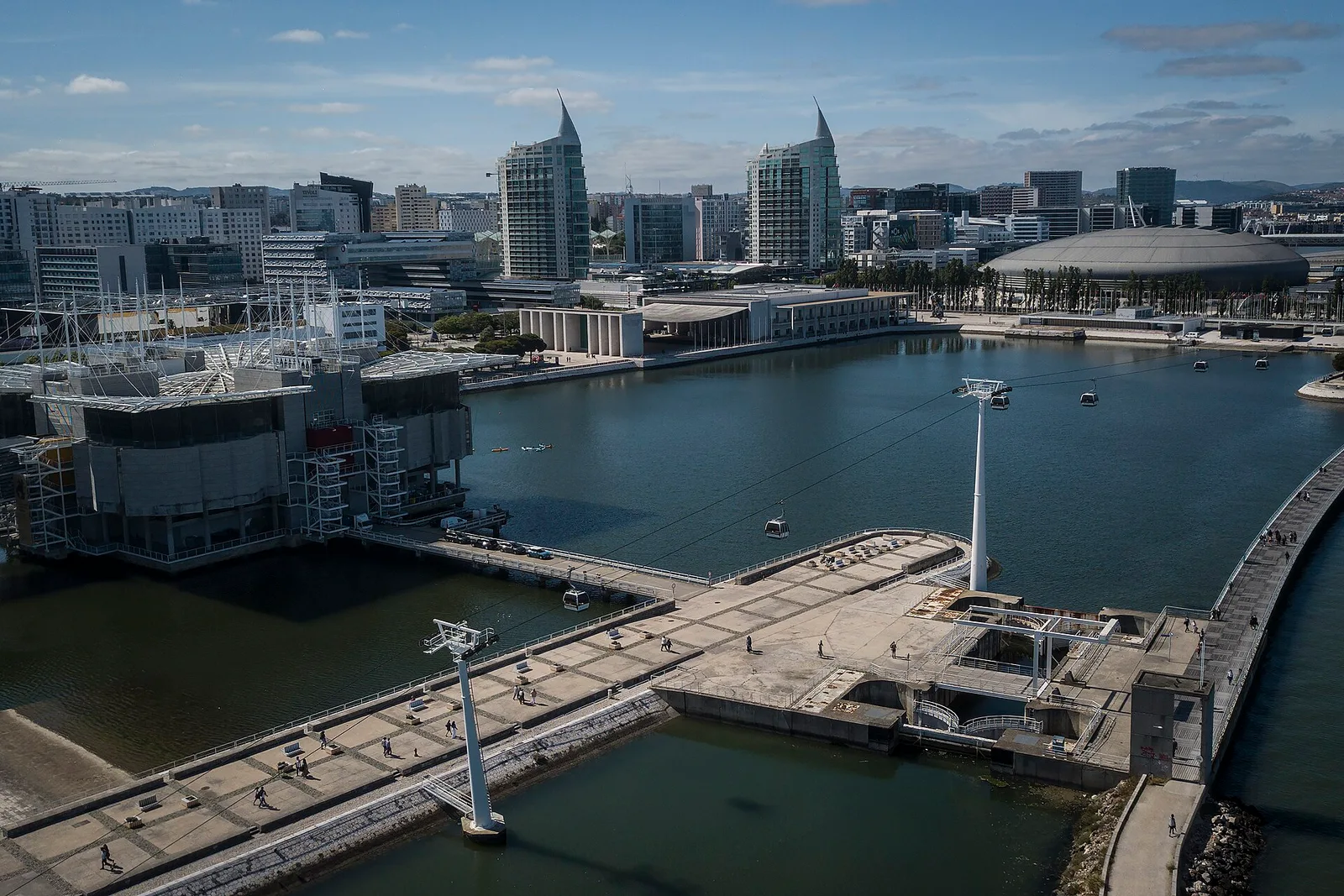
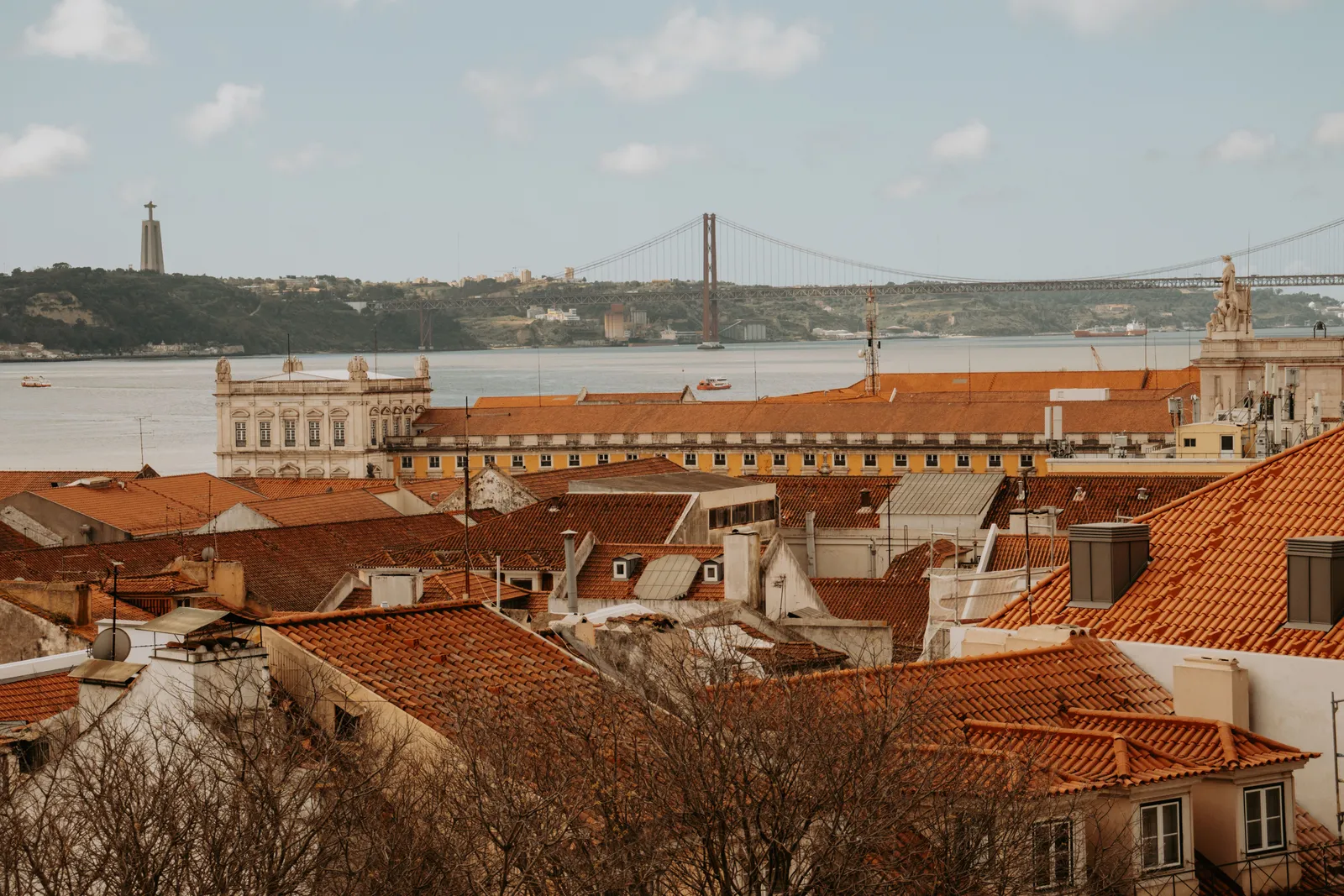
Lisbon is the bigger, more varied choice: several distinct neighbourhoods to choose from, a metro and tram network that covers most of what a visitor needs, and enough going on that a week alone never feels thin. It rewards a little more planning simply because there is more of it.
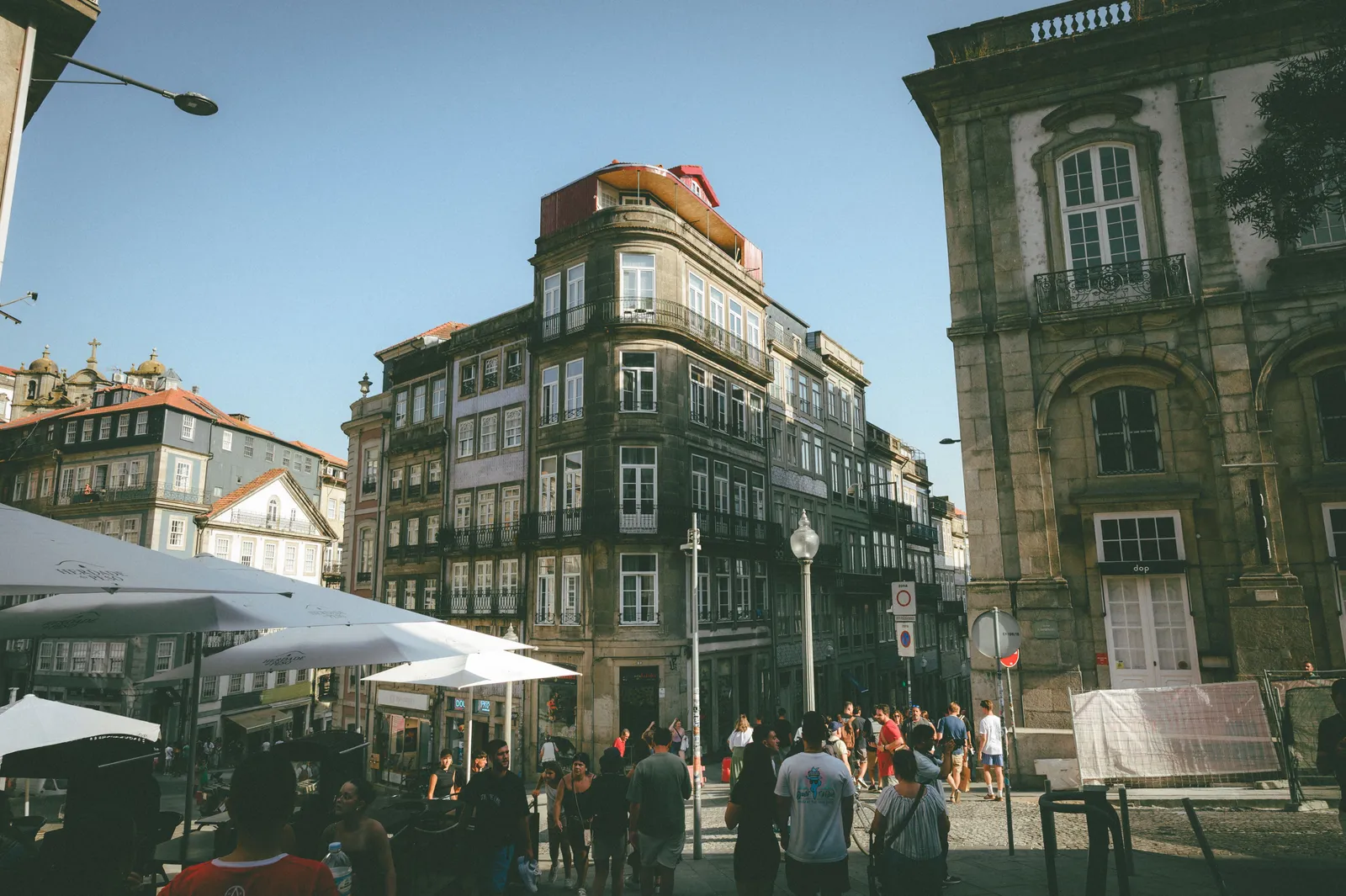
Porto is smaller and easier to get your bearings in within a day or two, which some solo travellers find genuinely reassuring, especially early in a trip. Its compact centre means less reliance on transport after dark, since much of what matters is within walking distance of most accommodation.
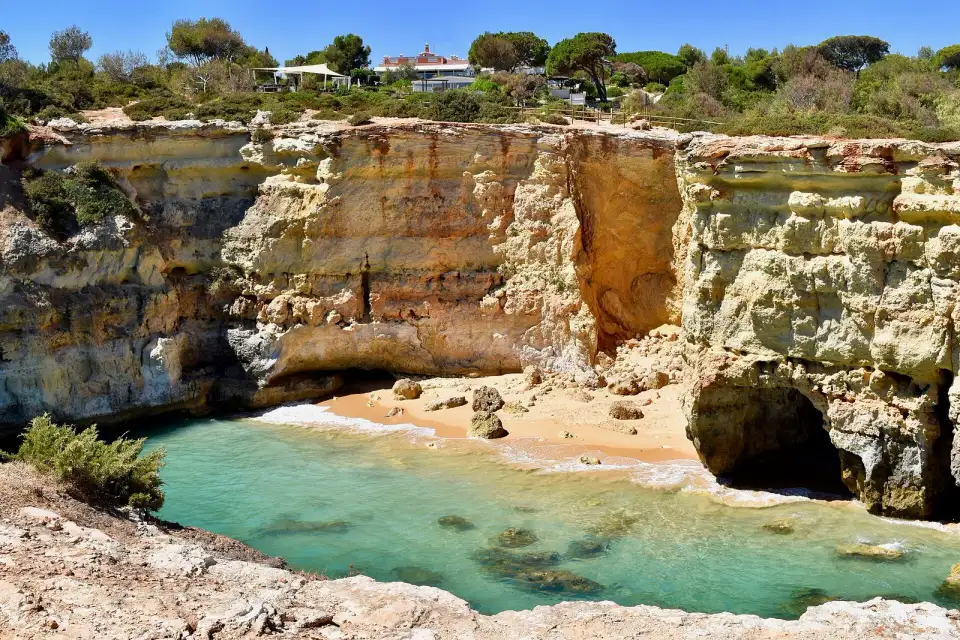
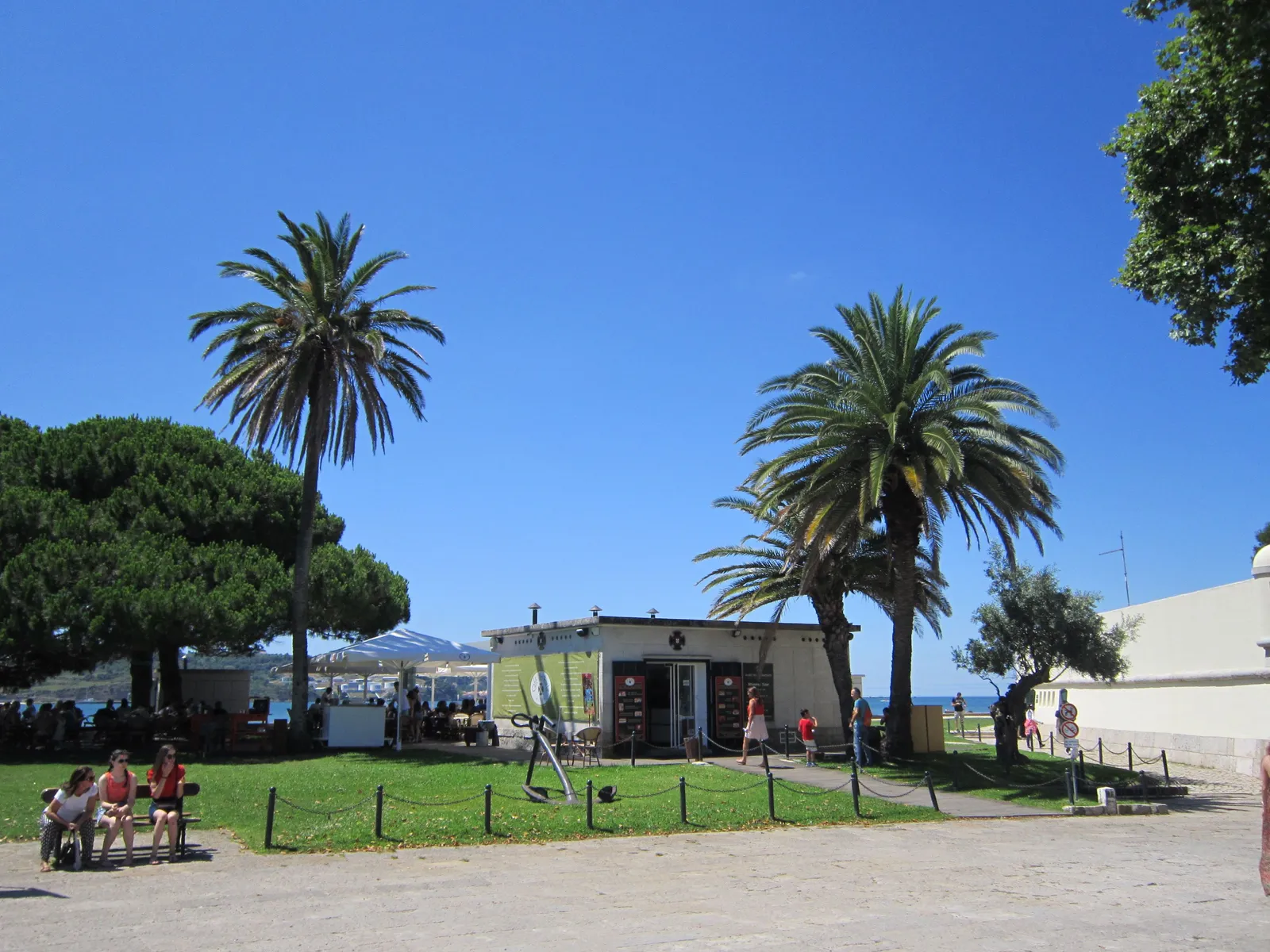
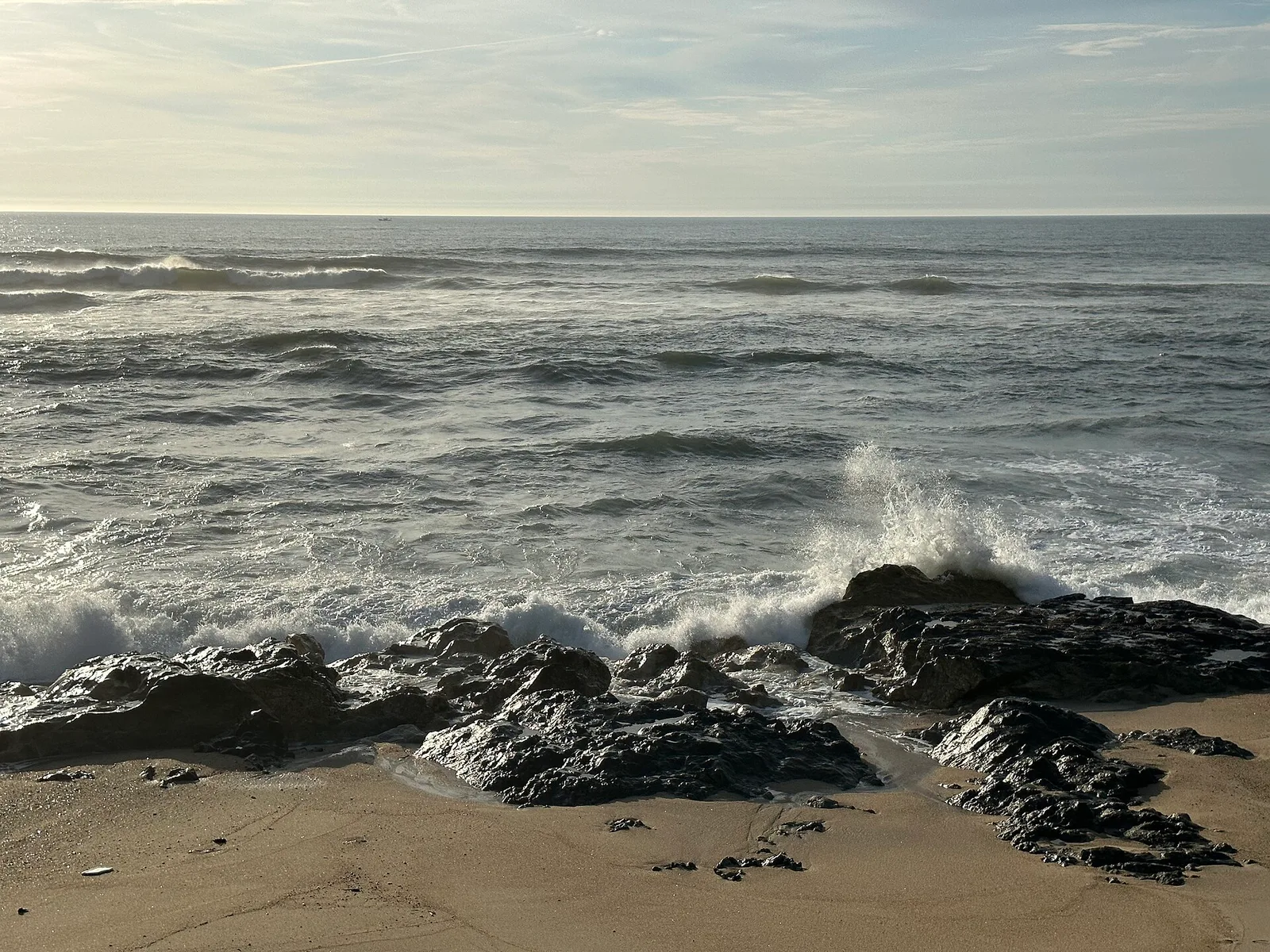
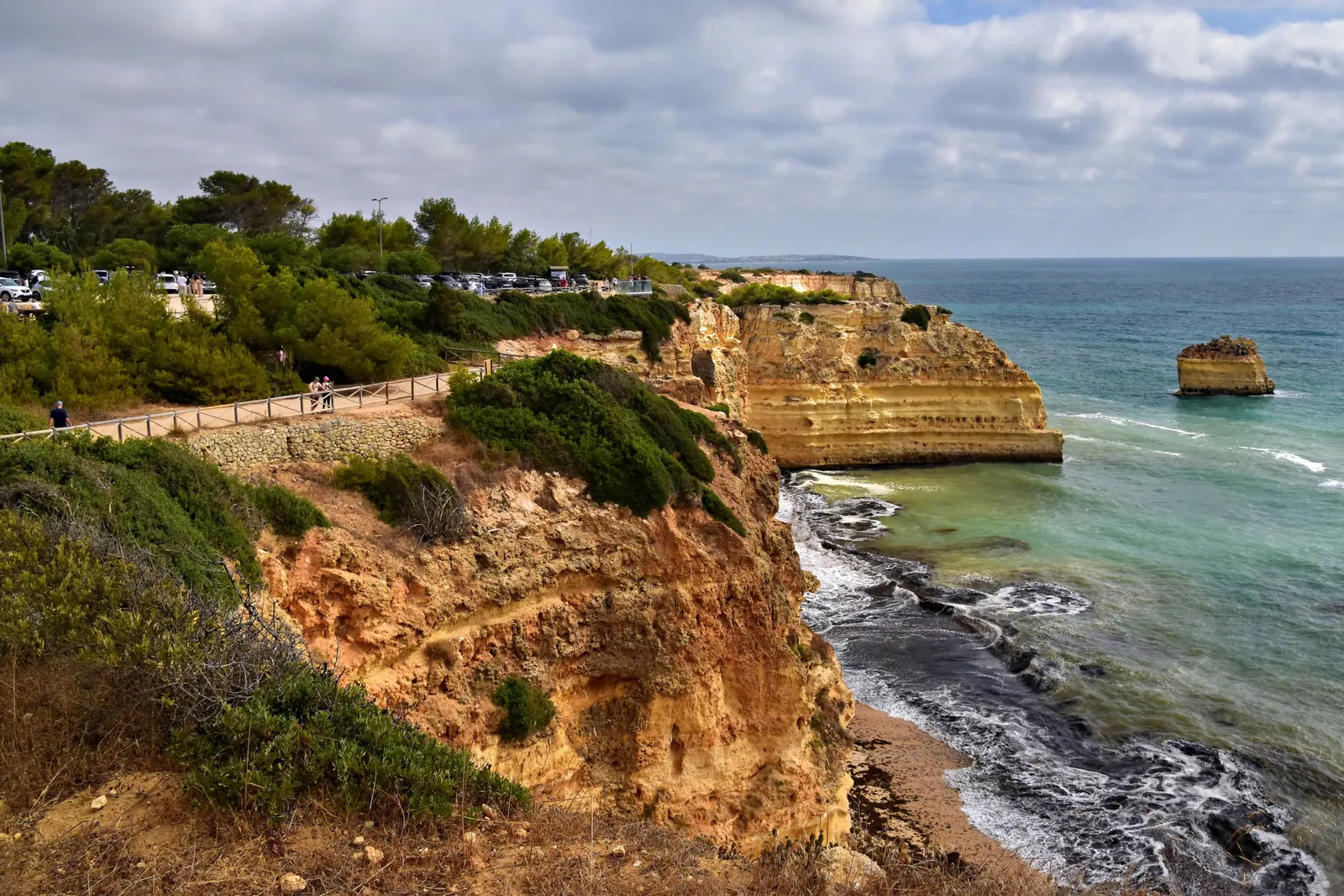
The Algarve suits a different kind of solo trip: quieter, resort based, and well set up for travellers who want beaches and a slower pace rather than city sightseeing.
Choosing a base: lively versus quiet at night
The single most useful thing to check before booking anywhere is not the neighbourhood’s reputation but what the specific street looks like after dark. A district can be genuinely lively and comfortable, or the same name can cover a quiet residential stretch a few streets over, and the difference matters more for a solo traveller than for most.
Central, well lit and busy in the evening is the general aim: areas with restaurants, bars and foot traffic tend to feel more comfortable coming home late than a quiet residential edge of the same neighbourhood, however charming it looks in daylight. Our neighbourhood by neighbourhood guide to Lisbon is a useful starting point for weighing exactly this trade-off district by district.
Getting around after dark
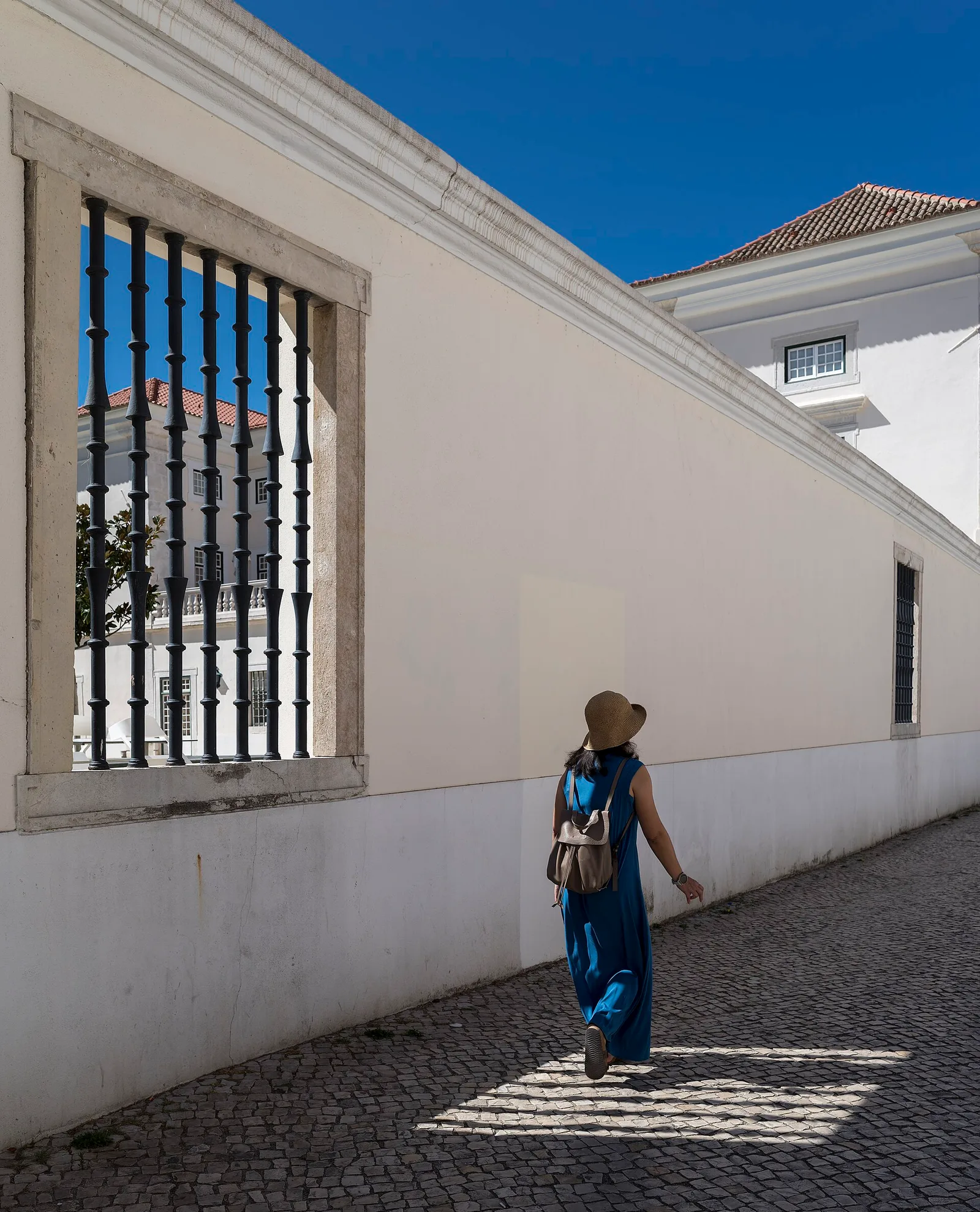
In the main tourist areas of Lisbon and Porto, walking home in the evening along busy, well lit routes is a normal, low-key thing to do, and plenty of solo travellers do exactly that without incident. The judgement calls that matter are ordinary ones: know roughly where you are going before you set off rather than relying on a phone with a screen lighting up in a quiet spot, and stick to routes that stay busy rather than the atmospheric but empty shortcut.
Ride-hailing apps work well in both cities and are a reasonable choice for a late journey, not something to feel you need to justify. Public transport within its normal operating hours is generally comfortable to use alone.
Eating alone without it feeling strange
Eating alone in Portugal genuinely does not draw attention, and it helps to know that going in. Cafes fill with solo customers reading or working at any hour, and many restaurants and tascas offer counter or bar seating, which several solo travellers find more comfortable than a table for one and often comes with better conversation with the staff.
Lunchtime menus, common across the country, are an easy way to eat well and cheaply alone without navigating a full evening menu, and busier, more casual spots generally feel more natural solo than the quietest, most formal dining rooms.
Looking for a base that feels comfortable alone?Central, well reviewed stays near the areas that stay lively after darkMeeting people: hostels, tours, classes and trails
You do not need to be staying in a hostel to use one as a way to meet people. Many sociable hostels in Lisbon and Porto run communal dinners or walking tours that non-guests can often join, and their common areas tend to be genuinely social spaces during the day.
Free or low-cost walking tours are one of the most reliable ways to end up in conversation with other travellers, since everyone on them is open to chatting. Cooking classes, built around a shared table and a shared task, work the same way.
Outside the cities, guided hiking on the coastal trails of the Algarve or the inland routes further north puts you with a small group for a day, which is an easy, low-pressure way to spend time with other people while still travelling independently.
The real risks, and the ones that are overstated
The realistic concern in Portugal is the same one that affects every visitor, solo or otherwise: petty theft in crowded, touristy spots, covered in detail in our guide to safety and scams in Portugal. It is not a risk specific to travelling alone, and the precautions are the same ones any visitor should take: a bag kept closed and in front of you, a phone that stays out of an open back pocket.
What tends to be overstated, in Portugal specifically, is the idea that travelling alone here requires constant vigilance. The country’s reputation as a comfortable, easy place to visit generally holds for solo travellers too, and most of what matters comes down to the same base and street level choices covered above.
Practical habits worth building in
Share your rough plan with someone at home, including where you are staying each night, without needing to check in constantly.
Keep a photo of your passport and accommodation address somewhere separate from the originals.
Trust a specific instinct about a street or situation over a general reputation, good or bad, since the two do not always match.
Our guide for first-time visitors to Portugal is worth reading alongside this one, since most of what makes a first trip here easier applies whether you are travelling alone or not.
| Base | Feels comfortable for | Worth knowing |
|---|---|---|
| Lisbon, central districts | Variety, transport, longer stays | Choose a street with evening foot traffic |
| Porto, Baixa or Ribeira | Getting your bearings quickly | Compact enough to mostly walk everywhere |
| Algarve resort towns | A quieter, slower solo trip | Nightlife concentrated in fewer spots |
Are you building a city-based solo trip here, or leaning towards the slower pace of the coast?