Portugal is one of the safest countries in Europe, which is worth saying clearly before the rest of this page, because a list of things to watch for always reads worse than the place it describes. Violent crime against visitors is rare, the cities are comfortable to walk around at night, and the overwhelming majority of trips pass without incident. What Portugal does have is one specific, concentrated, well-organised petty theft problem, and a handful of small charges that visitors mistake for scams and mostly are not.
The one real problem
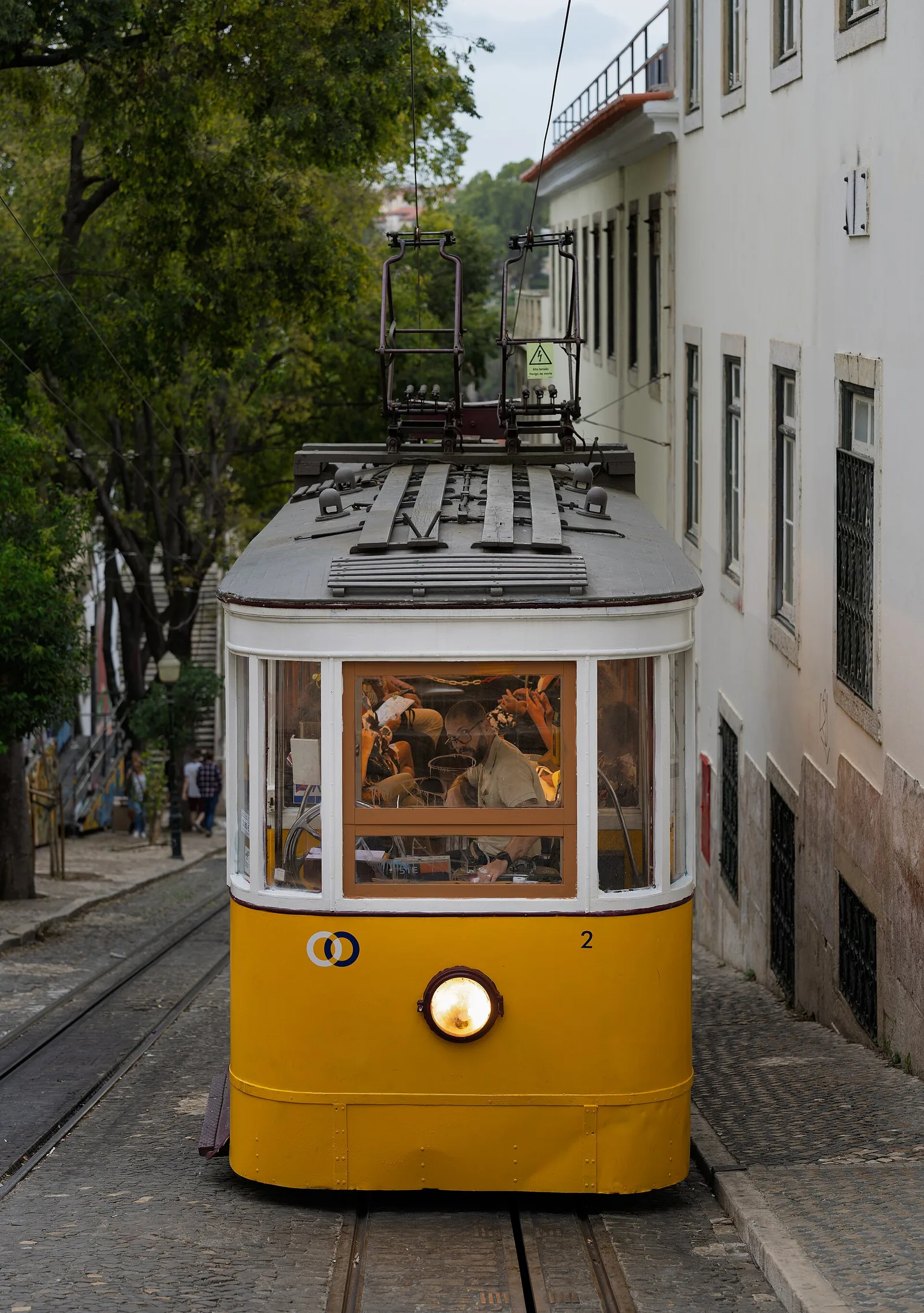
Pickpocketing on the tourist trams, above all the famous route that climbs through Lisbon’s old quarters. It is crowded, everybody is distracted by the view, bags are behind people, and it is the most reported location in the country.
Crowded metro carriages, particularly on the airport line and at rush hour.
Busy viewpoints and squares, where people stop, put a bag down and take a photograph.
Festivals and street events, wherever a crowd is dense.
It is skilled and organised, and it is not violent. Nobody threatens you; your phone is simply gone.
What is not a scam
Several things visitors report as scams are ordinary Portuguese practice.
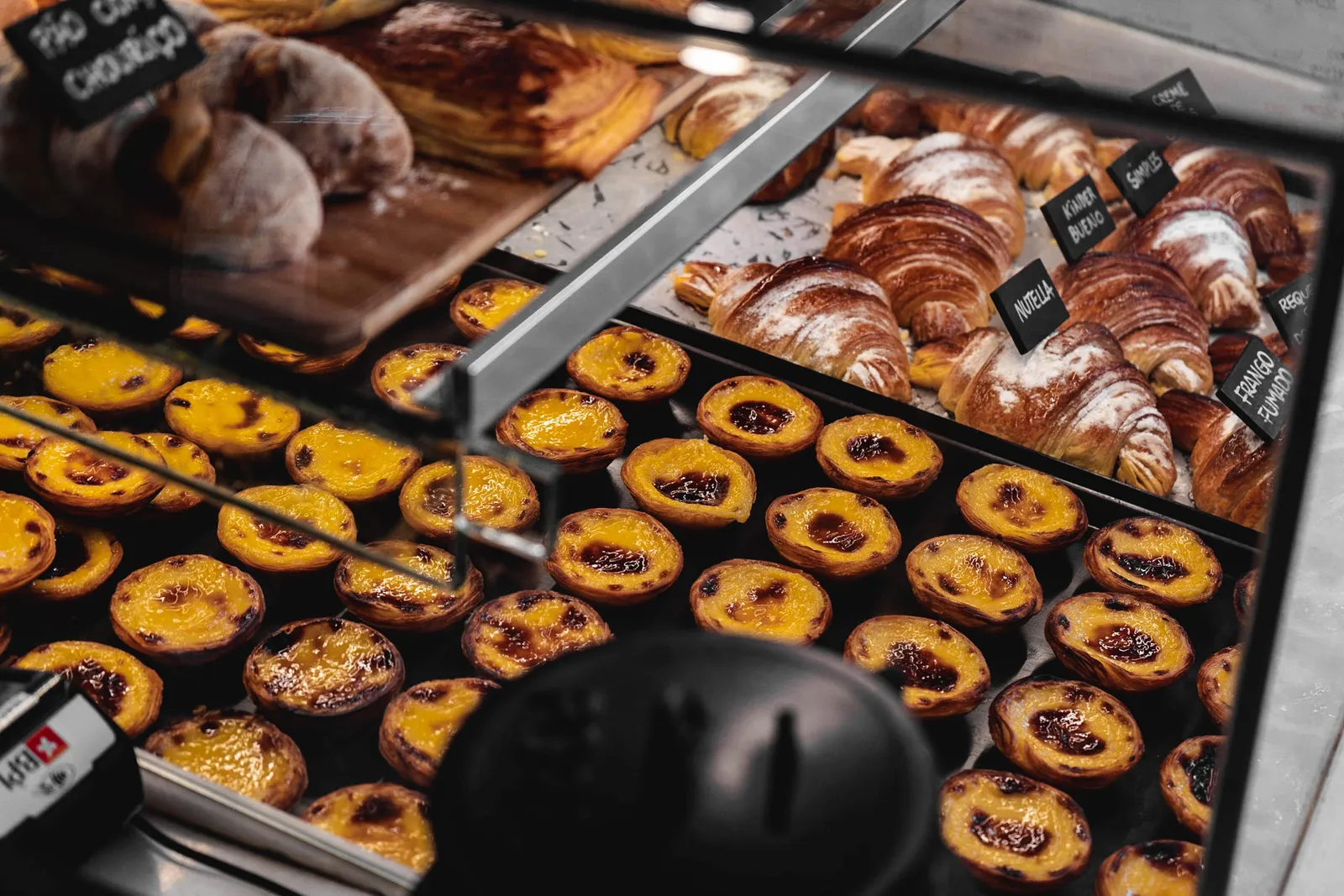
The couvert. Bread, olives, cheese or paté arriving at the table unordered, and appearing on the bill. This is normal here and it is not a trick. If you do not want it, say no politely and it goes away, with no offence taken.
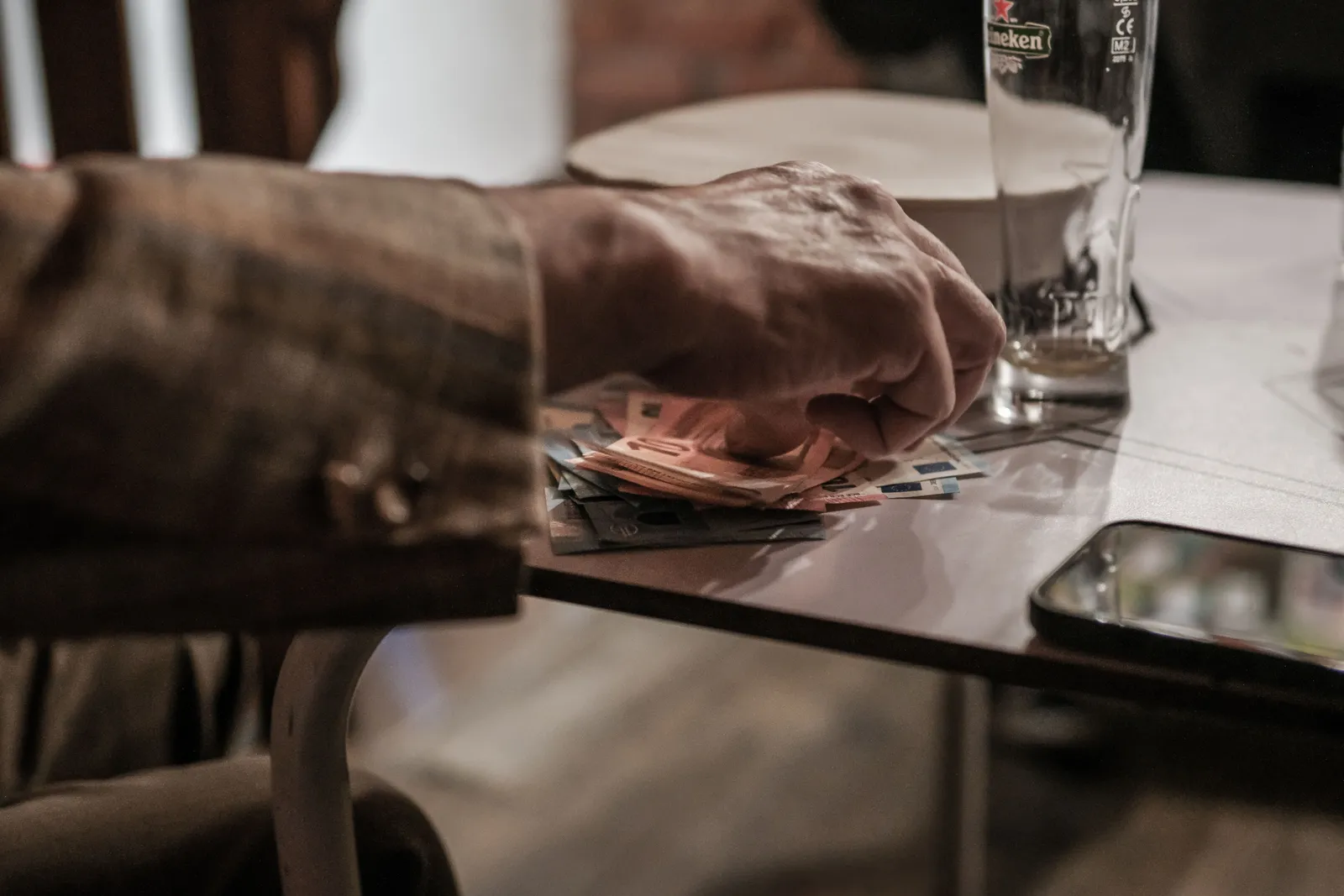
Different prices at the counter and the table. Standing at the bar is cheaper than sitting down, clearly and legally, in cafes across Portugal and much of southern Europe.
Tolls appearing later on your hire car bill, which is how the electronic motorway system works. Our guide to transport in Portugal covers how to check what your rental arrangement actually is.
Tourist menus in the busiest squares being poor value, which is a bad choice rather than a fraud, and is solved by walking two streets.
The genuine annoyances
Drug offers in central Lisbon, particularly in the old quarter and the main squares. Persistent, frequently selling fake substances, and ended by a clear no and walking on. Not dangerous.
Taxi overcharging at the airport and on tourist routes, solved by insisting on the meter, using a ride-hailing app, or taking the metro instead.
Bill padding in a small number of restaurants in the most touristed spots, which is caught by reading the bill rather than by suspicion.
Fake petitions and street games in the busiest squares, which are the same everywhere in Europe and work the same way.

Sensible precautions
Bag across the body, in front, closed. This alone handles most of it.
Phone in a front or zipped pocket, not a back pocket and not on a cafe table.
Split your money, keeping a card and some cash separate from the rest.
Photograph your passport and keep a copy somewhere separate.
Note your accommodation address in writing rather than only on the phone that might disappear.
File a police report the same day if something is taken, because your insurer will require it.
If something happens
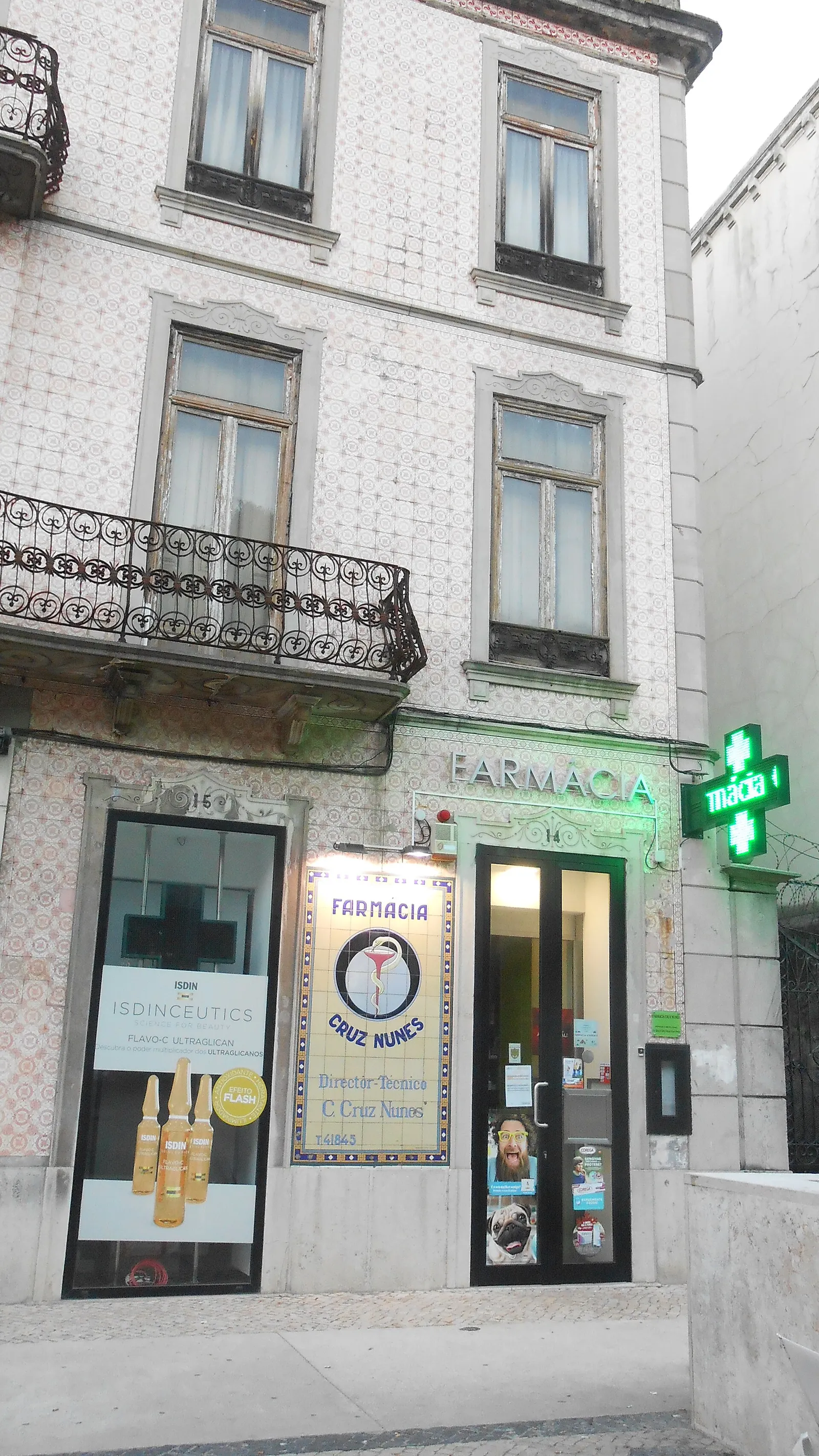
Call the European emergency number for police, ambulance or fire, where operators generally speak English. Our guide to emergency numbers in Portugal covers the details, the pharmacy system and what to do about a lost passport.
Cancel cards immediately through your bank app.
Report the theft to the police in person, and keep the report for the claim.
Contact your embassy for a lost passport, after the police report.
For the wider groundwork of a first trip here, from the money to the eating hours to what to expect on arrival, our beginner’s guide to Portugal covers what this page assumes.

The short version
Portugal is very safe and has one concentrated problem: skilled pickpocketing on the crowded tourist trams, in packed metro carriages and at busy viewpoints. Bag in front and closed, phone in a front pocket, extra alert when the tram is fullest. Know that the bread and olives on the table are a normal charge rather than a scam, and that standing at the bar is legitimately cheaper than sitting down. Say a clear no to the drug offers in central Lisbon and keep walking. And if anything is taken, file a police report the same day, because that is what your insurance will ask for.
Travelling alone raises questions the general safety picture does not answer. Our guide to solo female travel in Portugal covers the bases that suit it, the practical precautions and how people meet others here.