Portugal is small, has a fast railway down the middle of it, and gets slower and emptier the further you go from that line. That geography is the whole of the transport question: the cities and the main corridor are easy without a car, and the countryside that makes people fall for the country is not. Getting the split right saves both money and the particular misery of paying to park a hire car for three days in a city where you cannot drive it.
Trains
The Lisbon to Porto line is the country’s spine: fast, frequent, comfortable, reserved seating, and city centre to city centre. It beats driving on that leg comfortably.
Book ahead for the cheaper fares on the fast services, which are sold like airline tickets.
Regional trains are slower, cheaper, unreserved and reach many more places.
The Douro line from Porto up the river valley is one of the great scenic rail journeys in Europe and is worth taking for itself.
The Algarve has a line running along the coast between the main towns, slowly and cheaply.
Suburban lines from Lisbon reach Sintra and the coast at Cascais on ordinary tickets, which is what makes those day trips so easy.
Buses
The intercity coach network is comfortable, inexpensive and covers routes the railway does not, including several places visitors want.
Óbidos and much of the Alentejo are reached this way rather than by train.
Book ahead in summer on popular routes.
Local rural buses exist and run on timetables designed for residents, which frequently means one useful service each way per day.
Driving
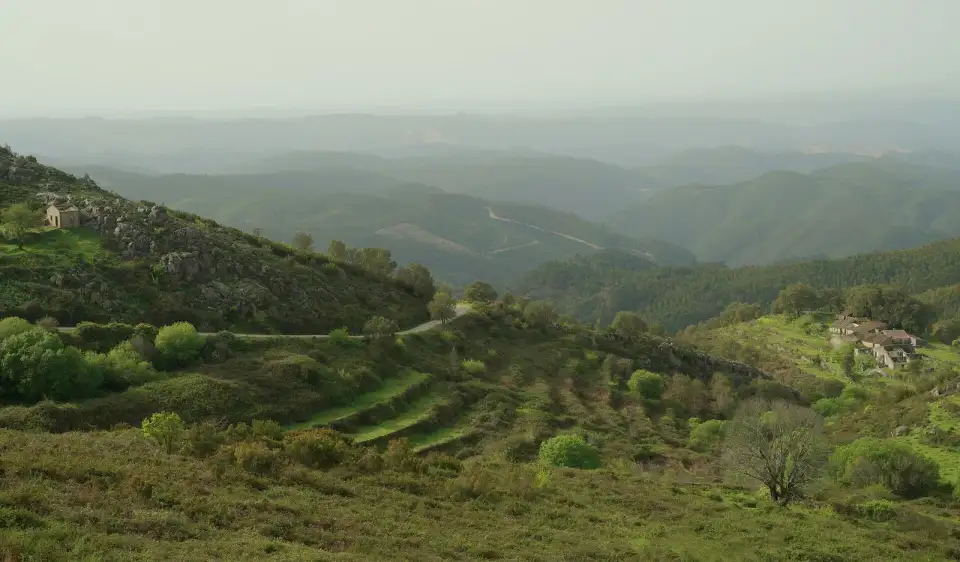
Where it earns its keep: the Alentejo, the Douro back roads, the west coast, the Algarve coves and any village that is not on a main road.
Where it does not: Lisbon, Porto, and any trip that is only city to city.
The roads are good. Modern tolled motorways, quieter national roads alongside them, and pleasant driving once you are off the main routes.
City centres are the difficulty, with narrow streets, steep hills and limited parking.
Our guide to car hire in Portugal covers the insurance, the excess and what to check before you sign.
In the cities
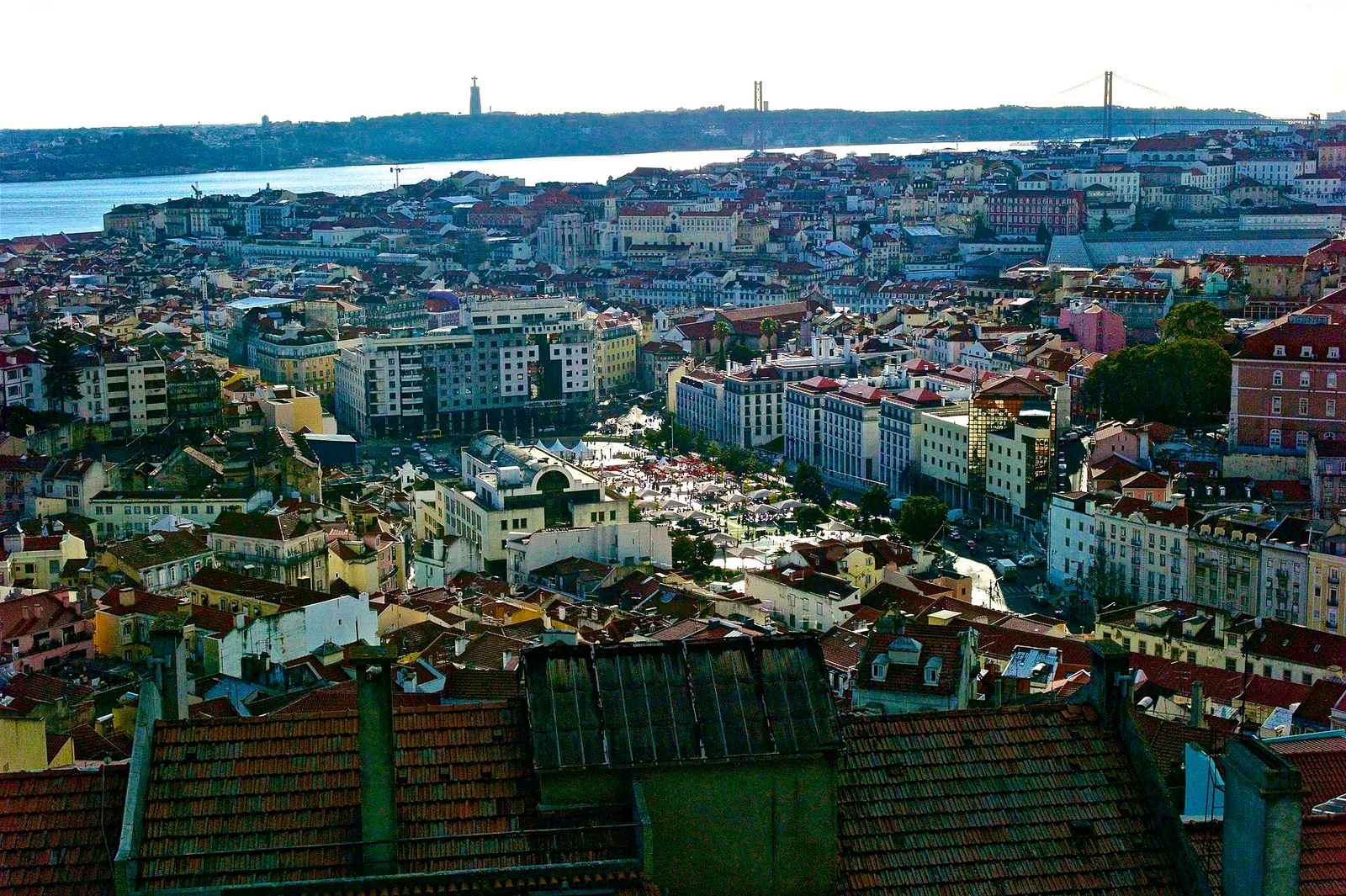
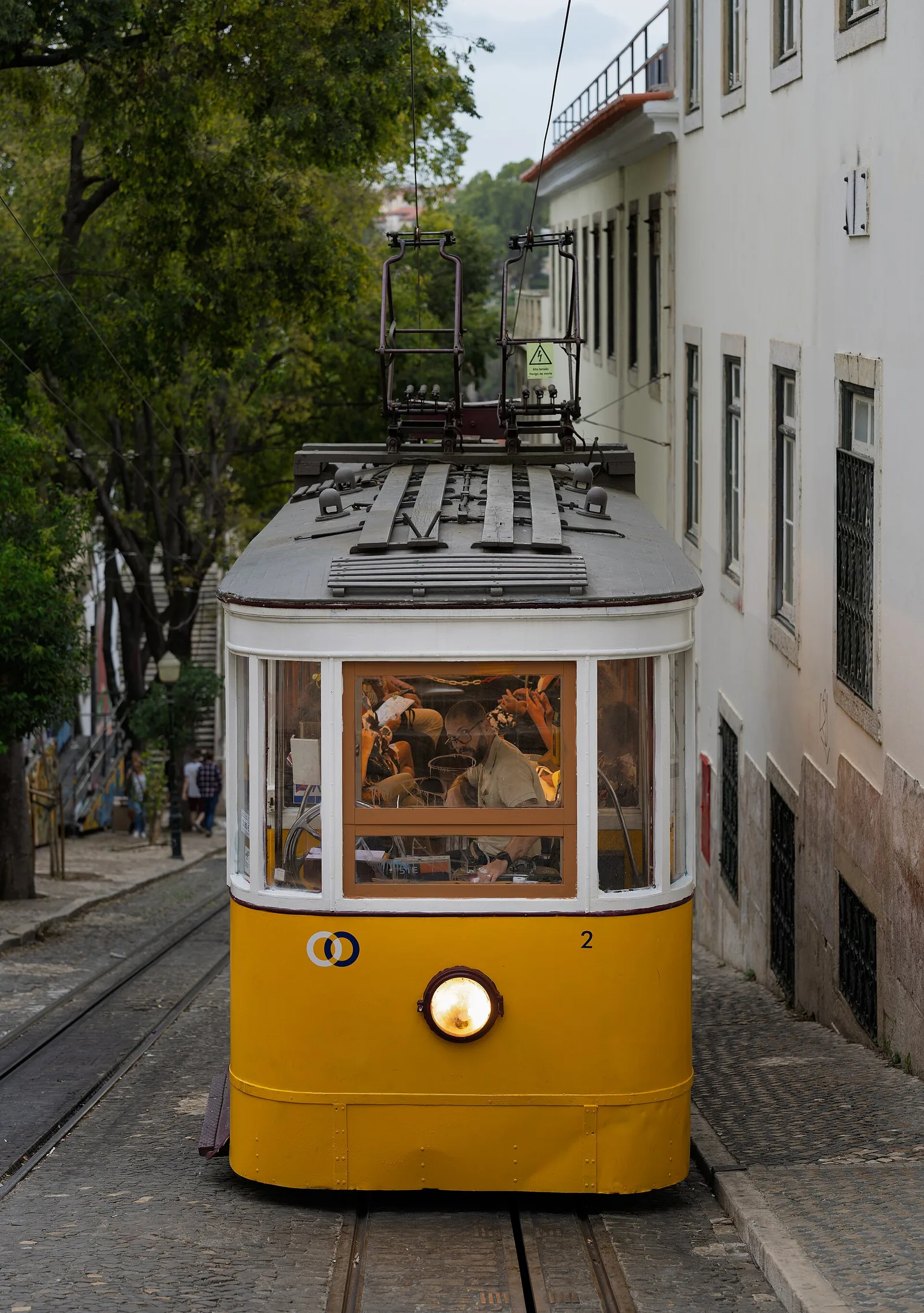
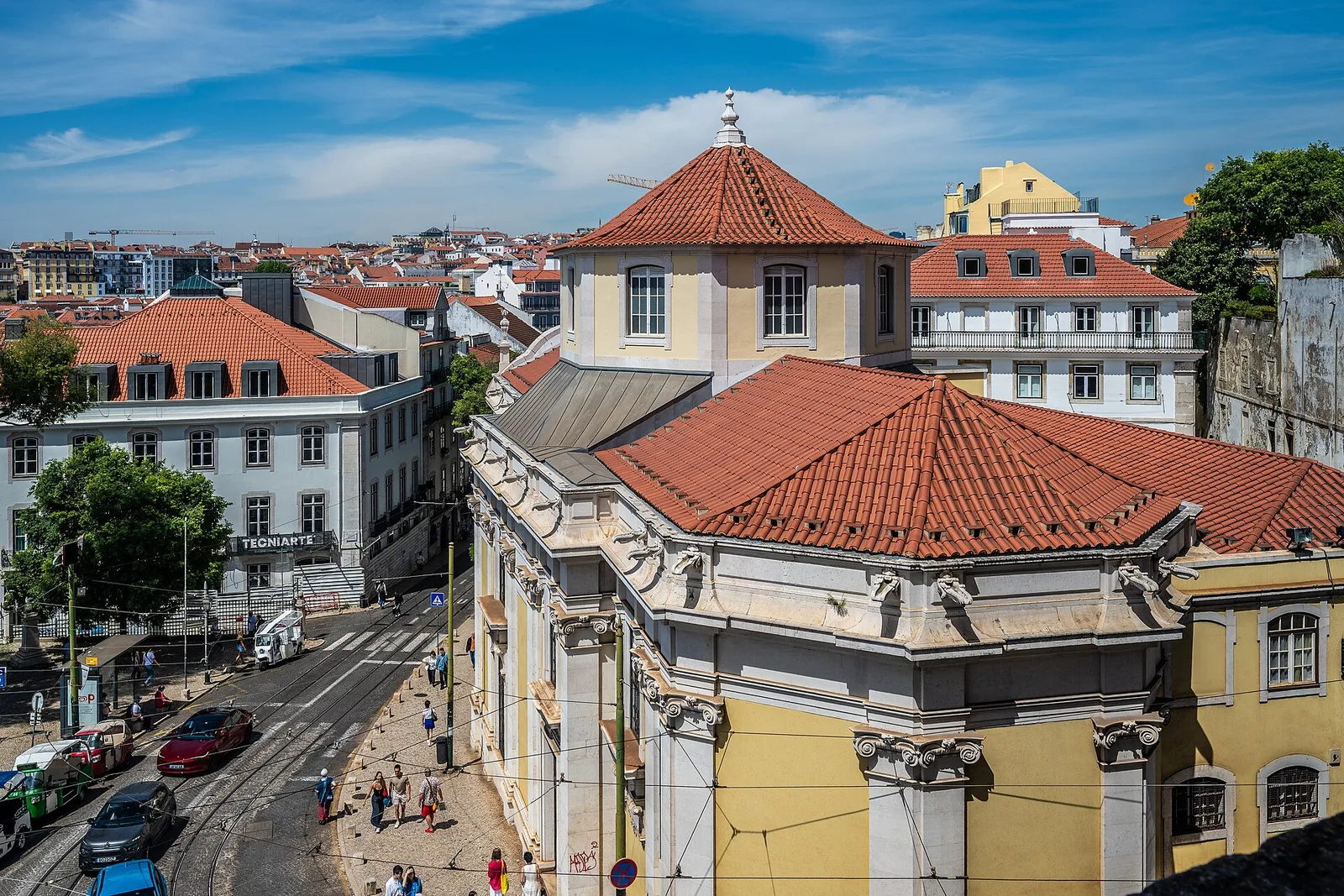
Lisbon has a metro, trams, funiculars, buses and a ferry, all on one rechargeable card, plus the famous tram routes that are also genuine transport.
Porto has a metro that crosses the river on the upper deck of the great bridge, plus buses and a historic tram line along the coast.
Both are walkable and both are steep, and in both the hills matter more than the distances.
Taxis and ride-hailing work in both and are inexpensive by western European standards.
Airports and arrivals
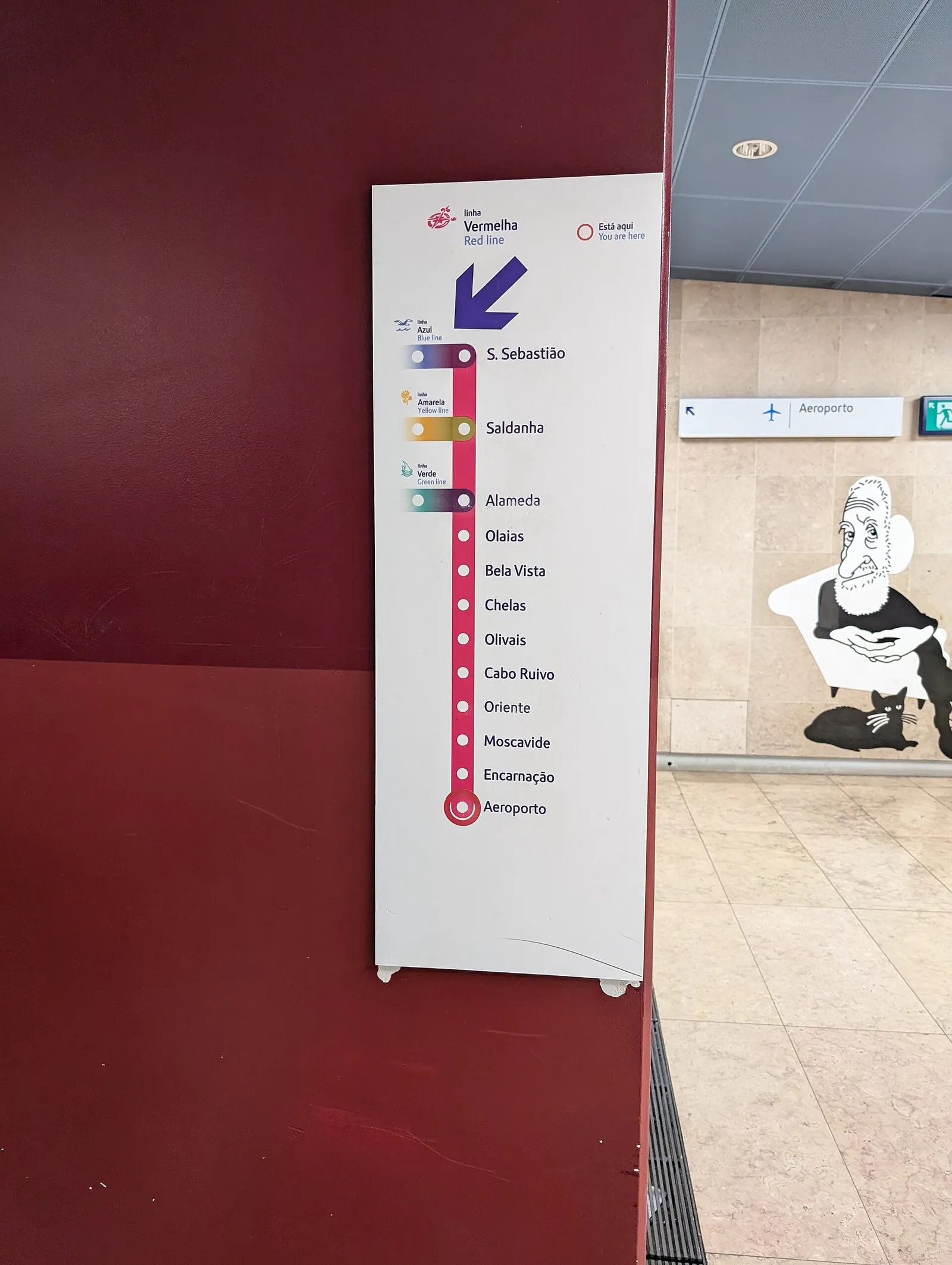
Lisbon and Porto both have international airports close to their city centres and connected by metro.
Faro serves the Algarve and is a short drive or bus ride from the main resort towns.
Open-jaw flights, into one city and out of the other, save a whole day of backtracking on a longer trip. Our two-week Portugal itinerary is built around exactly that.
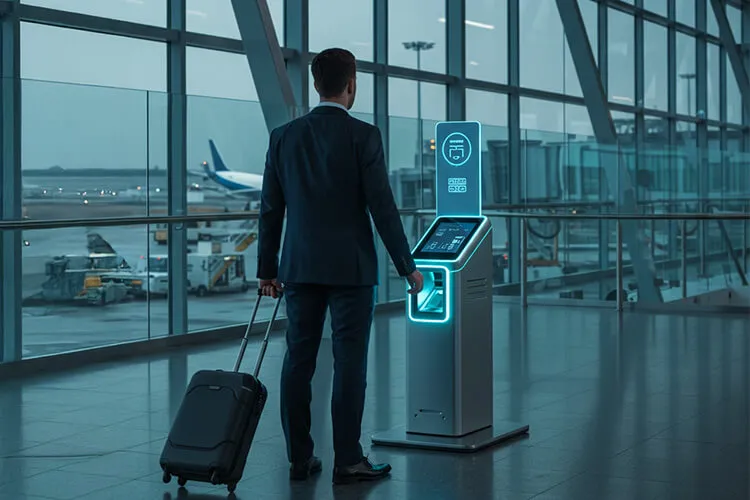
For the arrival itself and the options between the airport and central Lisbon, our guide to Lisbon airport transfers covers the metro, the bus and the taxi.
Practical notes
Rechargeable transport cards in both cities are cheaper than single tickets and are used across the whole network.
Validate regional train tickets where the system requires it.
Fuel stations close earlier outside cities.
Sunday services are reduced on both trains and buses, particularly in rural areas.
Distances are short by European standards, and the whole mainland fits inside a day’s drive end to end.
The short version
Take the fast train between Lisbon and Porto and use the metro and trams inside both cities, because a car there is an expense and a parking problem. Use the intercity coaches for Óbidos and the Alentejo towns, which the trains do not serve well. Hire a car only for the legs where the countryside is the point, picking it up as you leave a city and dropping it before the next one. And before you drive away from the desk, ask exactly how the electronic tolls are handled on your vehicle.