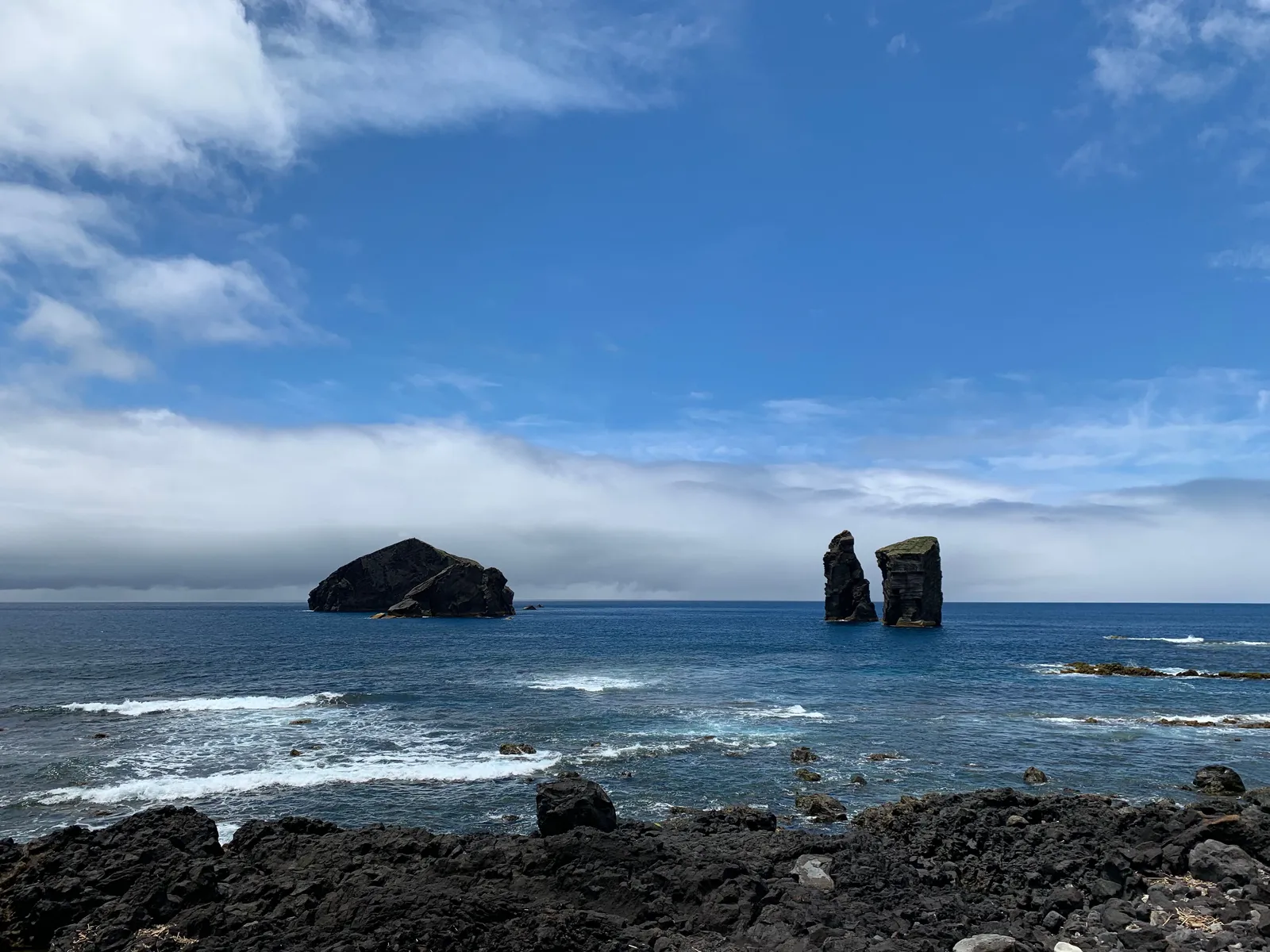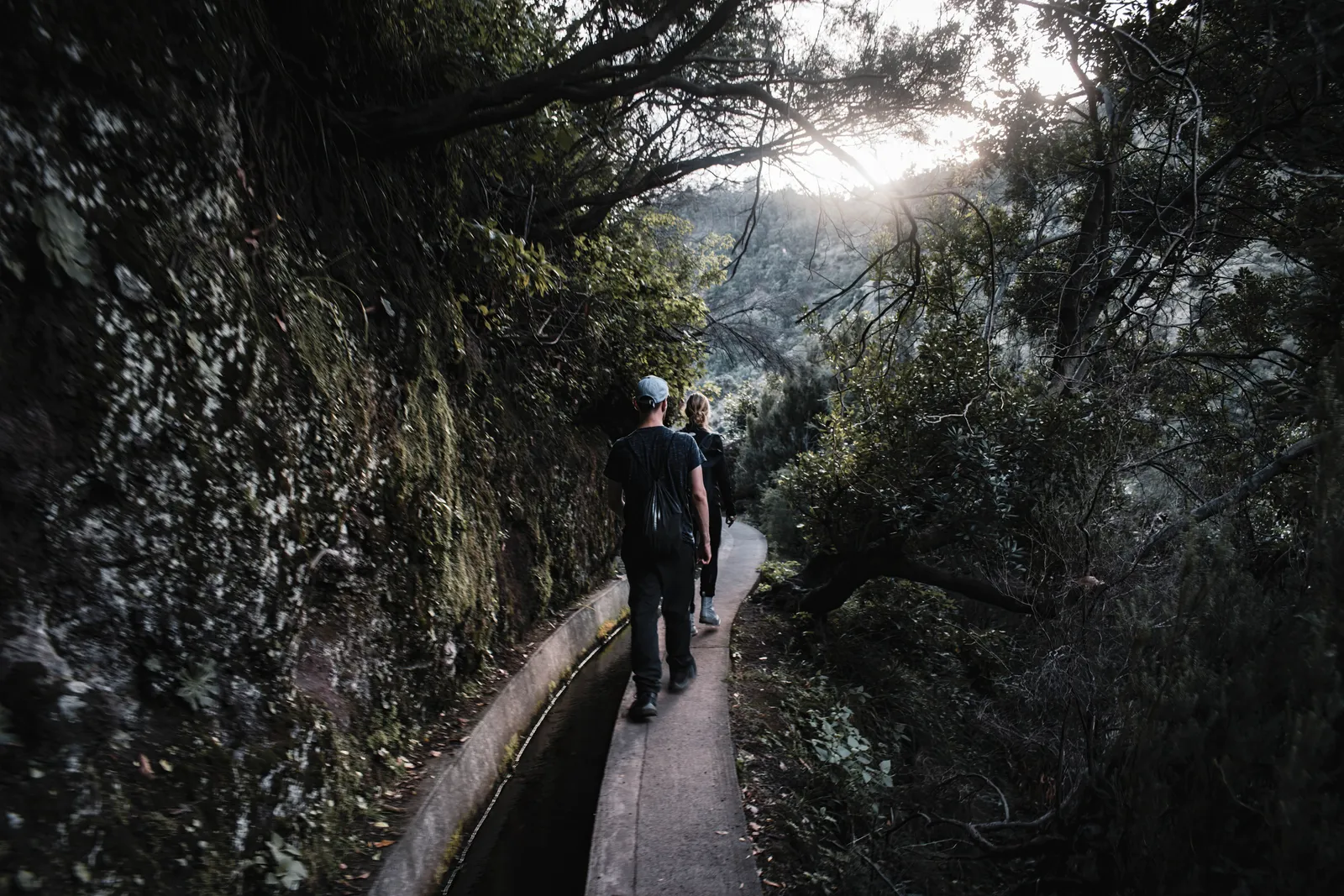
Madeira built its walking network by accident. The levadas are irrigation channels, cut by hand over centuries to carry water from the wet north of the island to the drier, sunnier south, and the narrow maintenance paths beside them turned out to be one of the great walking systems in Europe. Because the water has to fall gently, the paths follow the contour of the mountain rather than climbing it, which is why you can walk for hours here with a view over a ravine and barely gain any height.
What has changed is not the walking. It is the paperwork. As of 2026 you cannot simply drive to a trailhead and set off on the island’s headline routes, and the walkers who get caught out are usually the ones working from a guidebook written before the rules landed.
The booking system, and what it actually requires
Since 1 January 2026, a reservation has been mandatory on all classified PR trails on Madeira. These are the official signposted routes, the ones with a PR number on the marker post, and they include almost every walk a visitor has heard of.
Booking happens in exactly one place: SIMplifica, the digital services portal run by the Regional Government of Madeira. There is no counter at the trailhead, no ticket machine and no way to pay your way out of it once you have arrived. You pick the trail, the date and a 30-minute entry slot, which is the part people misread. The slot governs when you may start walking, not how long you may stay, so a late arrival can cost you the booking while a slow walker is under no pressure at all.
The standard fee is 4.50 euros per person per trail. If you book through an operator holding a protocol with IFCN, the island’s forestry and nature institute, it drops to 3 euros, normally folded into the guided walk price. Multi-day passes covering several trails are available through the portal too, which is worth a look if you are walking most days.
Who pays, and who does not
This is the detail worth stating precisely, because it is easy to get backwards. Madeira residents and children aged 12 and under are exempt from the fee, as are visitors with a recognised disability certificate at the qualifying threshold.
The exemption is based on residence, age or certified disability. It is never based on nationality. No passport gets you a discount here: an EU citizen, a British visitor, an Australian and a Canadian all pay the same 4.50 euros, and so does a Portuguese citizen who lives in Lisbon rather than on the island. Being exempt from the fee also does not exempt you from the reservation. Everyone in the party has to be entered into the booking, because the system is counting bodies through each entry slot, not payments.
PR1 is back, and it now runs one way
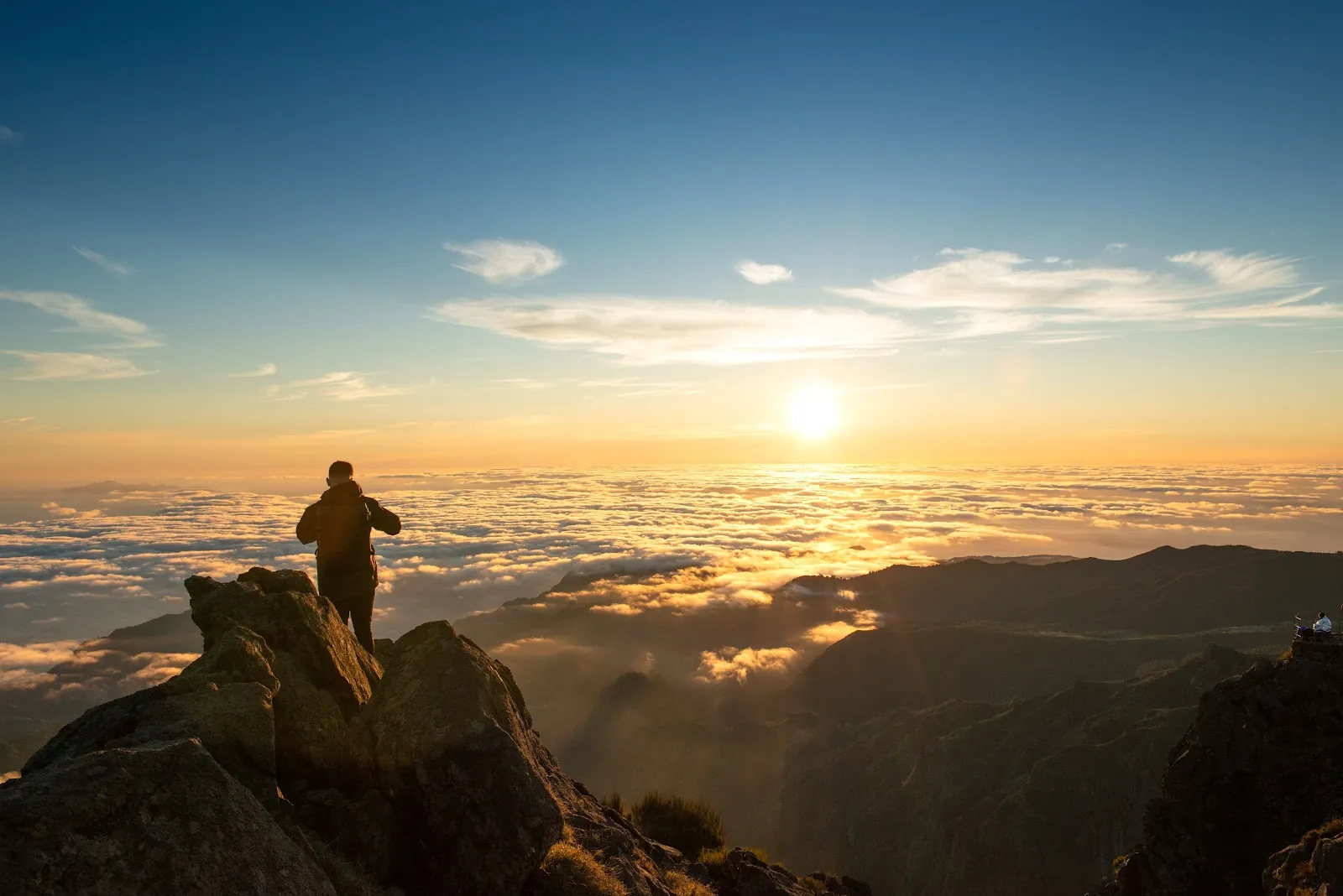
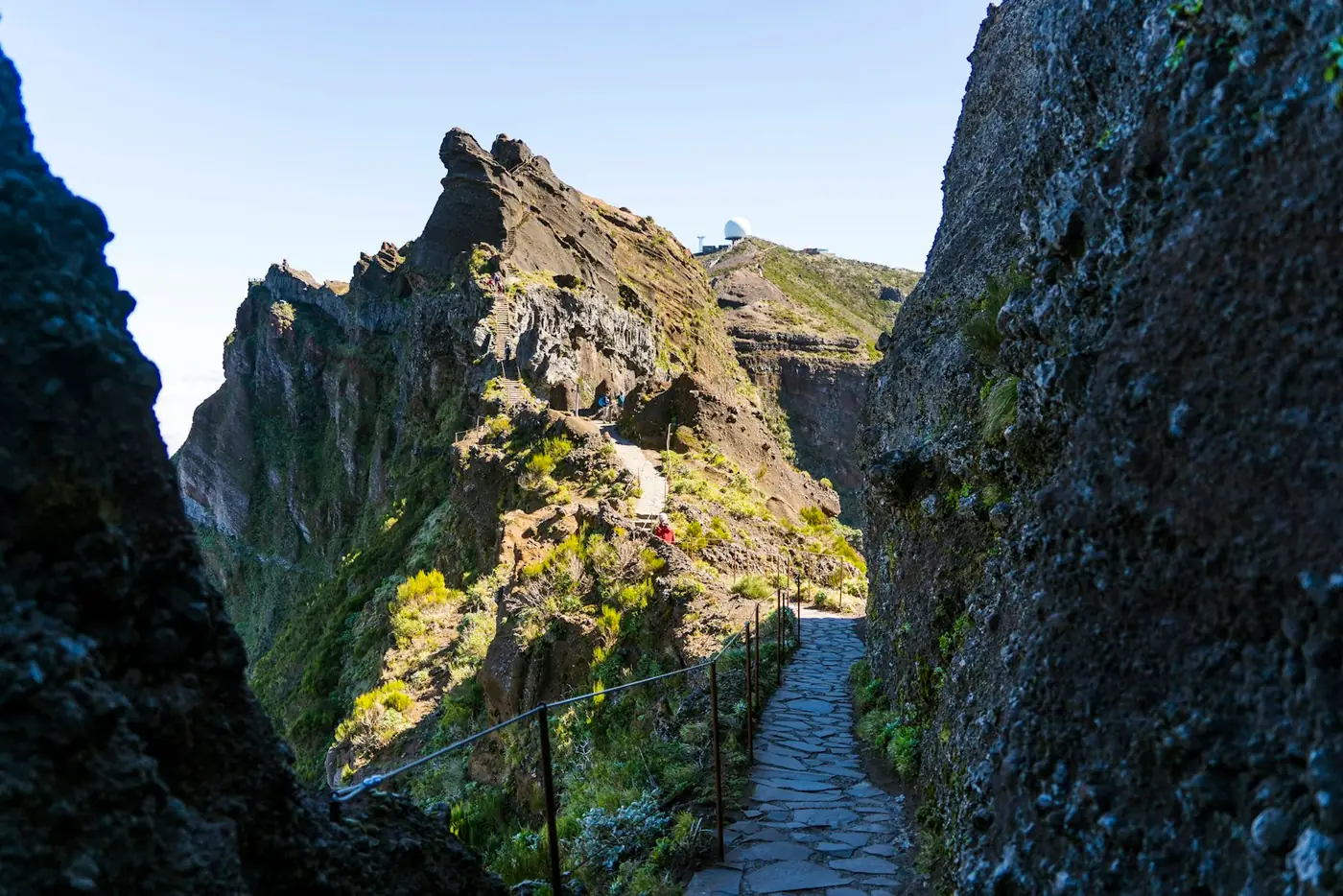
The island’s most famous high walk, PR1 Vereda do Areeiro, the ridge from Pico do Areeiro to Pico Ruivo, reopened in April 2026 after being shut since August 2024 in the wake of wildfire damage and rockfall risk along the central spine.
It came back with one change that rewrites the day. PR1 is now one way only, Areeiro to Ruivo. Walking it in reverse is no longer permitted, which quietly kills the way most people used to do it: drive to the Areeiro car park, walk the ridge, turn round and walk back to the car. That option is gone. You now need to solve transport at the far end before you start, whether that is a taxi, a pre-arranged transfer, a second driver or a guided walk that includes the pickup.
PR1 is also priced above the standard trail fee. Figures circulate in secondary write-ups, but the number to trust is the one SIMplifica shows when you book, so check it there rather than budgeting from a blog.
Choosing a levada that matches your nerve
Madeira’s trails are not interchangeable, and the gap between the gentle ones and the frightening ones is wider than the shared word “levada” suggests.
| Route type | What it feels like | Suits |
|---|---|---|
| Broad contour levadas | Shaded, near level, water at your side | Most walkers, families |
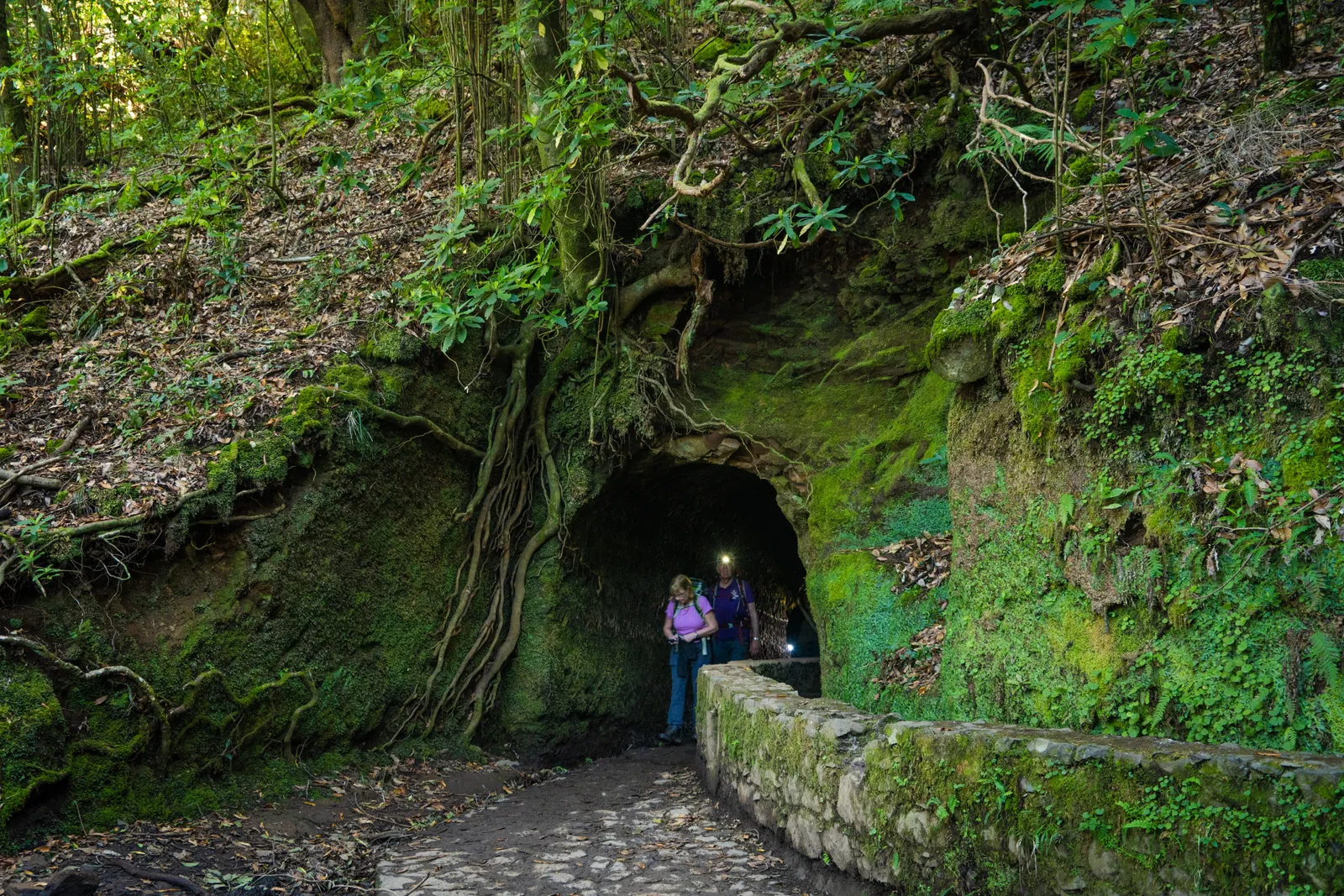
| Tunnel levadas | Unlit rock passages, wet underfoot | Anyone carrying a head torch |
| High ridge routes | Steps, exposure, real drops | Confident walkers with a head for heights |
Levada dos Balcoes and Levada do Rei sit firmly in the first group: broad, shaded and forgiving. Levada do Caldeirao Verde belongs in the second, with tunnels dark enough that a phone torch is not adequate. The ridge routes are a different sport altogether, with long drops protected by nothing more than a cable in places.
A guided walk solves the logistics and cuts the feeOperators with an IFCN protocol book the slot, handle transport at the far end and pay the lower trail rateWeather, timing and the cloud problem
The single most reliable thing about Madeira’s mountains is that they make their own weather. Cloud tends to build on the high ground by the middle of the day, which turns a spectacular ridge into a grey wall with the same view in every direction. Walking early is not a nicety here, it is the difference between the walk you booked and a damp corridor of fog.
The north of the island and the high interior are wetter than the south coast year round, so a clear morning in Funchal tells you very little about conditions at 1,800 metres. Carry a waterproof regardless. The island works as a walking destination in every season, and for how that fits the rest of the country our month by month guide to the best time to visit Portugal covers the mainland pattern, though Madeira runs to its own milder rhythm.
Getting to the trailheads
Almost every trailhead sits somewhere a bus does not usefully go. Services connect the main towns, but the mountain roads and the levada car parks are thinly served and slow, and a walk that starts at first light is rarely compatible with the timetable.
Most walkers hire a car, and the driving deserves respect: gradients are severe, the interior roads corkscrew, and older sections drop into unlit tunnels. A small car is far more comfortable than a large one on these bends. Our guide to renting a car in Portugal covers the paperwork and insurance questions, which apply on the island as they do on the mainland.
The one-way rule on PR1 changes this calculation specifically. A car parked at Areeiro is a car you finish the day a long way from, so either build in a taxi back or let an operator handle the shuttle.
Levada walking is still the best reason to come to Madeira, and the booking system has not spoiled it. It has simply moved one job to the week before you fly. Book the slot, pack the torch, start early, and read the trail description properly rather than the photograph. For the island in the round, from Funchal to the volcanic pools, our full Madeira travel guide is the place to start.