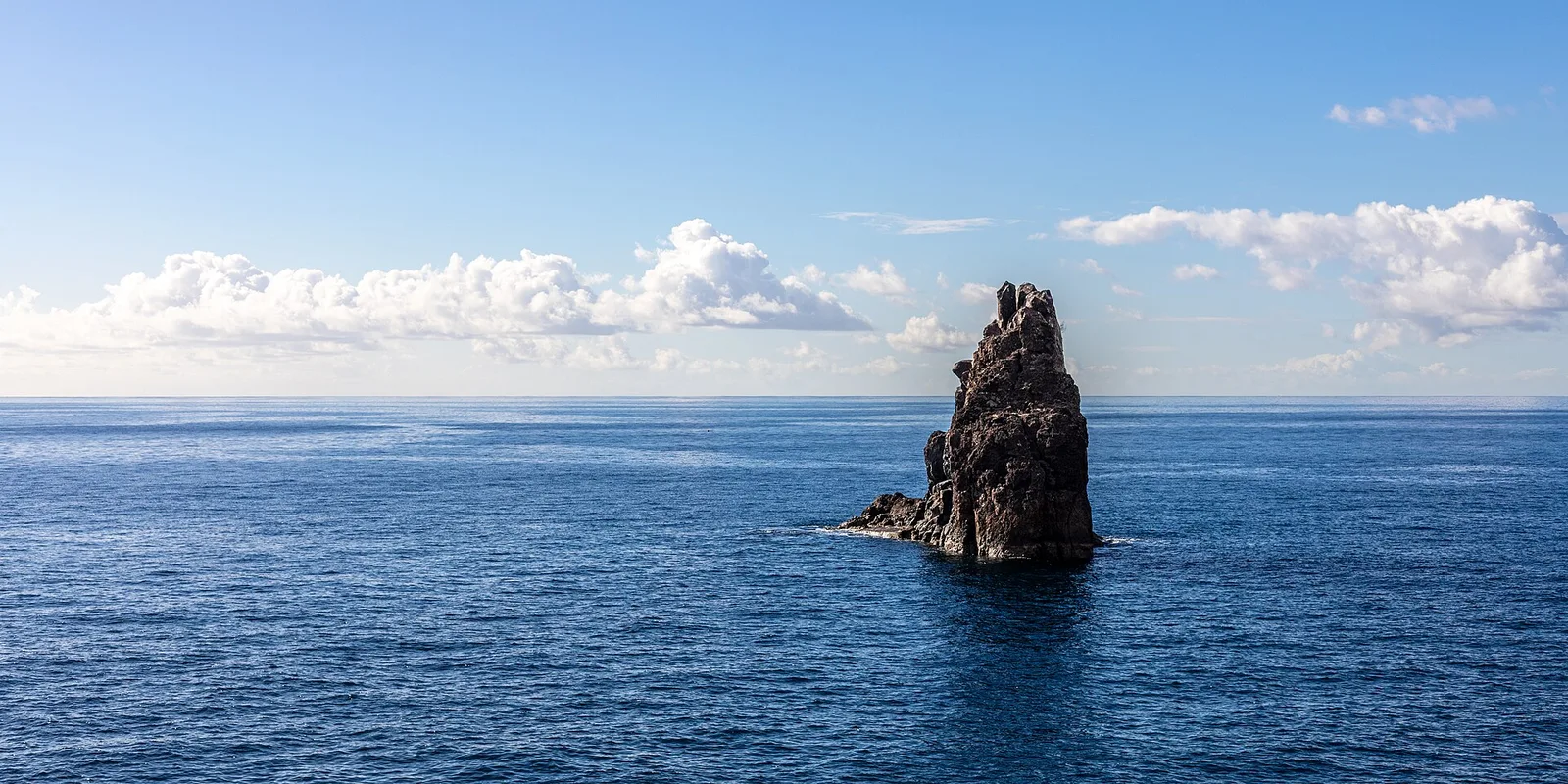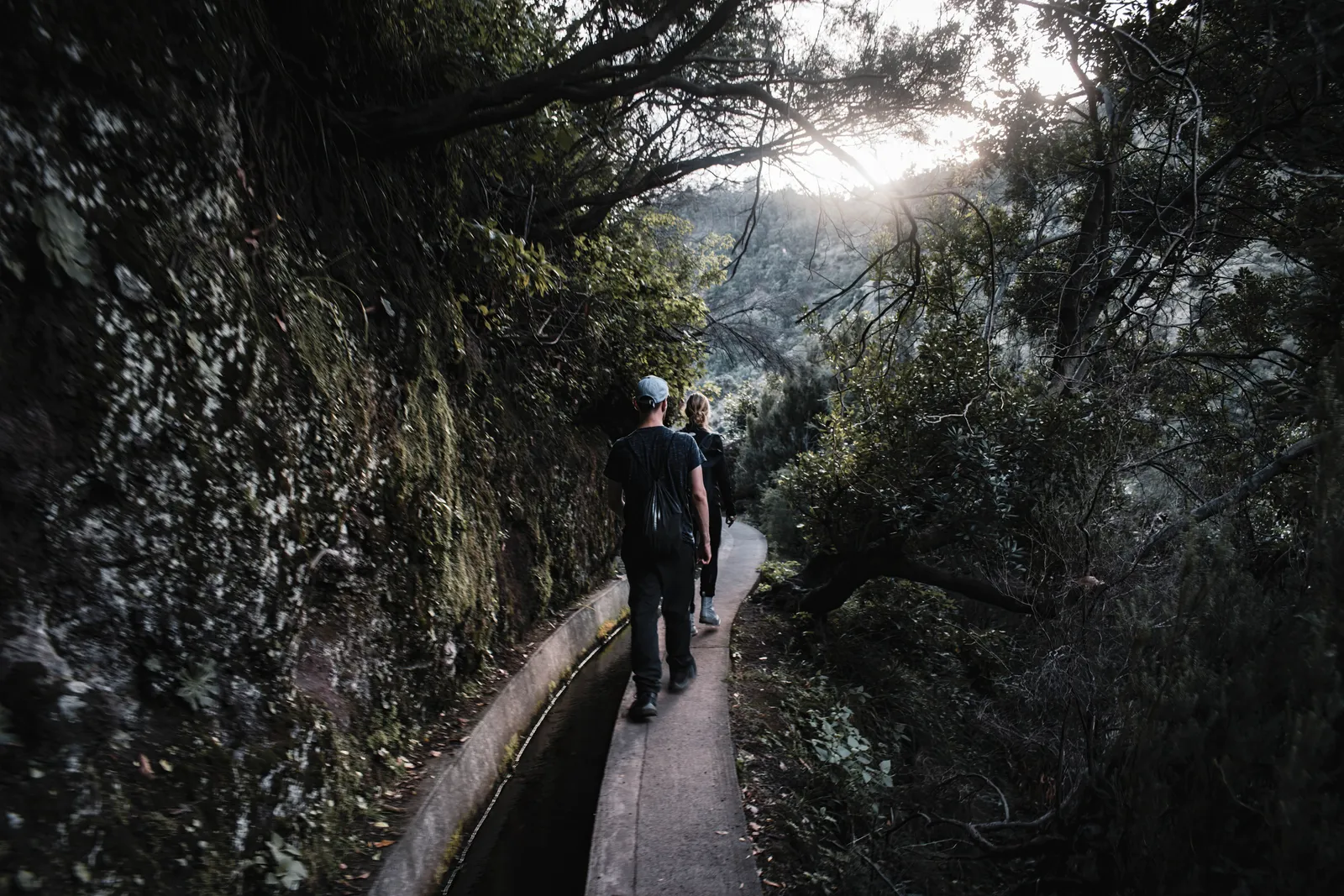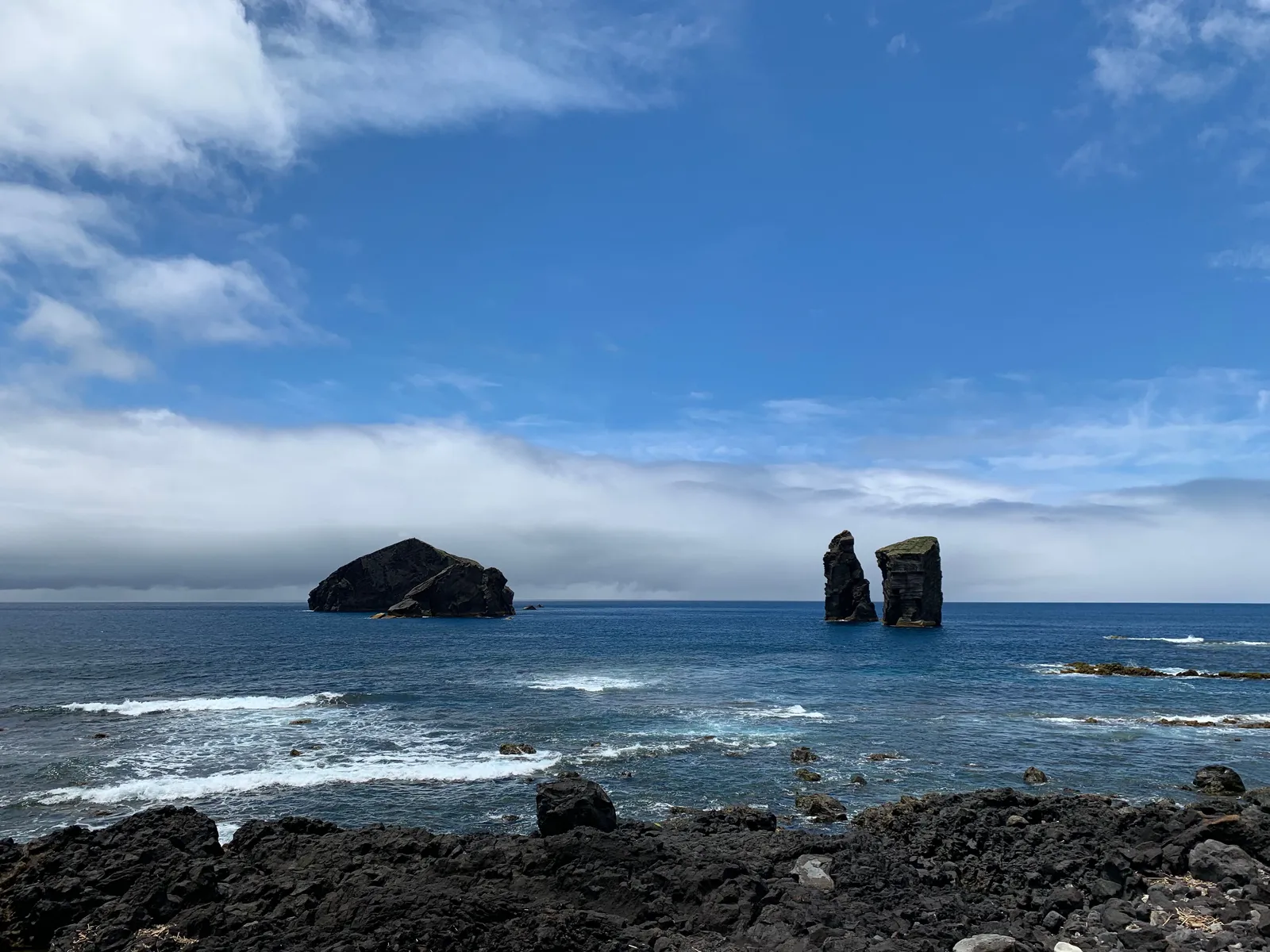
The Azores sit a long way from anywhere. Nine volcanic islands scattered across roughly 600 kilometres of open Atlantic, a couple of hours’ flight from Lisbon and closer to North America than most of mainland Europe, green because they are wet, and quiet in a way the Portuguese mainland rarely is. People often talk about doing the Azores the way they would talk about doing Madeira, a single island covered in a week. That comparison does not really hold up once you look at the map.
Nine islands is a lot of ground, and getting between them takes time and, usually, a short flight. Most first trips settle on São Miguel, the largest and best connected island, plus one more. That is not really a compromise, it is just how the geography works.
Three groups of islands
The nine islands split into three groups, and the split matters for planning. The eastern group has São Miguel, where almost every flight lands, and tiny Santa Maria. The central group is the busiest for island hopping: Terceira, São Jorge, Pico and Faial sit close enough together that a short flight or a summer ferry connects them, with Graciosa a little further out. The western group, Flores and Corvo, is the remotest of all, wet and green even by Azorean standards, and mostly visited by people who have already done the rest.
A trip built around São Miguel and one central-group island, reached by a short internal flight, covers a genuinely different pair of landscapes without turning into a logistics project.
São Miguel: where almost everyone starts
Ponta Delgada, the capital, is where flights land and where most people base themselves for a couple of nights. From there, the island’s set pieces are all a drive away.
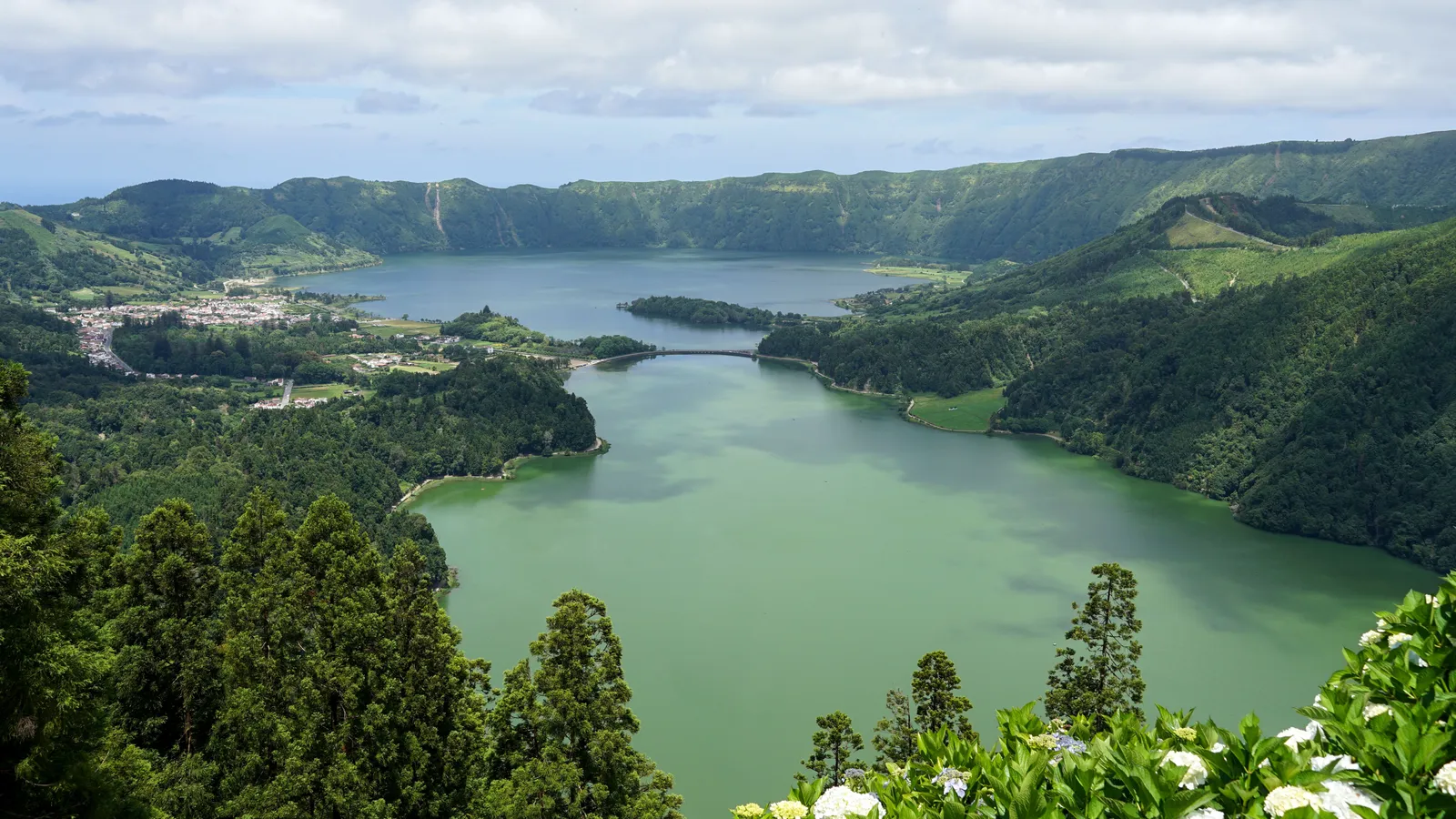
Sete Cidades is the one everyone has seen a photograph of without knowing the name: twin crater lakes, one tinted blue and one green, sitting inside a huge volcanic caldera, best appreciated from the miradouro above before you drop down to the small villages between them. Lagoa do Fogo, a smaller crater lake higher up the island, is quieter and often wrapped in cloud, which is part of its appeal rather than a problem.
Furnas, on the other side of the island, does something no other town in Portugal does: it cooks its Sunday lunch in the ground. Cozido das Furnas is a meat and vegetable stew lowered into holes in the geothermal soil in cloth bags and left to cook for hours on volcanic heat, then served in the village. Alongside it, the Terra Nostra botanical garden has a huge iron-stained thermal pool, warm, orange-brown and genuinely strange to swim in, set among tree ferns and camellias. On the island’s western tip, Ponta da Ferraria takes the same idea and puts it in the sea: a natural hot spring meets the open Atlantic there, and at low tide a rock pool forms where hot mineral water mixes with cold seawater. At high tide the same spot can turn rough, so check conditions locally rather than assuming it is always swimmable. Nearby, the Gorreana tea estate grows Europe’s only commercially produced tea, and the tasting room is free to visit.
Pico: the mountain and the vineyards
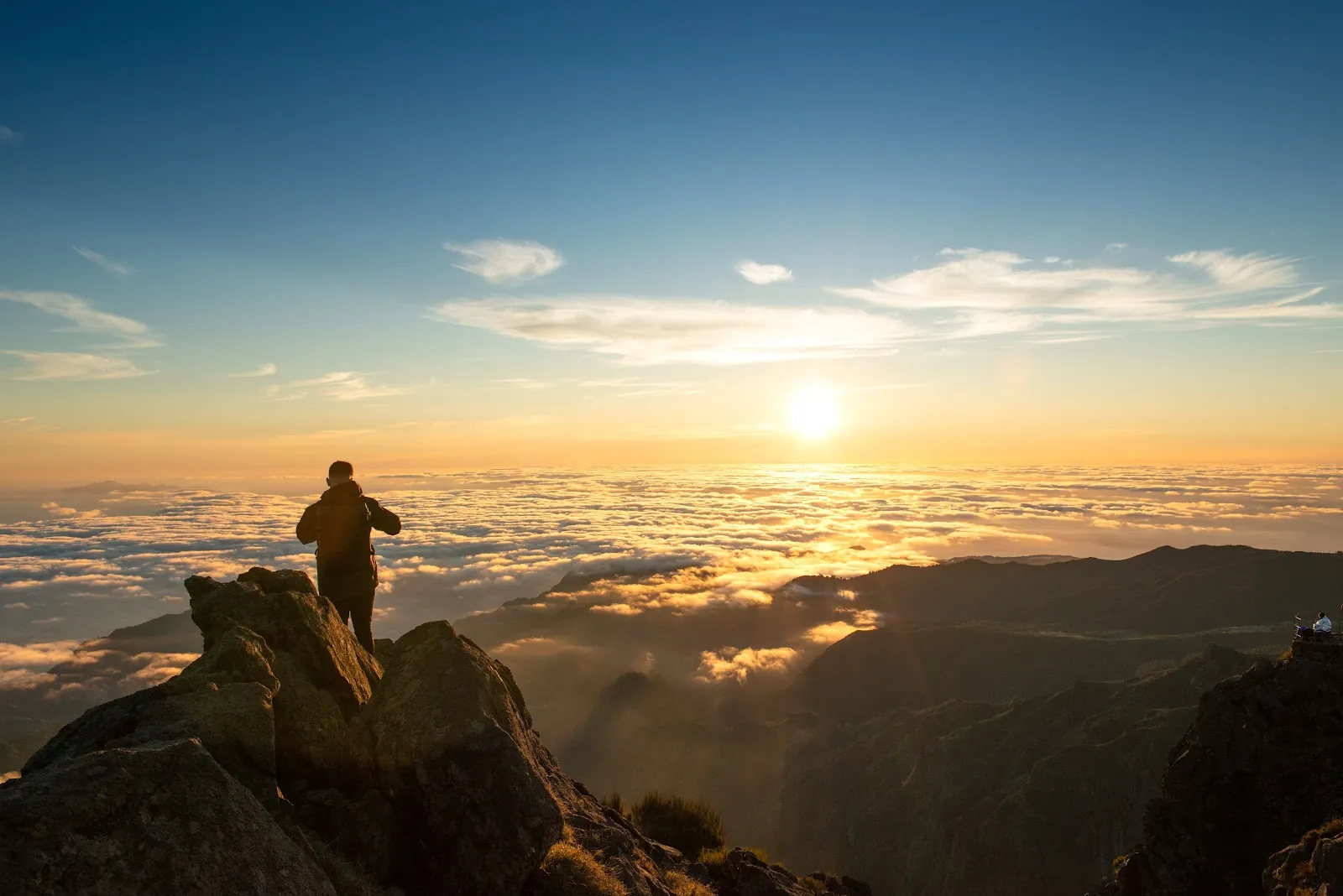
Pico is named for the mountain at its centre, Portugal’s highest point, a near-perfect volcanic cone that a fit walker can climb in a long day with the licensed guide the ascent requires. Most visitors admire it from below instead, and it is worth admiring: it dominates every view on the island, and much of neighbouring Faial too.
At sea level, Pico grows wine in a landscape unlike anywhere else in the country. Vines are planted inside small enclosures of stacked black volcanic stone, currais, that break the Atlantic wind and hold heat in the rock. The result, a UNESCO-listed cultural landscape, looks almost like a stone maze from above and produces a distinctive, mineral white wine worth tasting at one of the small producers near Madalena.
Faial and Terceira: two different characters
Faial, a short ferry or flight from Pico, is built around Horta, a marina with a genuine sailing tradition: for decades, yachts crossing the Atlantic have stopped here, and crews have painted their boat’s name onto the harbour wall for luck before moving on, leaving a patchwork of colour that covers the entire quayside. Above the town, the Capelinhos volcano, which erupted from the sea in the late 1950s and buried a lighthouse in ash, has a visitor centre built partly underground that explains what happened there.
Terceira, further east, feels different again. Angra do Heroísmo, its capital, is a UNESCO World Heritage old town of pastel façades and a harbour that once sheltered the Portuguese fleet on the way to and from the Americas. Inland, Algar do Carvão is a lava tube you descend into by staircase, opening into a cathedral-sized cavern with its own small lake at the bottom.
Whale and dolphin watching
The Azores sit on a migration corridor used by more whale and dolphin species than almost anywhere else in the world, and boats run from several islands, most commonly São Miguel, Pico and Faial. Sperm whales are resident year round, and migratory species pass through at different times. Reputable operators work with a spotter on land and follow approach rules that keep boats a respectful distance away, and none of them can promise a sighting on a given trip. Choose one that says so honestly rather than one that guarantees the whale.
Getting between the islands
Azores Airlines runs the inter-island flight network, and these short hops are the workhorse of any multi-island trip: frequent enough in high season, and worth booking ahead. Between the closest central-group islands, Faial, Pico and São Jorge, a summer passenger ferry adds a slower, cheaper alternative. A hire car is close to essential on whichever islands you land on; the sights are spread out and public transport is thin outside the main towns.
| Island | Known for | Typical time |
|---|---|---|
| São Miguel | Crater lakes, hot springs, tea | 4 to 5 days |
| Pico | The mountain, vineyard walls | 2 to 3 days |
| Faial | Horta marina, Capelinhos | 1 to 2 days |
| Terceira | Angra’s old town, lava caves | 2 to 3 days |
| São Jorge, Graciosa, Santa Maria, Flores, Corvo | Quiet and little visited | Best added on a longer trip |
Weather that changes by the hour, and by the side of the island
Pack for four seasons in a single day, because the Azores can genuinely deliver them. Cloud builds and clears fast at altitude, a sunny morning on the coast can sit under a grey cap on a crater rim twenty minutes’ drive away, and the windward and sheltered sides of the same island can be in completely different weather at the same hour. This is a feature of the geography rather than bad luck, and it is worth treating as a planning principle rather than something a forecast will solve for you: carry a waterproof, a warm layer and sun protection on the same day, and hold your outdoor plans loosely. For a wider sense of how Portugal’s climate varies by region and season, our guide to the best time to visit Portugal covers the mainland side of that picture.
The short version
Fly into São Miguel, spend four or five days working through Sete Cidades, Furnas and the hot springs, then take a short internal flight to one central-group island: Pico for the mountain and the wine, Terceira for the old town and the caves, or Faial for the marina and the volcano. Hire a car on each island you land on, book accommodation early, and treat the weather as changeable rather than plannable. Portugal’s other Atlantic archipelago, Madeira, gets compared to the Azores constantly, and the two are different enough in character and climate that we cover the choice properly in a separate comparison of Madeira and the Azores rather than repeating it here. Nine islands is too much for one trip; two, done properly, is not.