Lisbon goes out later than you do. That is the first thing to understand, and the second is that a great deal of the drinking happens in the street rather than in the bar, which makes a night here feel more like a party that spilled outdoors than a tour of venues. Here is how the evening actually runs, district by district, and the timing that decides whether you meet the city or miss it.
The timing, which is the whole thing
Dinner is at nine, and restaurants are still filling at ten.
Bars fill from eleven. Before that they are open and half empty, which is where the “Lisbon was quiet” reviews come from.
Clubs are pointless before two and busy from three.
It ends late, and the metro does not run all night, which is a planning detail rather than a problem in a city this walkable.
The practical consequence: do not go out at nine. Have dinner then, and treat eleven as the start.
Bairro Alto
The most distinctive night in the city and the one to do first.
A grid of narrow streets full of very small bars, most of which could not hold twenty people.
Everyone drinks outside. You buy at a counter, take the plastic cup into the street, and move on when you feel like it. The street is the venue.
It is mixed and cheerful, spanning students, thirty-somethings, locals and visitors, and it does not feel like a strip.
It is cheap, and the competition between bars keeps it that way.
It winds down around two, which is when the crowd moves downhill.
Cais do Sodre
Down by the river, and where the night goes after Bairro Alto.
A more concentrated bar scene, including a famous former red-light street that has been a nightlife strip for years now, with venues packed along it.
Clubs are here, along the riverfront, and this is where a late night actually happens.
It is louder and later than Bairro Alto and less about wandering.
It is walkable from Bairro Alto, downhill, which is the natural direction of a Lisbon night.
The other kinds of evening
Not every Lisbon night is a bar crawl, and two alternatives are worth knowing.
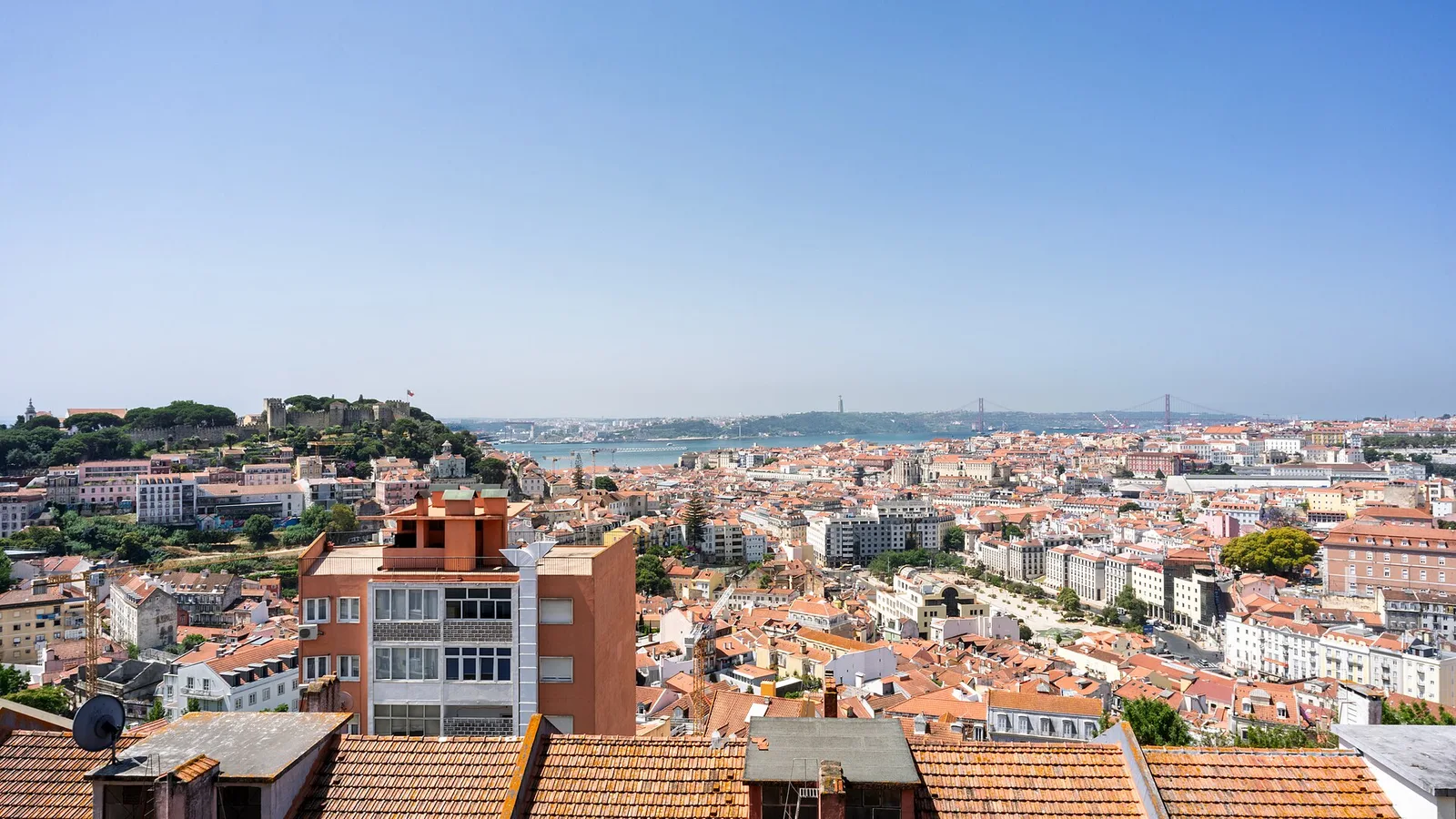
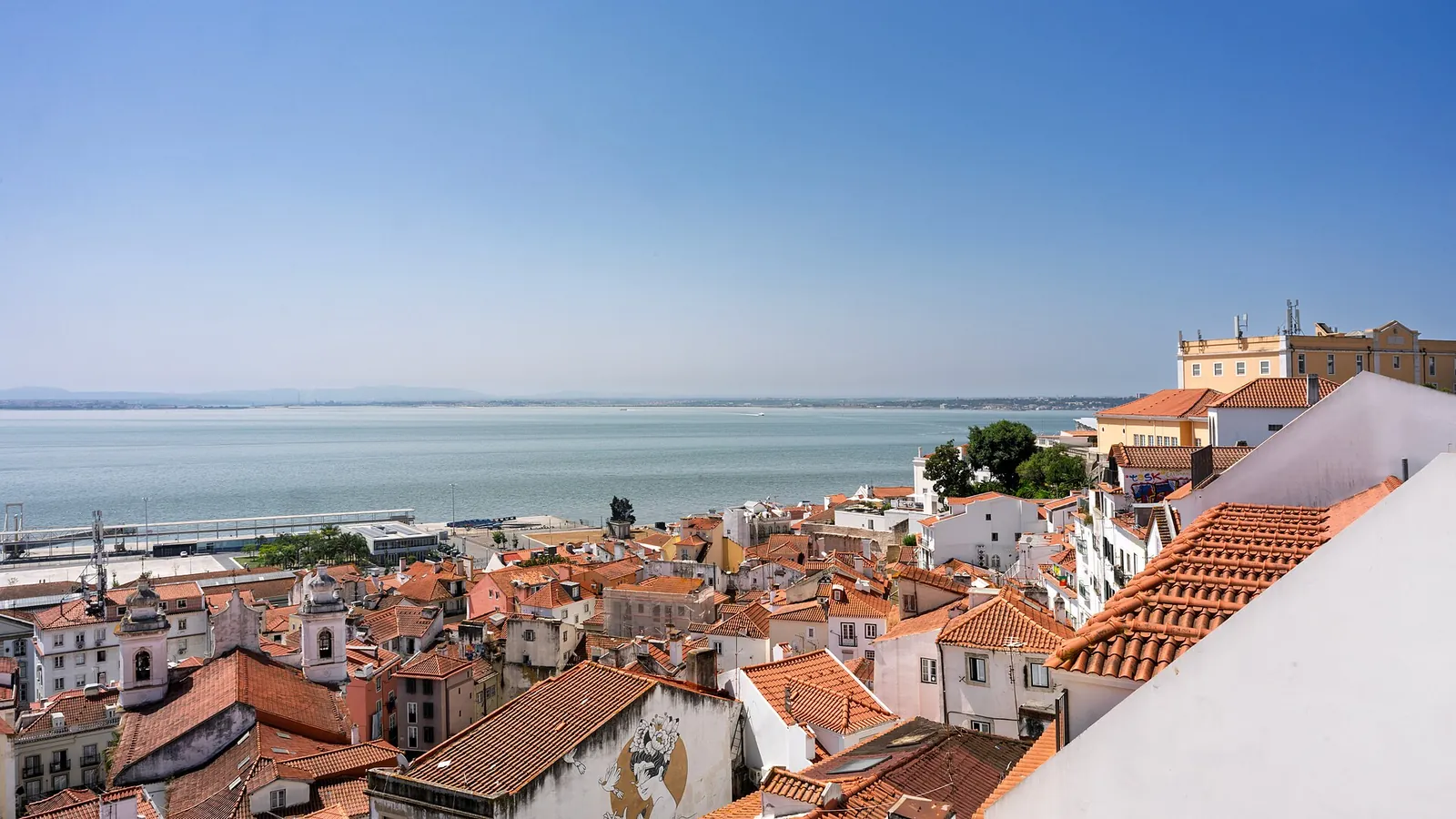
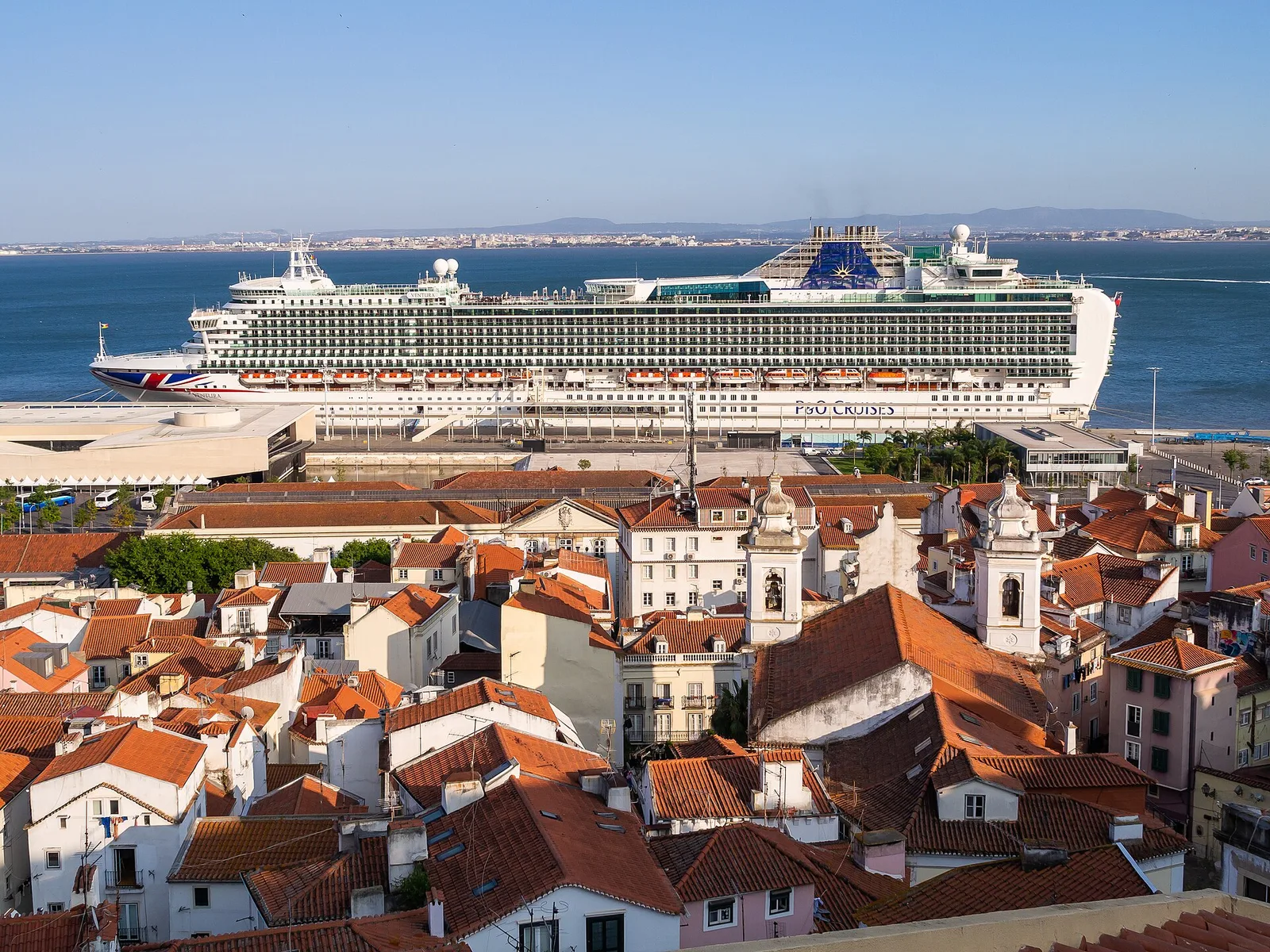
Sunset from a viewpoint. The city’s miradouros are free, they are where locals go with a beer from a kiosk, and the light over the rooftops and the river is the best free thing in Lisbon.
Fado. The older, quieter evening, in a small room with a guitar and a singer, and it is a completely different experience from the bars. It also has a strong tourist-trap version, which is worth avoiding deliberately: our guide to finding real fado in Lisbon covers the difference.
Rooftop bars are a genuine Lisbon speciality and are priced accordingly.
Kiosks in the squares serve drinks outdoors from late afternoon and are the gentlest version of a Lisbon evening.

Practical notes
Getting home is usually a walk, which is fine and is uphill. The metro stops before the night does, and taxis and ride apps work.
Cash is useful in the smallest bars, though cards are widely taken.
Watch your pockets in the crush on the busiest streets, which is the one recurring nuisance rather than a danger.
The hills matter even at night. Cais do Sodre is at the bottom and Bairro Alto is at the top, and doing it in the other order is a climb at two in the morning.
Noise is a real consideration if you are sleeping nearby; our guide to where to stay in Lisbon covers which districts are quiet and which are not.
Fitting it into the trip
A Lisbon night out is a late night, and it does not pair with an early start.
The city’s best day trip needs the first train of the morning, which makes the night before it the wrong night for Bairro Alto. Plan the late one for a day with nothing booked, and the early one for the day you have.
For the rest of the city, its neighbourhoods and what is worth your daylight, our Lisbon guide covers the ground.
The short version
Do not go out before eleven, because nothing is happening and you will conclude the city is quiet. Start in Bairro Alto, where the drinking is in the street and the bars are tiny, then move downhill to Cais do Sodre for the later half. Do one rooftop for the sunset and buy the rest of your drinks at street level. Save fado for a different evening entirely, and do not book Bairro Alto for the night before an early train.
Lisbon has an established queer scene concentrated in a couple of neighbourhoods rather than spread across the city. Our guide to LGBTQ+ Lisbon covers where it is, the nightlife and Pride.