Lisbon is one of the best-value cities in Western Europe to eat in and one of the easiest to eat badly in, and the two facts share a cause: the good places are plain and unmarketed, and the places facing the famous squares are neither. The gap between a fifteen-minute walk and no walk at all is enormous here. Here is how the city eats and how to eat with it.
The tasca is the whole answer
If you learn one thing about eating in Lisbon, learn this word.
A tasca is a small, plain, family-run restaurant: paper tablecloths, a handwritten or spoken menu, a television on in the corner, house wine in a jug, and food that has been made the same way for decades.
They are cheap, dramatically so compared with the smart places a street away.
They are better. Grilled fish in a tasca is the version of grilled fish that made this city’s reputation.
They are full of locals at lunchtime, which is the only quality signal you need.
They do not look promising from outside, which is precisely why they survive.
The single most reliable method in Lisbon is to walk two streets away from anywhere famous and eat at the busiest plain-looking place you find.
What to order
Grilled fish, which is the thing to have at least twice. Whole, salted, grilled over charcoal, served with potatoes and greens and nothing else. Sea bass, bream, and in summer sardines, which are a genuine seasonal event here.
Bacalhau, salt cod, in one of its many preparations. It is the national dish and it appears in dozens of forms.
A bifana, a pork sandwich in a soft roll with a garlicky sauce, eaten standing up for the price of a coffee, and one of the great cheap lunches anywhere.
A prego, its beef equivalent, traditionally eaten after a fish dinner rather than instead of one.
Petiscos, the Portuguese small plates that are not quite tapas, and the best way to eat in a group.
Vinho verde in summer, and the reds of the Douro and the Alentejo the rest of the year. Our guide to Portuguese food and wine covers the drinking side properly.
Where the good eating is
Rather than a list of names that will be out of date, the geography is the useful part.
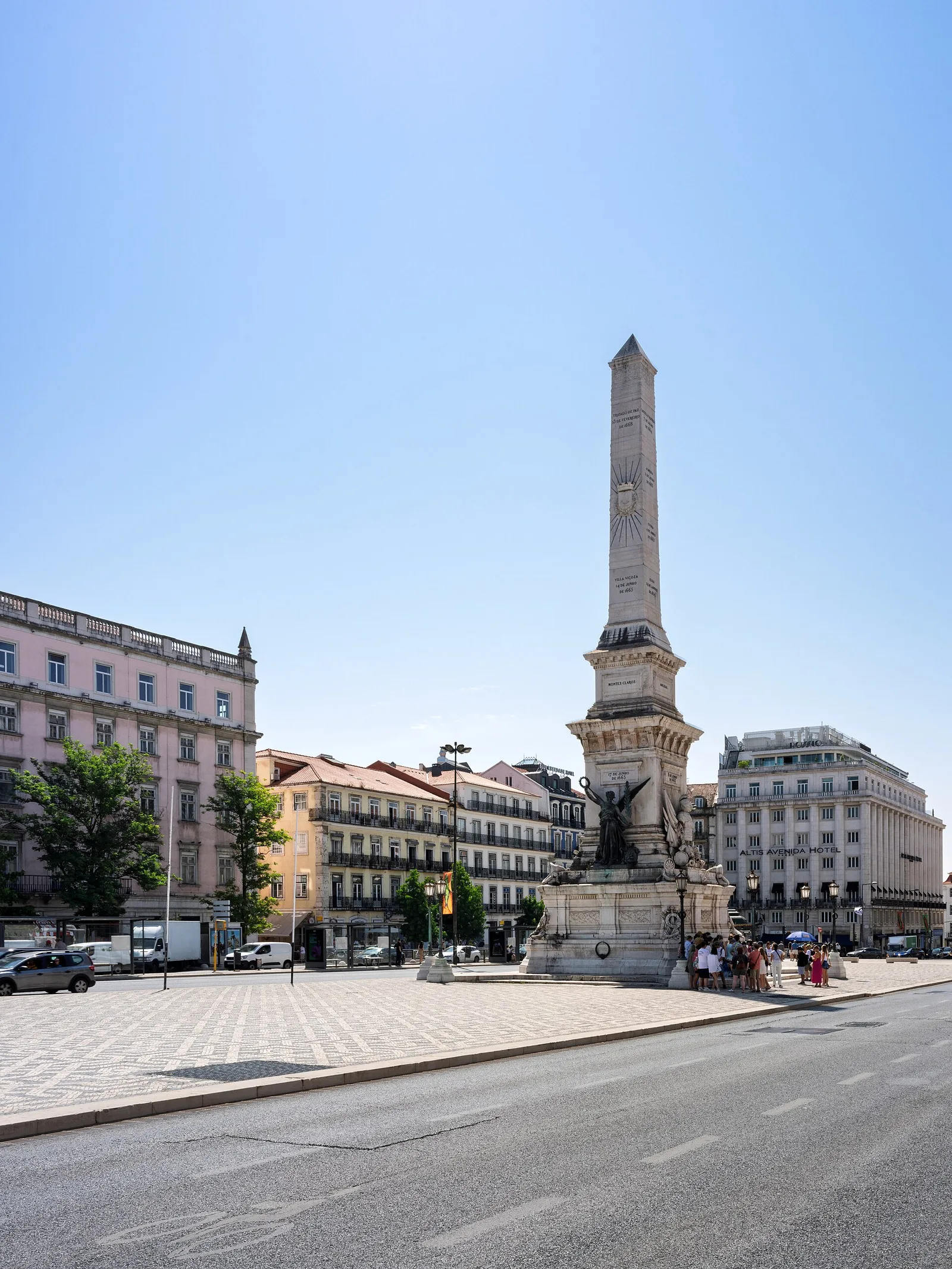
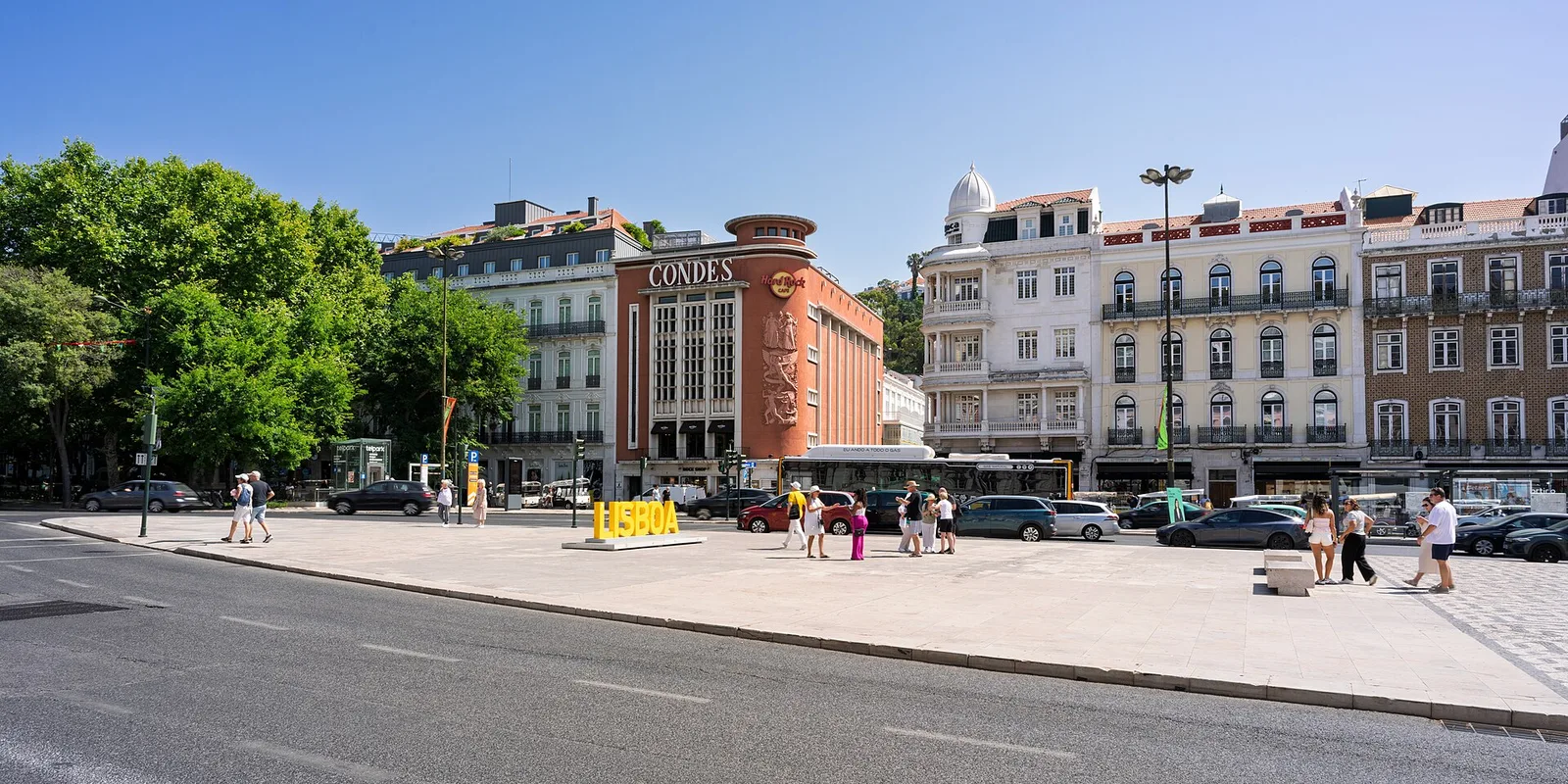
Away from the famous squares, always. The restaurants facing them are the worst value in the city and are the reason some visitors think Lisbon eats badly.
Up in the residential quarters above the tourist centre, where the tascas serve the people who live there.
Along the market streets, where the produce is bought and the small places cook it.
In the old quarters after dark, where the fado rooms and the small kitchens sit side by side; our guide to finding real fado covers that pairing, which is one of the better evenings available here.
The markets
Lisbon has two kinds and they serve different purposes.
The food-hall market near the river gathers well-known chefs and stalls under one roof, and it is lively, convenient, and priced for that. It is genuinely useful when a group cannot agree, and it is not where the best value in the city is.
The neighbourhood produce markets are the other kind: fruit, fish, vegetables, and a few counters cooking. These are where the city shops, they are open in the morning, and they are considerably more interesting.
Timing and practicalities
Lunch from one, dinner from nine. Arrive at seven and you will eat alone in a room that has not warmed up.
The menu of the day at lunchtime is the best value meal in Portugal: a set plate with bread, a drink and coffee, aimed at local workers and priced for them.
Book the well-known places, particularly at weekends and in the shoulder seasons. Do not book a tasca; just arrive early in the service.
Cash is still useful in the smallest places.
Coffee is a standing habit, taken at a counter in a mouthful, and ordering it to sit at a terrace table costs more for the same cup.
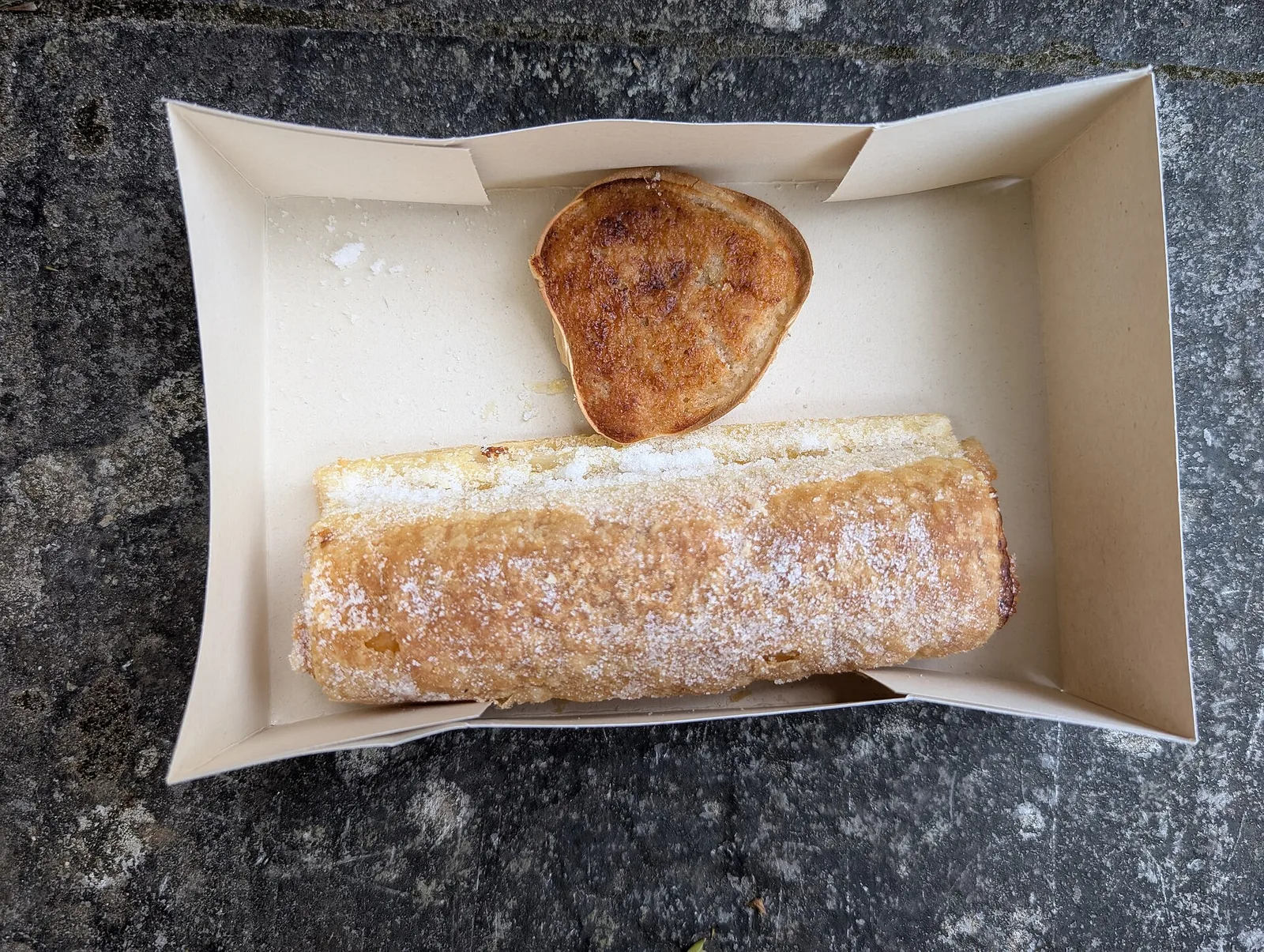
Finish with a pastel de nata, which deserves its own consideration entirely; our guide to pastéis de nata and Belém covers where the famous one comes from and whether the queue is worth it.
And start the day somewhere else entirely. None of the restaurants on this page serve breakfast, because in Portugal that meal belongs to the pastry shop on the corner and takes four minutes standing at a counter; our guide to breakfast in Portugal covers the coffee vocabulary and why the hotel buffet is usually the wrong choice.
The short version
Eat at tascas, which are plain, cheap, family-run and better than the smart places beside them, and find them by walking two streets from anywhere famous and picking the busy one. Order grilled fish, salt cod and a bifana. Remember that the bread and olives on the table are charged for and say no if you do not want them. Eat lunch at one and dinner at nine, take the set lunch menu when you see it, and treat the big food hall as convenience rather than as the city’s best.