Visitors sometimes expect Portugal at Christmas to look like a postcard from further north: markets, mulled wine and streets full of people out celebrating on the 24th. The reality is quieter and more interesting than that. Christmas Eve here is a family evening behind closed doors, and it is New Year, not Christmas, that spills out onto the streets. Understanding which is which changes how you should plan a trip around either date.
Christmas Eve: a family evening, not a night out
The main event of the Portuguese festive calendar is consoada, the Christmas Eve dinner, and it happens at home around a family table rather than in restaurants or public squares. It is the Portuguese equivalent of the evening northern Europeans might spend on Christmas Day itself, and it means the 24th is a genuinely quiet night to be out and about in a Portuguese city, since much of the population is indoors with relatives.
This surprises a lot of first-time visitors who arrive expecting some version of a lively Christmas Eve out on the town. If your trip lands on that specific evening, plan for a low-key night: book a hotel restaurant or one of the small number of places that cater to travellers, and treat it as an early night rather than an evening out.
The meal itself is built around bacalhau, salt cod, cooked simply with boiled potatoes, cabbage and hard-boiled egg rather than dressed up in a heavy sauce. It is a plainer dish than the festive centrepieces of many other European tables, and its simplicity is part of the point, a dish every generation of the family grew up eating rather than an occasion for culinary showmanship. Dessert brings out bolo rei, a ring-shaped fruit cake, and a run of other traditional sweets that vary considerably from household to household.
Christmas Day and the days around it
Christmas Day itself is calmer still, closer to a national holiday than a spectacle, with many businesses closed and the streets notably empty compared with a normal day. The days either side pick back up gradually, and by the days before New Year the cities feel busy and festive again, with visitors and locals both out and about.
This makes the stretch between Christmas and New Year an interesting one to plan around: expect a genuinely quiet day or two right on the 25th, framed by livelier days before and after it. A useful comparison is the Algarve, where the same slow winter mood settles over the coast for months rather than days rather than just a single week around the holiday itself.
The lights and markets in the cities
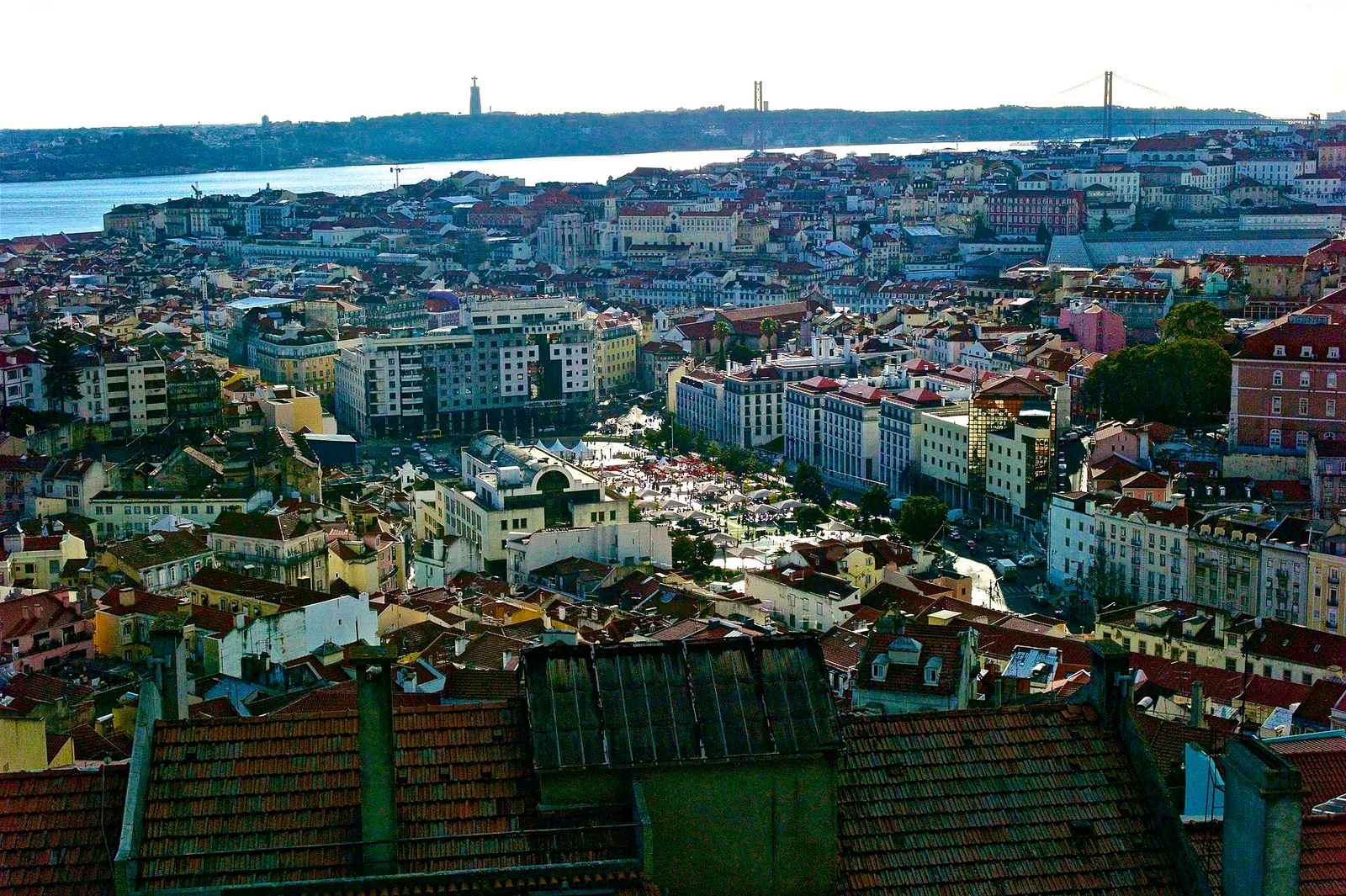
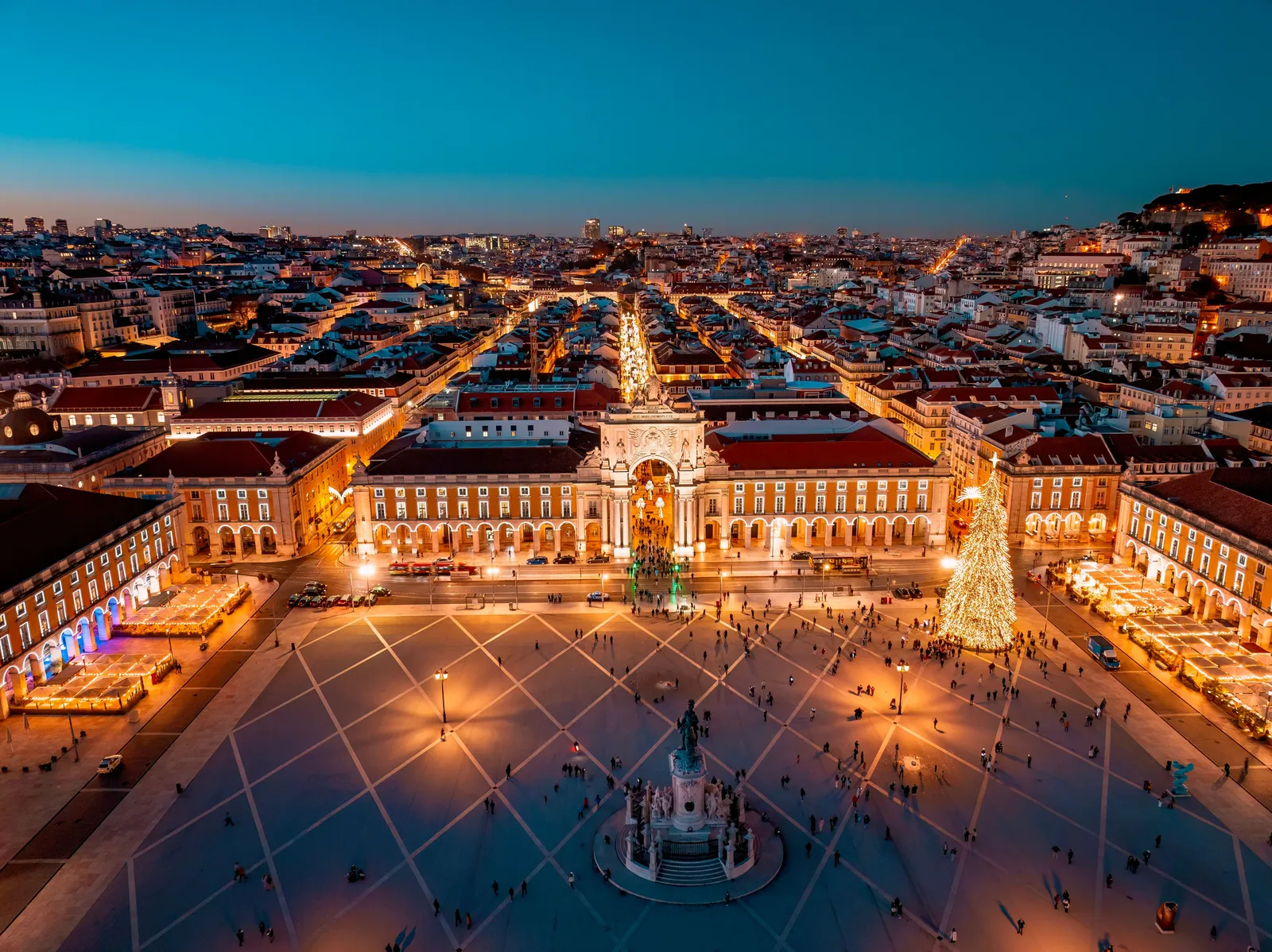
Lisbon and Porto both dress up for the season with street lighting, decorated squares and seasonal markets selling food, drink and small gifts, and the mood in both cities lifts noticeably once the decorations go up. It is a pleasant, low-key kind of festive, closer to an attractive backdrop for a normal city break than a destination event in its own right, and it does not approach the scale of the big Christmas markets found further north in Europe.
Nativity scenes, known as presépios, are a genuine local tradition and show up in churches, shop windows and public squares in both cities, often elaborate and handmade, and worth a slow look if you pass one rather than a photo taken in passing. They sit alongside the lights as the quieter, more traditional half of the decoration, next to the more obviously commercial market stalls.
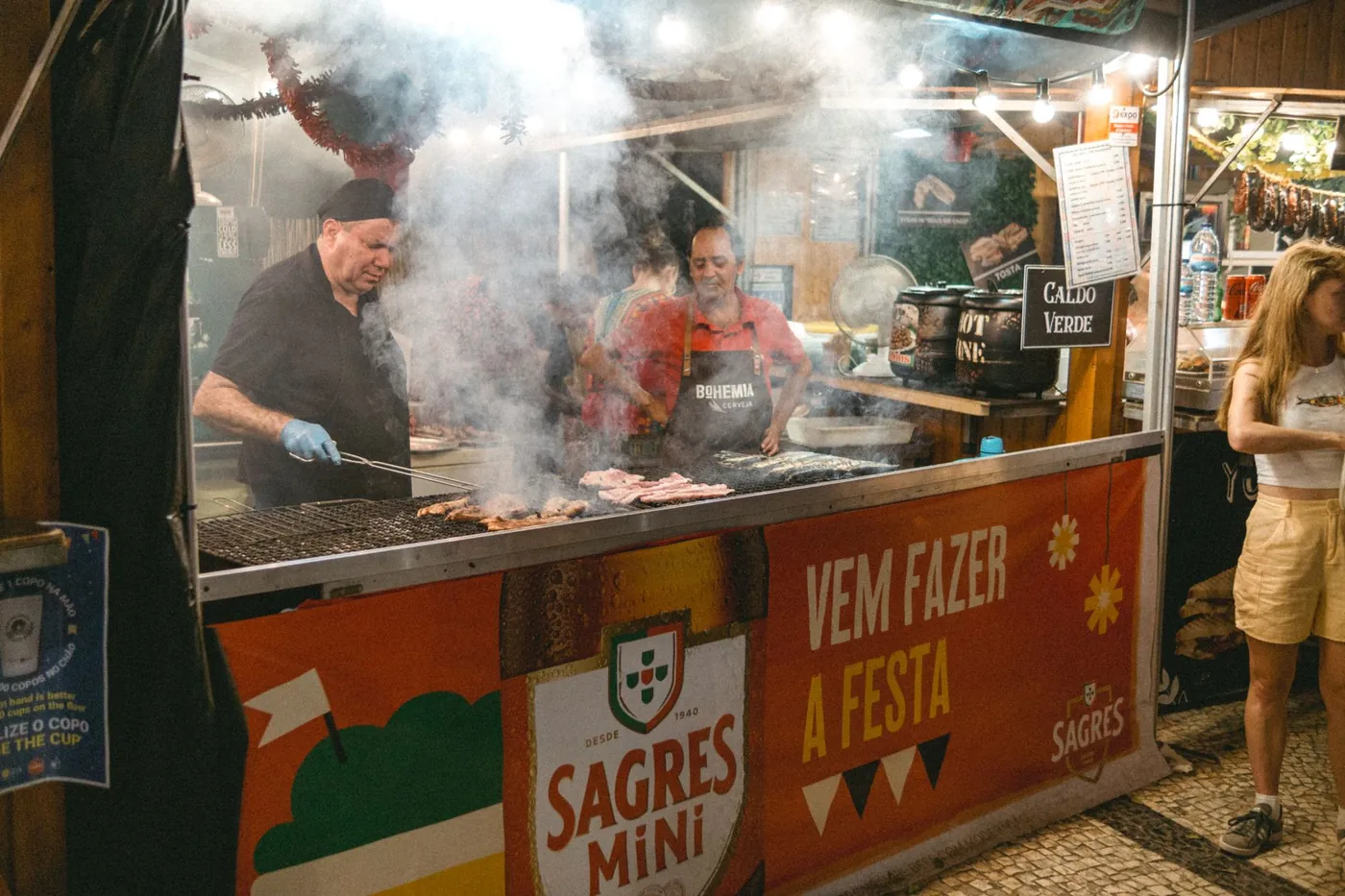
The upside for visitors is that both cities keep functioning through the season in a way the Christmas Eve dinner tradition might suggest they would not. Museums, trams, and the major sights carry on largely as normal outside the core holiday dates themselves, so a city break built around this period still delivers a full itinerary. Our Lisbon guide and Porto guide cover the sights and neighbourhoods that work well whatever the season.
New Year’s Eve: from quiet to genuinely loud
If Christmas Eve is the private half of the season, New Year’s Eve is unmistakably the public one. Lisbon and Porto both draw crowds to central squares and riverside spots for organised countdowns and fireworks, with a genuinely festive, sociable atmosphere that Christmas Eve does not have. Restaurants that were closed a week earlier are often fully booked for New Year’s dinner instead, and the evening runs late into the night across the country.
See the season from the water or the hillsA river cruise in Lisbon or a Douro day trip makes a memorable frame for a festive-season city breakMadeira does New Year differently
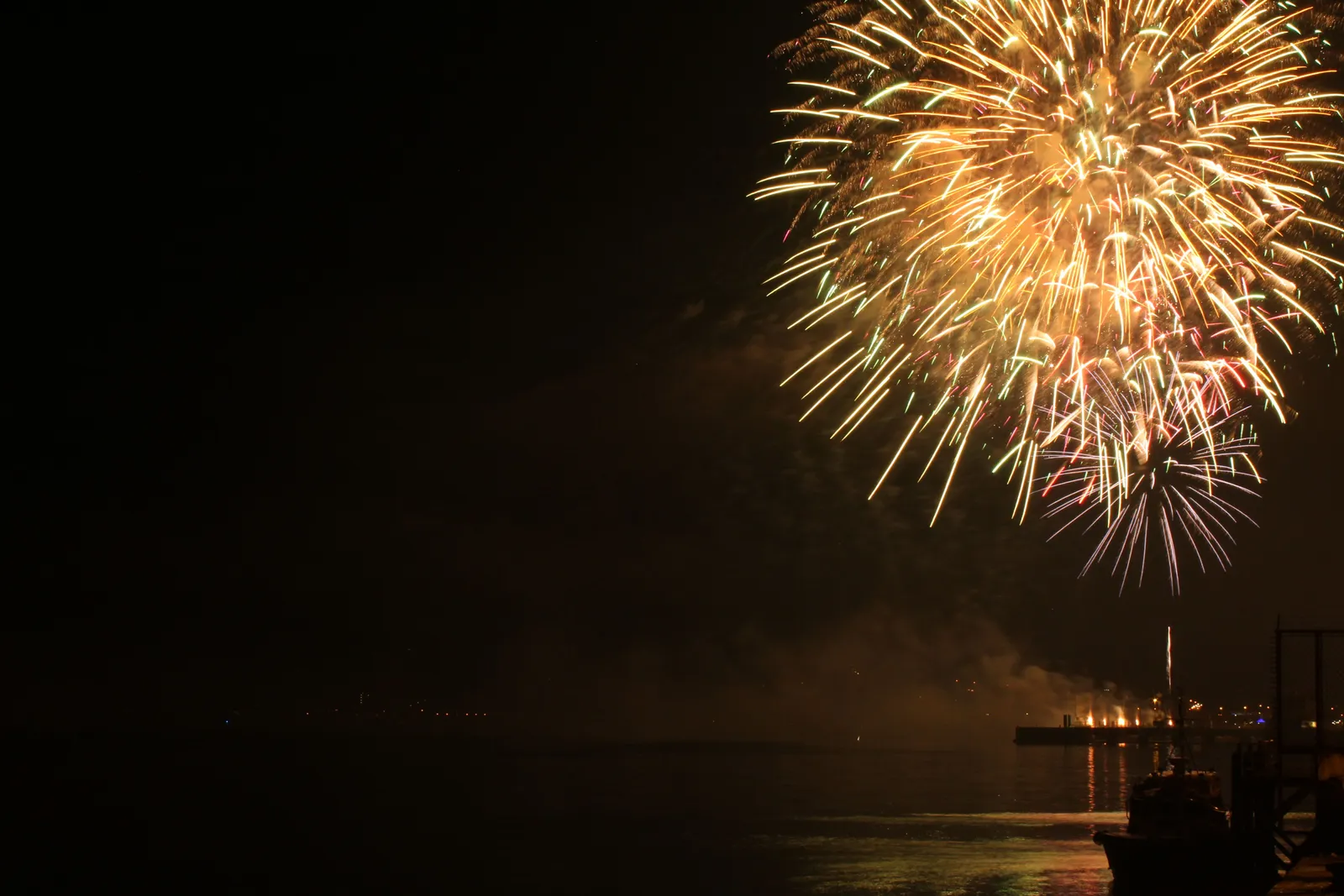
No mainland celebration matches what happens on Madeira. Funchal’s New Year fireworks over the bay have built an international reputation, drawing visitors specifically for the display and the atmosphere it generates around the harbour and hillsides. It is a genuinely different scale of event from anything on the mainland, and the island’s hotels and flights fill up accordingly well in advance. If a big, crowded, spectacular New Year is what you are after rather than a quiet mainland evening, Madeira is the place the country does that best.
Building a week around the season
The festive calendar splits the country into fairly distinct experiences, and it helps to know which one you are choosing before you book.
| If you want | Go here | What to expect |
|---|---|---|
| A quiet Christmas Eve city break | Lisbon or Porto | Lights and markets, a genuinely calm 24th and 25th |
| A big, loud New Year | Madeira | Crowds, fireworks over the bay, book well ahead |
| A mellow coastal off-season week | The Algarve | Quiet towns rather than festive crowds, see our winter guide |
| Both halves of the season in one trip | Lisbon then Madeira | City lights first, fireworks and warmer air to finish |
Practical notes for travelling this time of year
Book flights, hotels and any New Year’s Eve dinner well ahead of the peak dates themselves, since demand rises sharply around Christmas and especially around New Year on Madeira. Outside the core days, prices and crowds settle back to the quiet, inexpensive winter Portugal that our best time to visit guide describes, so a trip that brackets the peak rather than sitting entirely inside it can capture the festive mood without paying the premium for all of it.
Confirm opening hours for anywhere specific you are planning around rather than assuming, since individual restaurants and attractions vary in how much of the season they close for, and a family-run place that is normally reliable may simply be shut for the days that matter most to its own family.
Car hire is worth arranging early too if your plan includes any day trips out of the city, since the same demand spike that fills hotel rooms also thins out the rental fleet in the days around Christmas and New Year. Public transport within Lisbon and Porto continues running through the season, generally on a reduced timetable on the core public holidays themselves, so build a little slack into any plan that depends on it landing exactly on time.
The short version
Come for a quiet, lit-up Christmas Eve in the cities and you will get exactly that: family life behind closed doors, empty streets, and a mood you observe rather than join. Come for New Year and you get the opposite, especially on Madeira, where the fireworks over Funchal’s bay are worth planning a whole trip around. Either way, book the peak dates early and expect the days either side of them to be quieter and cheaper than the core of the season itself.
Are you after the quiet Christmas Eve or the loud New Year?