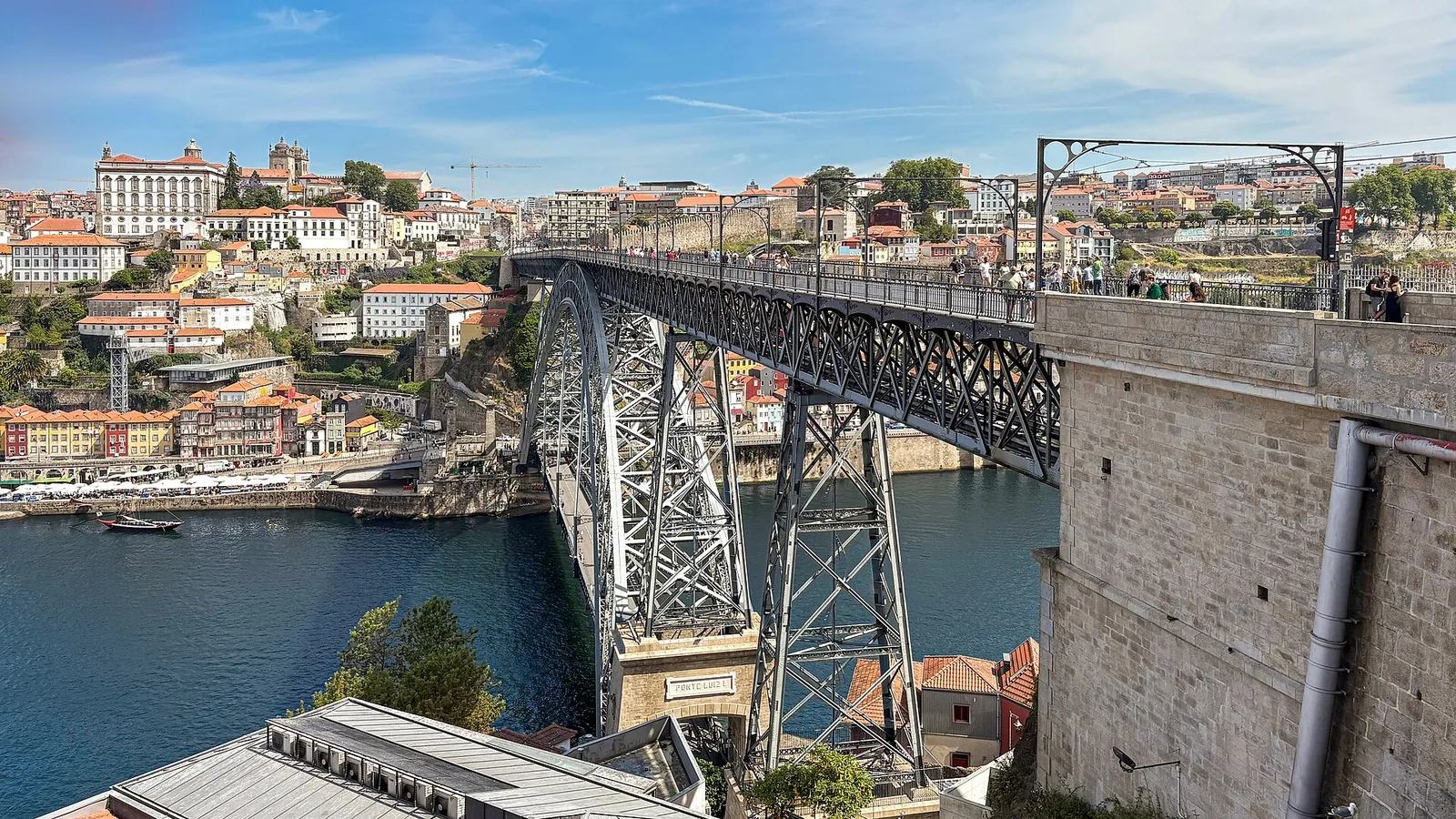
Porto has quietly become the second most popular starting line on the entire Camino de Santiago, behind only Sarria in Galicia, and the most popular anywhere outside Spain, well ahead of Saint Jean Pied de Port and Lisbon. In 2025 roughly 51,574 pilgrims who collected a Compostela had begun their walk here, close to one in ten of everyone who reached Santiago that year, and the reason is arithmetic as much as romance: from Porto the walk is about a fortnight, which is a holiday most working people can actually take.
If you are considering it, there is a timing question sitting on top of the usual planning, and it is worth understanding before you pick your dates.
Why 2027 changes the calculation
Santiago’s Holy Door opens on 31 December 2026, and the Xacobeo Holy Year runs through 2027. A Holy Year happens whenever the feast of Saint James on 25 July falls on a Sunday, which it does in 2027. After that, the next one is not until 2032.
In practice this means one thing for planners: 2027 will be busy, and the pressure lands on beds rather than on the path itself. Walkers who have done Camino routes in previous Holy Years describe the same pattern, with albergues on the popular stages filling earlier in the day and private rooms booked out weeks ahead in the peak months. If your dates are flexible, walking in the shoulder months of spring or autumn is the obvious hedge. If they are not, book earlier than instinct suggests.
None of this makes 2027 a bad year to walk. The atmosphere in a Holy Year is genuinely part of the draw. It simply means the casual approach of turning up and finding a bed is a worse bet than usual.
Two routes leave Porto, and they are not the same walk
The decision that shapes your fortnight is made in the first hour out of the city.
| Route | Landscape | Character |
|---|---|---|
| Coastal | Atlantic shoreline, fishing towns, boardwalks | Open, breezy, sea views most days |
| Central | Inland farmland, vineyards, small towns | Traditional waymarking, more historic |
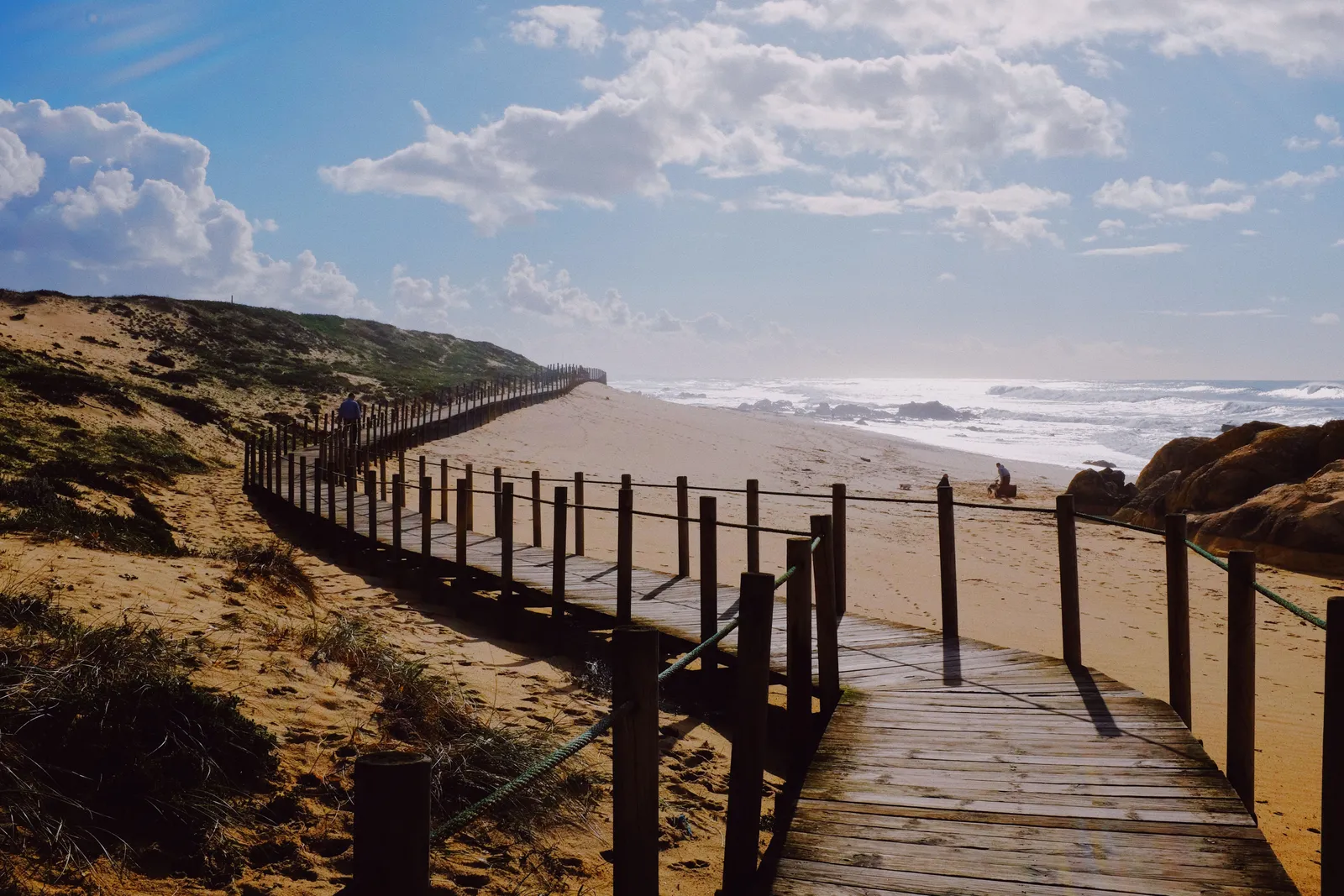
The Coastal route hugs the Atlantic north out of Porto before turning inland to join the Central path in Spain. It is flatter, cooler in high summer thanks to the sea breeze, and includes long stretches of timber boardwalk above the dunes. The Central route runs inland through the Portuguese countryside, past granite churches and vineyards, and feels closer to the classic idea of a pilgrimage road.
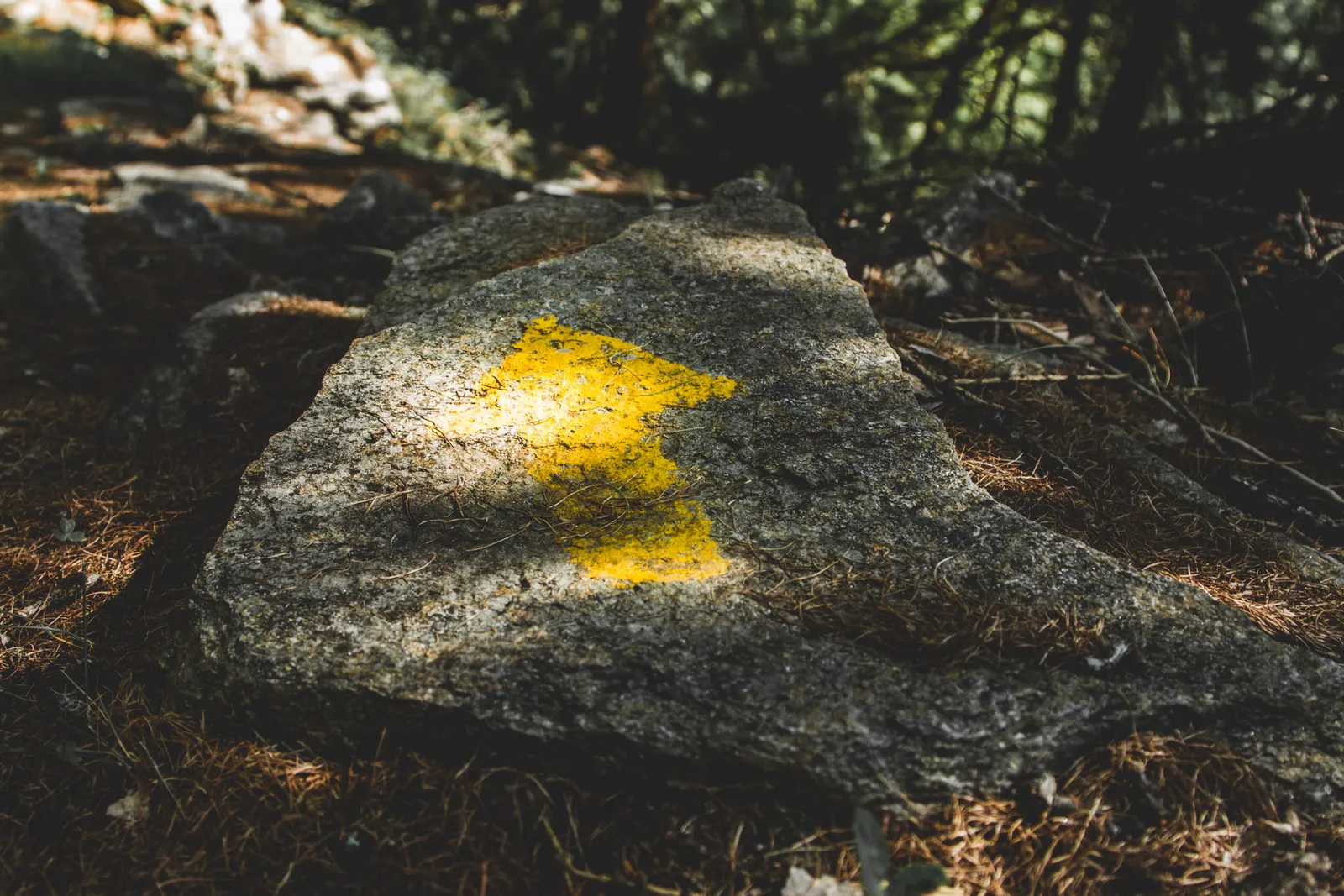
There is also a variant known as the Senda Litoral, which sticks even more tightly to the shoreline than the Coastal route for parts of the way. Waymarking on the coast has improved a great deal but remains less uniform than inland, so carry a downloaded map rather than relying purely on the yellow arrows.
The shape of the Coastal walk
From Porto to Santiago the Coastal route covers roughly 274 kilometres, and most people take twelve to fifteen days. Guides split it into stages differently, and none of those breakdowns is authoritative, because the towns are close enough together that you can make your own days out of them.
That flexibility is the point. Rather than committing to somebody’s thirteen-stage table, work backwards from the beds you can actually book, and let the daily distance fall where it falls. Walkers who add a few days often continue past Santiago to Finisterre on the Atlantic, which is a separate walk with its own logic.
Luggage transfer services operate along the route, moving your bag between accommodations for a per-stage fee, and they are widely used by walkers who would rather not carry a full pack for a fortnight. Prices vary by operator and season, so compare a couple before committing to a whole route.
Book the busy stages before you flyHoly Year demand hits private albergues, pensions and small hotels on the popular sections firstCrossing into Spain: what applies to which passport
The Camino crosses a national border, but both countries are inside the Schengen area, so there is no checkpoint and no separate Spanish entry process. What varies is what applies to you.
EU, EEA and Swiss citizens have free movement. Schengen day counting does not apply to them, and neither does entry registration. Norway, Iceland and Switzerland sit outside the EU and are still covered by this, so the distinction to hold onto is not “EU or not” but whether you have free movement rights.
Non-EU visa-exempt travellers, including British, American, Canadian, Australian and New Zealand passport holders, are in a different position. The Schengen ninety days in any one hundred and eighty limit applies across Portugal and Spain combined, since both are in the same zone, so a two week walk counts once against a single allowance rather than twice against two. EES registration applies to this group on entry to the area. Travellers from countries that need a Schengen visa should arrange it before travelling and make sure it covers the full trip. Our Portugal visa and entry guide sets out the groups in more detail.
Practical things that decide how the walk goes
Carry a credencial, the pilgrim passport. Albergues reserved for pilgrims will ask for it, and the Pilgrim Office in Santiago uses the stamps as evidence when issuing the Compostela. You can pick one up in Porto at the cathedral and at pilgrim associations in the city, and you collect stamps as you go, at least two a day over the final stretch.
Accommodation runs from municipal albergues, which are cheapest and generally work on arrival order rather than reservation, up through private albergues, pensions and small hotels that can be booked. Nightly costs sit in a modest range that shifts year to year, so check current prices rather than working from an old figure.
On footwear and load, the coast is flatter than the mountain Caminos but the surfaces are hard, with a lot of cobble, tarmac and boardwalk. Broken-in shoes matter more here than ankle support, and the sun on the open coastal sections is stronger than the breeze makes it feel.
Spending your last days in Porto first
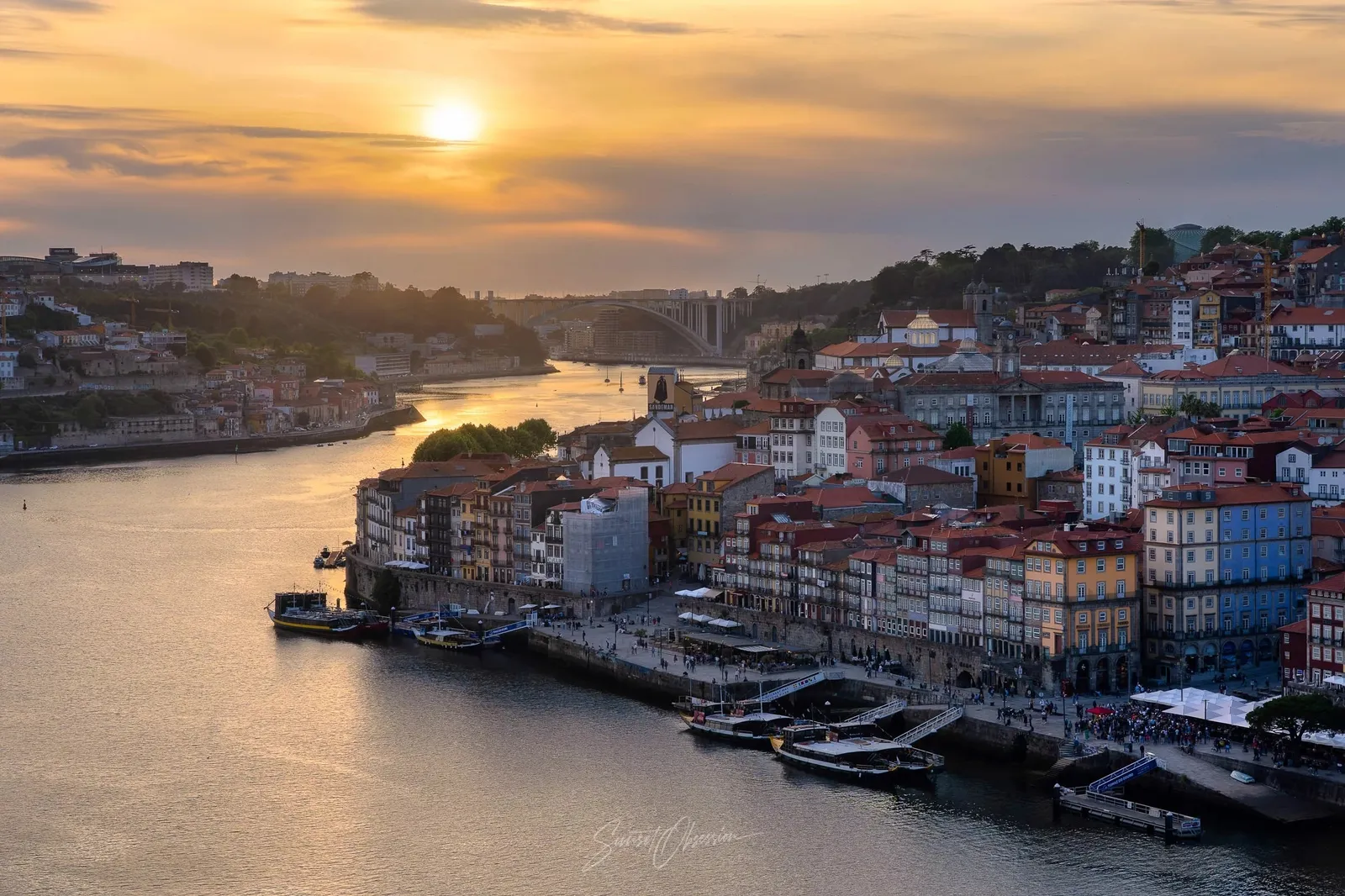
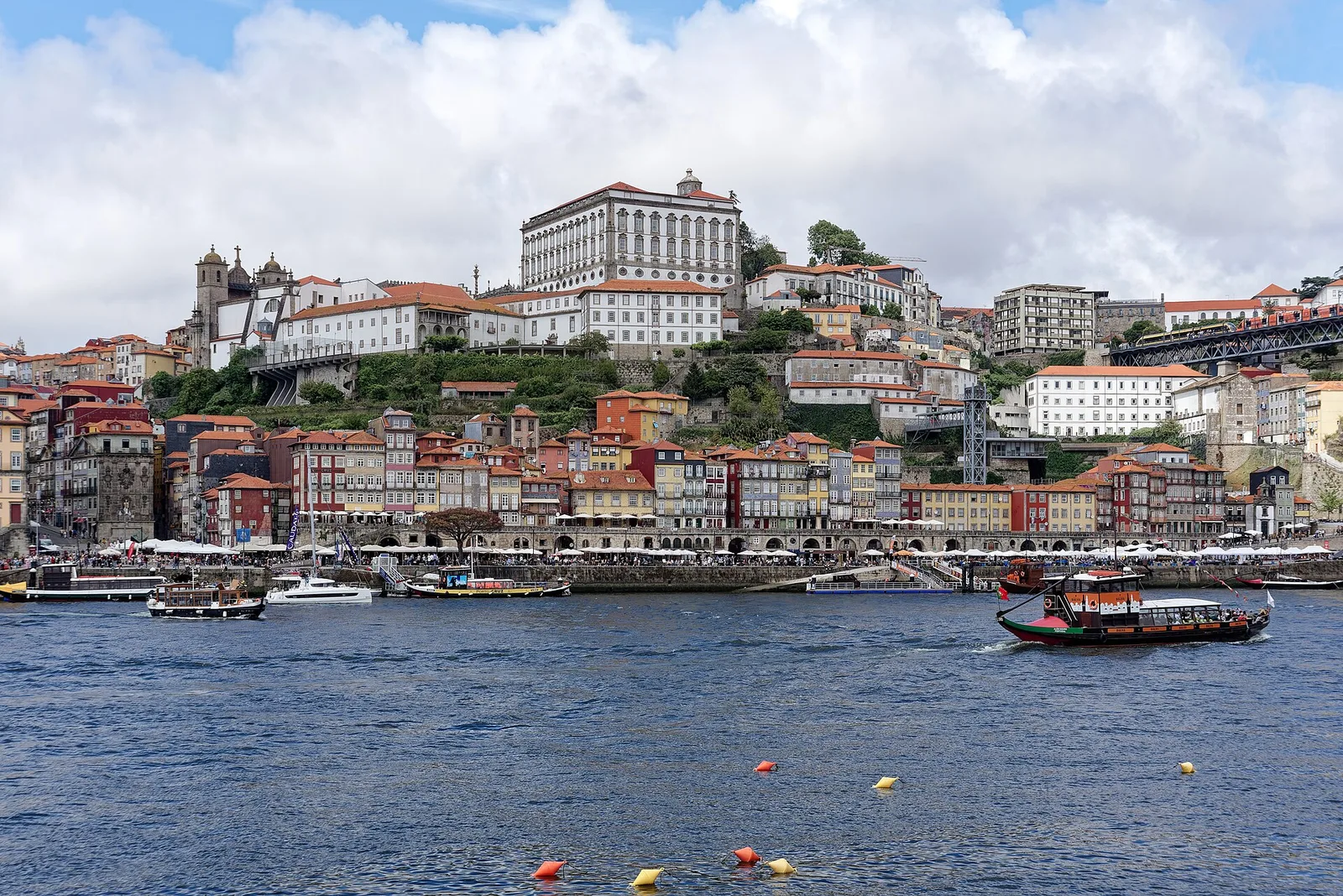
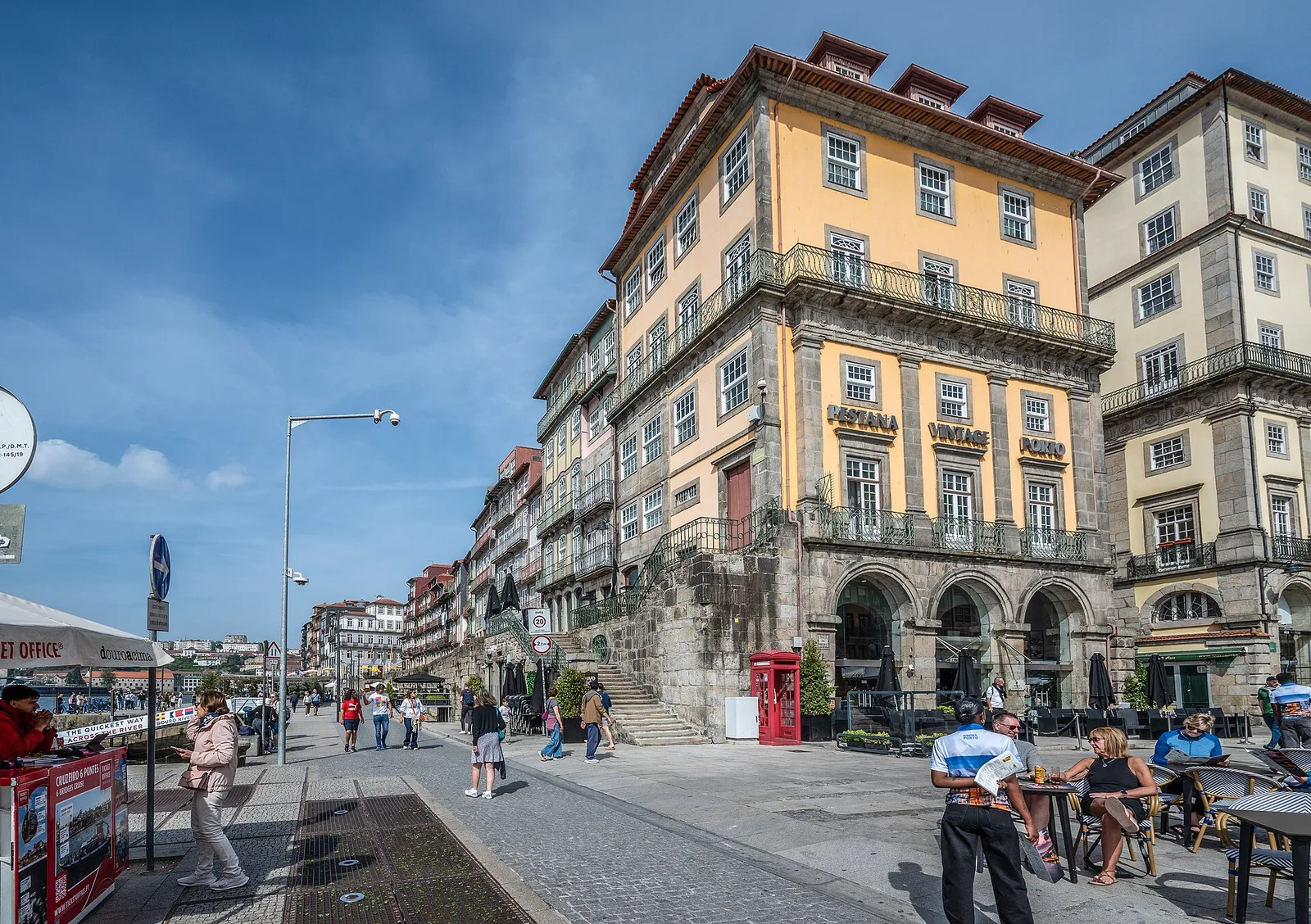
Almost everyone arrives a day or two early, and Porto rewards it. The cathedral, where many walkers collect their first stamp, sits at the top of the old town, and the historic centre is small enough to see properly on foot before you start walking it for real. Our guide to Porto covers what is worth the time, and for choosing a neighbourhood to sleep in beforehand, our guide to where to stay in Porto breaks the city down by area.
One quiet piece of advice from people who have walked it: start slowly. The temptation on day one, leaving a city you have just enjoyed, is to walk too far and pay for it on day three. The Camino from Porto is a fortnight, not a race, and the Holy Year crowd will not thin out because you overtook it.