Portugal looks small enough to cover in a week and is not. It is a slow country in the best sense: the distances are modest and the pace is not, the good bits are in the sitting rather than the seeing, and the visitors who come home happiest are the ones who chose a region instead of a checklist. Here are three seven-day routes that genuinely work, what each one gives up, and how to decide between them before you book anything.
The decision, in one paragraph
The whole planning problem is that Portugal has three separate holidays inside it and a week fits one.
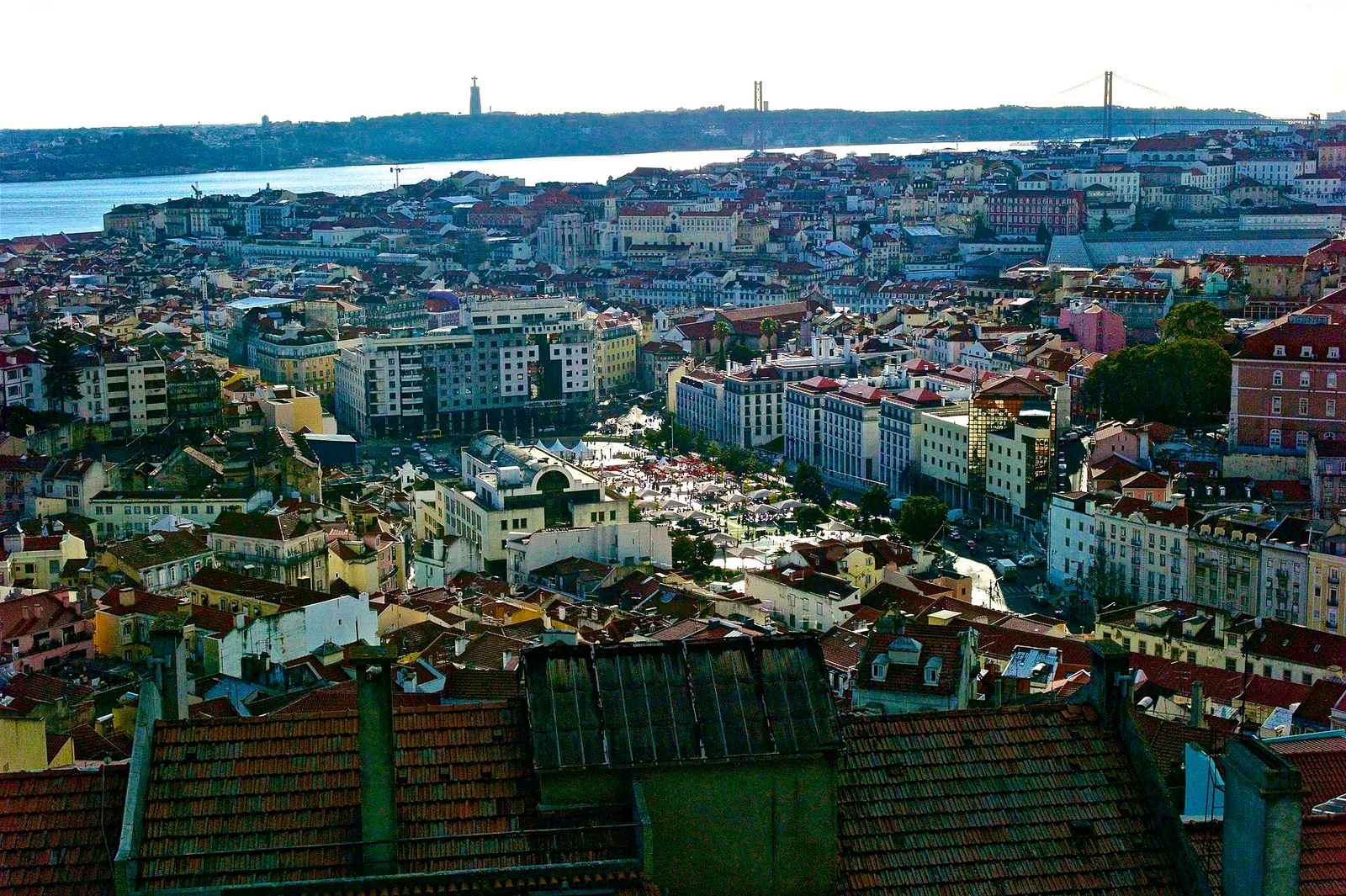
The south, meaning Lisbon and everything within reach of it, is the varied one: a great capital, palaces in the hills, an Atlantic coast on the doorstep and beaches an hour away.
The north, meaning Porto and the Douro, is the concentrated one: a smaller city you can walk end to end, a river valley of terraced vineyards behind it, and the best eating and drinking in the country.
The run, north to south, is the ambitious one: Porto, Lisbon and the Algarve in a line, which shows you the whole country and costs you two days of travelling out of seven.
Route one and route two are the safe recommendations for a first visit. Route three is the right answer for a specific kind of traveller, and the wrong one for most.
Route one: Lisbon, Sintra and the coast
Best for: a first visit, travellers without a car, anyone who wants variety inside one base.
This is the version most people should book. You sleep in Lisbon for all seven nights, and everything below is a day out and back on a train.
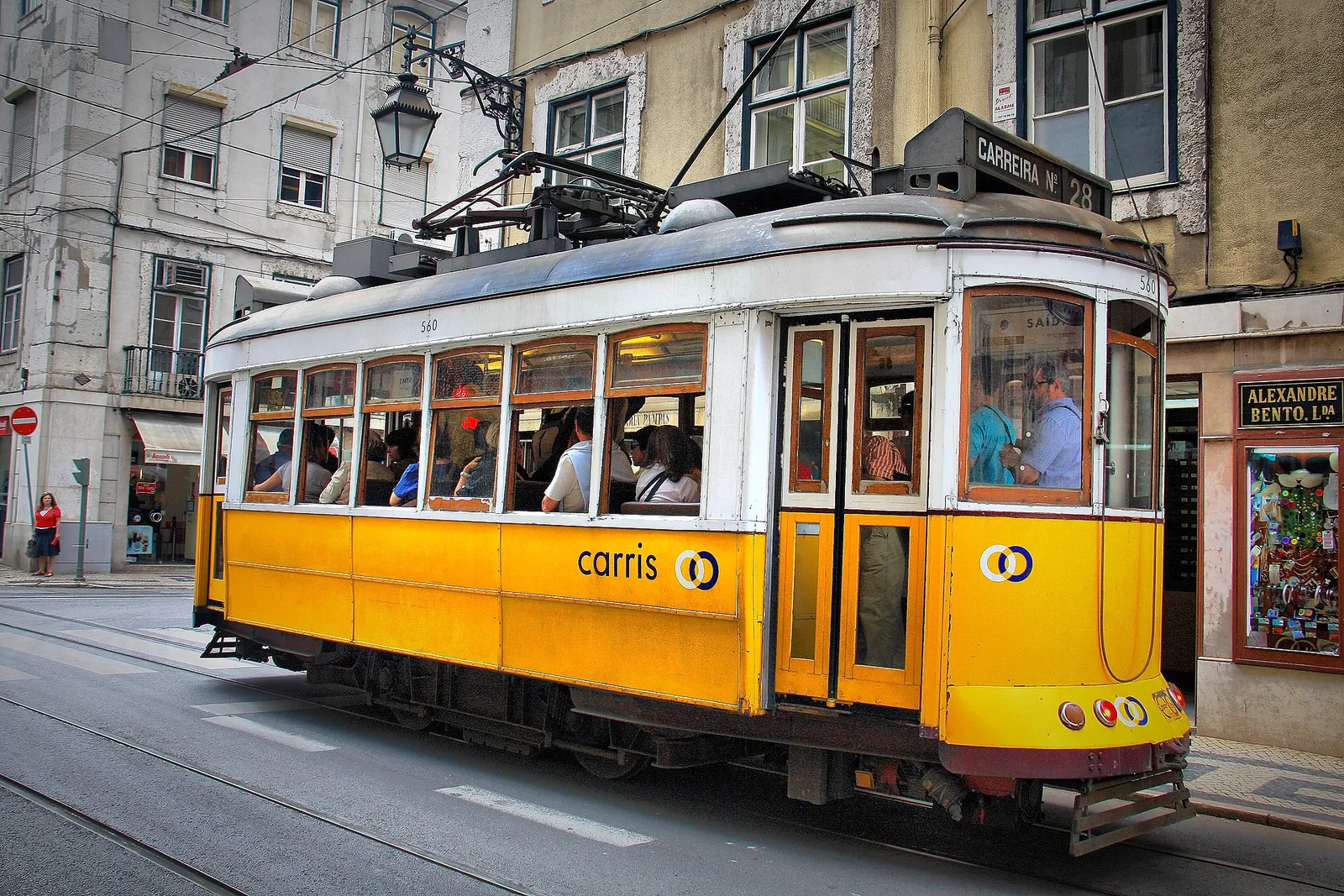
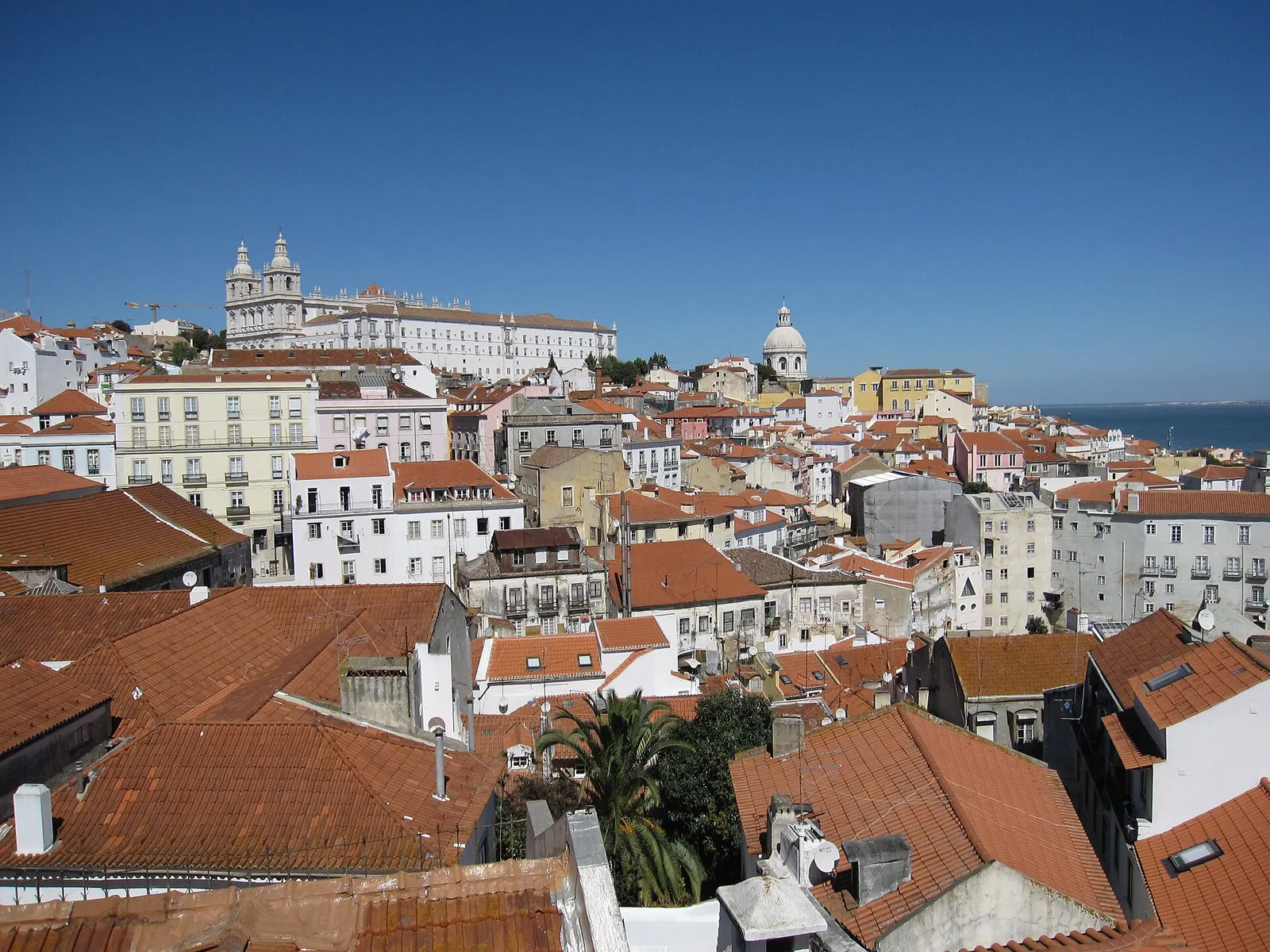
Days 1 and 2, Lisbon itself. The old hillside quarters, the viewpoints, the tram that everyone rides and the one the locals actually use, the tiled facades, the long lunches. Two days is the minimum for the city and it will not feel like enough.
Day 3, Sintra. A short train ride into the hills to a landscape of palaces, gardens and mist, and the single most crowded attraction in Portugal. Treat it as a planned operation rather than a wander.
Day 4, the coast. The line west from Lisbon runs along the water to a string of seaside towns and beaches, and it is one of the most pleasant train journeys in Europe for the price of a suburban ticket.
Day 5, across the river or out to the west. The beaches on the far side of the Tagus, or the wilder Atlantic coast beyond Sintra, both of which feel a long way from a capital city.
Day 6, a second Lisbon day. The museums, the neighbourhoods you missed, the market, and the part of the city where nobody is holding a map.
Day 7, slow. A last pastry, a last viewpoint, and the airport, which is unusually close to the centre.
What this route gives up: the north entirely. You will not see Porto, the Douro or the green half of the country, and you will have a very good week anyway.
Route two: Porto and the Douro
Best for: food and wine, a smaller city, travellers who prefer depth to variety.
Porto is the compact one. It is smaller than Lisbon, hillier in a more concentrated way, and it has a river valley behind it that is one of the most beautiful cultivated landscapes anywhere.
Days 1 and 2, Porto. The riverfront on both banks, the bridges, the bookshop and the station and the churches, and the port cellars on the Gaia side which are the reason half the visitors come.
Day 3, the Douro valley. Terraced vineyards cut into steep slopes above the river, quintas that receive visitors, and a landscape that changes completely with the season. Doing it as an organised day out is far easier than driving it, because the roads are narrow and winding and the whole point involves tasting.
Day 4, the coast or the historic towns. North of Porto the Atlantic beaches are bracing and largely local; inland, the old towns of the Minho give you medieval streets and a very different Portugal from the coast.
Day 5, a slower Porto day. The markets, the neighbourhoods above the tourist riverfront, a long lunch, and the sunset from the Gaia bank which is the best free thing in the city.
Day 6, a second trip out, either further up the valley or to one of the northern towns you did not reach on day four.
Day 7, home, with the airport a short metro ride from the centre.
What this route gives up: Lisbon, Sintra and the south. What it gains is a week in which you unpack once and eat extremely well.
Route three: north to south in a line
Best for: second visits, travellers who want the whole country, people who genuinely enjoy travel days.
This is the ambitious route and it is honest about its cost. You fly into one end and out of the other, which makes an open-jaw ticket the first thing to check.
Days 1 and 2, Porto. The city, the riverfront and the port houses, at a slightly faster pace than route two allows.
Day 3, the Douro, as a day out from Porto, or as the first leg south if you are driving.
Day 4, the train to Lisbon, which takes the middle of the day and is one of the more comfortable journeys in Europe. An afternoon and an evening in Lisbon.
Day 5, Lisbon, which is not enough and is what a three-region week costs you.
Day 6, south to the Algarve, by car or coach, to a coast of ochre cliffs, sea caves and small coves that looks like nowhere else in the country.
Day 7, the Algarve, and a flight home from the airport in the south rather than doubling back.
What this route gives up: depth in all three places, and two of your seven days to travelling. It works well for people who like being on the move and badly for people who wanted a holiday.
Getting between things
The transport picture is simpler than most European countries and has three parts.
Trains do the long distances well. The Lisbon to Porto line is fast, comfortable and city centre to city centre, and it is the obvious way to link the two. Booking ahead matters, because the cheapest fares go first.
Suburban trains do the Lisbon day trips. Sintra and the coastal line both run from central stations on ordinary tickets, which is why route one needs no car at all.
A car earns its keep in the countryside. The Alentejo, the Algarve beyond the main towns, and the smaller corners of the north are all far easier with one. In Lisbon and Porto it is the opposite: parking is genuinely difficult, the historic centres are steep and narrow, and you will pay to keep a car sitting still.
The practical rule is to hire a car for the part of the trip that needs one, and not for the whole week. Picking up on the day you leave the city, and dropping off at the airport at the end, is the pattern that avoids paying for parking you did not want.
What a week actually costs
Portugal is among the better-value countries in Western Europe, and the shape of the spending is worth knowing in advance.
Accommodation is the biggest lever, and central rooms in both cities are in short supply in the shoulder seasons when everyone else has also worked out that spring and autumn are the best time to come.
Eating is where the value shows. An ordinary neighbourhood lunch here costs a fraction of the equivalent in the capitals to the north, and it is frequently better. The tourist-facing restaurants on the main squares are the exception rather than the rule.
Transport is cheap on the suburban lines and reasonable on the fast trains if you book ahead.
The attractions are where the money goes, particularly in Sintra, where entry to several sites in one day adds up faster than anything else on the itinerary.
Our guide for first-time visitors to Portugal covers the practical groundwork underneath all three routes, from what to expect at the table to how the tipping and the timings work, and it is worth reading before you book rather than after.
Choosing between the routes
Four questions settle it faster than any comparison.
Is this your first visit? Then route one, almost always. Lisbon has more variety within reach, and Sintra and the coast give a week its shape without a single long journey.
Is the food and wine the point? Then route two. Porto and the Douro are a better week for eating and drinking than anywhere else in the country, and the whole thing fits in one base.
Have you been before? Then route three becomes reasonable, because you already know what you are giving up by moving.
Is the beach the point? Then none of the above: build the week around the Algarve and treat Lisbon as an arrival city rather than a base, because a beach holiday interrupted by two travel days is not a beach holiday.
If you are still weighing the two cities against each other rather than the routes, our comparison of Lisbon and Porto sets them side by side on size, cost, food, day trips and who each actually suits, which is the decision that determines everything else on this page.
If you are also considering Spain
A great many one-week trips start as a choice between the two countries rather than between routes inside one, and the honest answer is that they are less similar than the map implies.
Portugal is smaller, gentler and cheaper, with a shorter list of famous sights and a stronger case for staying put. Spain is bigger, louder and more varied, with more world-famous cities and correspondingly more travelling to reach them. For seven days specifically, the smaller country has the advantage, because a week is exactly the length at which distances start to hurt.
Our comparison of Portugal and Spain covers that properly, including cost, food, beaches and which suits a first visit to the peninsula.
The short version
If you would rather not build the week yourself, our seven-day Portugal itinerary takes the middle route and plans it out day by day, from Lisbon and Sintra to the train north and a wine day in the Douro.
Pick a region rather than a country. Lisbon with Sintra and the coast is the best first-visit week and needs no car at all. Porto with the Douro is the best week for eating and drinking and lets you unpack once. The north to south run shows you everything and costs two of your seven days to travel, which makes it a second-visit route rather than a first. Book the fast train ahead, plan Sintra properly or skip it, hire a car only for the part of the trip that needs one, and move fewer times than you think you should.