Portugal rewards a little planning and forgives most of the panic. You can land with almost nothing booked and still have a wonderful week, but a handful of decisions made before you fly, where you base yourself, how you get between cities, when you go, are the difference between a smooth first visit and a trip spent hunting for parking or stuck on a sold-out train. This is the guide we wish someone had handed us the first time, wherever you are flying from.
When to go
Portugal has a long, gentle season. The sweet spots are roughly April to June and September to October: warm days, swimmable sea by late spring, and far fewer crowds than the peak. July and August are hot and lively, and the Algarve coast in particular gets busy and pricey, so book accommodation early if you travel then.
Winter is mild by European standards and genuinely underrated for Lisbon and Porto city breaks: short queues, low prices, and a cosy Fado-and-wine mood, with the trade-off of the odd grey, rainy day and cold Atlantic water. If your heart is set on beach time, aim for the shoulder months and you get the best of everything.
One thing to know before you picture the beaches: Portugal has two coasts with two different seas. The south-facing Algarve warms up properly in summer, while the Atlantic west coast stays bracing all year, which is why one is beach country and the other is surf country. Our guide to the best time to visit Portugal breaks the year down region by region, including the festival dates that fill the cities.
The entry rules, sorted in one paragraph
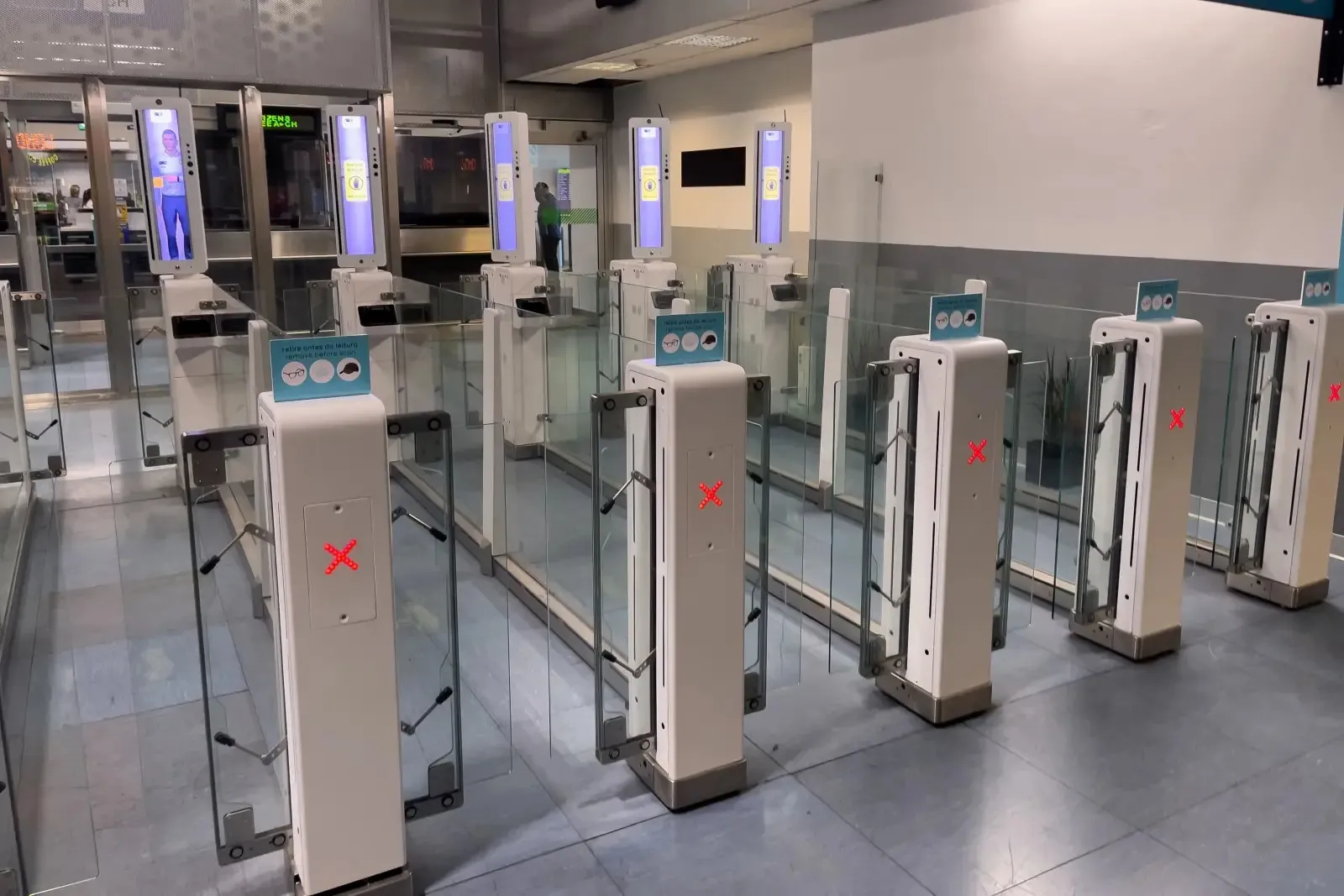
EU and EEA citizens have free movement and no day limit to count, while UK, Irish, US, Canadian, Australian and New Zealand visitors enter Portugal visa-free under the Schengen rules, for stays of up to 90 days in any 180-day period. Not everyone does, though: South African passport holders need a Schengen visa, applied for weeks in advance, and so do several other nationalities, so check your own passport instead of assuming this paragraph covers you. Non-EU passports need three months of validity beyond your departure and must have been issued within the last ten years. Since April 2026, the EU’s biometric EES system has replaced passport stamps for non-EU arrivals at the border, which adds a few minutes to your first arrival. The separate ETIAS authorisation keeps being delayed and is still not in force, so there is nothing to apply for right now, but it is worth a glance at the official EU page before you fly. Nothing here needs a travel agent.
How long, and what shape
| Length | A shape that works | What you give up |
|---|---|---|
| 4 to 5 days | Lisbon only, with Sintra as a day trip | Porto, the north, the Algarve |
| 7 days | Lisbon and Porto by train, one day trip each | The coast, or the countryside |
| 10 days | Lisbon, Porto and the Douro, or Lisbon and the Algarve | Trying to do all three |
| 14 days | Cities, wine country and a coastal week | Very little |
The trap on a first trip is trying to fit the two cities, the Douro and the Algarve into a week. They sit at opposite ends of the country, and the travel between them will eat the days you meant to spend enjoying them. Two anchors and one excursion is the shape that works.
Where to base yourself
Portugal is small enough that you do not need to sleep in five different beds, and your choice of base matters more than your hotel. Most first trips revolve around two cities and a taste of the countryside.
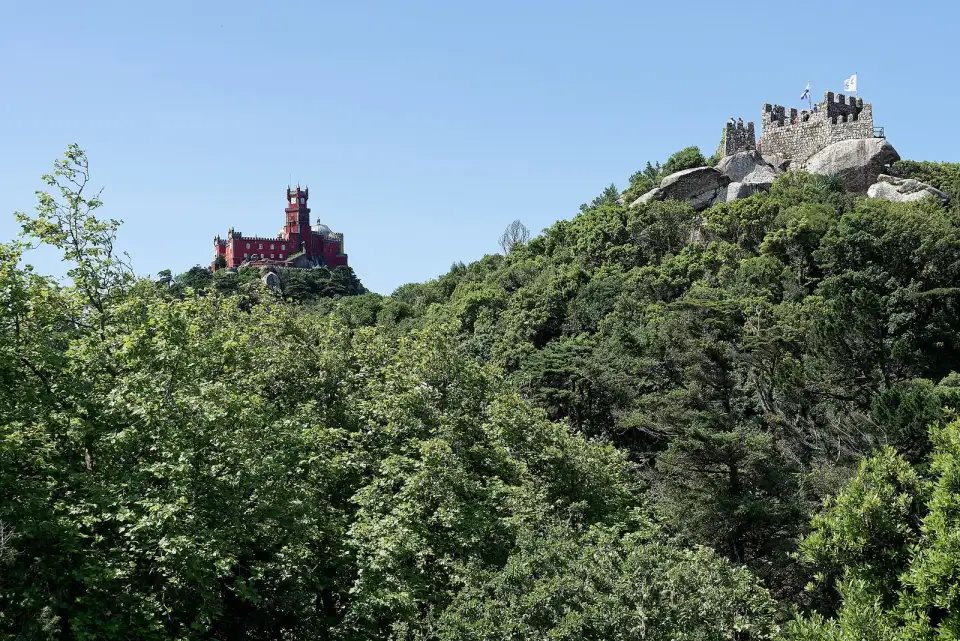
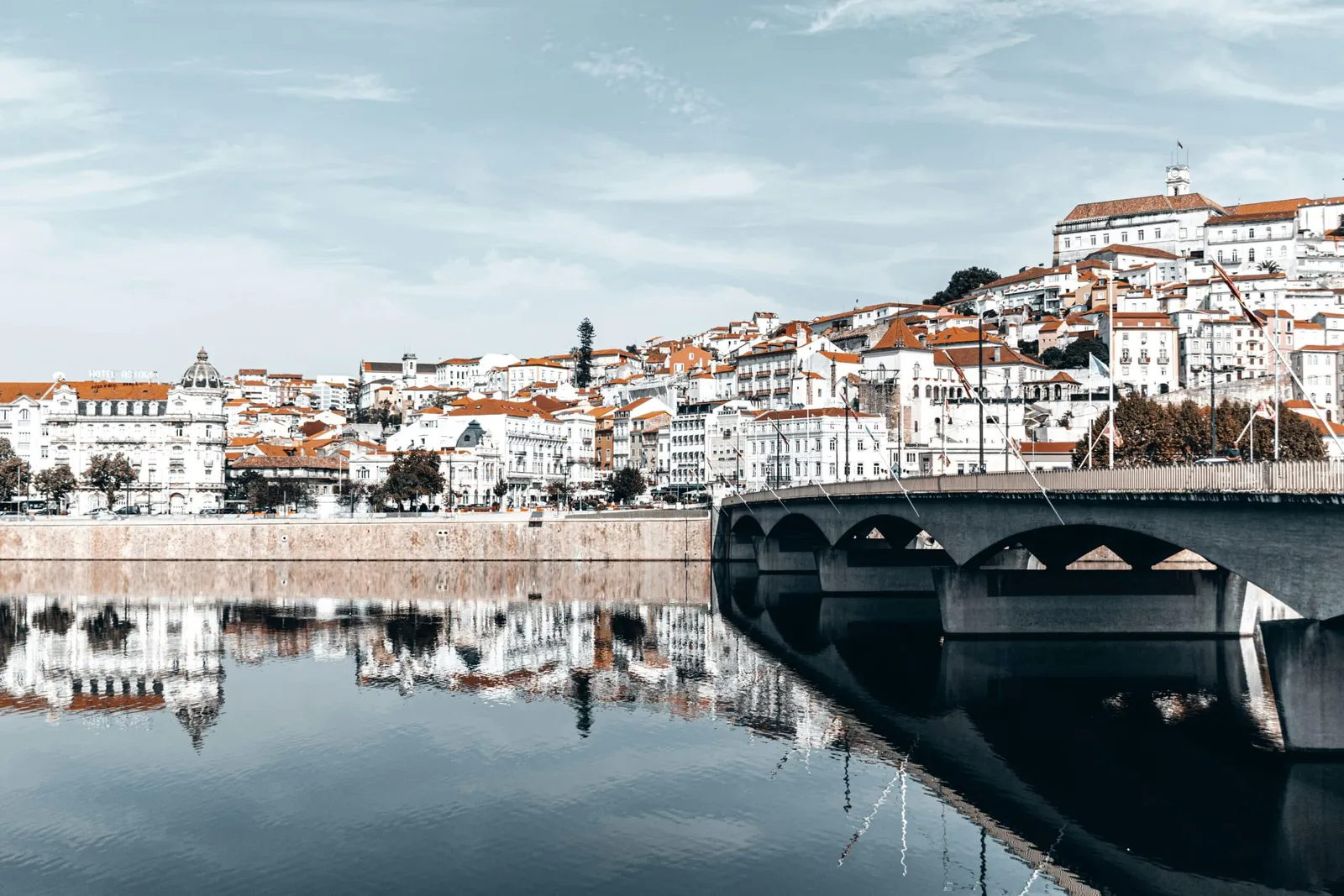
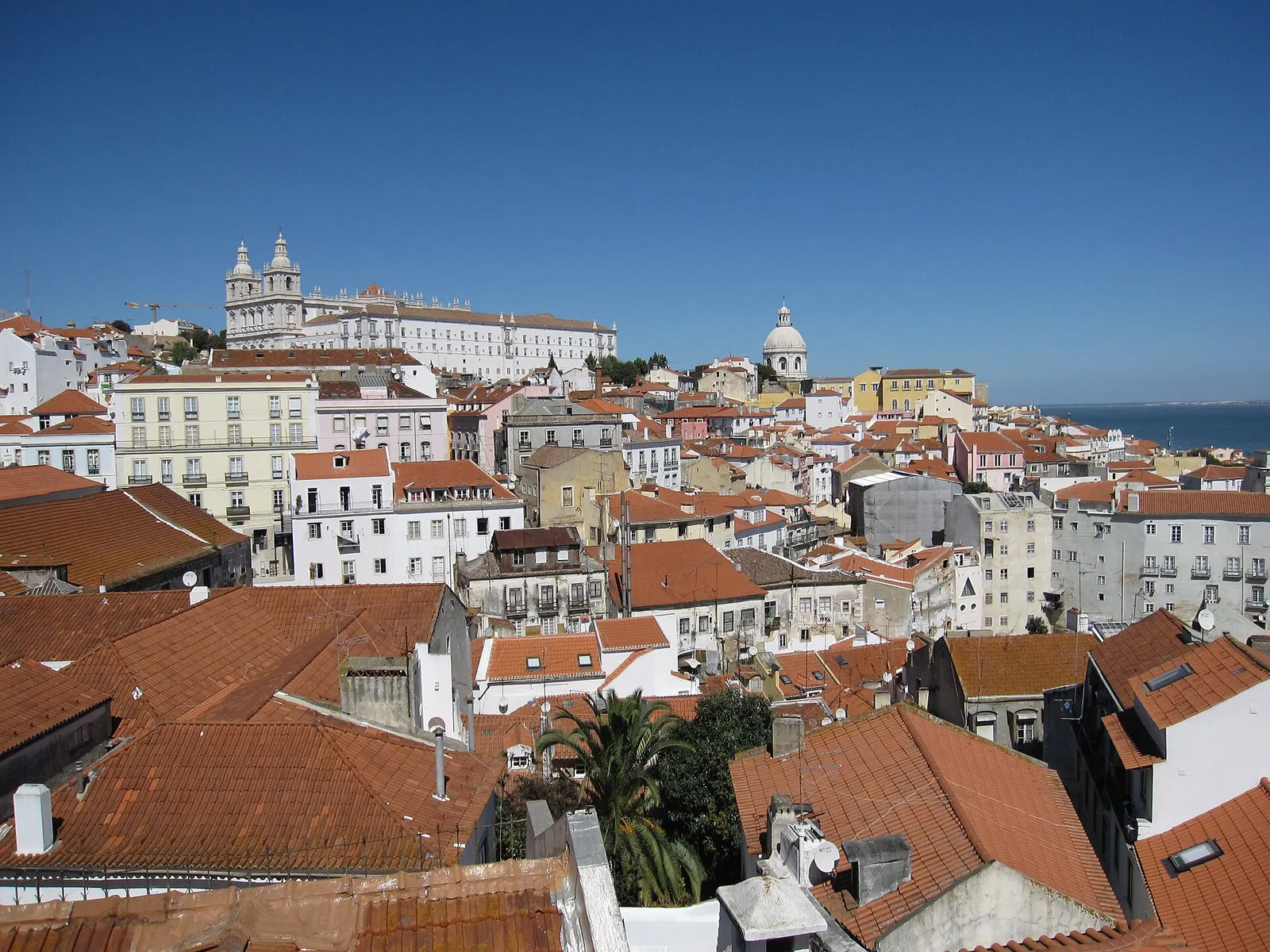
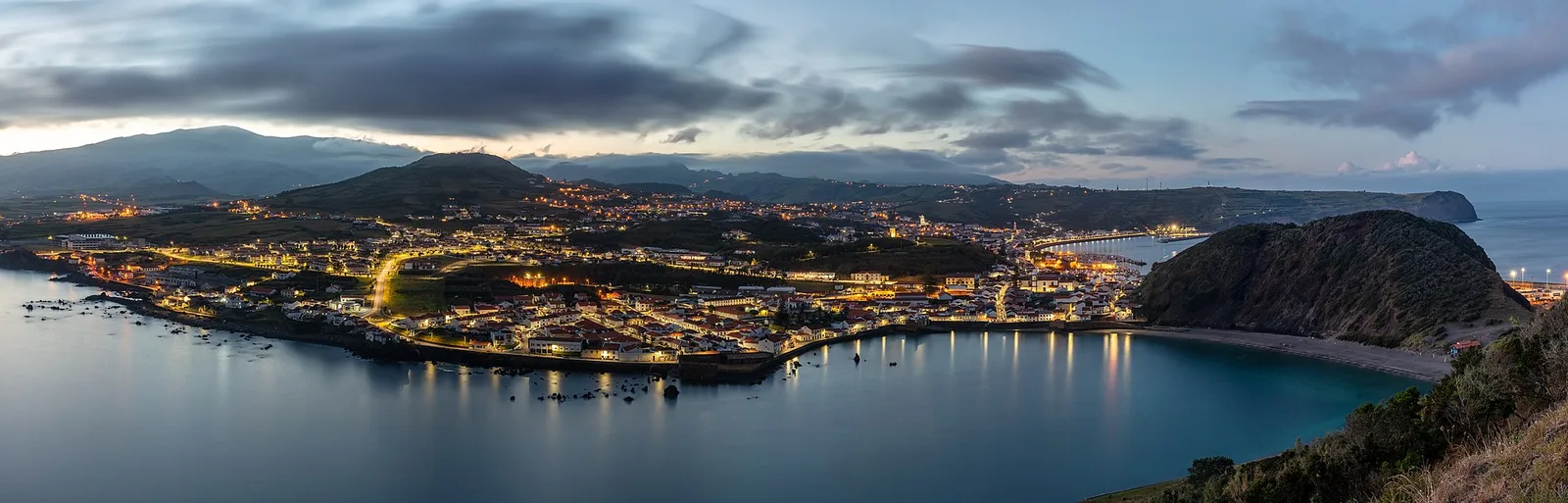
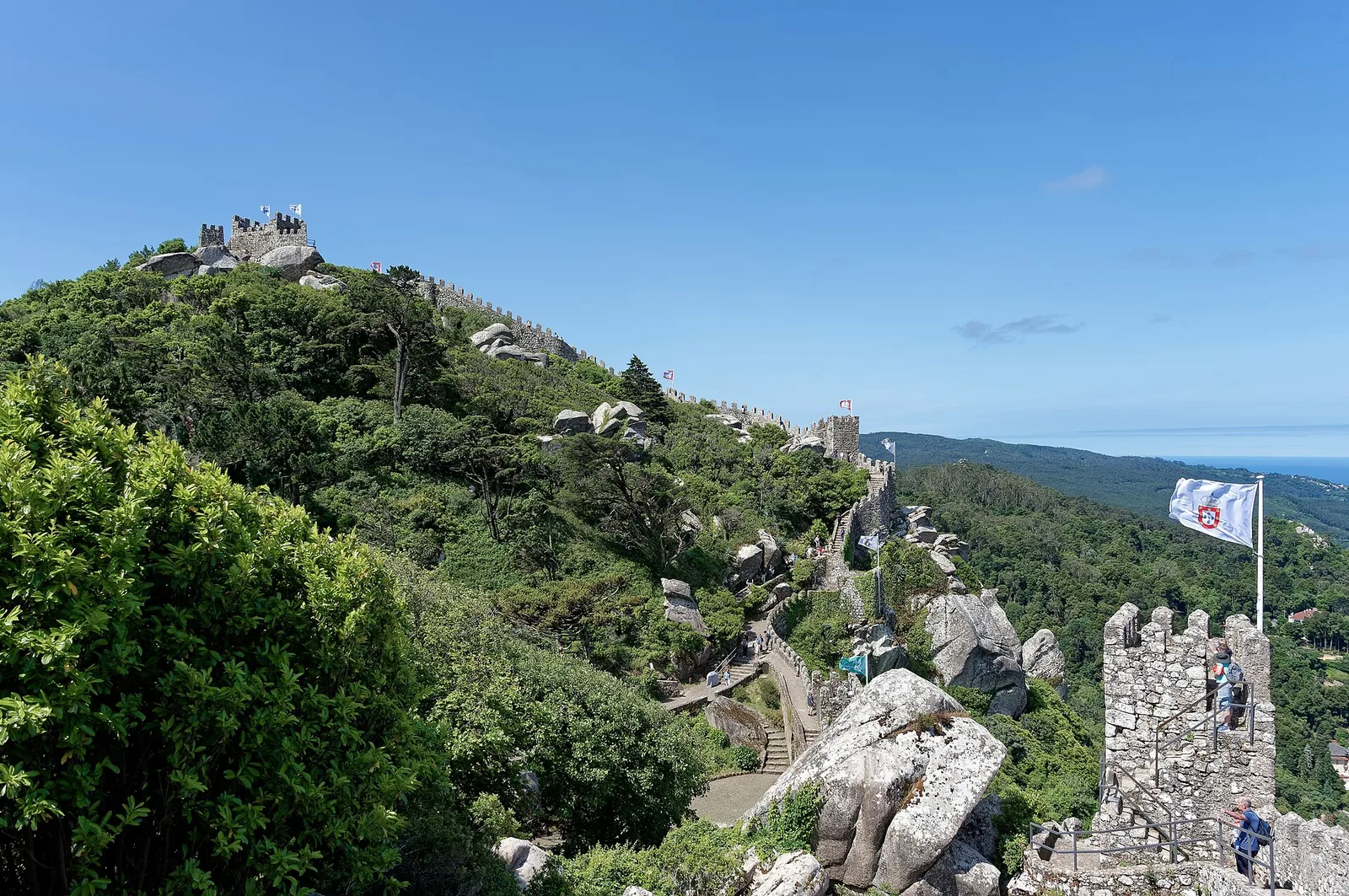
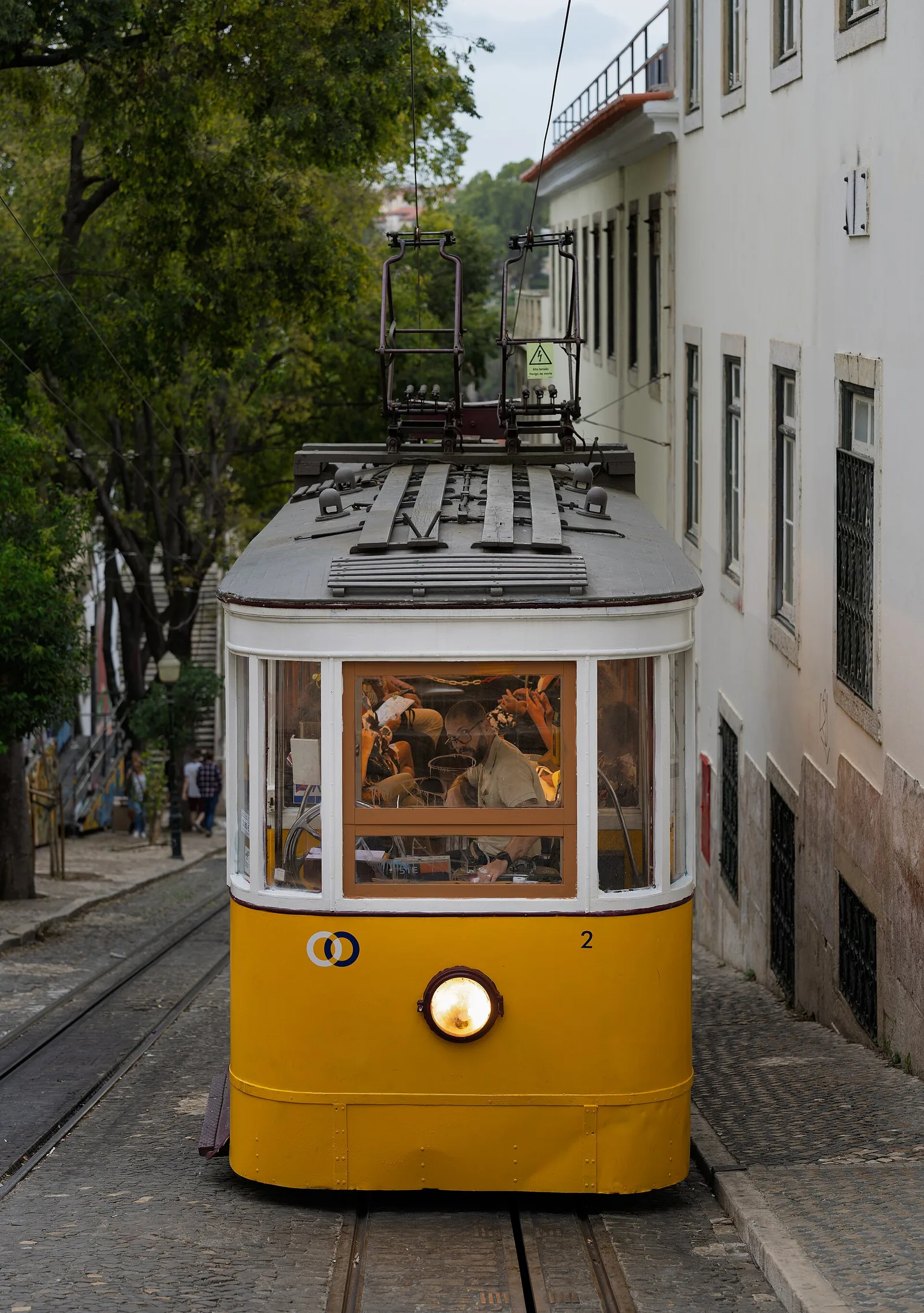
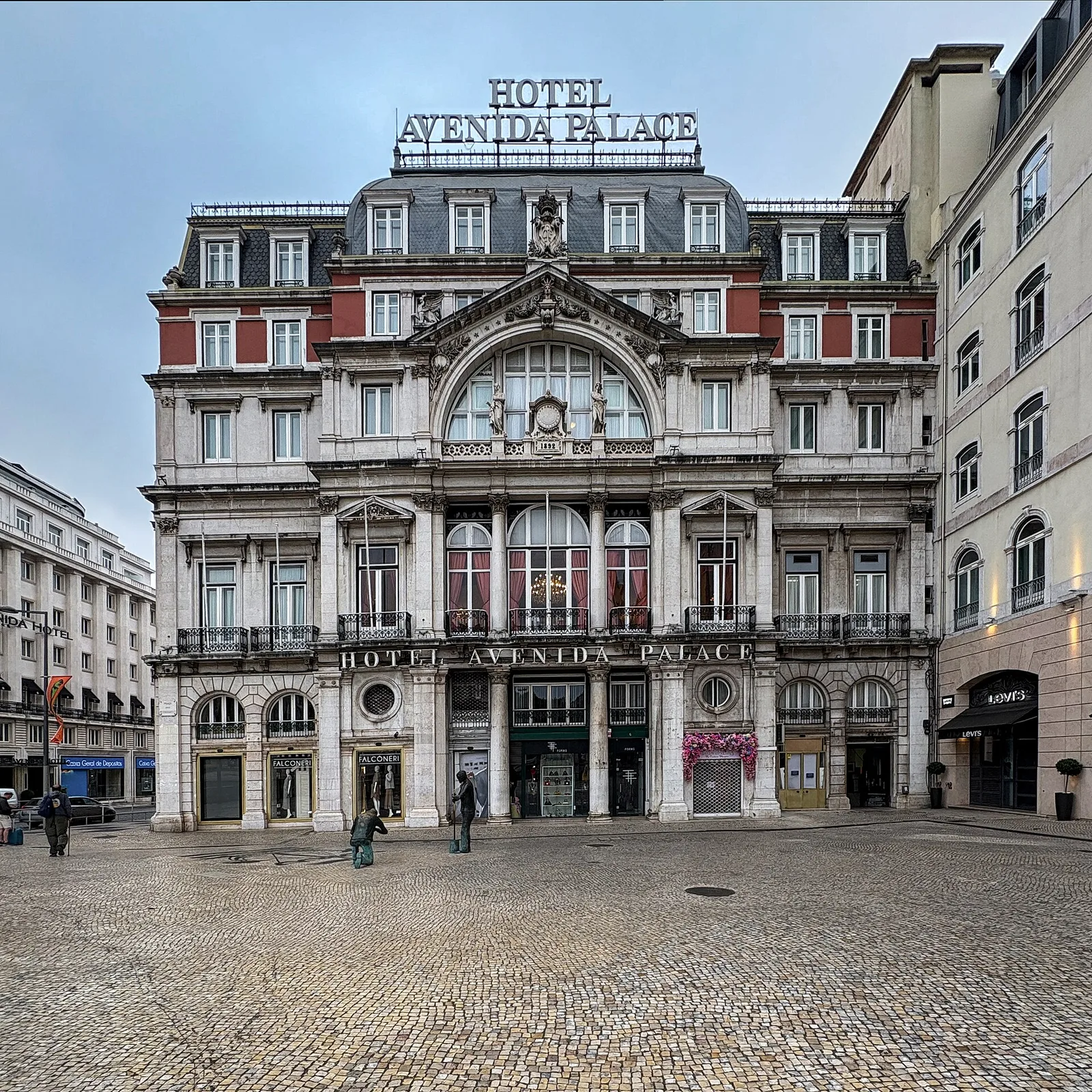
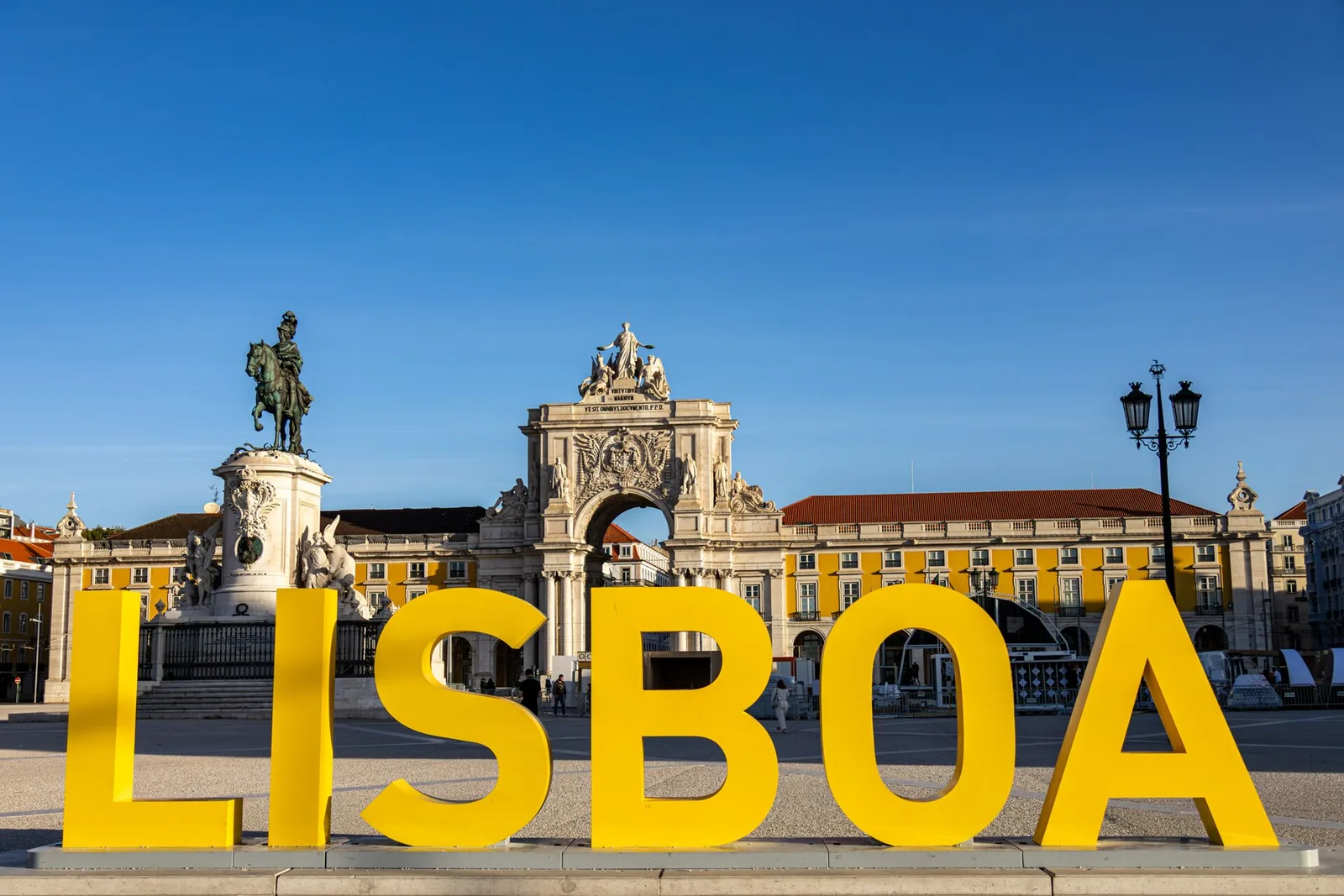
Lisbon is the natural anchor: hilly, sunlit, stitched together by yellow trams, with day trips to Sintra, Cascais and beyond on its doorstep. Porto, three hours north, is smaller, steeper and more soulful, the home of port wine and the gateway to the Douro. Between and around them sit Sintra’s fairy-tale palaces, the university town of Coimbra, and the walled village of Óbidos. If you want beaches and cliffs, the Algarve in the far south is a trip of its own. For a first week, many people split their time between Lisbon and Porto and add one countryside day.
Getting around
How you move depends entirely on where you are going, and this is the single thing first-timers get wrong.
Between Lisbon and Porto, take the train: fast, comfortable, city-centre to city-centre, and far less hassle than driving or flying. Book the Alfa Pendular or Intercidades a few days ahead for the best fares. Inside Lisbon, lean on the metro, trams and funiculars; the famous Tram 28 is a sightseeing ride as much as transport. Porto has its own metro and trams too.
Where a car earns its keep is the Algarve, the Douro Valley and the rural interior, places where the good stuff is spread out and buses are thin. There you want your own wheels for the freedom to chase a viewpoint or a wine estate.
The clean solution is to do both in sequence: train between the cities, then collect a car on the morning you leave for the countryside, and drop it before you return to a city. That saves the rental days you would not use, the city parking charges and the stress of driving into a historic centre where you are not welcome.
Let a local guide connect the dotsA guided day turns Sintra, the Douro or the Alentejo into one smooth, stress-free loopWhat to book ahead, and what to leave loose
Book your first two nights so you land somewhere sorted, the Lisbon-Porto train if you are travelling in summer, your headline experiences (a Douro wine day, timed tickets for Sintra’s Pena Palace, a good Fado dinner), and a rental car in advance if the Algarve or Douro is on your list, as the best cars sell out in peak season. Almost everything else, restaurants, day drivers, extra tours, can be arranged on the ground, so resist the urge to timetable every hour.
Two that deserve earlier booking than people expect: Sintra in high season, where the palace timed slots genuinely sell out and the town becomes a queue by mid-morning, and Algarve accommodation in July and August, which is the one true squeeze in the Portuguese calendar.
What a trip actually costs
Portugal is one of Western Europe’s better-value countries, and where the money goes is predictable. Accommodation is the biggest line and swings hardest with season and location, with the Algarve in August at the top. Food is where Portugal is generous: a tasca lunch with wine costs a fraction of the same meal in Spain, France or Italy, and coffee and pastries are close to free by northern European standards.
The smaller charges worth knowing about are the couvert on restaurant tables, the city tourist tax added per person per night in Lisbon and Porto, and, if you drive, tolls and city parking, both of which add up faster than the fuel does. Trains are cheap booked ahead and dearer on the day.
Food, wine and small courtesies
Portuguese food is honest, generous and cheap. Say yes to bacalhau (salt cod, prepared a hundred ways), a warm pastel de nata custard tart, grilled sardines in summer, and a glass of crisp vinho verde or a port after dinner. In Porto, the port cellars sit across the river in Vila Nova de Gaia, and a tasting there is a rite of passage.
A few courtesies go a long way: a smile and a bom dia open most doors, the little couvert of bread and olives on your table is optional and charged if you eat it, and tipping is modest, rounding up the bill or leaving a small amount for good service is plenty and nobody calculates a percentage.
Two more that matter. Lunch is the main meal, which is why the best-value menus appear then, and dinner runs later than in northern Europe but earlier than in Spain. And do not assume Spanish will get you by: Portuguese is a different language, most people speak good English, and defaulting to Spanish can land badly for reasons that are entirely understandable once you know the history.
Money and staying connected
The currency is the euro (EUR). Cards are accepted almost everywhere, but carry some cash for small cafes, markets and rural spots. Use ATMs attached to real banks (look for the Multibanco network) and be wary of standalone machines that push high fees. Tap water is safe to drink across the country.
For data, sort a local eSIM or an EU roaming plan before you land so your maps and transport apps work the moment you arrive. Pickpocketing on busy Lisbon trams and in tourist crushes is the main petty-crime risk, so keep your bag zipped and your phone in a front pocket; violent crime is rare and Portugal is one of the safest countries in Europe.
Staying safe and comfortable
Portugal is a safe country and the real hazards are unglamorous. The pavements are the first: polished limestone cobbles, uneven and slick in the rain, on cities built across hills. Proper shoes are the single most useful thing in your suitcase.
The second is the Atlantic, which is colder, rougher and more prone to rip currents than the Mediterranean holidaymaker expects. Swim between the flags where there are lifeguards, take red flags literally, and on the Algarve keep clear of the base of the cliffs, which are soft and do collapse. The third is the summer sun, which is stronger than the sea breeze suggests.
None of this needs worrying about, only preparing for. It costs nothing to read our guide to emergency numbers in Portugal before you travel, so you already know who to call rather than looking it up on a beach with one bar of signal.
Portugal or Spain?
They get compared constantly, usually by people choosing between them for a first Iberian trip, and the differences are real. Portugal is smaller, cheaper and easier to cover, with a coastline that faces the Atlantic and a food culture built on fish and custard. Spain is bigger and more varied, with warmer Mediterranean swimming, a stronger bar and late-night culture and far more ground to cover.
On a week, Portugal usually wins simply because you spend less of it travelling. Our comparison of Portugal and Spain weighs cost, food, beaches, crowds and pace properly, which is the fastest way to settle it if you are still torn.
The rookie mistakes
Four, in order of how much they cost. Renting a car for the whole trip, when it is useful only in the countryside. Cramming the cities, the Douro and the Algarve into one week, when they sit at opposite ends of the country. Arriving at Sintra at midday, which turns a highlight into a queue. And packing for the Mediterranean, when the Atlantic evenings are cool, the water is cold and the pavements demand real shoes.
The short version
Go in the shoulder season if you can, anchor on Lisbon and Porto, take the train between them and rent a car only for the Algarve or Douro, book your headline days out early, do Sintra at opening, wear shoes made for cobbles, and leave room to wander. Do that, and your first trip to Portugal will feel less like a logistics puzzle and more like the start of a long friendship with the country.
For what the whole thing actually costs now that the old cheap reputation no longer holds evenly, our Portugal trip cost guide breaks it down.
Which two anchors are you starting with, and what is fighting for the third slot?