Portugal has one of the kindest climates in Europe, which is exactly why timing your trip matters: the difference between a blissful, half-empty coast and a sweaty, sold-out one can come down to a few weeks. The country also plays by different rules region to region, so the “best” time depends as much on where you are going as on the calendar. Here is how to pick your window.
The quick answer
For most travellers, the sweet spot is roughly April to June and September to October. You get warm, sunny days, sea warm enough to swim in the south by late spring, festivals and long evenings, and none of the peak-summer crowds or prices. If you can only travel in summer, you will still have a great time, just book early and expect heat and company. Winter is quiet, cheap and surprisingly rewarding for city breaks.
Two coasts, two climates
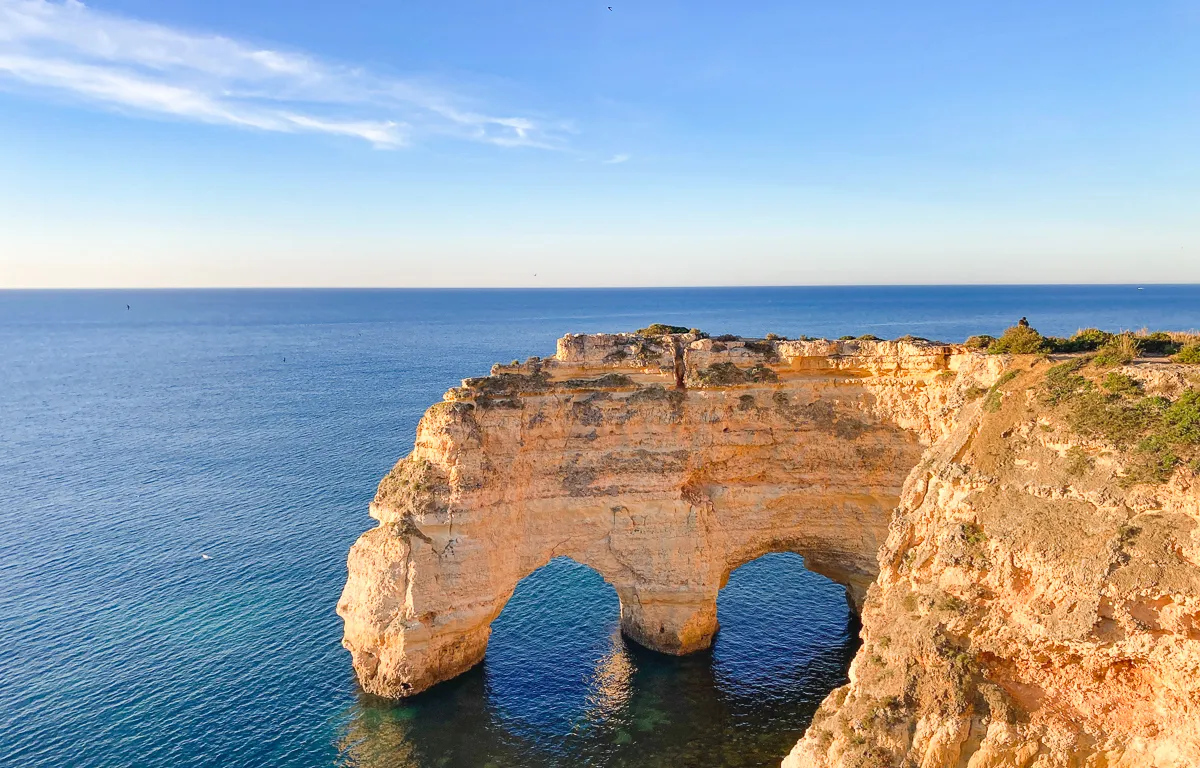
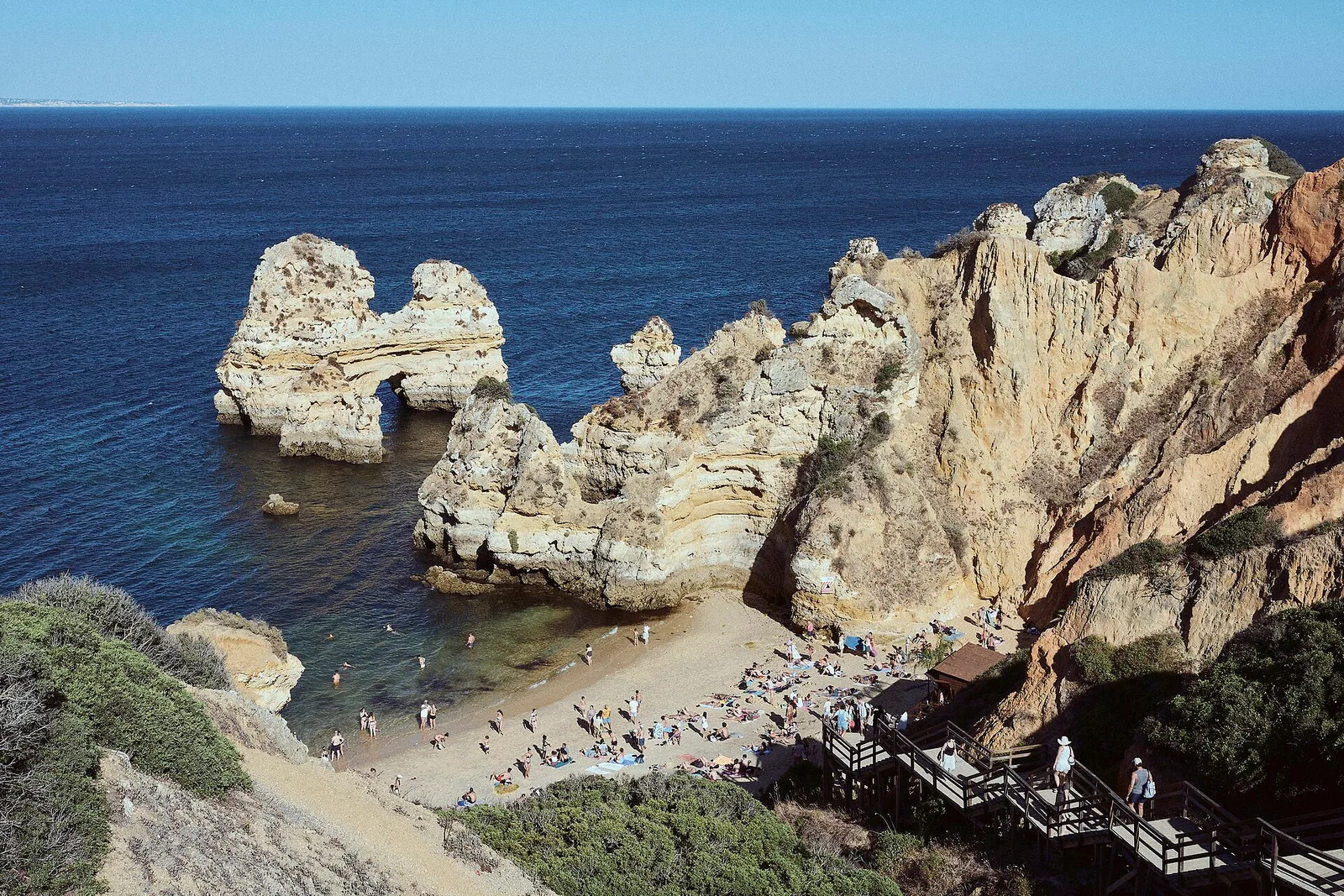
The single most useful thing to understand about Portugal is that it has two very different coastlines, and they behave nothing alike. The south-facing Algarve is sheltered, warmer and drier, with a sea that heats through the summer into genuinely comfortable swimming temperatures. The west-facing Atlantic coast, from the Alentejo up past Lisbon to the north, takes the full ocean, where cold water rises along the shore and keeps the sea bracing all year.
That is why the west is surf country and the south is beach country, and why a beach an hour from Lisbon in August can feel shockingly cold when the Algarve is bathwater. Inland, the picture changes again: the Douro, the Alentejo and the interior have no sea breeze at all and run considerably hotter in summer and colder in winter than anywhere on the coast.
Spring (March to May): green and golden
Spring is glorious. The countryside is green, wildflowers carpet the Alentejo, the Douro Valley is at its most beautiful before the summer heat, and the cities are comfortable for walking all day. Temperatures climb from mild to warm, prices are still reasonable, and Easter brings colourful processions.
The catch is the sea: the Atlantic is still cold, and even the Algarve only warms up for swimming toward late May. Pack for changeable weather early in the season, a rain jacket in March is wise, and enjoy having the big sights to yourself.
Summer (June to August): sun, crowds and heat
This is peak season, and it delivers reliable sunshine and long, warm evenings across the whole country. The Algarve is at its best for beach life, the sea is warm, and the festival calendar is packed, including the riotous Santo António street parties in Lisbon in June and São João in Porto.
But this is also the hottest, busiest and priciest time. The Algarve and the interior can hit the mid-30s Celsius, the coves fill up, and hotels and boat trips sell out. If you come now, book everything ahead, start beach days early, and use the sea breeze: Lisbon, Porto and the coast stay far more bearable than the baking interior.
One summer quirk worth knowing on the west coast is the nortada, the persistent northerly wind that picks up through the afternoon. It keeps beaches from Lisbon northwards pleasantly cool and makes them excellent for surfing and kitesurfing, and it is also why a July afternoon on an Atlantic beach can call for a windbreak rather than a parasol.
Autumn (September to October): the connoisseur’s choice
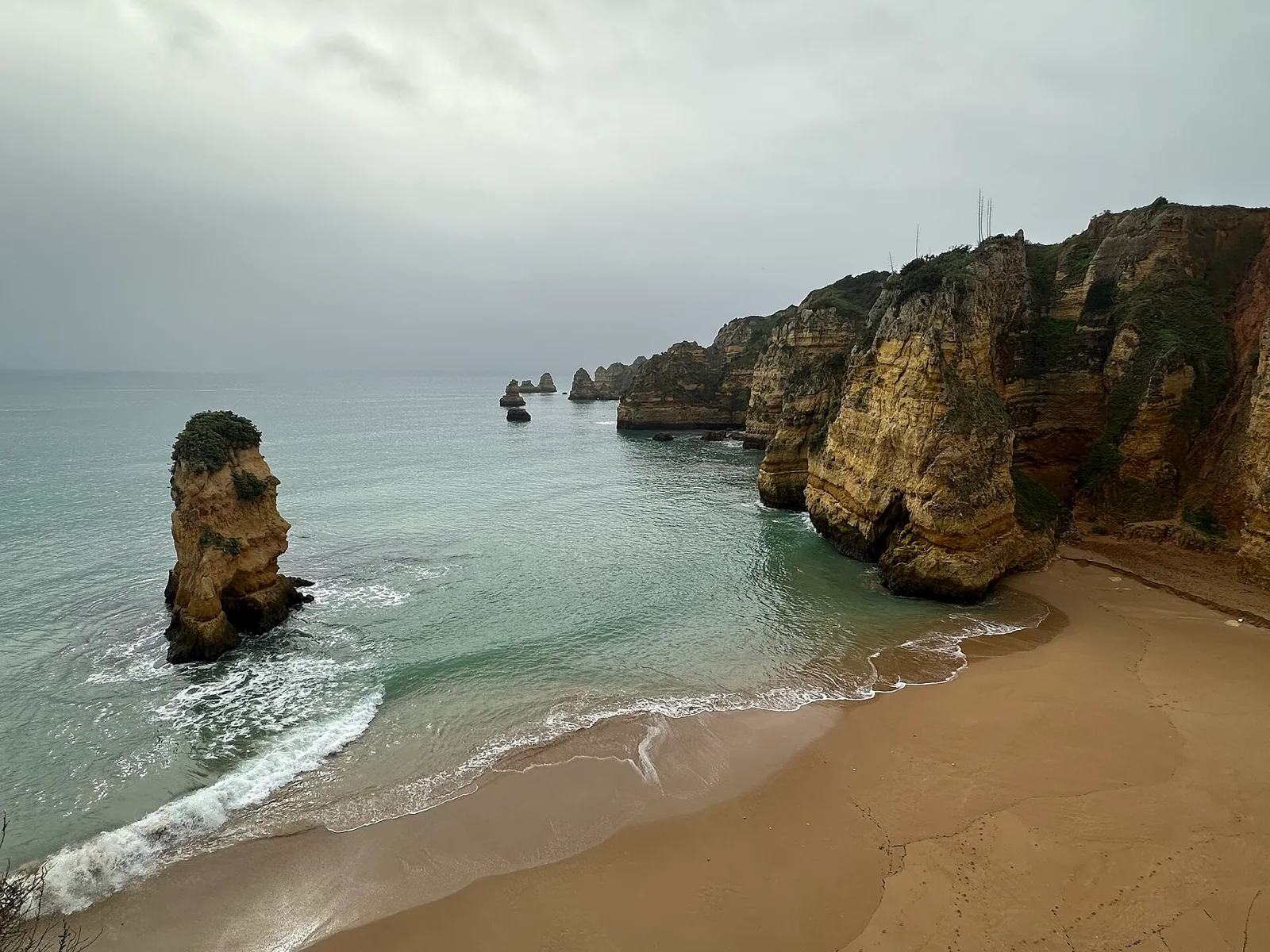
If we had to pick one time to visit, it would be September. The summer crowds thin out, prices ease, the sea is at its warmest after a long summer of heating, and the light turns golden. The Douro celebrates the grape harvest (vindima), one of the most atmospheric times to visit the wine country, and the cities are perfect for wandering.
October carries the magic on, warm and mellow, though the odd rainy spell creeps in later in the month and Atlantic swimming gets bracing again. For beaches, culture and wine in one trip with room to breathe, early autumn is hard to beat.
Time your trip to the harvestA September or October Douro wine day catches the vineyards mid-vindima, the region at its most aliveWinter (November to March): quiet, cheap and cosy
Portuguese winters are mild by European standards, and the low season has real charm if you set your expectations right. Lisbon and Porto are excellent value: short queues at the big sights, cosy Fado nights, cheap flights and hotels, and the odd bright, crisp day that feels like a gift. The Christmas and New Year window is the exception, busy and pricier.
Do not come for the beach. The Algarve is quiet and cheap but too cool for most swimmers, though it is lovely for cliff walks and golf. And expect some grey, rainy days anywhere, so this is a season for city breaks and countryside walks rather than sunbathing.
Two winter pleasures are genuinely worth travelling for. Almond blossom covers parts of the Algarve interior in late winter, turning the hills white weeks before spring arrives anywhere else. And Madeira’s New Year fireworks over the bay at Funchal are among the largest displays in the world, which is a reason to be on the island rather than the mainland at the end of December.
The year at a glance
| Month | Cities | Algarve sea | Crowds and price | Verdict |
|---|---|---|---|---|
| January | Cool, rainy spells | Too cold | Lowest | City breaks, almond blossom |
| February | Cool, brightening | Too cold | Low | Carnival, quiet sights |
| March | Mild, changeable | Too cold | Low | Green countryside, good value |
| April | Warm days, cool nights | Cold | Rising, Easter peak | Sightseeing at its best |
| May | Warm and settled | Warming | Moderate | Superb all-rounder |
| June | Hot and sunny | Comfortable | Building | Festivals, long evenings |
| July | Hot | Warm | High | Beaches, book everything |
| August | Hottest | Warmest | Highest | Busy, hot, expensive |
| September | Warm, golden | Warmest | Easing | The best month overall |
| October | Mild and mellow | Still warm early | Moderate | Harvest, quiet coast |
| November | Cool, wettest in the north | Too cold | Low | Cities and food |
| December | Cool, festive | Too cold | Low, then peak | Markets, then New Year |
By region: matching the map to the calendar
Portugal is small but its climate varies, so tune your timing to your route:
- The Algarve: best May to early October for beaches; hottest and busiest in July and August; quiet and mild in winter.
- Lisbon and Porto: great almost year round; loveliest in spring and autumn; hot but manageable in summer thanks to the Atlantic; cosy and cheap in winter.
- The Douro Valley: stunning in spring and at harvest in September and October; very hot at midsummer.
- Madeira and the Azores: mild and springlike much of the year, with the Azores best from late spring to early autumn.
The Algarve is the region where timing changes the trip most completely, since the same coastline is a packed international resort in August and a near-empty stretch of cliffs in February. Our guide to the Algarve covers which towns and beaches suit which version of that, including the quieter western end that stays manageable even in high season.
The festival calendar, which matters as much as the weather
Portugal’s summer is built around its saints’ days, and two are big enough to reshape a trip. Santo António fills Lisbon around 12 and 13 June with grilled sardines, street decorations and all-night neighbourhood parties in Alfama. São João does the same to Porto on the night of 23 June, with fireworks over the Douro and the city’s inexplicable tradition of plastic hammers. Both are joyful, both fill every bed in the city, and both are much better planned for than stumbled into.
Elsewhere on the calendar, Carnival livens up February, Easter week brings processions and a genuine price peak, particularly in Braga, and the stretch from Christmas to New Year is festive and fully booked. None is a reason to avoid a date, all are a reason to check the calendar before assuming a month is quiet.
What the weather can actually disrupt
Most of the year, weather is a matter of comfort rather than logistics. Three exceptions are worth planning around. Atlantic storms between late autumn and early spring bring wind and heavy rain to the west and north, and can cancel boat trips and ferries. Sea conditions close beaches and cave tours on the Algarve at short notice, since the famous coastal caves are reached by boat and the operators will not sail in swell.
And in the hot, dry interior in high summer, wildfires are a real and recurring feature of the Portuguese landscape, occasionally closing roads and affecting air quality in rural areas. If your itinerary takes you inland in July or August, keep an eye on local advice, take road closures seriously and know how to reach help: our guide to emergency numbers in Portugal covers who to call and what to expect.
What to pack, by season
Summer: light clothes, swimwear, a hat and real sunscreen, plus a light jacket or windproof for Atlantic evenings, which cool more than the daytime temperature suggests. Shoes with grip for cobbles matter more than sandals in the cities.
Spring and autumn: layers and a rain jacket, since the pattern is bright spells and sharp fronts. Evenings are cool everywhere and cold inland.
Winter: a proper waterproof rather than an umbrella, warm layers, and shoes that handle wet cobbles, which are the single most slippery surface in Portuguese cities. Note that heating in older buildings and guesthouses is often modest, so a warm layer for indoors is not a joke.
Portugal or Spain, by season?
If you are choosing between the two and your dates are fixed, the seasons genuinely favour one over the other at times. In high summer, Portugal’s Atlantic coast is cooler and more bearable than Spain’s baking interior, while Spain’s Mediterranean coast has the warmer sea. In winter, the Algarve and southern Spain are both mild, and Portugal’s north is wetter than most of Spain.
The season also decides how far it is worth straying from the famous three regions. The middle and the north are green, cheap and quiet in late spring and early autumn and genuinely wet in winter, which is exactly when the Algarve is at its most appealing; our guide to Portugal beyond Lisbon, Porto and the Algarve covers what is out there and when to go for it.
In the shoulder months, honestly, both are wonderful and the decision should be made on what you want to do rather than on the forecast. Our comparison of Portugal and Spain weighs cost, food, beaches, crowds and travel distances, which is the more useful axis once the weather stops deciding for you.
The short version
Aim for the shoulder months, April to June or September to October, and you get the best of everything: warmth, space and value. Travel in high summer only if you must, and book early. Come in winter for a cheap, quiet city break with the Fado and the port. Remember that the two coasts have different seas, that the interior runs hotter than anywhere on the water, and that a June trip may land you in the middle of a very large party. Whatever the month, match your dates to your destination, because the Algarve in February and the Douro in August are two very different Portugals.
Which is deciding your dates, the sea temperature or the crowds?