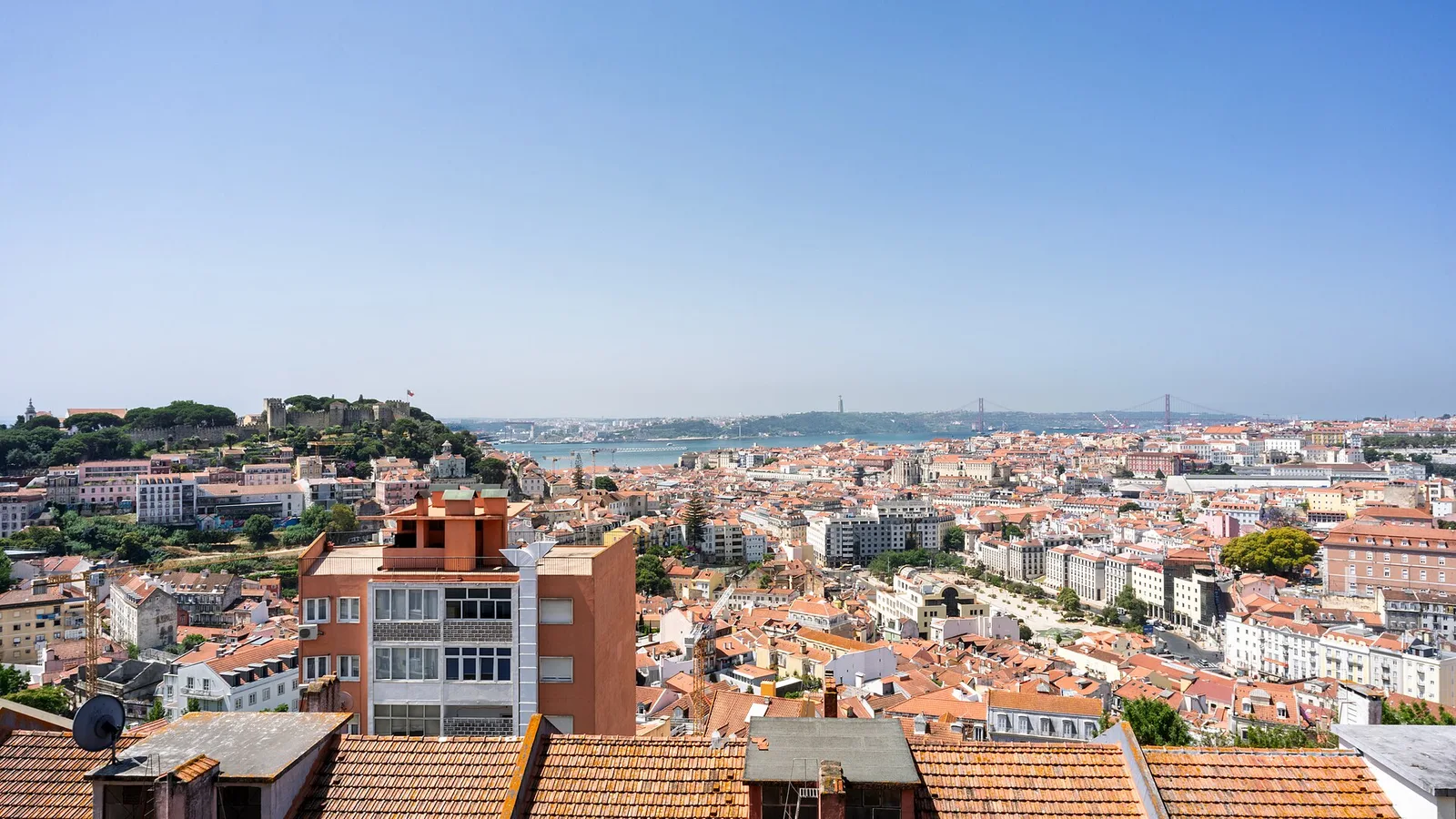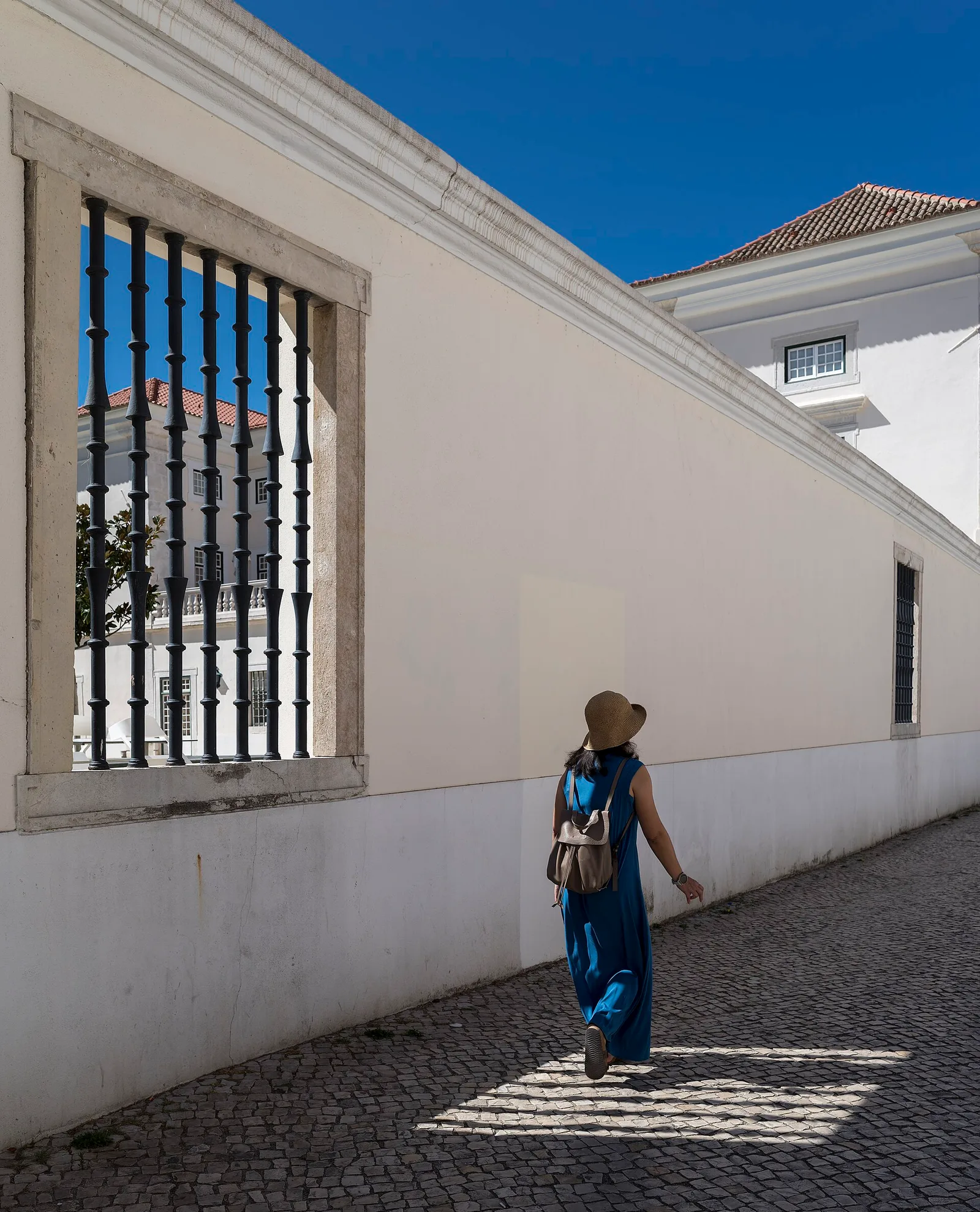
Lisbon is built on hills, and that single fact should drive your booking more than any list of neighbourhood characters. A room four hundred metres from another can be forty metres above it, which is the difference between wandering back for a rest in the afternoon and committing to being out until dinner. Here is what each district is actually like, and the check that matters more than the district name.
The central districts
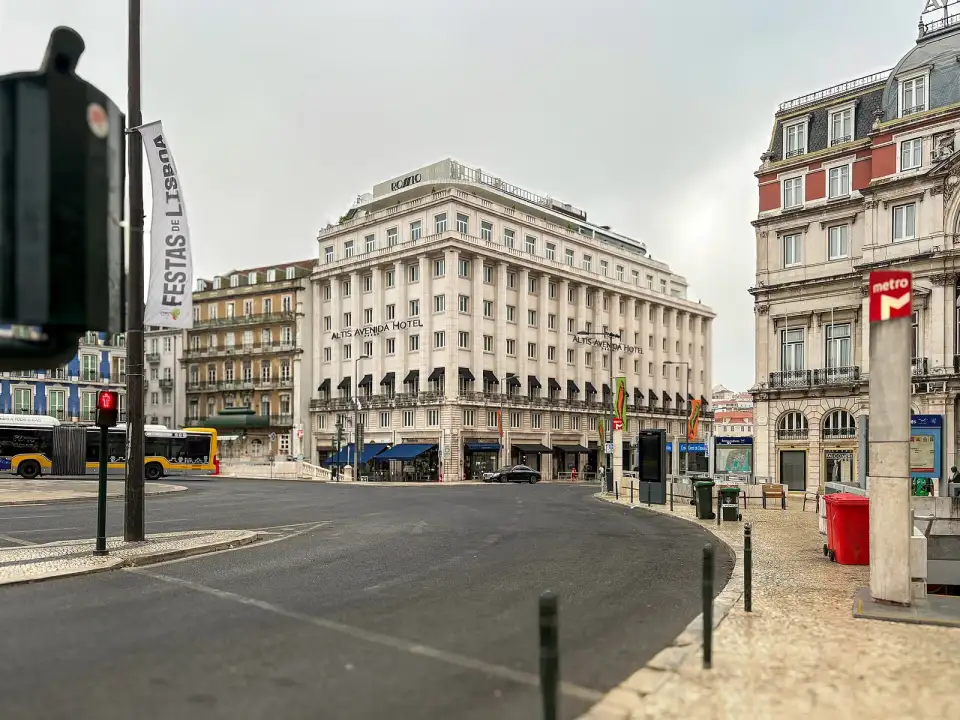
Baixa is the flat grid between the river and the hills, rebuilt on a plan after the earthquake. Central, easy with luggage, well connected, and the least characterful of the central options. The safe first-visit choice.
Chiado sits immediately above Baixa: elegant, full of cafes, bookshops and theatres, walkable to almost everything, and only moderately steep. For a lot of visitors this is the sweet spot.
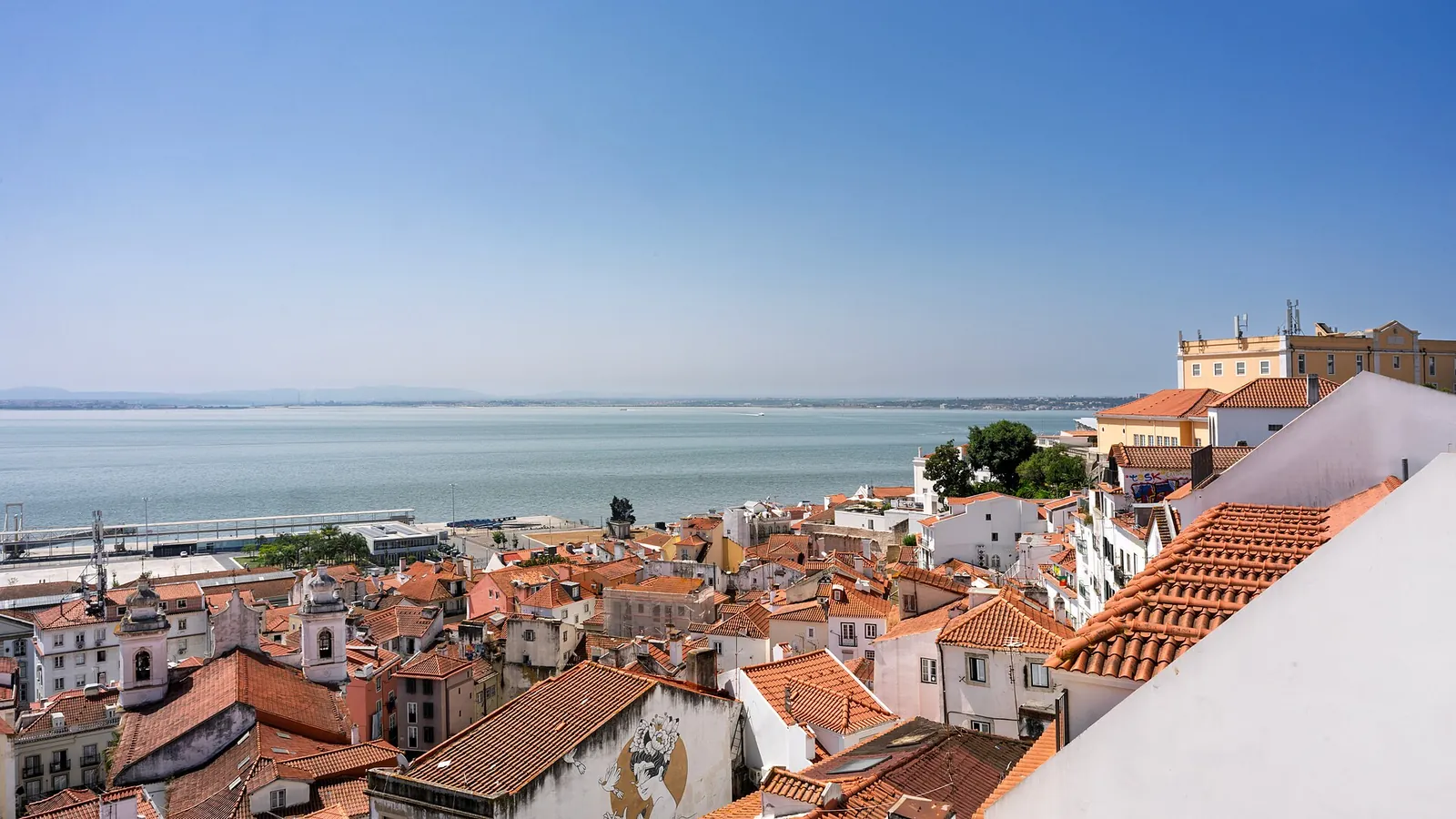
Alfama is the medieval quarter that survived the earthquake, a tangle of stairs, alleys and washing lines below the castle. The most atmospheric part of the city and the most physically demanding.
Bairro Alto is quiet by day and extremely loud by night, since the drinking here happens in the street. Great to visit and difficult to sleep in.
Principe Real is the smart, leafy quarter above Bairro Alto: good restaurants, independent shops, a garden square, and calm nights within walking distance of loud ones.
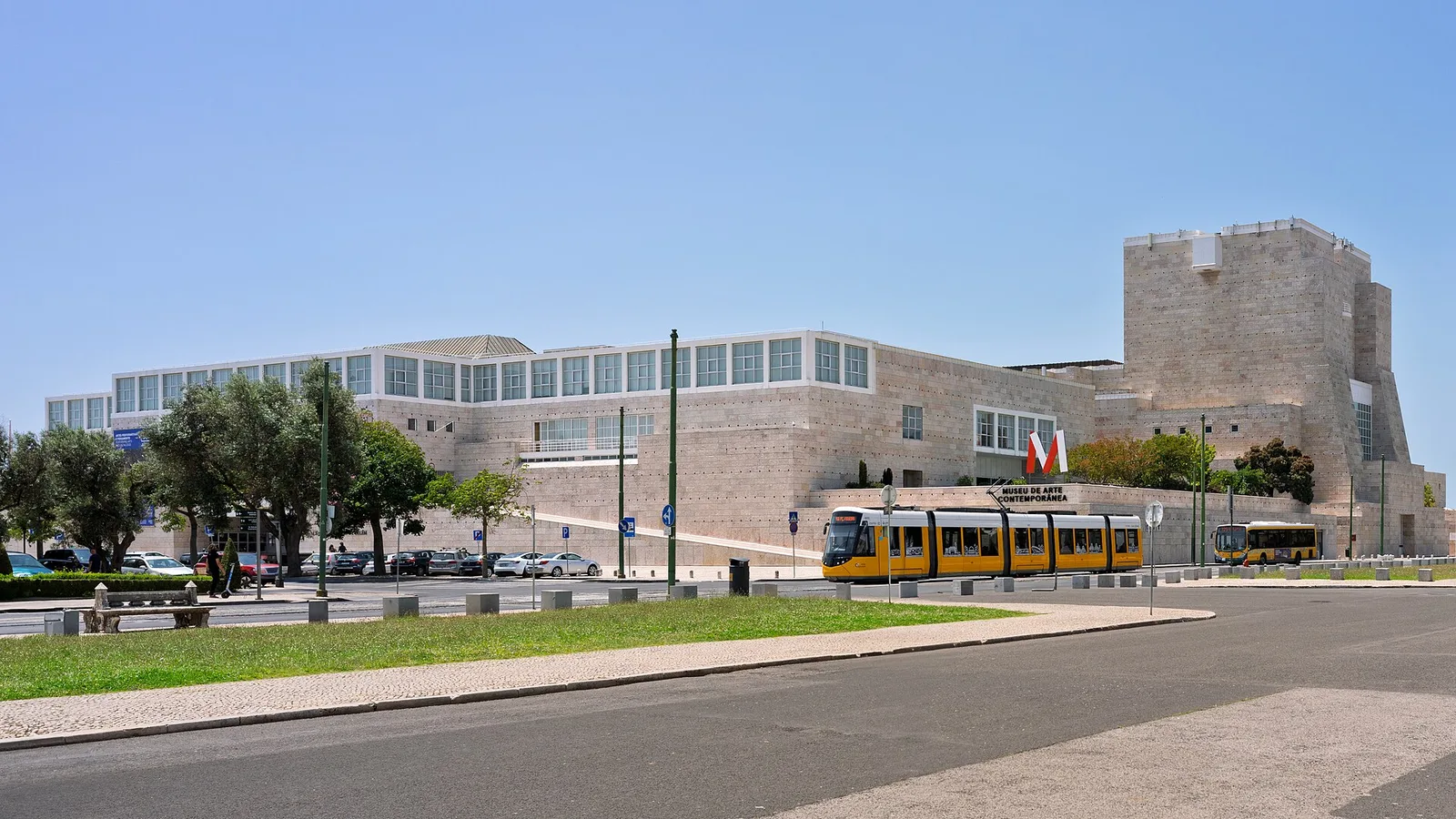
Belem, further west along the river, has the monuments and the famous pastry shop and is a district you visit rather than sleep in.
For what is actually in each of these quarters rather than what it is like to sleep in them, our Lisbon guide covers the city itself.
Who each suits
First visit, normal luggage, want it easy? Baixa or Chiado.
Here for the atmosphere and prepared for stairs? Alfama.
Out most nights? Principe Real or Cais do Sodre, not Bairro Alto itself.
Longer stay or a return visit? Principe Real, Estrela or the streets around Campo de Ourique, where you stop being a visitor.
Travelling with a pushchair or limited mobility? Baixa, and check for a lift.
Getting around from wherever you land
The city’s transport is built around the hills and is part of the fun.
Metro is clean, cheap and useful for longer hops, and does not reach every hilltop.
Trams climb where the metro does not, including the famous one; our guide to tram 28 covers whether the route is worth riding as a sight rather than as transport.
Funiculars and the lift connect specific levels and are genuinely practical rather than novelties.
Tuk-tuks are everywhere, are aimed squarely at visitors, and are the pragmatic answer to a hill with luggage.
Walking is the default and is the reason your feet will hurt.
What to check before booking
Five things, in order of how much they will affect your week.
The gradient and the steps, as above.
Whether the building has a lift. Many older Lisbon buildings do not, and a fourth-floor flat means four flights.
Noise, particularly in Bairro Alto, Cais do Sodre and around Alfama’s fado streets, where the evening is outdoors.
The distance to a metro or tram stop measured in vertical metres rather than horizontal ones.
Whether the view is yours or belongs to a shared terrace.
Timing
Spring and autumn are the peak and are also when the city is at its best, so central rooms go early.
Summer is hot, busy and expensive, and the Atlantic breeze saves it in the evenings.
Winter is mild by European standards, wet in bursts, and by far the best value, with the light that Lisbon is famous for at its softest.
Whenever you come, the journey in is the easy part, since the airport sits unusually close to the centre; our guide to Lisbon airport transfers covers the options and which suits which district.
The short version
Book Baixa or Chiado for a first visit, Alfama if atmosphere matters more than your calves, Principe Real for calm near the nightlife, and not Bairro Alto itself unless you plan to be out until three. Before you confirm anything, look at where the building sits on the hill, whether there is a lift and how you reach the door with a case. In Lisbon that matters more than the neighbourhood name, and it is the one thing the listing will not tell you.