Lisbon has one of Europe’s best-placed airports: Humberto Delgado sits inside the city limits, barely 7 kilometers from downtown. That means no hour-long airport train, no 80 euro transfer, and a genuine choice between a 2 euro metro ride and a 15 euro car at the curb. Here is how every option works in 2026, what each really costs, and which one fits your arrival time, luggage and patience.
The metro: cheapest, and often quickest
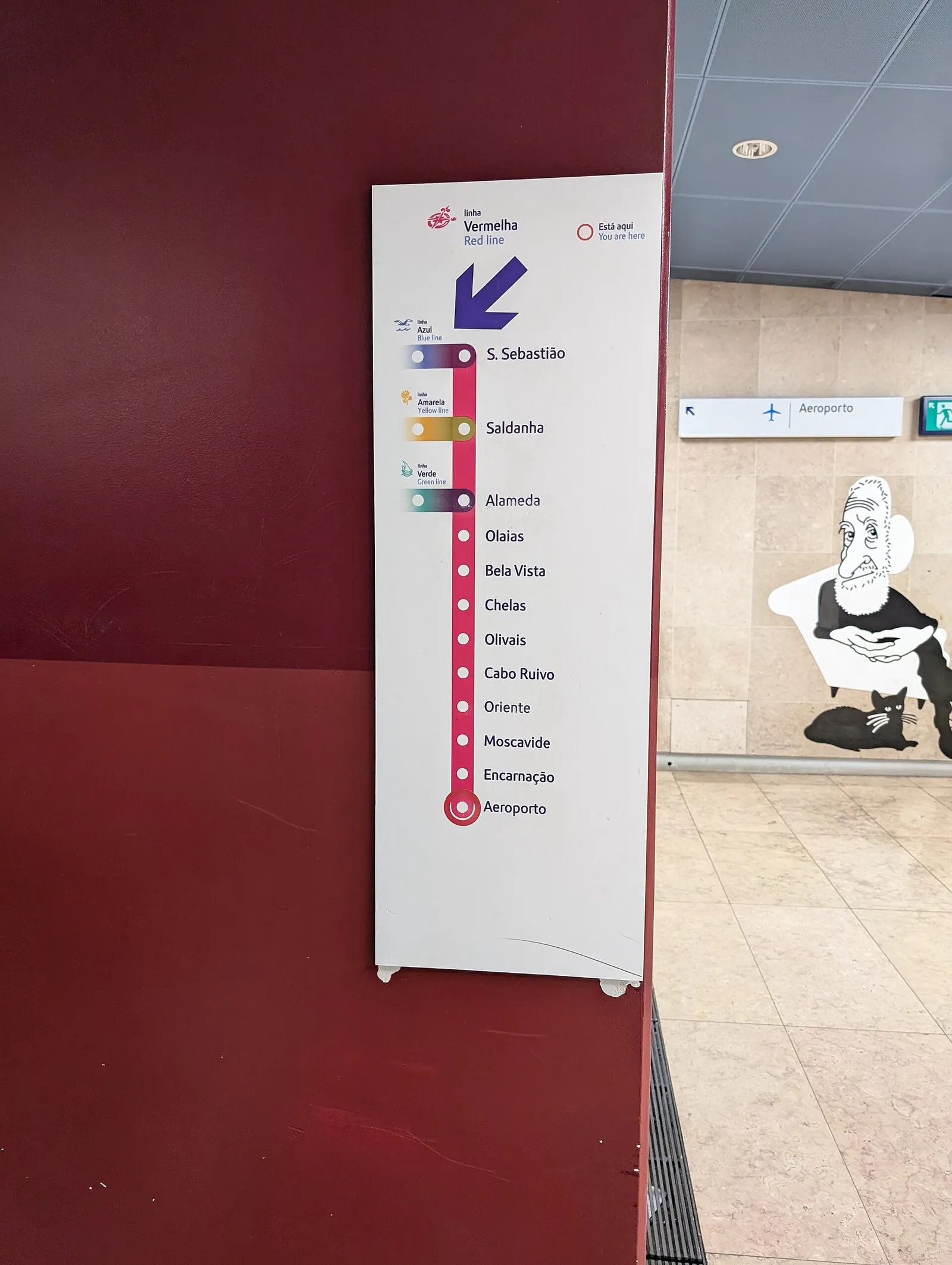
The red line (Linha Vermelha) starts at Aeroporto station, reached by a short signposted walk from arrivals. Trains run roughly every 6 to 9 minutes from 6:30 until about 1:00 at night.
Buy a reusable travel card (0.50 euros), sold under the Viva Viagem and Navegante names, from the machines, which have English menus. Load either single fares (about 1.90 euros) or a 24-hour unlimited pass (around 7.25 euros) that also covers trams, buses and funiculars, a good deal if you will ride Tram 28 or the hills later that day. Fares are adjusted most years, so treat these as close approximations and check the machine or the Metro de Lisboa site for the exact figure. Tip: load the 24-hour pass or several trips at once, because one card holds one type of credit at a time.
No red line station is in the old town itself, so nearly every visitor changes once: at Alameda to the green line for Baixa, Rossio and Cais do Sodre, or at Saldanha to the yellow line for Marques de Pombal and Rato. Total journey to the center: 25 to 35 minutes, immune to traffic. The only real downside is luggage: stairs appear at some connection points, and rush-hour trains get tight around a big suitcase.
Taxis: the rank still works
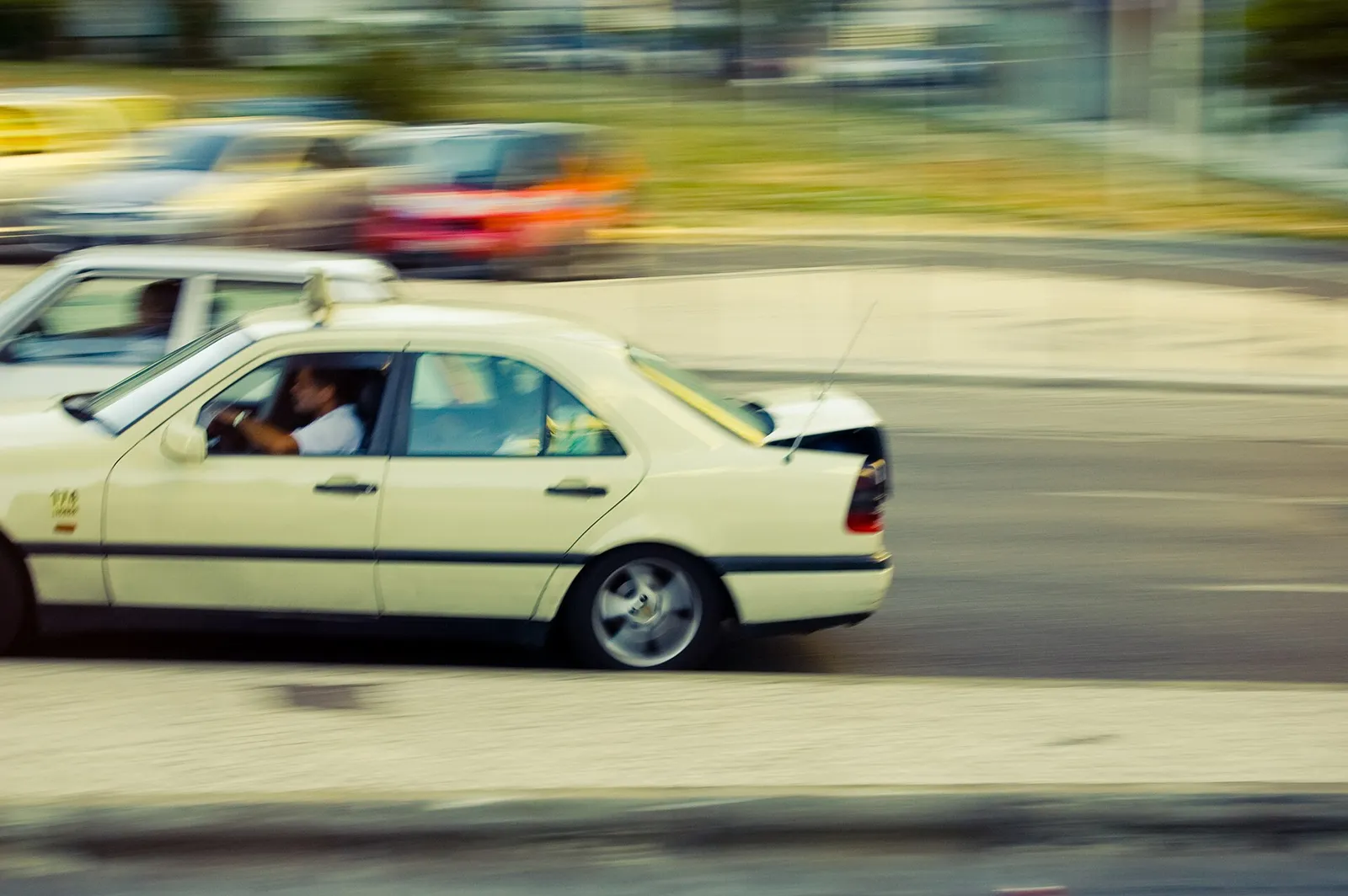
The official taxi rank sits outside arrivals, cream or black-and-green cars, always metered. Expect 15 to 25 euros to the center including the airport surcharge and a small fee per luggage item, with fares about 20 percent higher at night and on weekends. The ride takes 15 to 25 minutes outside rush hour.
Lisbon taxis are honest by big-city standards, but the airport queue has its occasional chancers. Insist on the meter, keep the receipt, and skip anyone who approaches you inside the terminal offering a ride; drivers who solicit indoors are the ones to avoid.
Uber and Bolt: usually the sweet spot
Uber and Bolt both operate legally in Lisbon and pick up at signposted ride-hailing zones on the departures level or the P2 area, follow the app’s walking directions. Typical fares to downtown run 10 to 18 euros, a notch under the taxi meter, with the price fixed before you ride and no luggage games. Bolt is often slightly cheaper; having both apps installed takes two minutes and wins a few euros per trip.
The apps run 24 hours, which makes them the default for arrivals after the metro closes at 1:00. The one caveat is surge pricing: land at a peak moment and the quote can briefly beat the taxi meter, so glance at both before committing. You will want data the moment you land for exactly this, one more argument for sorting an eSIM before you fly.
Buses, and a word on the Aerobus
The dedicated Aerobus shuttle no longer exists; it was discontinued and has not come back, so ignore older guides still selling it. Regular Carris city buses (such as the 744 and 783) stop outside the terminal for a couple of euros, and the night bus 208 covers the small hours. They are fine for locals and light packers, but with suitcases the metro beats them by day and ride-hailing by night.
Private transfers and hotel pickups
Pre-booked private transfers cost around 25 to 40 euros to the center: a driver at arrivals with your name on a sign, help with bags, and a fixed price. Overkill for a couple with carry-ons, but genuinely worth it for families landing late with children and car seats (request seats when booking, ride-hailing cars rarely carry them), groups of four or more where the math beats two Ubers, and anyone who just wants zero decisions after a long flight.
Every option at a glance
| Option | Price to center | Time | Runs | Best for |
|---|---|---|---|---|
| Metro (red line) | About 2 euros with card | 25 to 35 min | 6:30 to 1:00 | Budget travelers, light luggage |
| Taxi (rank) | 15 to 25 euros | 15 to 25 min | 24 hours | No-app arrivals, short queues |
| Uber / Bolt | 10 to 18 euros | 15 to 25 min | 24 hours | Most travelers, night arrivals |
| City bus | About 2 euros | 35 to 50 min | Day + night lines | Light packers, no rush |
| Private transfer | 25 to 40 euros | 15 to 25 min | 24 hours, pre-booked | Families, groups, car seats |
Landing in Porto instead?
Porto’s Francisco Sa Carneiro Airport plays the same game with even simpler rules: metro line E (violet) runs from the terminal straight to Trindade in the center in about 25 to 30 minutes for around 2.25 euros plus the Andante card, running from early morning until about 0:30. Taxis and ride-hailing cost roughly 20 to 30 euros. From Trindade you are a downhill stroll from everything in our Porto guide, and well placed for a Douro Valley day trip later in the week. Which of the two airports you land at is itself a decision worth making deliberately rather than by fare alone; our comparison of Lisbon and Porto sets out what each city gives a week.
The short version
Traveling light by day, take the metro for 2 euros and change once. Arriving at night, tired or in company, open Uber and Bolt and pay 10 to 18 euros. Book a private transfer for late family landings, and collect a rental car at the airport only if you are driving straight out of town. Lisbon’s airport-to-city hop is one of Europe’s easiest, which leaves your energy for the decisions that matter, starting with our first-time Portugal guide.
Two of those decisions belong to this same sitting. The first is the shape of the week itself, because whether you sleep in one city or three changes which airport you fly home from; our one-week Portugal itinerary sets out the three routes that actually work. The second is cover, particularly if a hire car is part of the plan, since the excess is the line that catches people out; our guide to travel insurance for Portugal covers what to check.
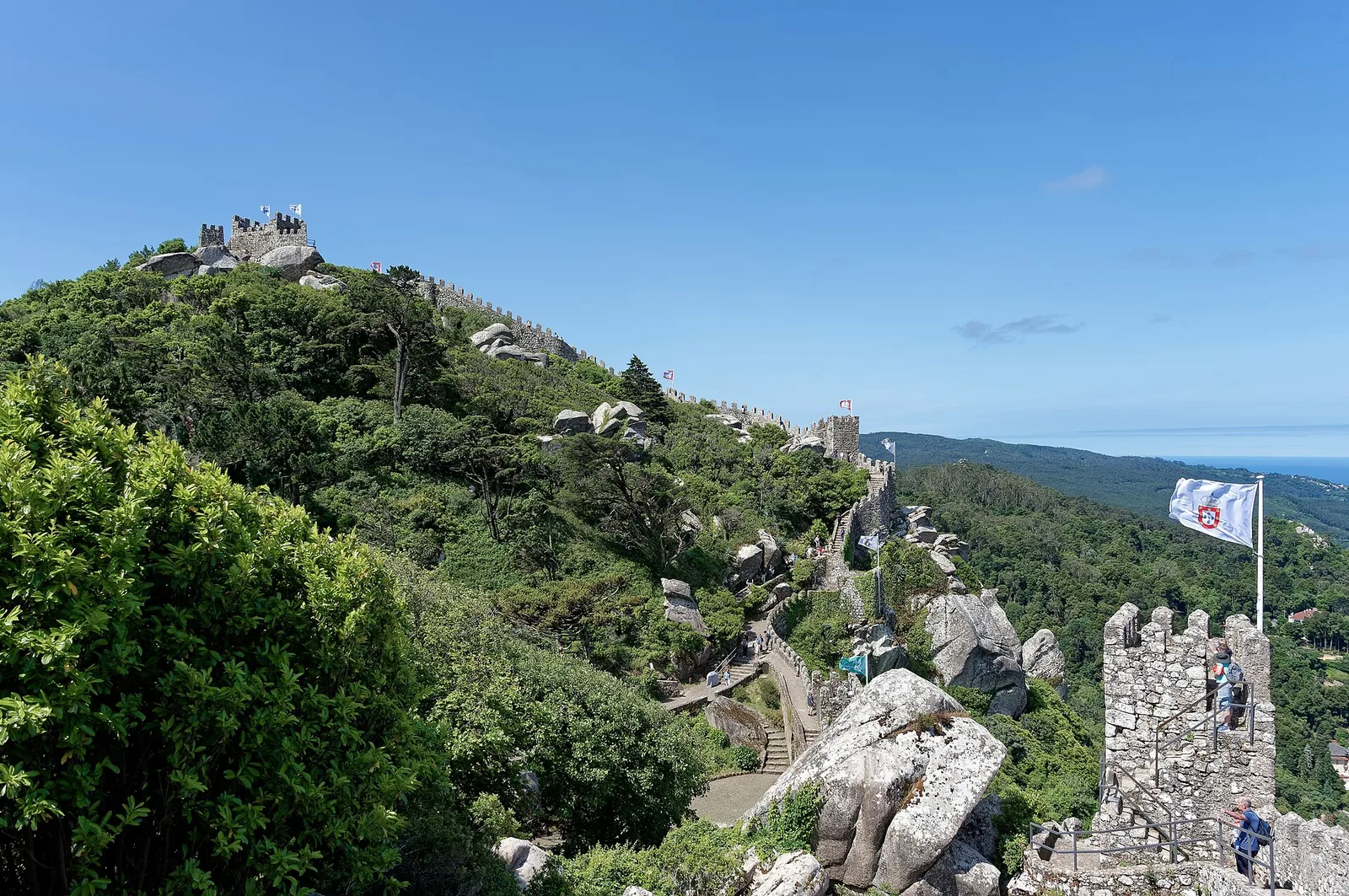
One more thing worth settling before you land, because it is the day trip everyone takes and the one that punishes a late start: the palace hill west of the city runs on timed tickets and the earliest train. Our guide to a Sintra day trip covers how to do it without spending the day in queues.