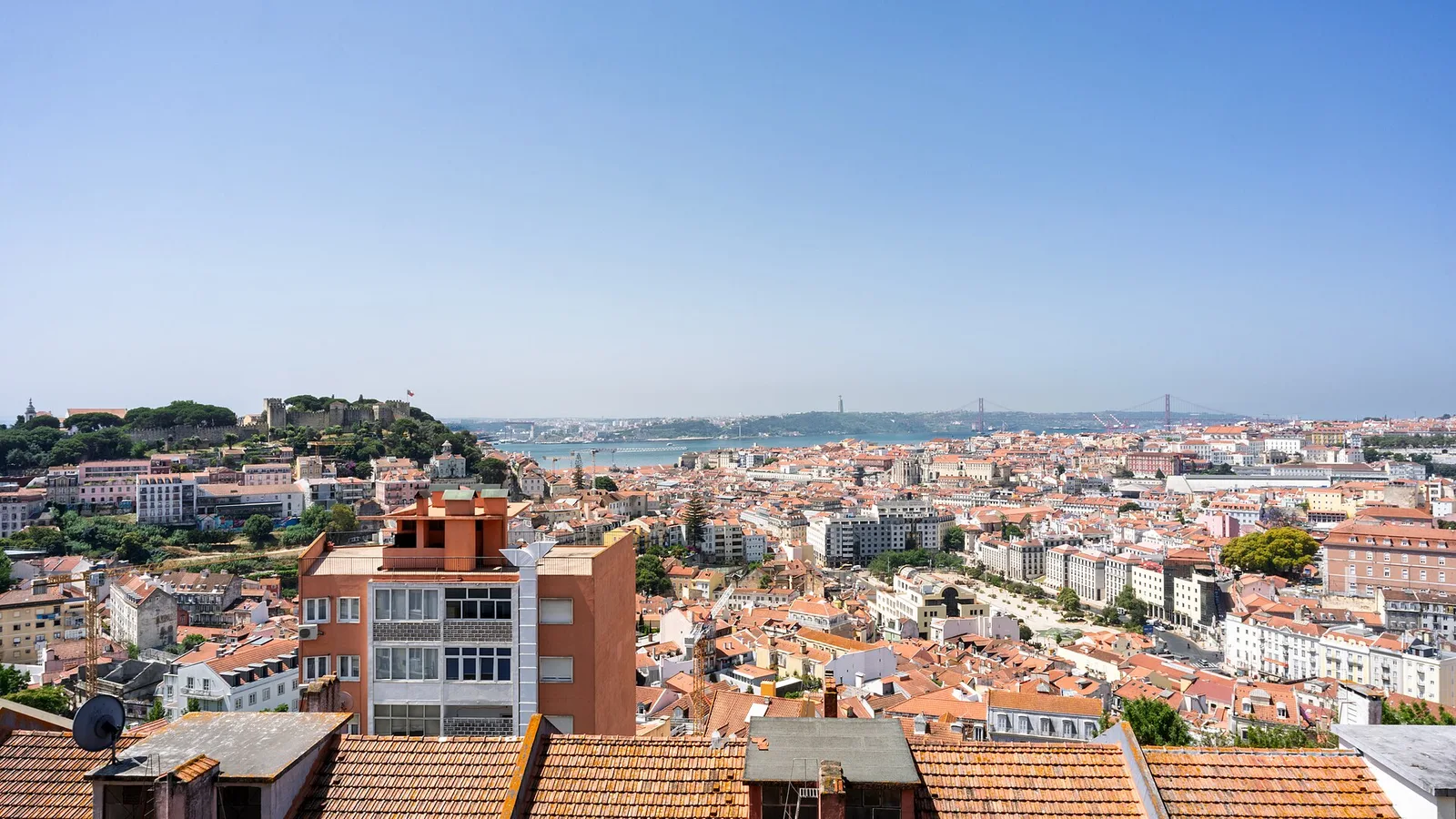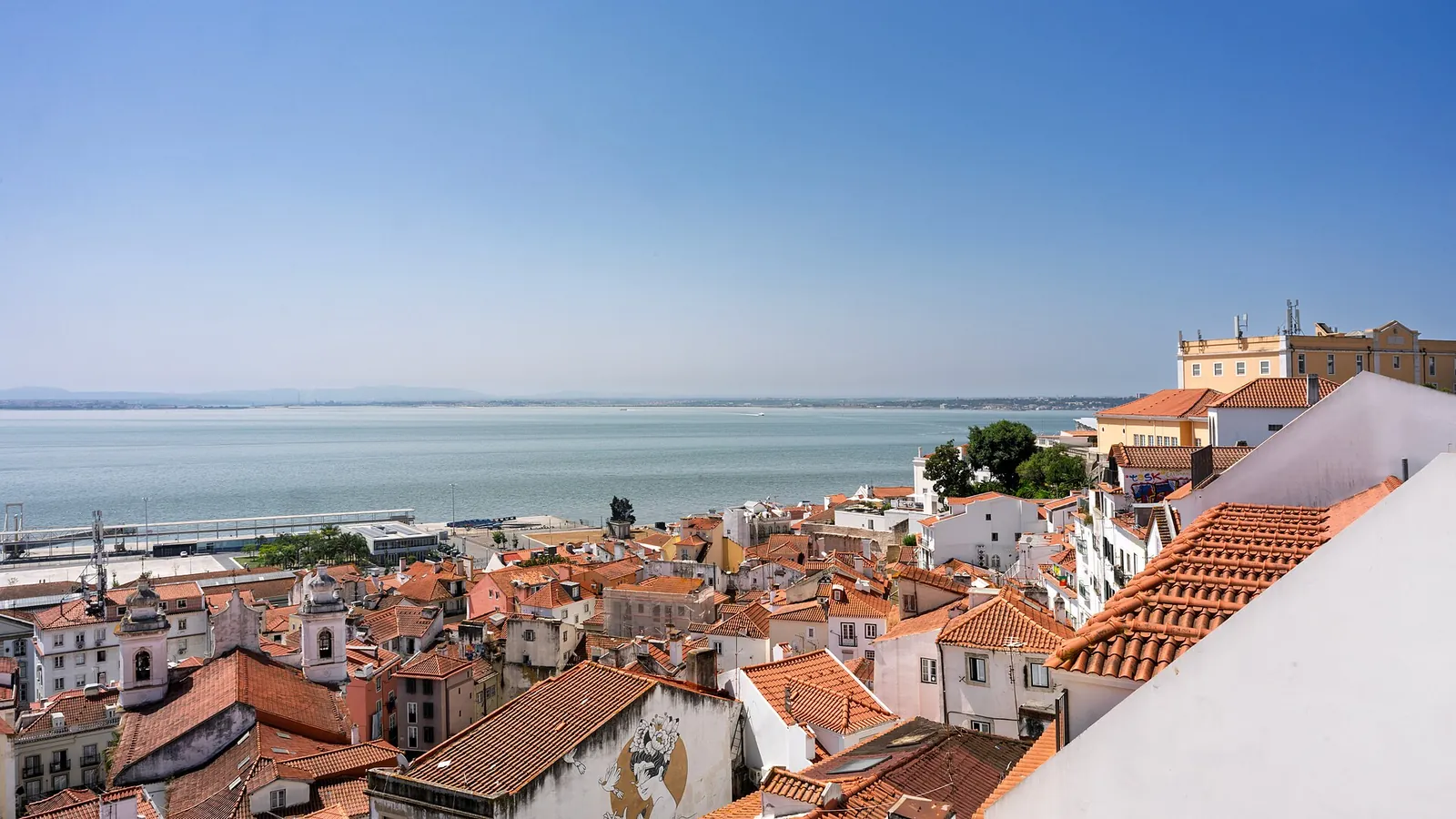
The first thing Lisbon did to me was make me sweat. I had booked a hotel in Alfama because the photos looked gorgeous, dragged my suitcase off the metro at Rossio, and then realised the last stretch was straight uphill on cobbles polished slick by a century of footsteps. Ten minutes later I was standing at a tiny viewpoint, breathing hard, looking out over a sea of terracotta roofs and the wide silver Tagus, and I forgave the city everything. That is Lisbon in a sentence: it makes you work, and then it rewards you.
This is the pillar guide I wish I had before my first trip. Lisbon is built across seven hills (locals will argue about the exact count), and understanding how those hills and neighbourhoods fit together is the single most useful thing you can do before you arrive. Get that right and the rest of the city opens up easily.
How Lisbon Is Laid Out
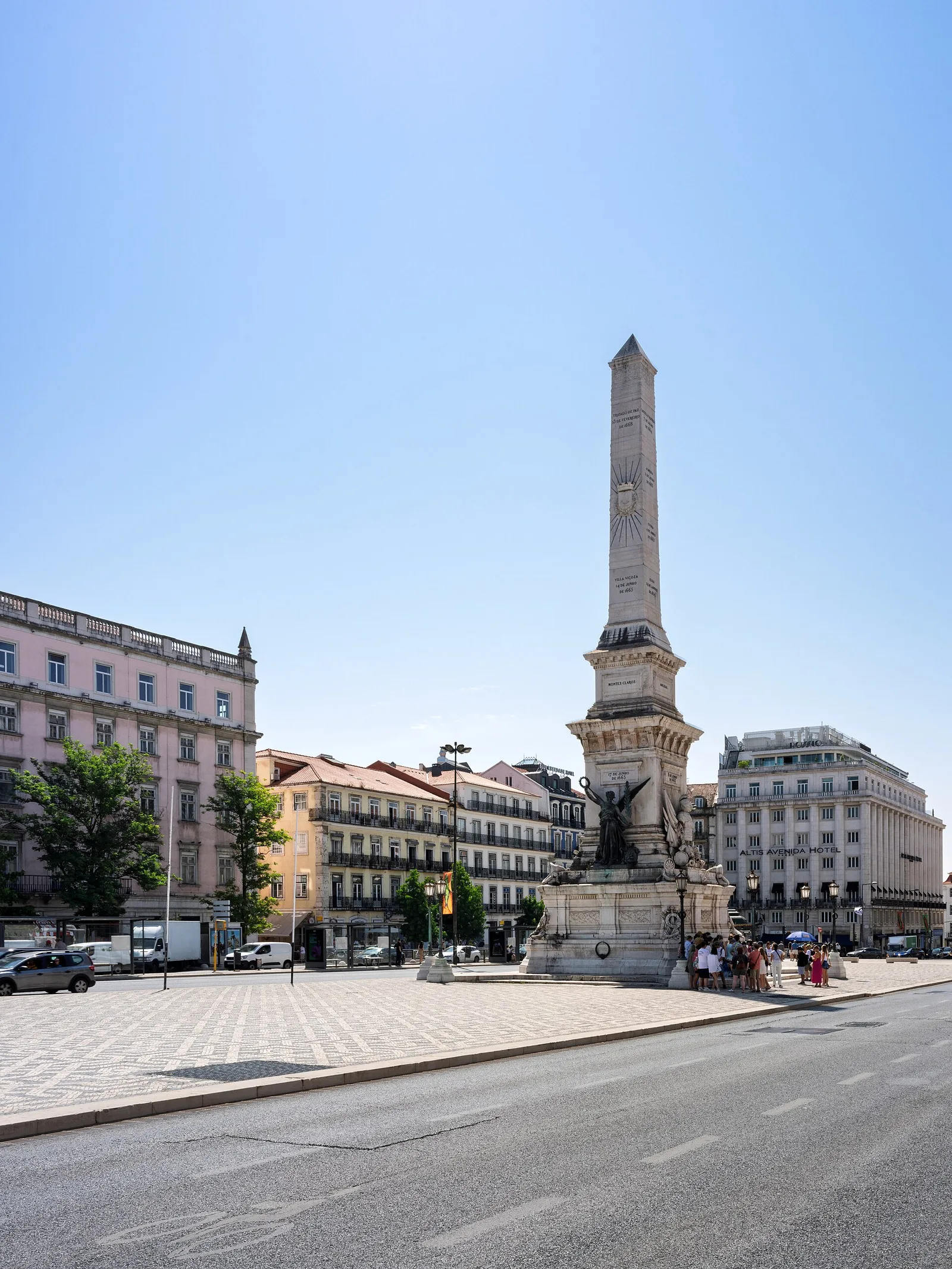
Think of central Lisbon as a valley with hills on either side. The flat middle is Baixa, the grid of shopping streets rebuilt after the 1755 earthquake. It runs from the grand riverside square, Praca do Comercio, up to Rossio and Restauradores.
The hills on either side
To the east rises Alfama, the old Moorish quarter, a tangle of stairways, laundry lines and fado bars under the castle. To the west climbs Bairro Alto and, just below it, the elegant Chiado, all bookshops, theatres and cafes. Keep walking west along the river and you reach Belem, home to the monastery and the famous custard tarts. Up the hill behind Baixa sits Graca, quieter and full of some of the best viewpoints.
Where the money and the nightlife sit
Avenida da Liberdade is Lisbon’s tree-lined luxury boulevard, running north from Restauradores towards the modern business district. Principe Real above Bairro Alto has become the fashionable neighbourhood for design shops and good restaurants, while Cais do Sodre by the river is the nightlife strip that never quite goes to sleep.
How Many Days Does Lisbon Need?
For a first visit I would give Lisbon three to four full days, and here is the honest breakdown. Two days covers the historic core: Alfama, the castle, Baixa, Chiado and Bairro Alto, plus a first round of viewpoints and dinner with fado. A third day is for Belem and its museums. A fourth lets you fold in one big day trip, usually Sintra.
If you only have two days, spend them in the centre and save Sintra for another trip rather than rushing it. If you have five or more, you can add Cascais, a slower pace and time simply to sit in a square. For where a Lisbon trip fits into a wider itinerary, my first time in Portugal guide lays out the classic routes.
Getting Around: Metro, Trams and Lifts
Lisbon’s public transport is genuinely good, and you do not need a car in the city. The best move on arrival is to buy a rechargeable Viva Viagem card at any metro machine, which works across the metro, buses, trams and the funiculars.
The metro
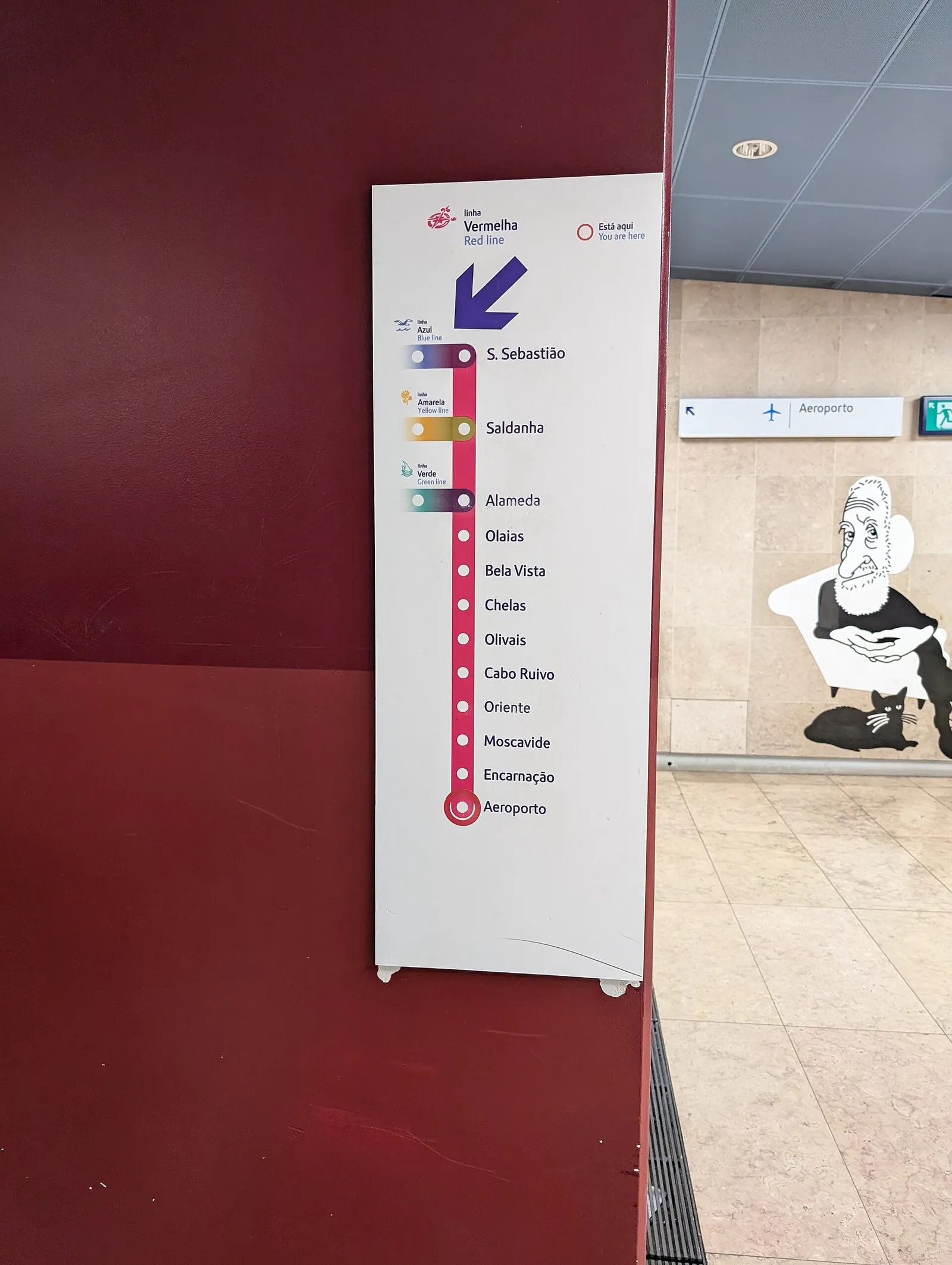
Four colour-coded lines cover most of what a visitor needs, including the airport (red line). It is clean, cheap and fast, and it is how I move between distant points. A single journey costs a couple of euros, and a 24-hour ticket that covers metro, trams and buses is usually the better value if you are moving around a lot. Prices change, so check the current fare at the machine.
Trams, funiculars and the Santa Justa Lift
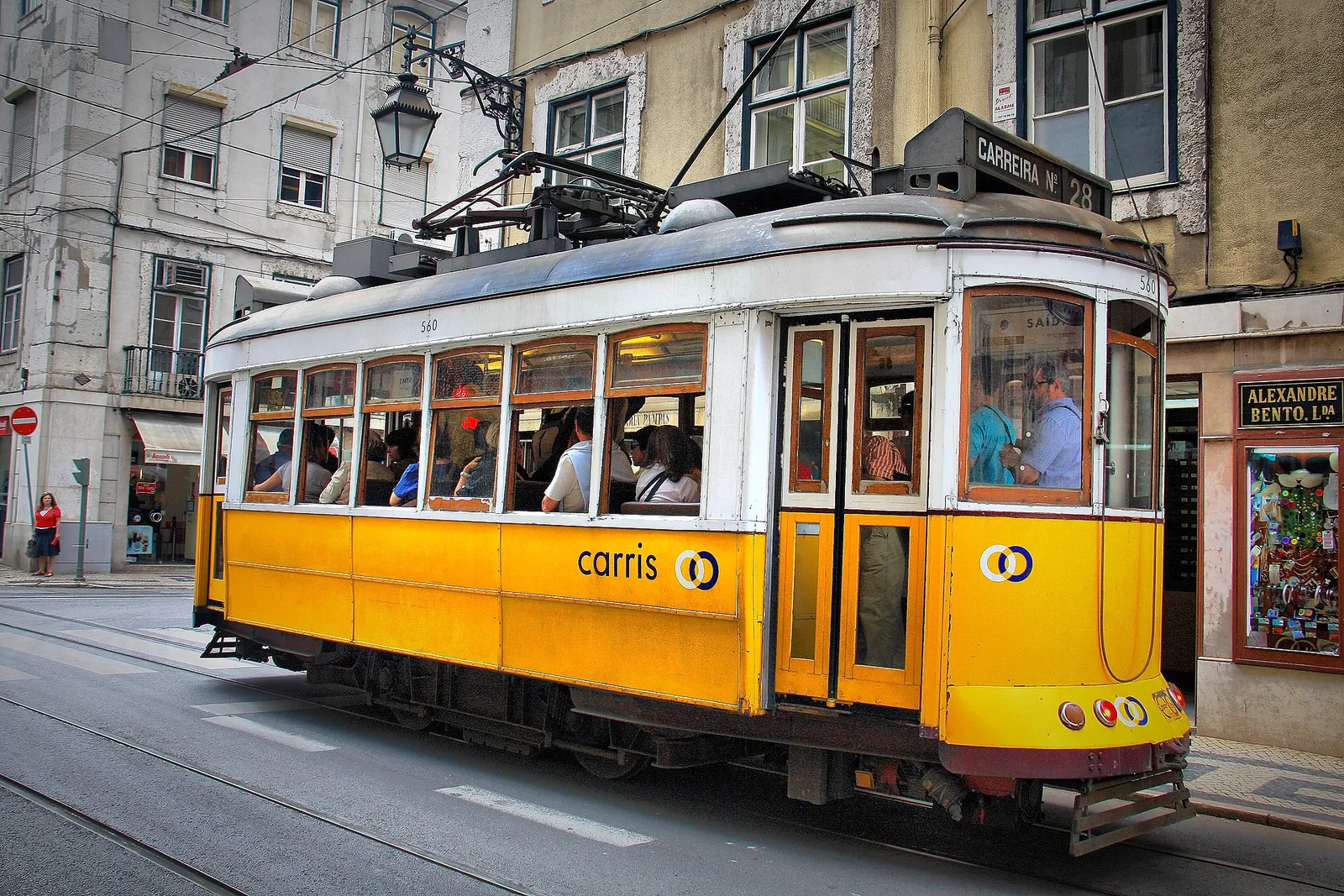
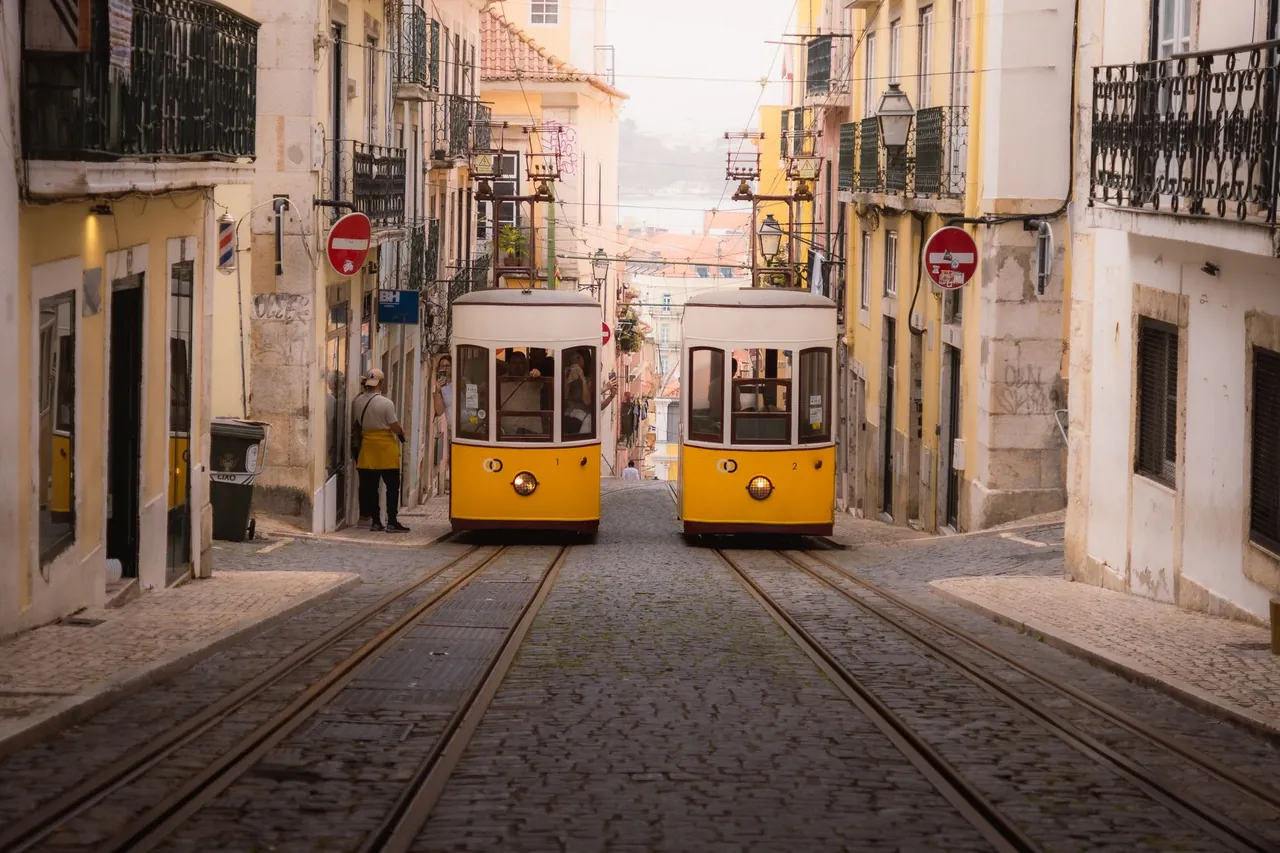
The yellow trams are half transport, half attraction. The famous tram 28 rattles through Alfama, Graca and Bairro Alto and is a lovely ride, though often packed. The three funiculars (Gloria, Bica and Lavra) haul you up the steepest hills, and the wrought-iron Santa Justa Lift connects Baixa to Chiado with a viewing platform on top. Be warned: the lift queue is enormous, and you can reach almost the same view for free by walking up through Chiado to the Carmo terrace beside it.
Walking, tuk-tuks and taxis
Much of the centre is best on foot, but respect the hills and wear proper shoes with grip; those cobbles are lethal in the rain. Tuk-tuks swarm the tourist areas and are wildly overpriced. For point-to-point trips, ride-hailing apps work well and are cheaper than they look.
The Sights Worth Your Time
Alfama and Sao Jorge Castle
Getting lost in Alfama is the point, so do it deliberately. The Castelo de Sao Jorge at the top gives you the definitive Lisbon panorama; go early or late to avoid both the crowds and the midday heat. Entry is around 15 euros, and the views from the ramparts justify it.
Belem
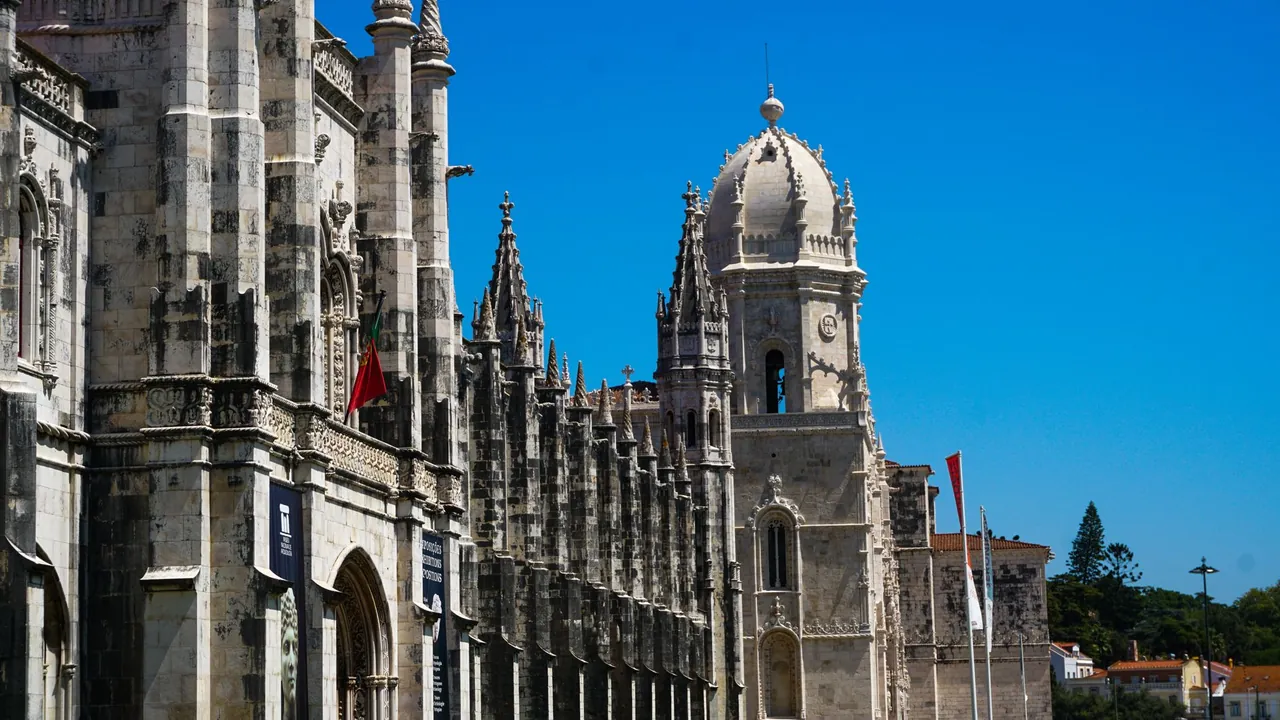
Belem is a half-day of its own. The Jeronimos Monastery is the finest thing in Lisbon, a masterpiece of Manueline stone carving, and the queue moves slowly, so arrive early or book ahead. Next door is the Belem Tower on the river, and a short walk away is Pasteis de Belem, the bakery that has been making the original custard tarts since 1837. They are worth the queue, warm, with cinnamon and icing sugar on the side.
The viewpoints
Lisbon calls its viewpoints miradouros, and collecting them is one of the great free pleasures here. My favourites are Miradouro da Senhora do Monte in Graca for the widest view, Miradouro de Santa Luzia in Alfama for the tiled terrace, and Miradouro de Sao Pedro de Alcantara above Bairro Alto for sunset with a drink.
What You Can Skip
Honesty time. The Santa Justa Lift as a ride is a tourist trap; enjoy the structure from below and skip the queue. The restaurants with laminated photo menus and waiters waving you in around Rua Augusta are mediocre and overpriced. The Oceanario is excellent but sits out in the modern Parque das Nacoes, so only make the trip if you have children or a real interest, not out of duty. And you do not need a hop-on-hop-off bus in a city this walkable and well connected.
Still deciding where to base yourself in Lisbon?Compare stays in Alfama, Chiado and Baixa, many with free cancellation.Where to Eat, by Area
Lisbon eats late and eats well. Lunch runs from roughly 1pm and dinner rarely gets going before 8pm.
Central and old town
In Alfama you eat for atmosphere and fado as much as food, so choose a place where locals go rather than the first door with a menu outside. Chiado and Bairro Alto are dense with options, from tiny tascas to the food stalls of the Time Out Market in Cais do Sodre, which is touristy but a genuinely good way to sample many chefs in one visit.
What to actually order
Start with bacalhau (salt cod, prepared a hundred ways), grilled sardines in summer, bifana pork sandwiches from a counter, and fresh seafood. A hearty meal with wine runs somewhere between 20 and 35 euros a head at a normal restaurant, far less at a tasca or market stall. Order the vinho verde or a glass of the house red; the house wine in Portugal is usually a pleasant surprise.
Day Trips: Sintra, Cascais and Belem
Sintra
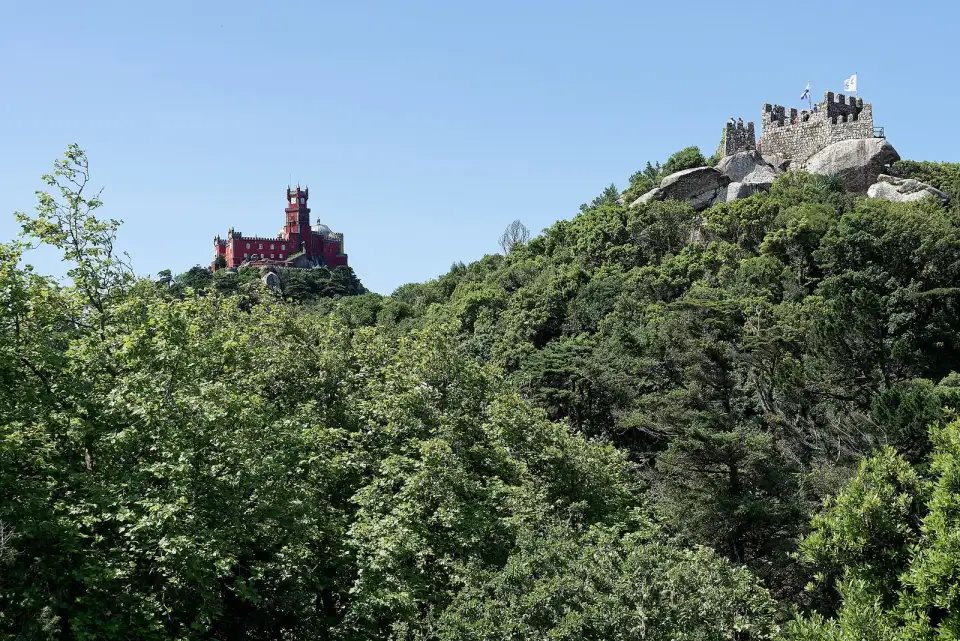
Sintra is the day trip nobody regrets, a misty hilltop town of palaces and gardens about 40 minutes by train from Rossio station. The show-stopper is the candy-coloured Pena Palace, along with the dreamlike gardens and initiation well of Quinta da Regaleira. Go early, buy tickets online, and pick two sites at most; trying to see everything turns a magical day into a forced march. Sintra gets brutally crowded from mid-morning, so the first train is your friend.
Cascais
Cascais is a breezy seaside town on the same coastal train line, all beaches, marina and easy strolling. It pairs beautifully with a slow afternoon after a busy few days in the city, and the train ride along the Tagus estuary is lovely in itself.
Comparing the day trips
| Day trip | Getting there | Time needed | Best for |
|---|---|---|---|
| Sintra | Train from Rossio, around 40 min | Full day | Palaces, gardens, fairytale scenery |
| Cascais | Train from Cais do Sodre, around 40 min | Half to full day | Beaches, relaxed seaside town |
| Belem | Tram 15 or train, around 20 min | Half day | Monastery, tower, custard tarts |
Lisbon or Porto for a First Trip?
Plenty of first-timers try to choose between the two big cities. Lisbon is bigger, brighter and closer to great beaches and Sintra; Porto is smaller, more concentrated, and the gateway to the Douro wine valley. I break the decision down in detail in Lisbon or Porto, but the short version is that Lisbon suits a longer, more varied first trip while Porto rewards a focused long weekend. If you have time, the full Portugal beginners guide shows how to combine both.
When to Visit
Spring (April to June) and early autumn (September to October) are the sweet spot: warm days, cooler evenings and thinner crowds. July and August are hot, busy and pricier, though the light is glorious and the beaches beckon. Winter is mild, quiet and often sunny, with the trade-off of shorter days and the odd rainy spell. Whenever you come, remember Lisbon’s weather can turn on the coast, so pack a light layer.
Final Thoughts
Lisbon rewards the traveller who slows down. Do not try to tick off every sight; give yourself time to get lost in Alfama, to linger at a miradouro at sunset, to eat late and walk it off on the way home. Cover the centre properly, save one full day for Sintra, and treat pickpockets as a solved problem rather than a worry. For deciding how Lisbon fits with the rest of your trip, Lisbon or Porto and the beginners guide to Portugal are the natural next reads, and for the first hour of it, our guide to Lisbon airport transfers covers the metro, the apps and when a private car is worth it.
What is the one thing you wish someone had told you before your first day in Lisbon? Tell me in the comments.