Almost every first trip to Portugal is the same three places: Lisbon, Porto and the Algarve, with Sintra and the Douro attached. That is a good trip and it is roughly a fifth of the country. The middle and the north hold a university city on a hill, a canal town with painted boats, two of the most historically important towns in the country sitting half an hour apart, a mountain national park and a coastline nobody photographs, all of it cheaper and quieter than the famous fifth.
Coimbra
What it is. A steep city on a river between Lisbon and Porto, built around one of the oldest universities in Europe.
The university occupies the top of the hill, and its baroque library is one of the great rooms in the country, visited on a timed ticket in small groups.
Student traditions are visible and unusual, from the black capes to a local style of fado sung by men, which is different from the Lisbon version.
It is steep, and the walk up from the river is the price of admission.
It fits naturally as a stop on the way between the two big cities rather than a detour.
Aveiro
What it is. A small city built on a lagoon, with canals, colourfully painted boats that once carried seaweed for fertiliser, and art nouveau facades along the water.
Half a day is right, and it pairs well with the striped-house beach town nearby.
The salt pans outside the town are still worked and are an unusual thing to see.
The local sweet, made from egg yolk and sugar and sold in painted tins, is the thing to bring home.
Do not expect Venice, whatever the marketing says. Expect a pleasant canal town with excellent light on the water.
Braga and Guimarães
Two towns half an hour apart in the north, both easy from Porto and both frequently skipped.
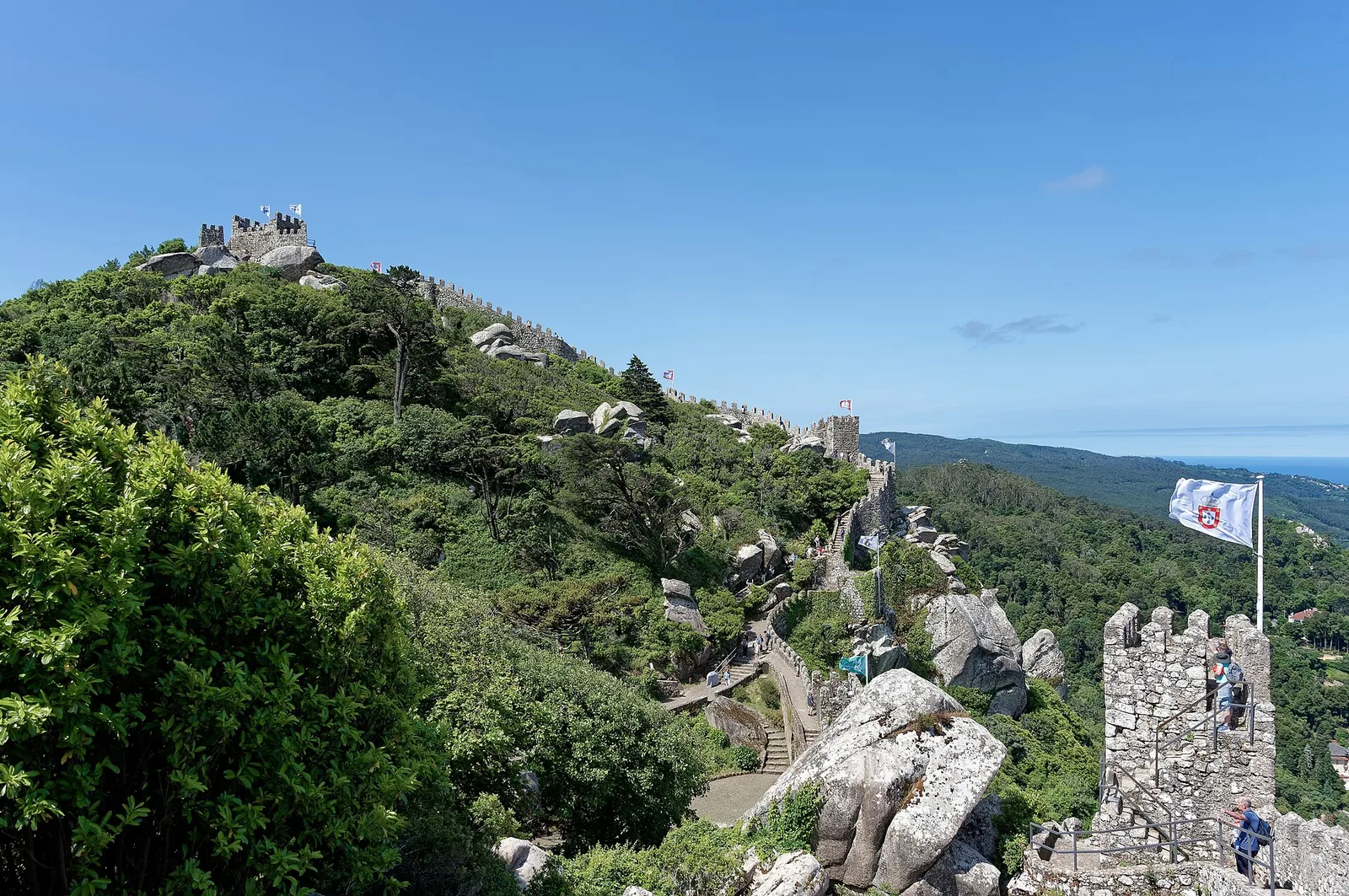
Guimarães is where Portugal began as a country, with a castle, a palace and a compact medieval centre that is genuinely lovely.
Braga is older still, an ecclesiastical city with a cathedral and a great many churches, and it has a young, lively feel from its student population.
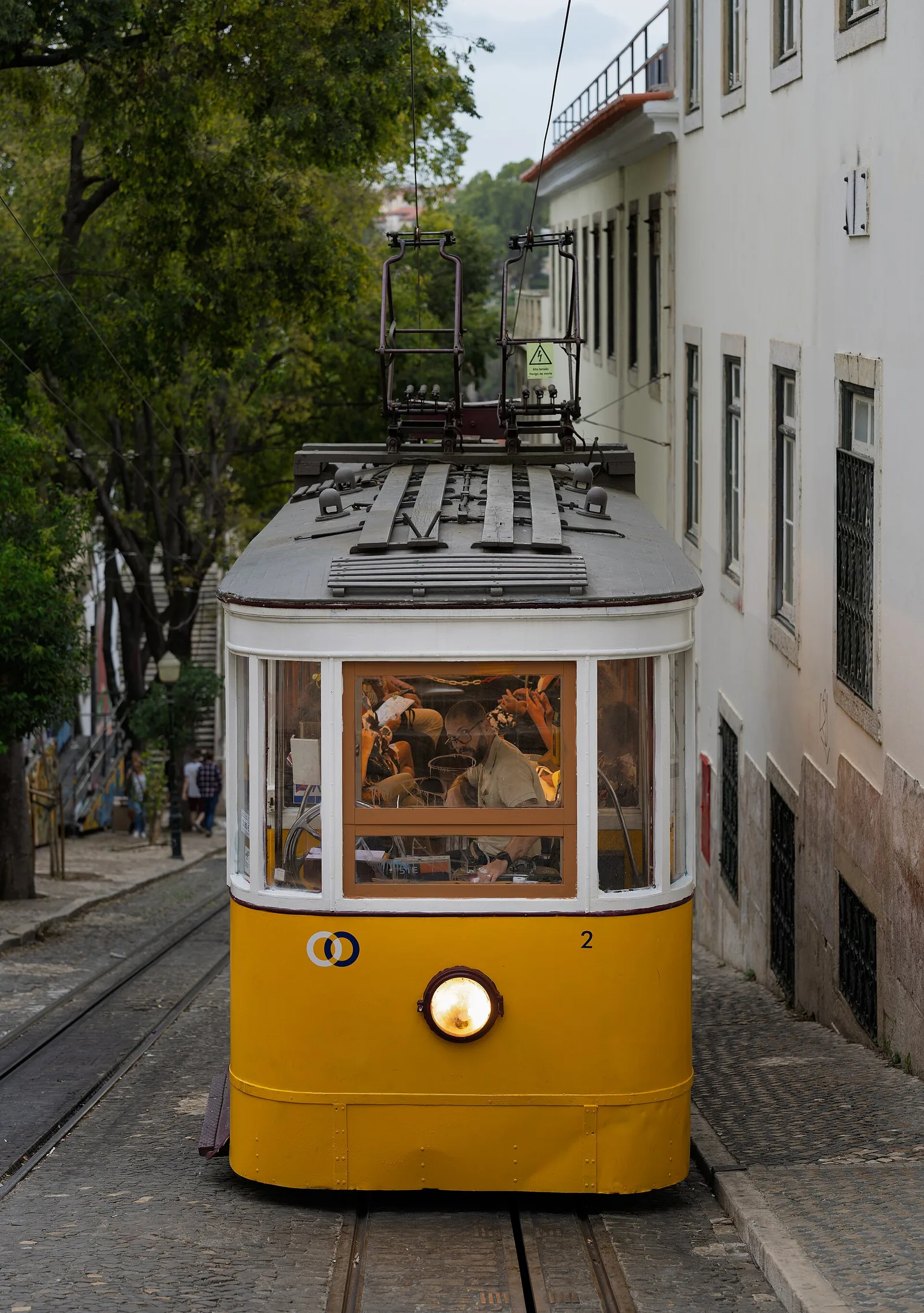
The baroque stairway above Braga, a monumental zigzag of steps and fountains climbing to a church on a wooded hill, is one of the most striking sights in the country and is reached by a water-powered funicular that has been running for well over a century.
Further into the countryside
The Minho, the far northwest, is lush, agricultural and the home of the light fizzy white wine that carries its name.
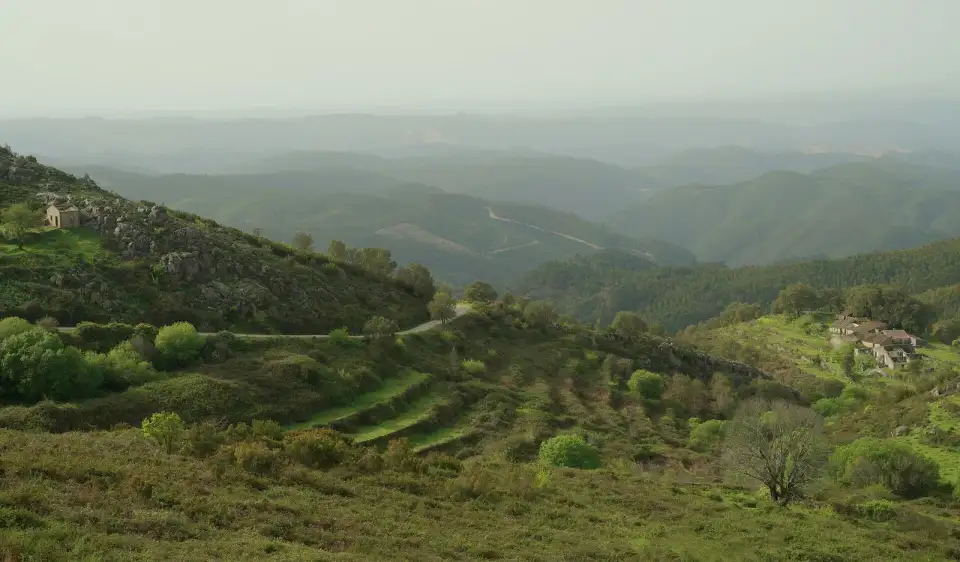
The mountain national park inland is the wildest landscape in Portugal, with granite villages, wild horses and long empty valleys.
The Serra da Estrela, the highest range on the mainland, has the country’s only ski area and a famous sheep cheese.
The walled border towns along the Spanish frontier are a chain of fortifications that almost nobody visits.
The central coast between Lisbon and Porto has long empty Atlantic beaches and small fishing towns.
Building it into a trip
As stops rather than detours. Coimbra and Aveiro sit on the main line between Lisbon and Porto, so they cost you an afternoon rather than a day.
As a northern extension. Two or three nights based in or near Braga opens Guimarães, the Minho and the edge of the mountains.
As a second trip entirely, which is what most of this deserves.
With a car for the countryside and trains for the cities, which is the pattern that works everywhere in Portugal. Our two-week Portugal itinerary shows how the legs fit together.
Practical notes
Prices drop noticeably outside the three famous regions, for both rooms and restaurants.
English is less widely spoken in the smaller towns than in Lisbon and the Algarve, and people are patient and helpful anyway.
Sunday and afternoon closures are taken more seriously away from the tourist centres.
Book the university library slot in Coimbra ahead, since it runs on timed entry in small groups.
Regional trains are slow, cheap and reach more than you expect.
For the wider groundwork of a first trip, our beginner’s guide to Portugal covers what to expect. And for the other great empty region, the plains east of Lisbon, our guide to Évora and the Alentejo covers the southern equivalent of everything on this page.
The short version
Add Coimbra and Aveiro as stops on the line between Lisbon and Porto rather than as detours, booking the university library slot ahead. Give the north two or three nights, based near Braga, for the baroque stairway, Guimarães and the Minho vineyards. Take a car for the countryside and the mountains and leave the cities to the trains. Pack a waterproof whatever the month, because the north is green for a reason. And expect everything to cost less and to be quieter than the fifth of the country everybody else is in.