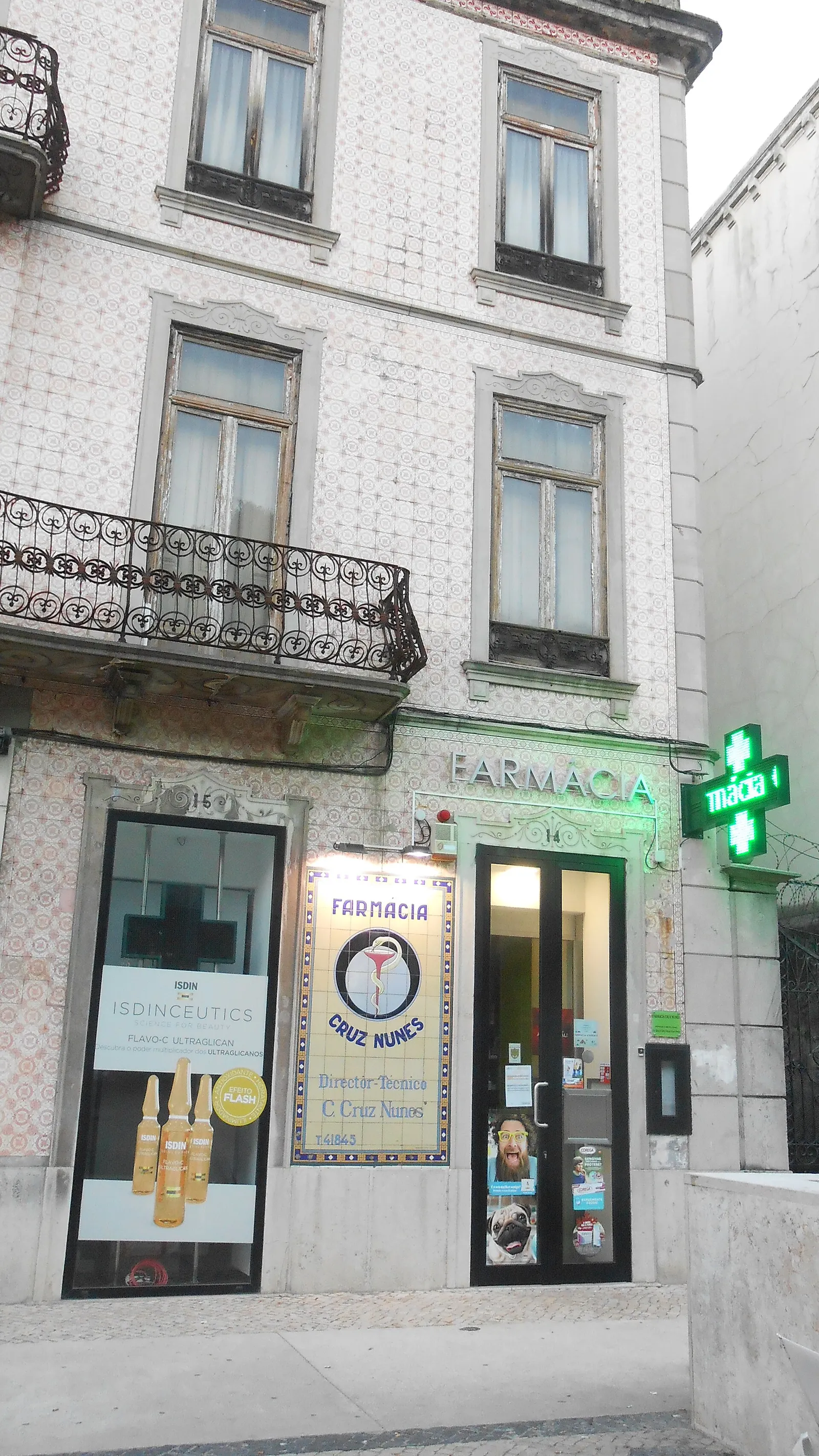
Portugal is consistently ranked among the safest countries in the world, so the odds are excellent that this is the least-used page you will read before your trip. Save it anyway. Knowing that one number covers every emergency, that a pharmacy is open somewhere near you at 3 a.m., and what to actually do in the ten minutes after a pickpocket strikes is the kind of knowledge that costs nothing and occasionally saves a holiday.
112: the only number you must remember
Dial 112 for any life-threatening emergency: medical, police or fire. It is the single EU-wide emergency number, free from any phone, and it works even on a locked phone or one with no SIM card. Operators handle English as a matter of routine.
When you call, lead with where you are, not what happened. Street name and the nearest shop or landmark work; better still, open your phone’s maps app and read out the coordinates, or use the location-sharing that modern phones offer emergency services automatically. Then describe the problem, answer the operator’s questions, and stay on the line until told otherwise.
For non-urgent health questions there is also SNS 24 (808 24 24 24), the national health line, with English-speaking options; it can tell you whether a situation needs a hospital or just a pharmacy.
Hospitals and urgent care
In a genuine emergency, any public hospital urgencia (emergency department) will treat you, in Lisbon the big names are Hospital de Santa Maria and Hospital de Sao Jose, in Porto Hospital de Santo Antonio and Sao Joao. Expect triage by urgency, not arrival time, so a sprained ankle can mean a long wait while chest pains go straight through.
EU, EEA and Swiss visitors with an EHIC or GHIC card pay only the same small user fees as locals. Everyone else is billed, and while Portuguese hospital bills are gentle by, say, American standards, they are real. Private hospitals and clinics (CUF, Luz, Lusiadas and others) offer faster service in English at higher prices, and are often the smoothest route for insured travelers; call your insurer’s assistance line first and they will direct you.
Pharmacies: the green cross that fixes most trips
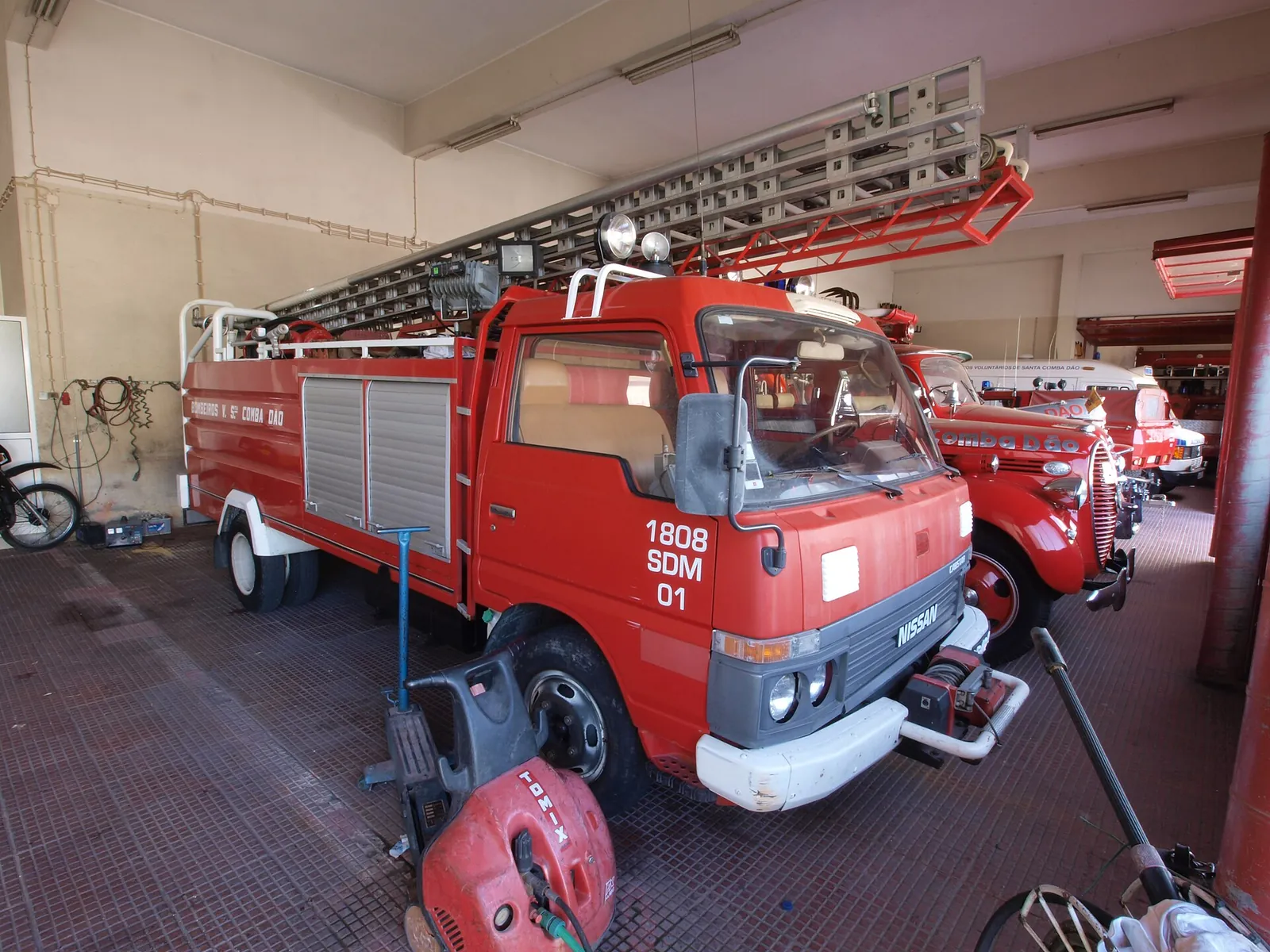
For everything short of an emergency, start at a farmacia, marked by a green cross. Portuguese pharmacists are trained to advise, most speak English, and a remarkable share of holiday ailments (sunburn, stomach trouble, blisters, colds, insect bites) ends its story at the pharmacy counter for a few euros.
Standard hours are roughly 9:00 to 19:00 on weekdays, with Saturday mornings common. Outside those hours, every district has a rotating farmacia de servico open through the night. The address of tonight’s duty pharmacy is posted on the door of every closed pharmacy and listed online, so you are never more than a short ride from an open one, even on a Sunday night in the Algarve.
Bring enough of any prescription medication for your whole trip, in its original packaging, plus a copy of the prescription for anything controlled.
Pickpockets, and the ten minutes after
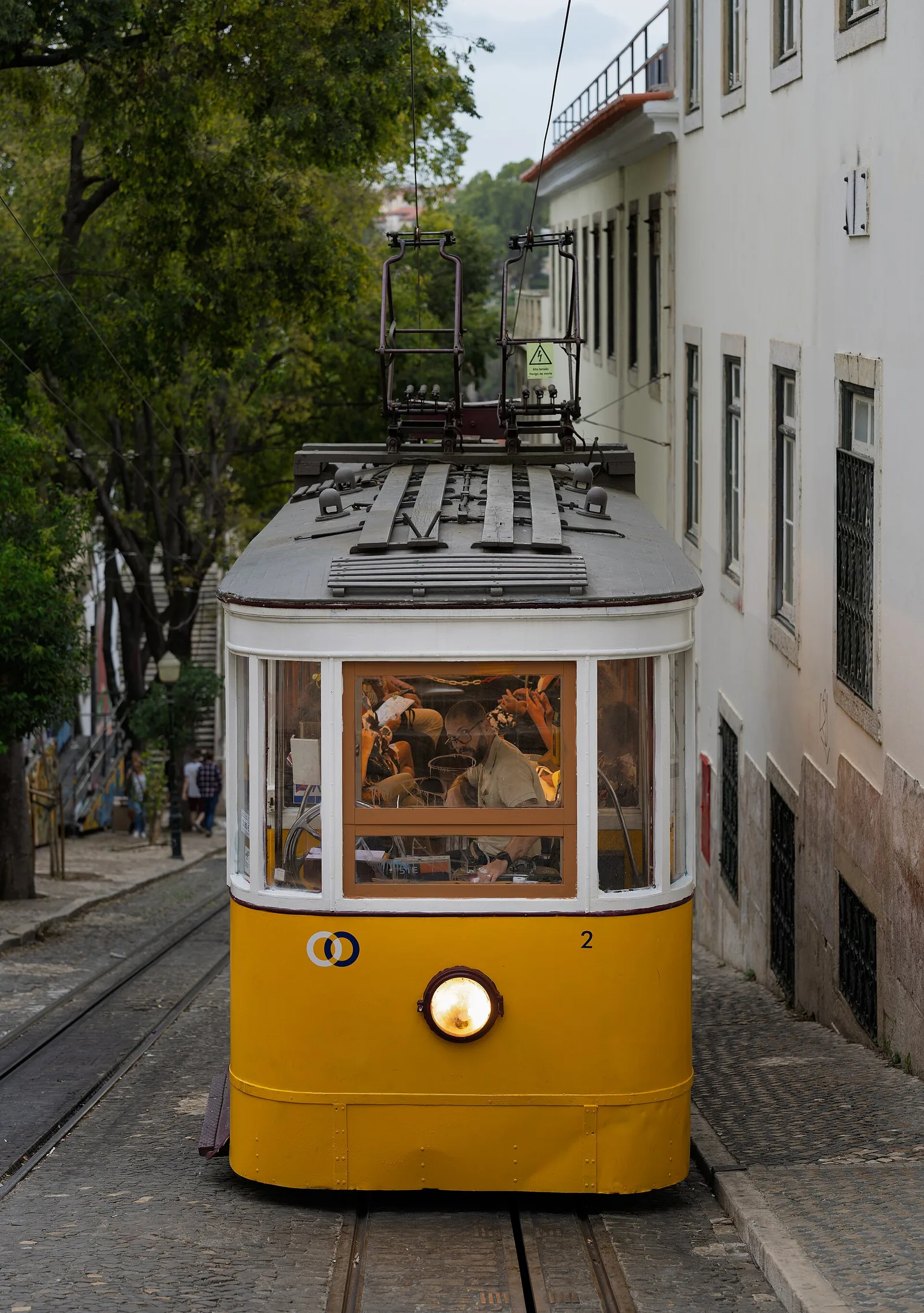
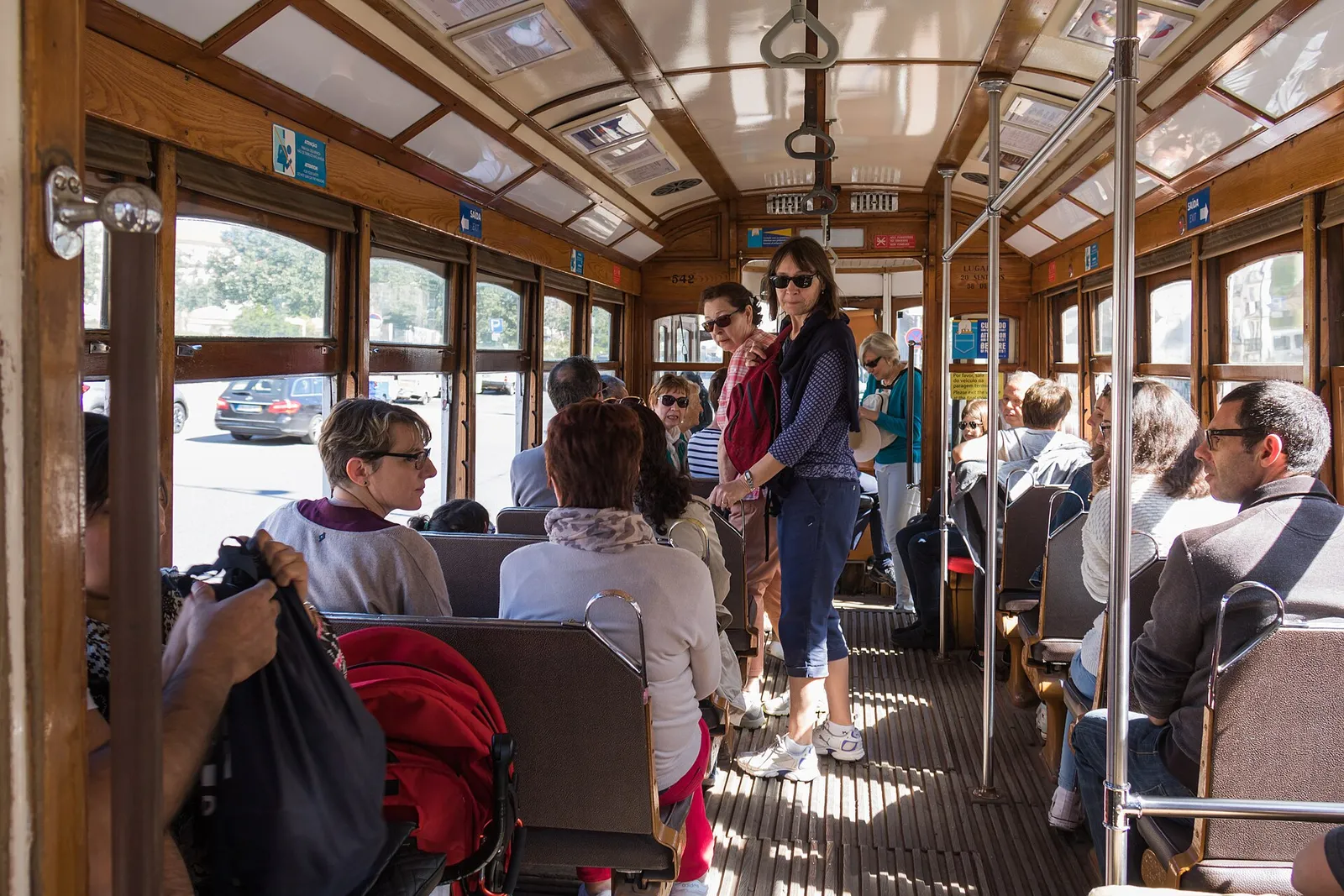
Portugal’s realistic crime risk for visitors is not violence, it is pickpocketing in tourist crushes: Tram 28 in Lisbon above all, plus busy metro lines, Cais do Sodre station, elevators like the Santa Justa queue, and packed miradouros at sunset. Prevention is boring and effective: bag zipped and worn in front, phone in a front pocket, nothing valuable in a backpack’s outer pouch, and extra attention whenever a crowd suddenly compresses.
If it happens anyway, the first ten minutes matter most:
- Freeze your cards from your banking apps immediately, before the sim-swap or tap-spree starts.
- Report it to the police and get the written report, the auto de denuncia; your insurer will require it. In Lisbon the PSP tourist police near Restauradores handle reports in English year-round.
- Lost passport? Contact your embassy or consulate (almost all are in Lisbon) for an emergency travel document. Most keep a 24-hour line for citizens; save it before you fly.
The numbers, on one screen
Screenshot this table and you are covered:
| Situation | Number | Notes |
|---|---|---|
| Any emergency (police, medical, fire) | 112 | Free, works without SIM, English spoken |
| Health advice, non-urgent | 808 24 24 24 (SNS 24) | National health line, English options |
| Sea and beach emergencies | 112 | Ask for maritime rescue; lifeguard flags apply in summer |
| Forest fire sighting | 117 | Mainly relevant on rural summer hikes |
| Duty pharmacy tonight | Posted on any pharmacy door | Farmacia de servico, open overnight |
| Your embassy or consulate | Check its official site | Save the 24-hour citizen line before travel |
A word on perspective
None of this should color your picture of Portugal, one of Europe’s safest and most welcoming countries, where solo travelers and families wander old-town alleys at midnight without a second thought. Drink the tap water, swim between the flags, respect the Atlantic’s currents on the west coast, and mind your phone on the tram, and your emergency planning will end where it began: as a screenshot you never open. For the fun parts of the planning, start with our first-time Portugal guide, check when to go, and if the north is calling, our Porto guide awaits.
Two things sit either side of these numbers and both belong on the same checklist. Behind them is the policy that decides who pays and where you are treated; our guide to travel insurance for Portugal sets out the limits and clauses that matter here. In front of them is the arrival itself, which is where a tired visitor makes the one avoidable bad decision of the trip; our guide to Lisbon airport transfers removes it.