Portugal still has a reputation as one of the better value corners of Western Europe, and in several respects that reputation is fair. In others, particularly around accommodation in the places most visitors actually want to stay, it is increasingly out of date. Knowing where the money genuinely goes, and where it does not, is the difference between a trip that comfortably fits its budget and one that quietly overruns it on a single line item.
That reputation was built over years when Lisbon and Porto were relatively undiscovered by international visitors, and prices, particularly for rooms, reflected that. A great deal has changed since then, and the country that greets a first-time visitor today is not quite the bargain their friends may have described from a trip a decade earlier. The good news is that the change has not been even. Some categories of spending have barely moved, and knowing which ones lets you plan a trip that still feels like good value overall.
Accommodation: the biggest lever by far
Where you sleep is, without much competition, the largest cost on a Portugal trip, and it is also the cost that swings hardest depending on timing and location. A room that is entirely reasonable in a quiet October week can cost several times as much for the same dates in August, and the gap between a central Lisbon address and a similar property a short metro ride further out can be just as wide. If one decision deserves the most attention when you are trying to control a budget, this is it.
Season matters more than almost anything else here. The weeks around the school summer holidays, and particularly the Algarve coast during that stretch, see demand and prices peak together. Shifting your travel dates by even a couple of weeks either side of the busiest window, where your schedule allows it, is usually the single most effective budget move available to you, well ahead of anything you might save on food or transport.
Getting around: trains, buses, cars and tolls
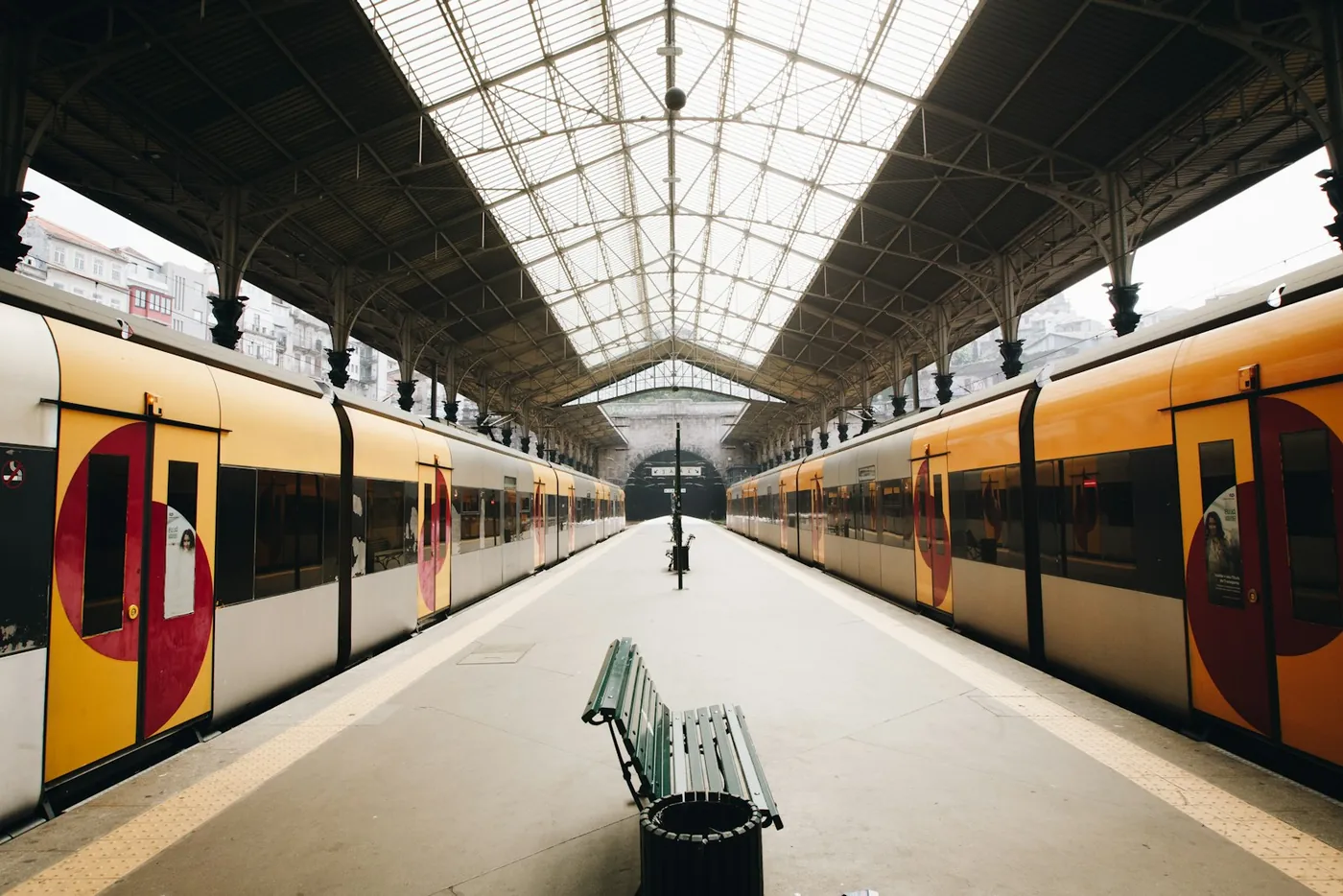
Between the main cities, public transport is generally the more economical choice once you weigh up car hire, fuel, motorway tolls and the cost and hassle of city centre parking. The fast line linking Lisbon and Porto is often the cheaper option as well as the quicker one door to door, and both cities are genuinely easier to enjoy without a car sitting on a meter somewhere nearby.
A hire car earns its cost back in the regions where trains and coaches do not reach well: the back roads of the Douro, the Alentejo’s small towns, and stretches of the Algarve away from the main resort strip. The sensible pattern for most itineraries is to pick a car up as you leave a city and drop it off before the next one, paying for it only on the days it is genuinely doing something a train could not.
Eating out: where the old reputation still holds
Food is the category where Portugal’s value reputation still stands up best. A traditional tasca serving a set lunch with a glass of house wine remains genuinely inexpensive compared with equivalent meals in Spain, France or Italy, and coffee, pastries and a quick standing breakfast at the counter cost very little almost anywhere you go. This is where a visitor on any budget can eat well without watching the bill closely.
The gap opens up at restaurants positioned squarely for passing tourists on the busiest squares and seafront strips, where prices climb to match the location rather than what is on the plate. Walking two or three streets back from the obvious spot, and eating at the time locals do rather than the schedule a tour itinerary suggests, routinely gets you a better meal for less.
Entrance tickets and paid attractions
Museums, palaces and the more elaborate viewpoints across the country charge admission, and while individual tickets are rarely expensive on their own, they add up across a packed itinerary of sightseeing days. Several cities and regions sell combined passes covering several attractions and sometimes public transport together, which are worth comparing against what you actually plan to see rather than bought as a default, since they only pay off if you genuinely visit enough of what they cover.
Some of the country’s most memorable sights, meanwhile, cost nothing at all. Wandering the old quarters of Lisbon or Porto, watching the sunset from a public viewpoint, or spending an afternoon on a beach does not touch this part of the budget in the slightest, and a well-planned itinerary usually mixes a handful of paid highlights with plenty of free time doing exactly this. Treating every hour as something that needs a ticket is a fast way to inflate a budget for no real gain in how much you actually enjoy the trip.
The Algarve premium in high summer
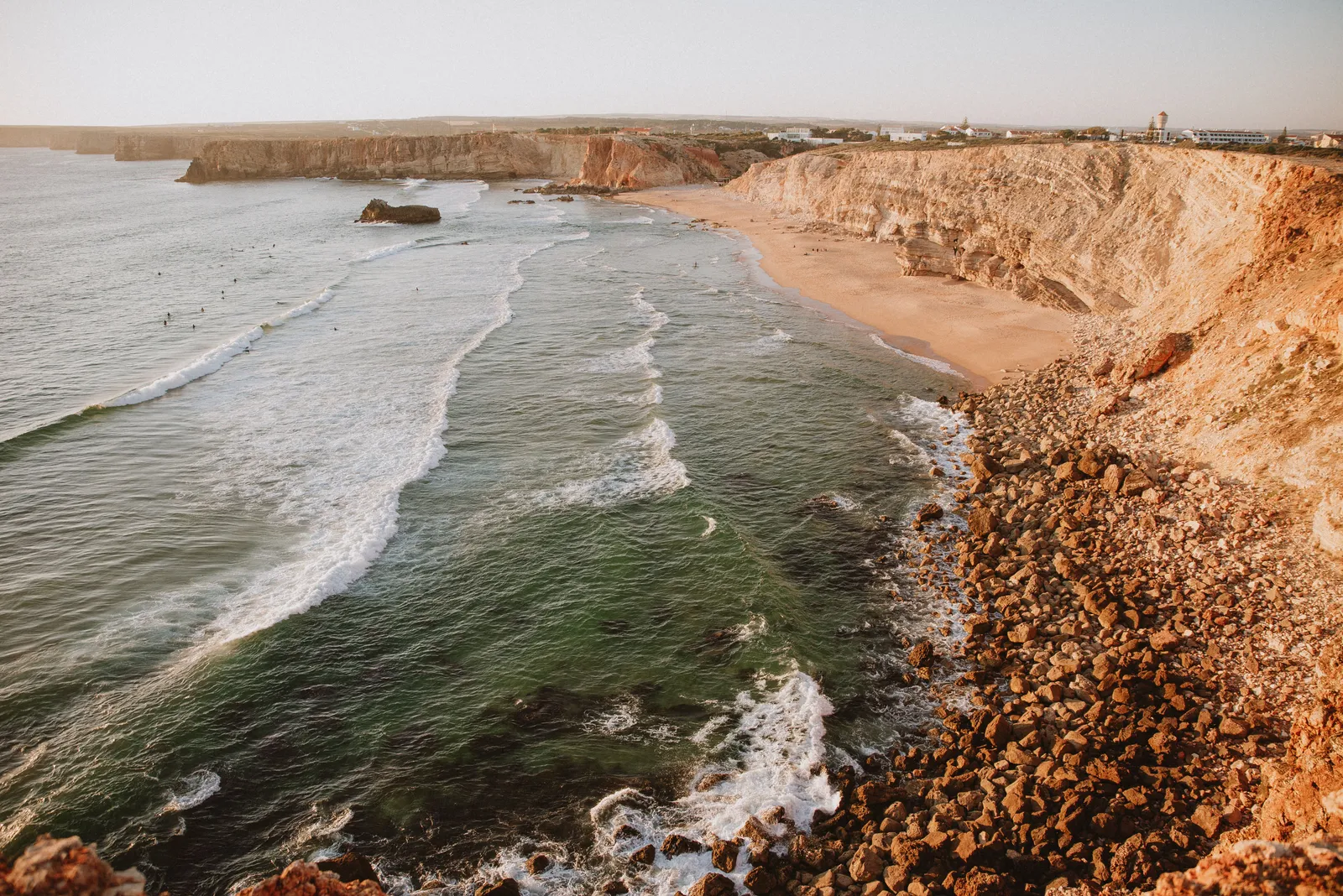
The Algarve deserves its own mention because its pricing behaves differently from the rest of the country. Demand for coastal accommodation there peaks harder during the school summer holidays than almost anywhere else in Portugal, and the same villa or hotel room that is entirely affordable in May or October can carry a substantial premium in the middle of August. If beach time is the priority rather than a specific summer date, the shoulder months either side of peak season tend to offer noticeably calmer beaches alongside the lower prices.
Three daily budgets
The ranges below are per person per day, assuming two people sharing a double room, and cover accommodation, food, local transport and a couple of paid attractions. They will run higher in central Lisbon or the Algarve in August, and lower in quieter towns and off peak months.
| Style | Accommodation | Food | Transport and extras | Typical daily total |
|---|---|---|---|---|
| Shoestring | Hostel or budget guesthouse | Tascas, bakeries, self catering | Walking, metro, occasional bus | Roughly 45 to 70 euros |
| Comfortable | Mid-range hotel or well reviewed rental | Mix of tascas and sit-down restaurants | Trains between cities, some taxis | Roughly 90 to 140 euros |
| A treat | Boutique hotel or higher-end stay | Restaurants of your choosing, wine included | Hire car for regional days, private transfers | Roughly 220 euros and up |
Practical ways to keep costs down
Three choices move the total more than anything else. Eating where locals eat rather than on the tourist squares protects your food budget without any real sacrifice in quality. Taking the train between the main cities instead of hiring a car for the whole trip removes fuel, tolls and parking from the equation for the days you spend in Lisbon and Porto themselves. And treating your travel dates as flexible, particularly around the Algarve in August, does more for the accommodation line than any amount of careful hotel comparison at fixed dates. None of these require cutting back on what you actually want to do, only being a little more deliberate about when and where you do it.
A useful habit for any of the three budgets above is to check your running total against them every couple of days rather than waiting until you are home to see how the trip actually went. A quick comparison partway through gives you time to adjust, whether that means trading one paid attraction for a free viewpoint, or deciding a splurge dinner is worth moving money towards from somewhere else. Treated as a loose guide rather than a strict ceiling, these figures make it far easier to enjoy the trip you are actually on, instead of worrying about the one you budgeted for on paper. Our wider guide for first-time visitors covers the rest of the planning groundwork that sits alongside the numbers here.