Porto is built up a steep slope above a river, and that single fact does more to shape where you should sleep than any list of neighbourhoods. A hotel four hundred metres from the restaurant you want can be ninety steps below it. The riverfront that looks idyllic in photographs is a narrow, loud, extremely popular strip. And the quiet residential streets that nobody photographs are ten minutes from everything on a metro line. Here is what each part of the city is like to wake up in.
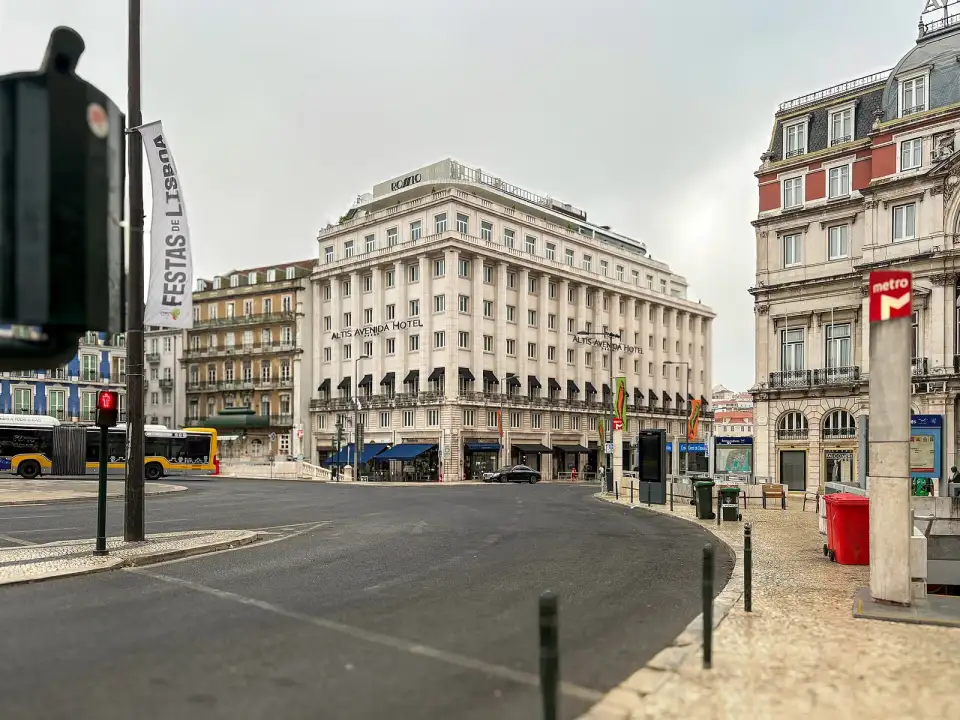
Baixa and the centre
What it is. The commercial heart around the main avenue, the squares, the famous bookshop, the station with the tiled hall, and most of the metro.
Who it suits. Almost everyone on a first visit, and anyone who wants to walk to things without a climb at the end.
The advantage. Level ground by Porto standards, transport on the doorstep, and every part of the city within reach on foot or in a couple of stops.
The trade-off. It is busy in the daytime and it is not the prettiest part of the city, though it is a short walk from the parts that are.
Ribeira and the riverfront
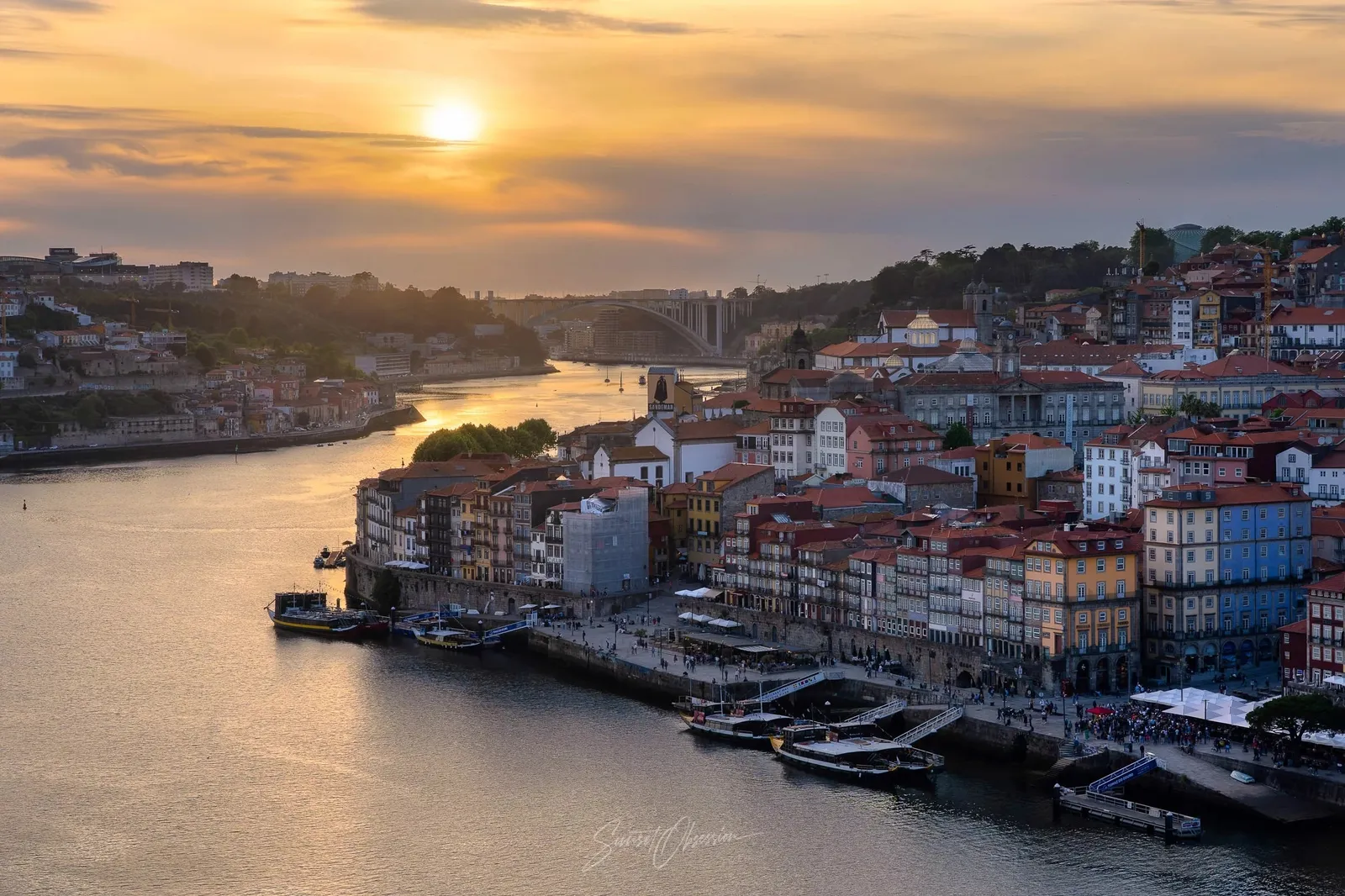
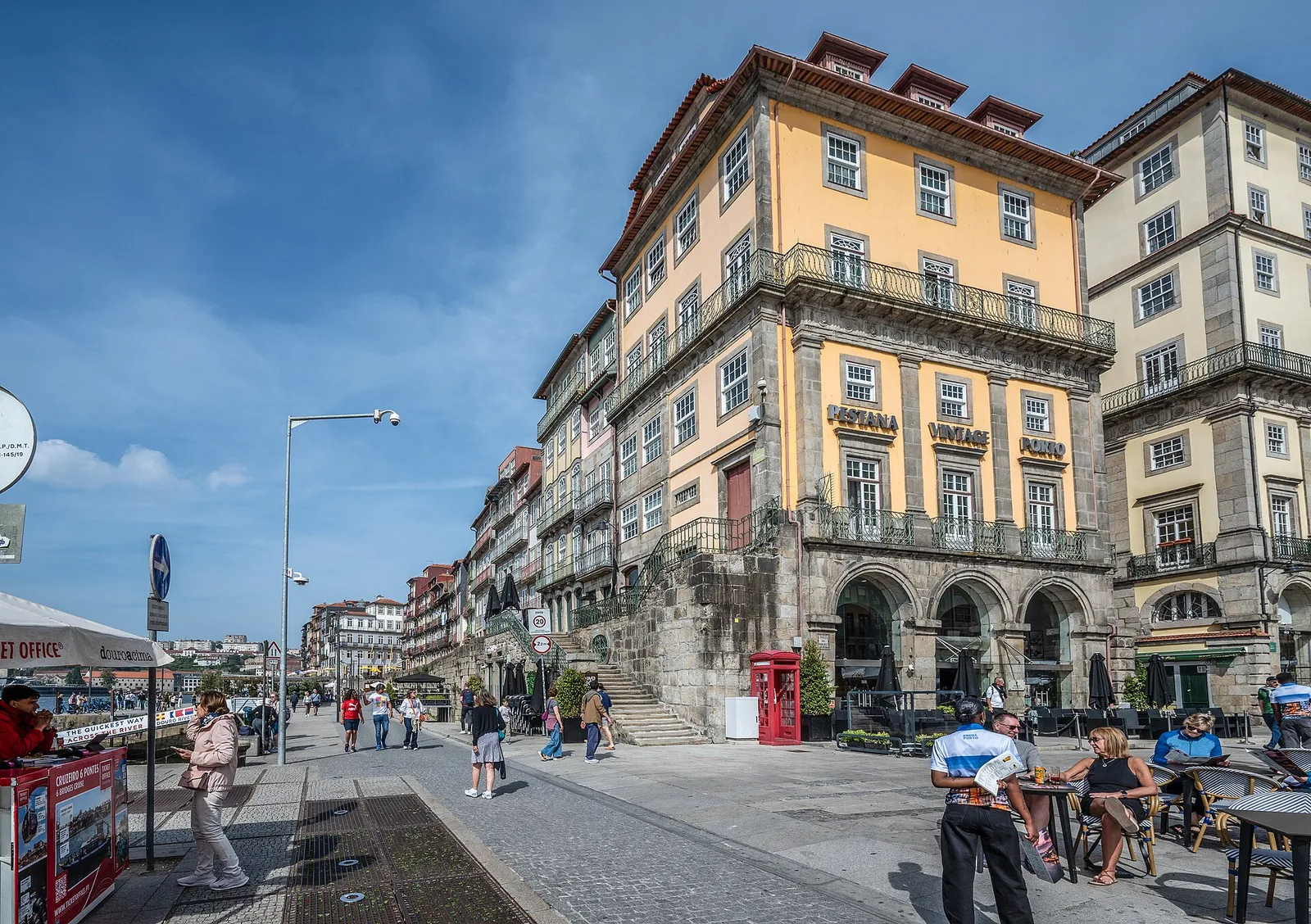
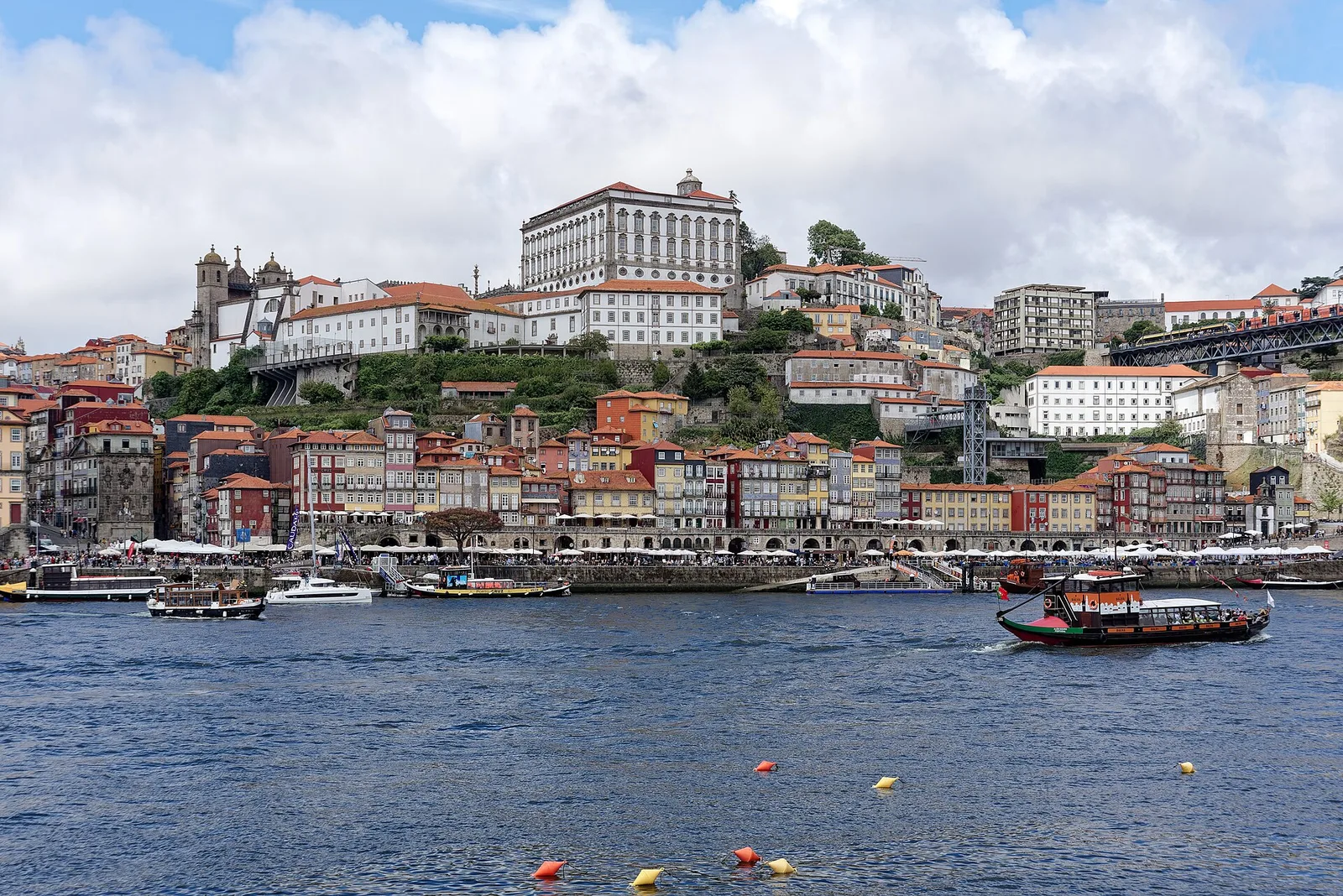
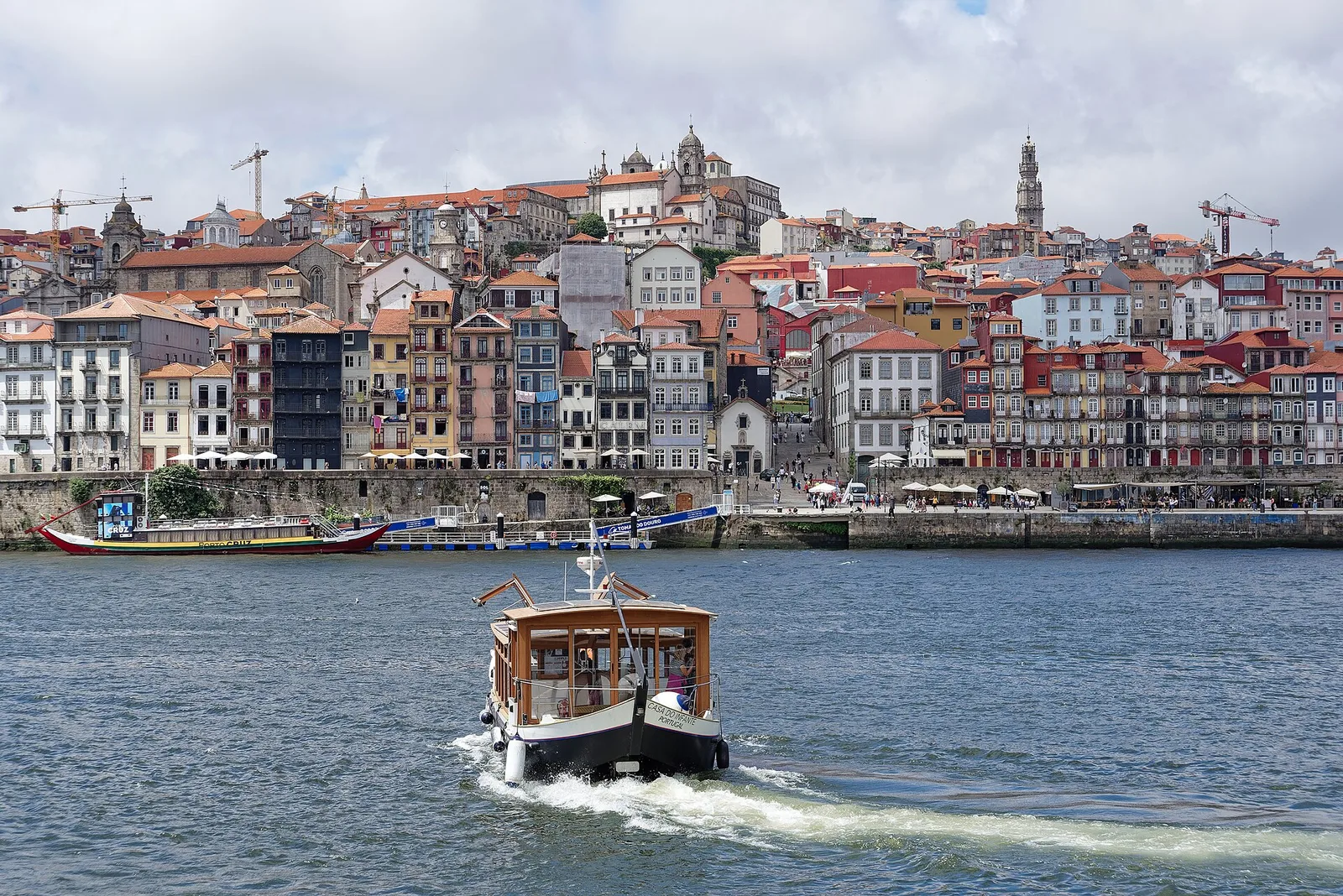
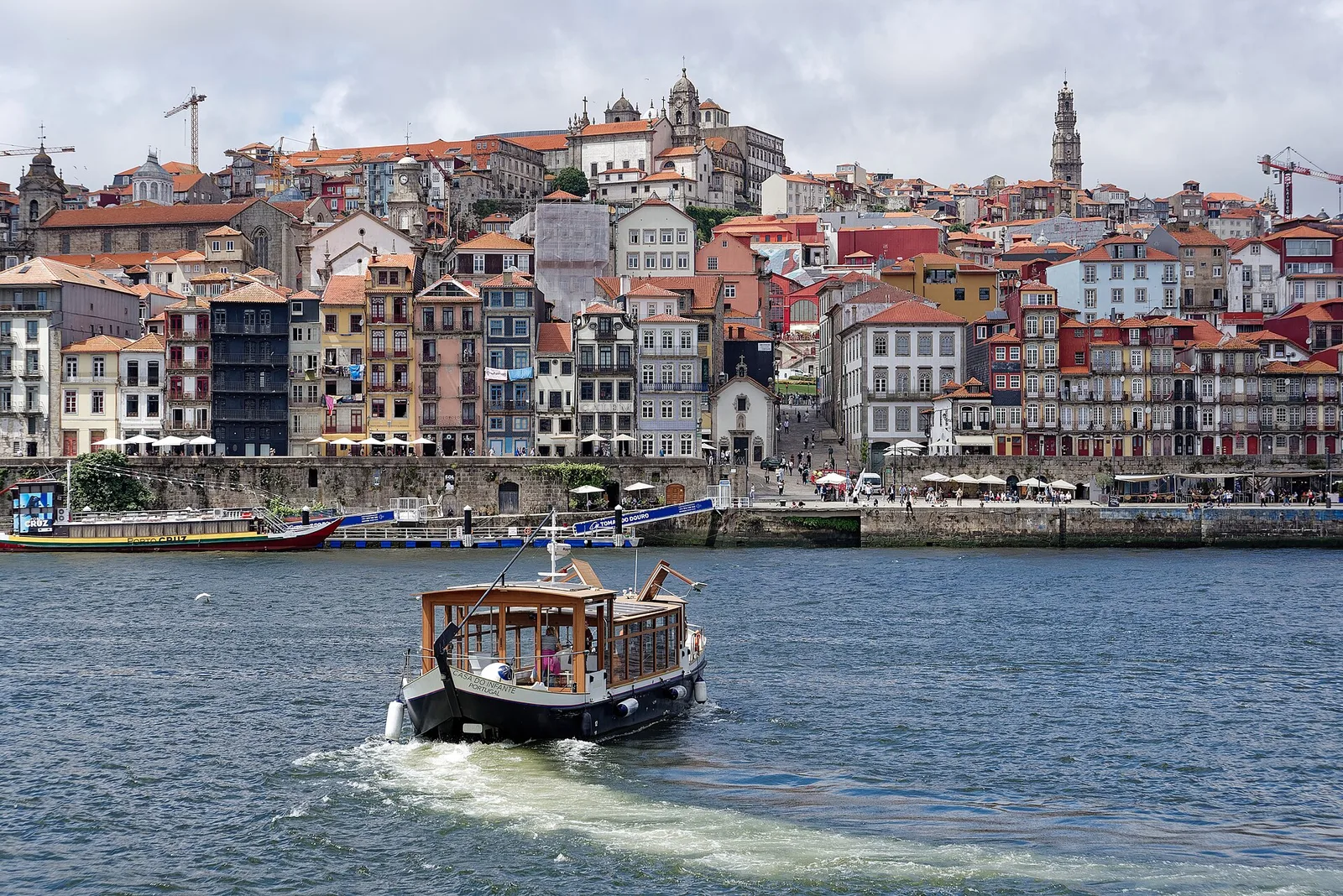
What it is. The postcard: tall narrow coloured houses stacked above the water, arcades, restaurants along the quay, and the bridge at the end.
Who it suits. Short stays where atmosphere beats practicality, and travellers without heavy luggage.
The advantage. You are living in the view, and the riverfront in the evening is genuinely lovely.
The trade-offs. It is the loudest and most touristy part of the city, the lanes are steep and stepped, vehicles reach very little of it, restaurant quality on the quay is variable, and prices are the highest in Porto.
Cedofeita and the west
What it is. The area running west and north of the centre, with independent shops, galleries, the concert hall and the streets where students and residents actually go out.
Who it suits. Second visits, longer stays, and anyone who wants a neighbourhood rather than a sight.
The advantage. Better value, better everyday eating and a real sense of the city.
The trade-off. A walk or a short metro ride from the famous views.
Vila Nova de Gaia, across the river
What it is. The other bank, home to the port lodges, a long waterfront promenade, the cable car and the view back at Porto’s hillside.
Who it suits. Anyone who wants the view rather than to be in it, and anyone watching the budget.
The advantage. You look at the postcard instead of standing inside it, prices are generally lower, and the port cellars are on your doorstep.
The trade-off. You cross the bridge for the city, which is a pleasure the first ten times and an errand after that.
Practical notes
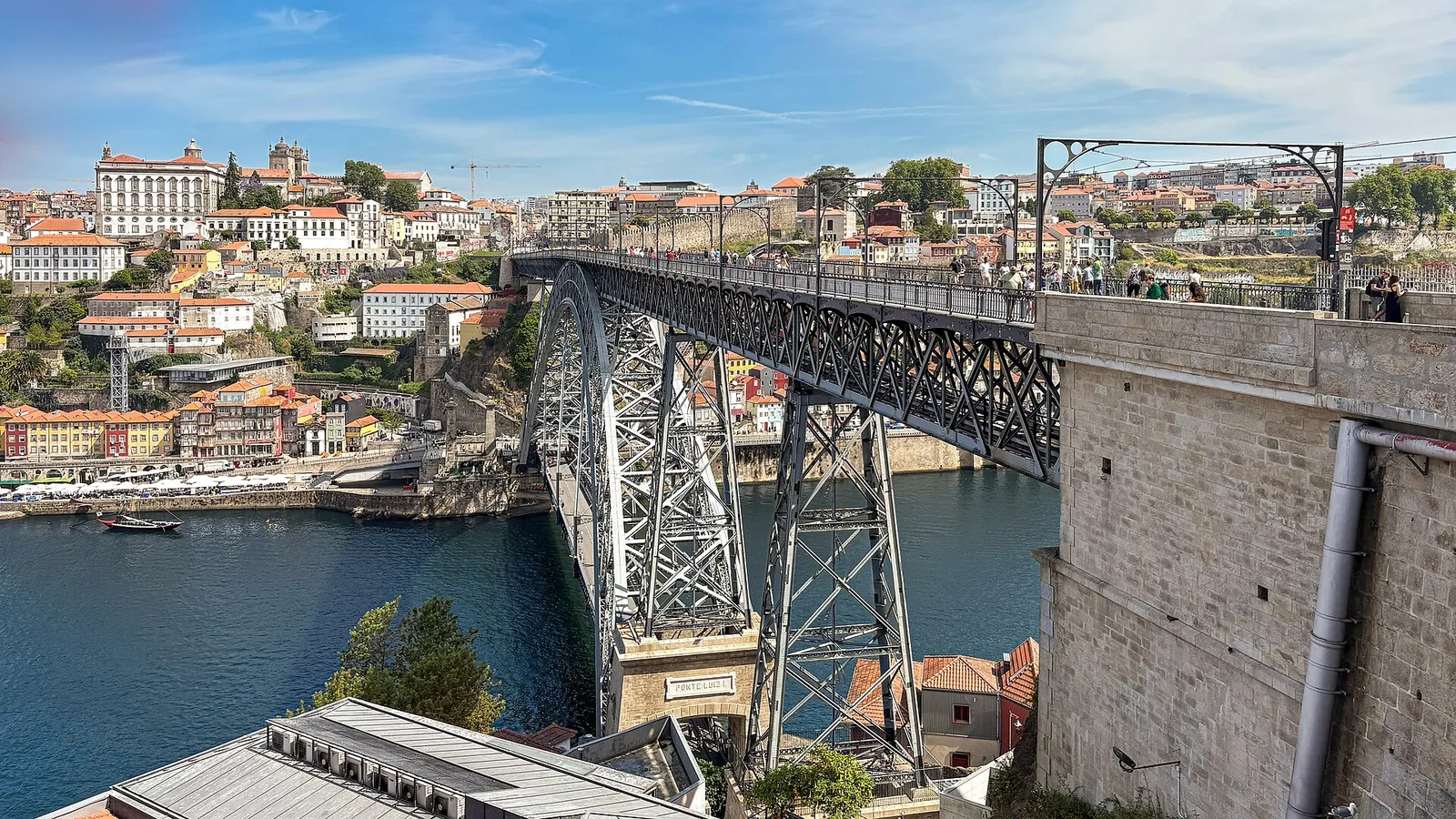
The metro is clean, cheap and crosses the river on the upper deck of the great iron bridge, which is a free sightseeing trip in itself.
Walking downhill is easy and walking uphill is not; plan routes that end low rather than high.
Noise concentrates on the riverfront and around the main going-out streets, and carries up the slope.
Book early for summer, when Porto fills.
Do not hire a car for the city itself, since the centre is dense, the parking is difficult and everything is walkable or on the metro.
Where this fits
For what to do once you are settled, from the bookshop and the tiled churches to the riverfront and the beaches at the mouth of the river, our Porto guide covers the city itself.
If you have a single day here, our one-day Porto itinerary sets out an order that avoids climbing the same hill twice.
And for the other bank specifically, the lodges, the tastings and how the cellars work, our guide to the port wine cellars in Vila Nova de Gaia covers what to book and what to just walk into.
The short version
Take Baixa for a first visit, since it puts you on level ground with the metro and ten minutes from everything. Choose Ribeira only if the view is worth the steps and the noise to you, and Cedofeita if you want a neighbourhood and better value. Consider Gaia across the river for the view back at the city and lower prices, with the bridge and the metro connecting you in minutes. Whatever you choose, check what sits between your door and the nearest metro stop before you book, because in Porto that is the detail that shapes the week.