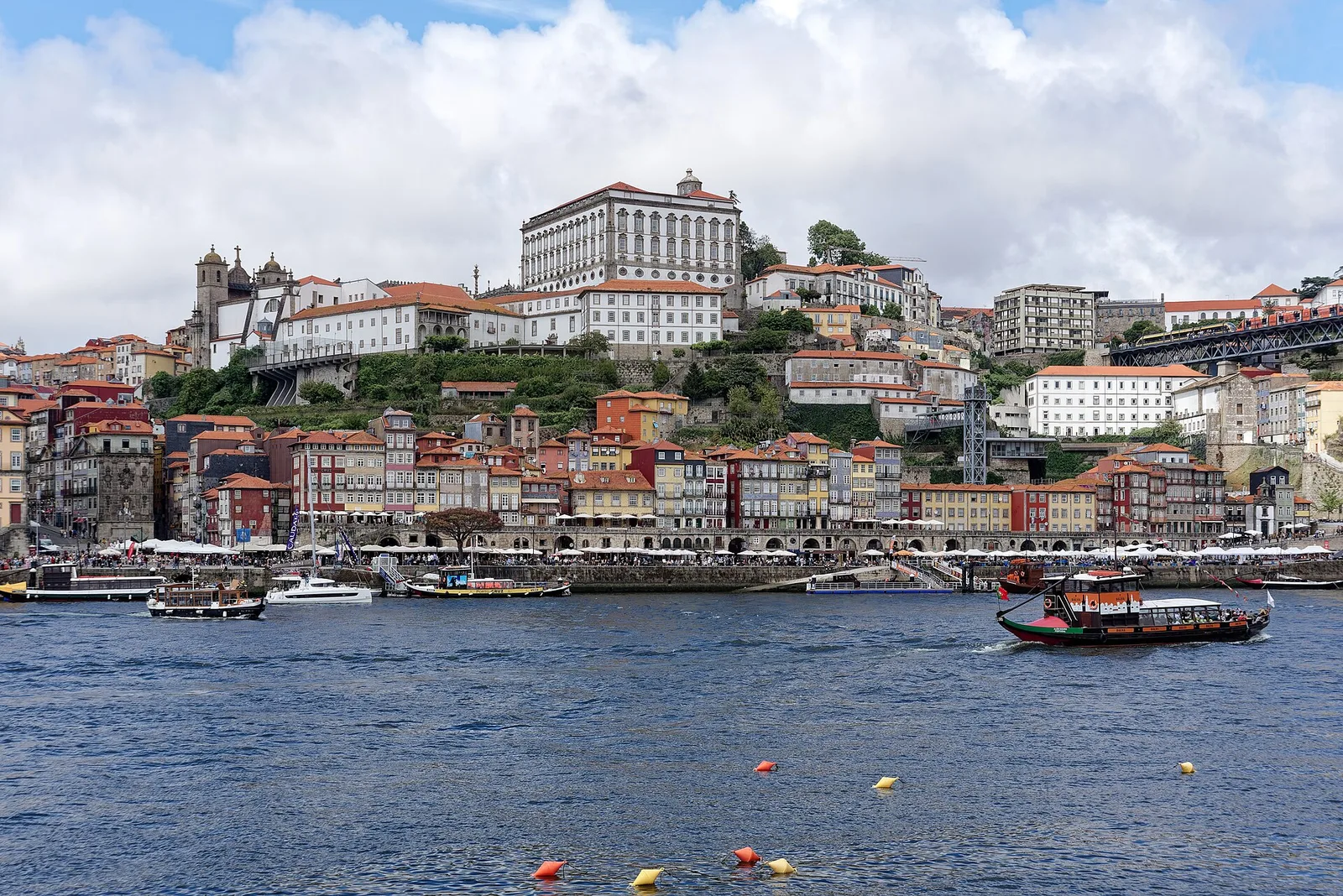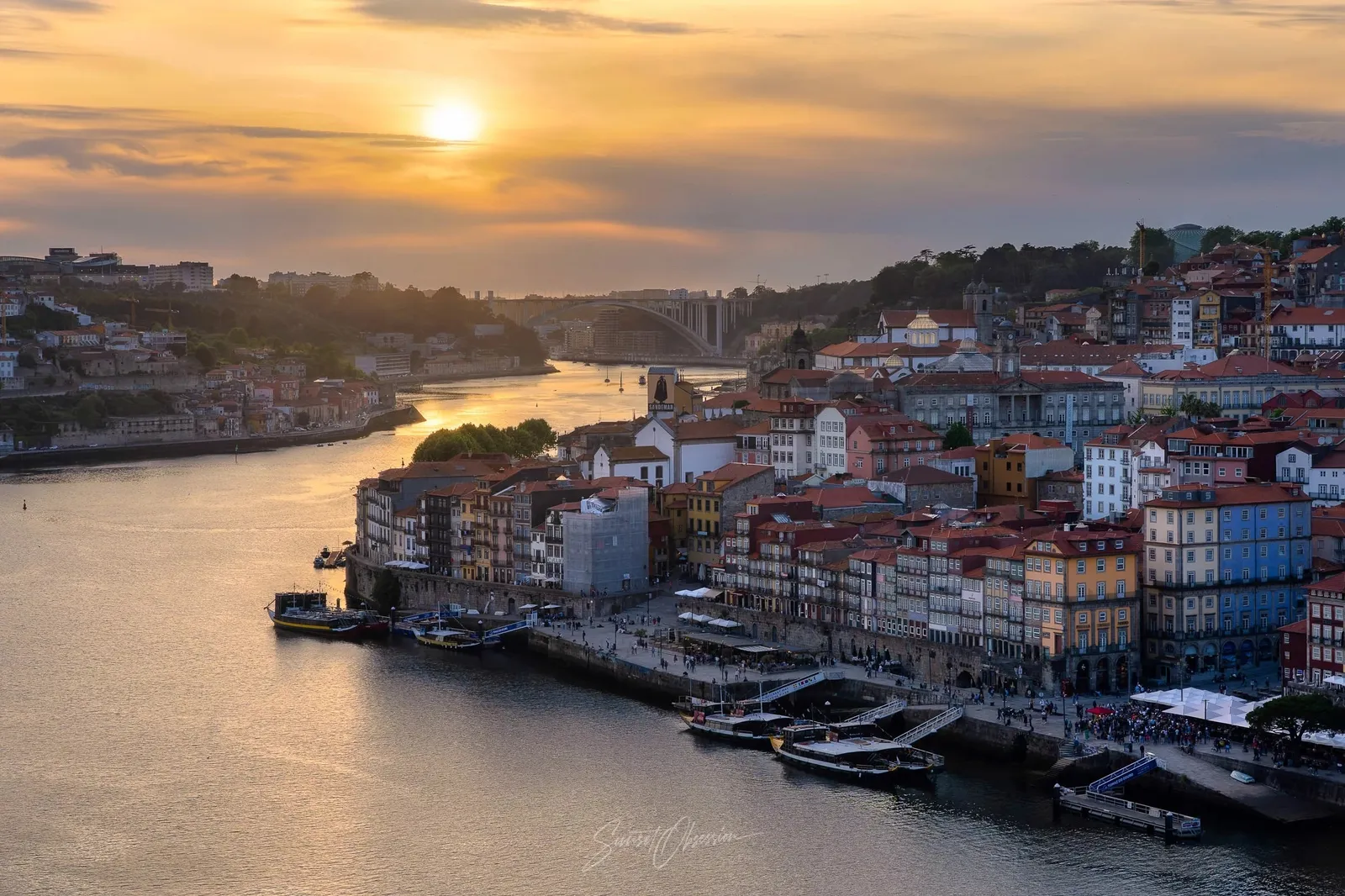
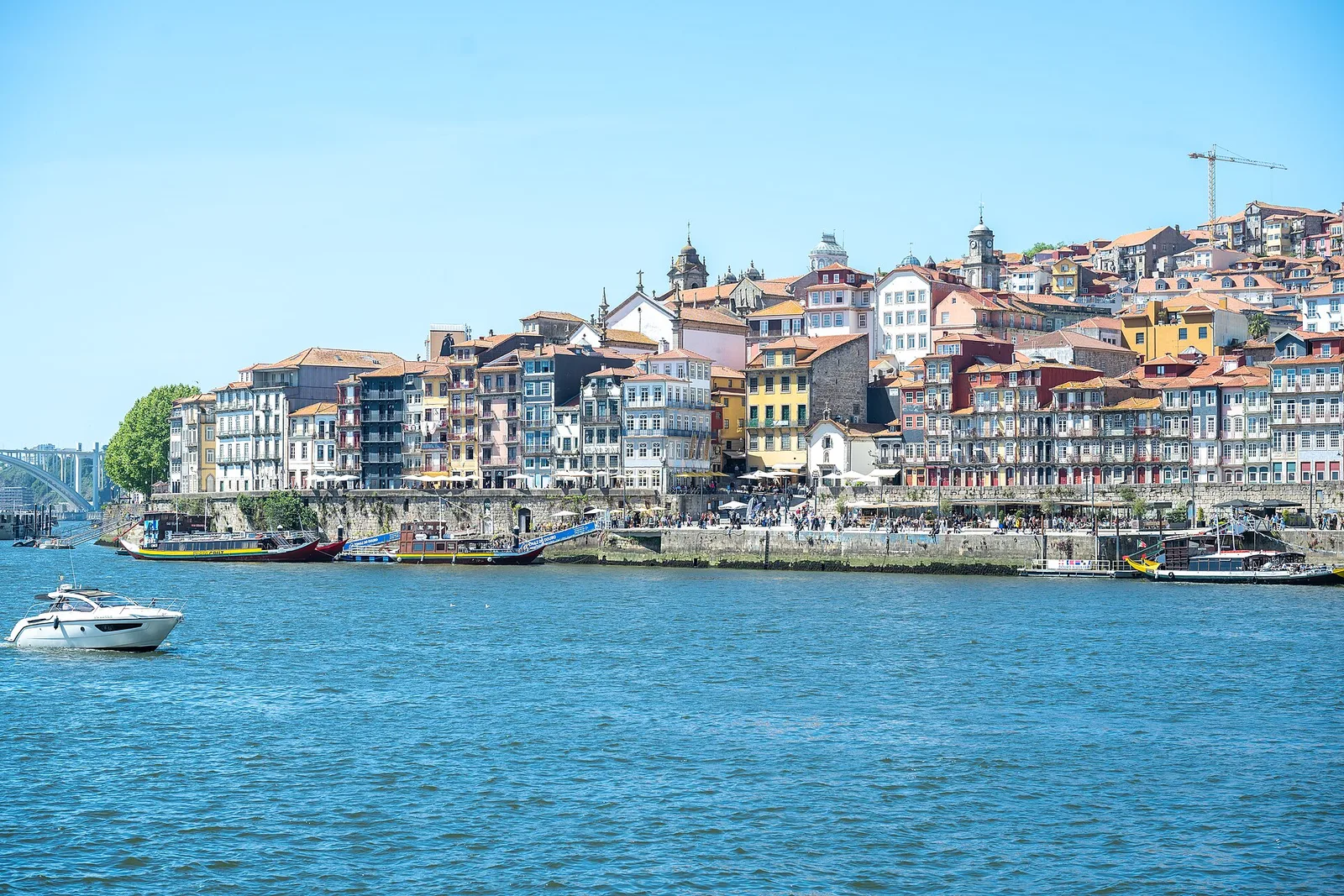
The port houses are not in Porto. They are lined up along the opposite bank of the river in Vila Nova de Gaia, which is why every famous photograph of Porto is taken from the other side. Their cellars run back into the hill behind the waterfront, full of barrels, and almost all of them will show you around and pour you a glass at the end. It is the single most enjoyable afternoon in the city, and the only real decision is which kind of house to walk into.
What a lodge visit actually is
A guided walk through the cellars, which are large, cool, dark and stacked with barrels and casks, with an explanation of how the wine is made, fortified and aged.
A tasting at the end, usually a couple of styles on a standard ticket, with longer and older tastings available at a higher price.
About an hour for the standard version.
Available in several languages at the larger houses, running through the day.
A shop, inevitably, where the wines you tasted are for sale, frequently including bottles that are hard to find outside Portugal.
Big house or small house
This is the choice that shapes the afternoon.
The large historic houses have the scale: enormous cellars, centuries of history, slick tours on a timetable, a museum element and sometimes a terrace with the view back at Porto. Efficient, polished and busy.
The smaller houses run fewer visits with fewer people, and it is common to be shown around by somebody who works on the wine rather than a full-time guide. Slower, more personal, better for questions.
Doing one of each is the recommendation, and it takes an afternoon.
Doing three is too much port before dinner, whatever you tell yourself at the second one.
Getting there and around
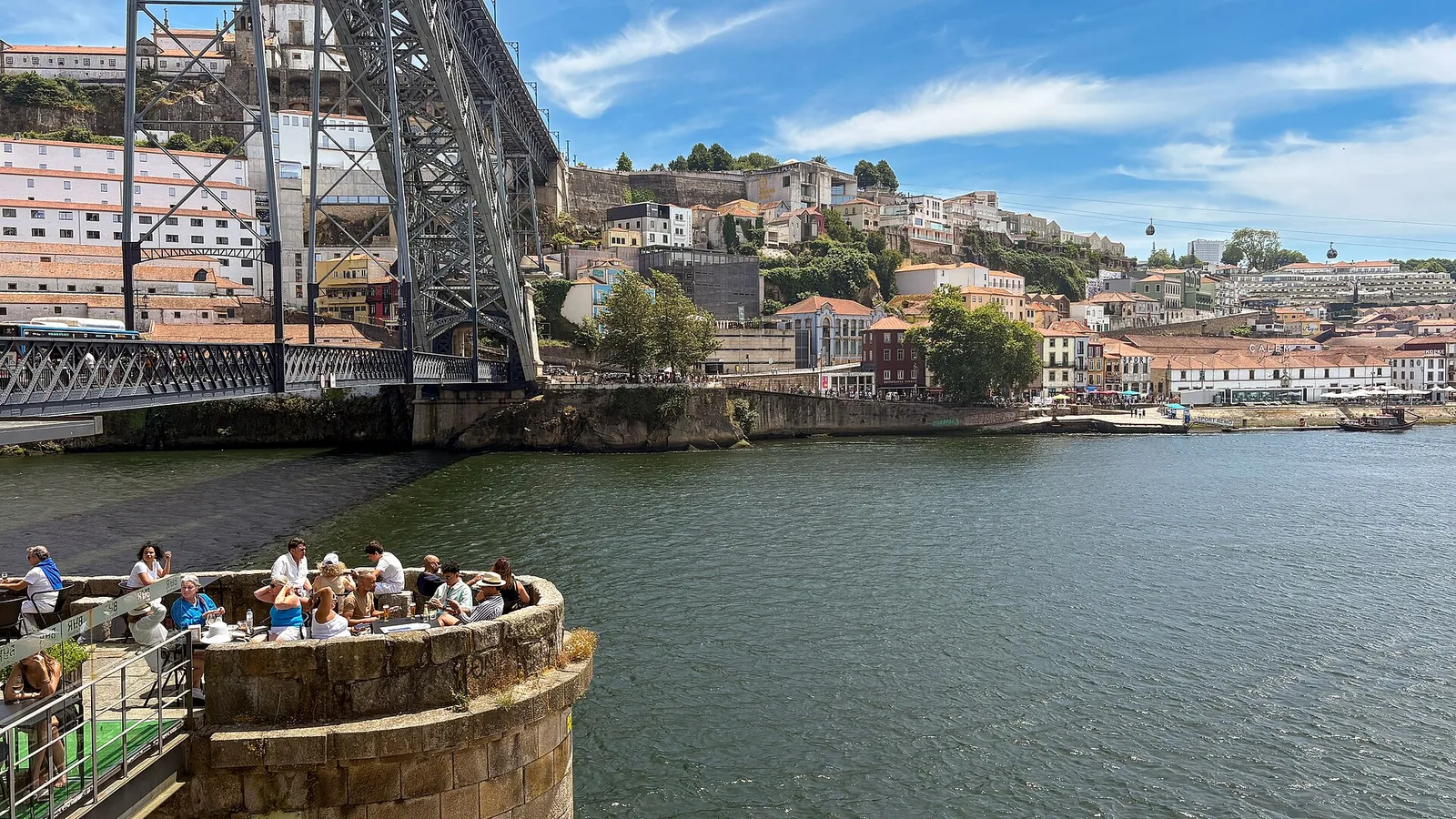
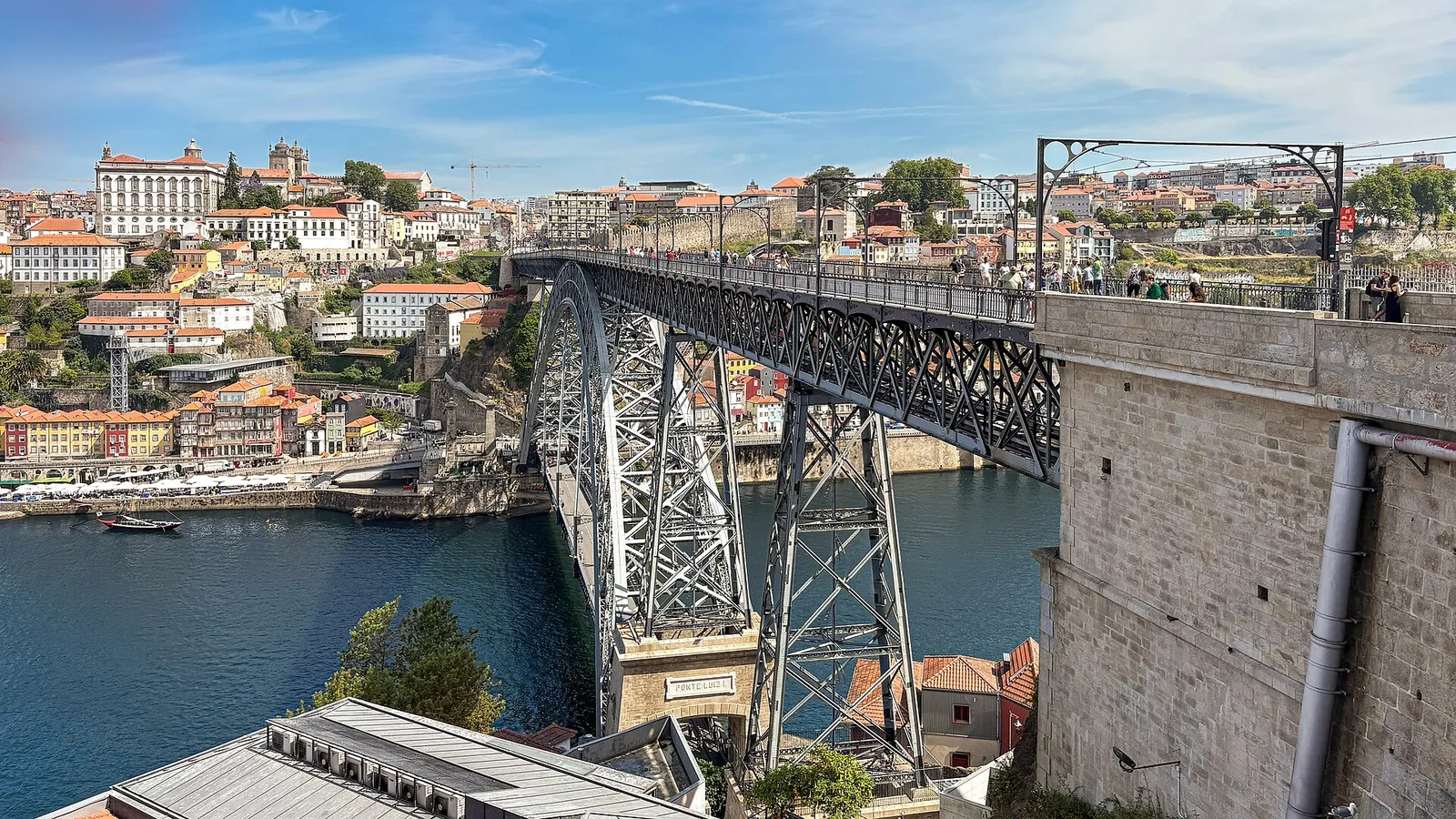
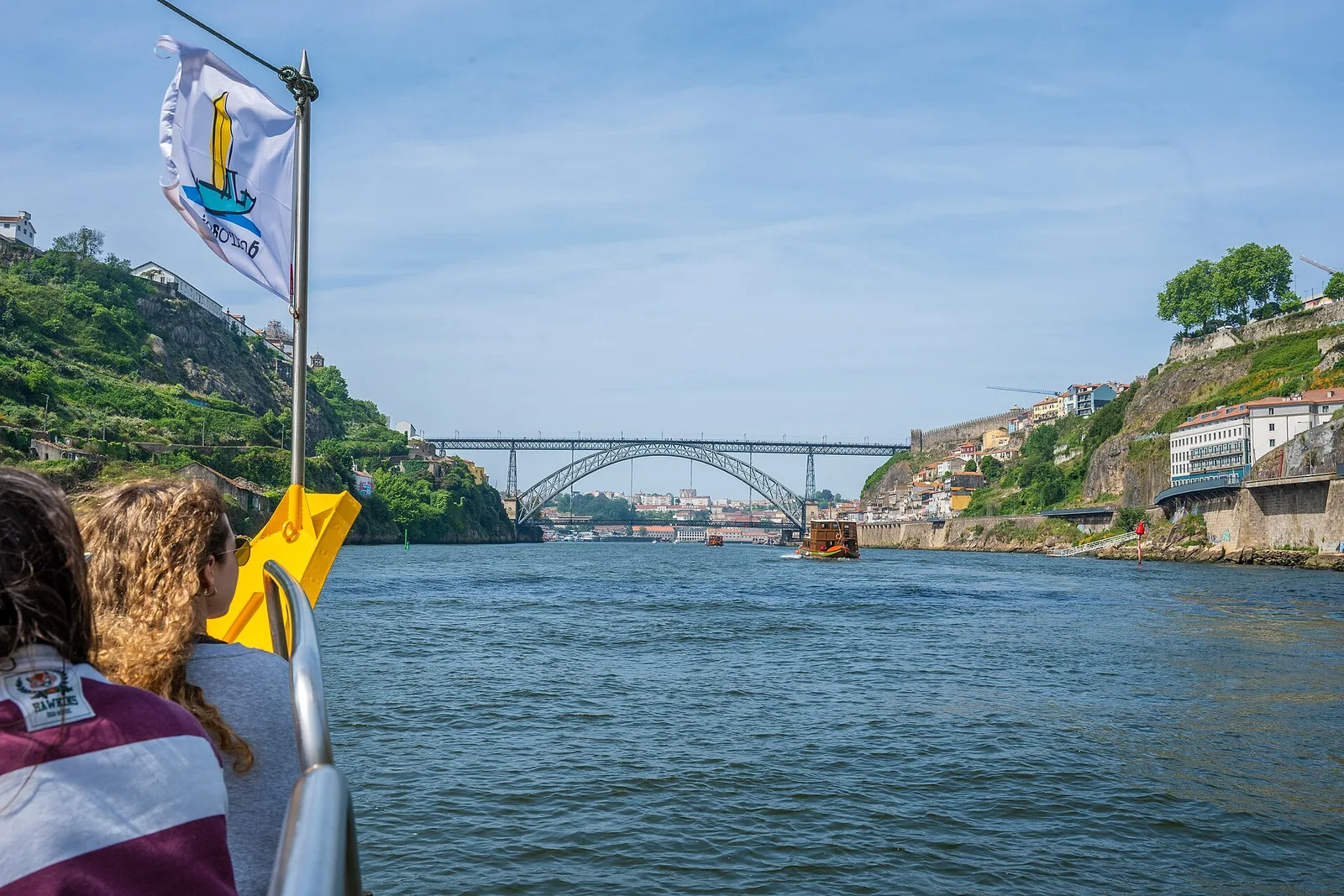
Walk across the bridge from Porto, on the lower deck for the waterfront and the upper deck for the view.
Take the metro across the top deck, which is quick and cheap.
The cable car on the Gaia side runs between the upper level and the waterfront and saves a climb.
The lodges are close together along and behind the waterfront, so moving between two of them is a short walk.
Eat on the Gaia waterfront or cross back, since both banks have good options and the Gaia side has the view.
Practical notes
Book ahead in summer and for premium tastings, and expect walk-ins to be possible at the big houses in quieter months.
The cellars are cool, noticeably so on a hot day, which is a pleasure and worth a layer.
Some lodges close on certain days or run reduced hours in winter, so check before you cross the river.
Do not drive. This is obvious and worth stating.
Ask about shipping if you are buying seriously, since several houses arrange it.
Where this fits
For what port actually is, how the styles differ and which one you are likely to enjoy, our introduction to port wine covers the whole picture before you taste.
The vineyards themselves are upriver rather than here, terraced into a steep valley, and our guide to a Douro valley day trip from Porto covers going to see where the grapes grow.
And for the city on the other bank and where to base yourself in it, our guide to where to stay in Porto covers the neighbourhoods and the hills.
The short version
Cross the bridge, do one large historic house for the scale and the cellars and one small house for the conversation, and stop at two. Book the big names ahead in summer and walk into the smaller ones. Take the cable car if you would rather not climb, and use the tasting to find out which style you actually like before you buy anything. Then sit on the Gaia waterfront with a glass and look at Porto, which is the best view of the city and the reason the lodges ended up on this side.