Porto is the kind of city that gets under your skin fast. It is smaller and steeper than Lisbon, built in tumbling tiers of granite and painted tile above a working river, and it wears its history lightly, all wine lodges, azulejo churches and cafes that have not changed in a century. Two days here is enough to fall for it, three lets you add the Douro. Here is how to make the most of a first visit.
Get your bearings: the two riverbanks
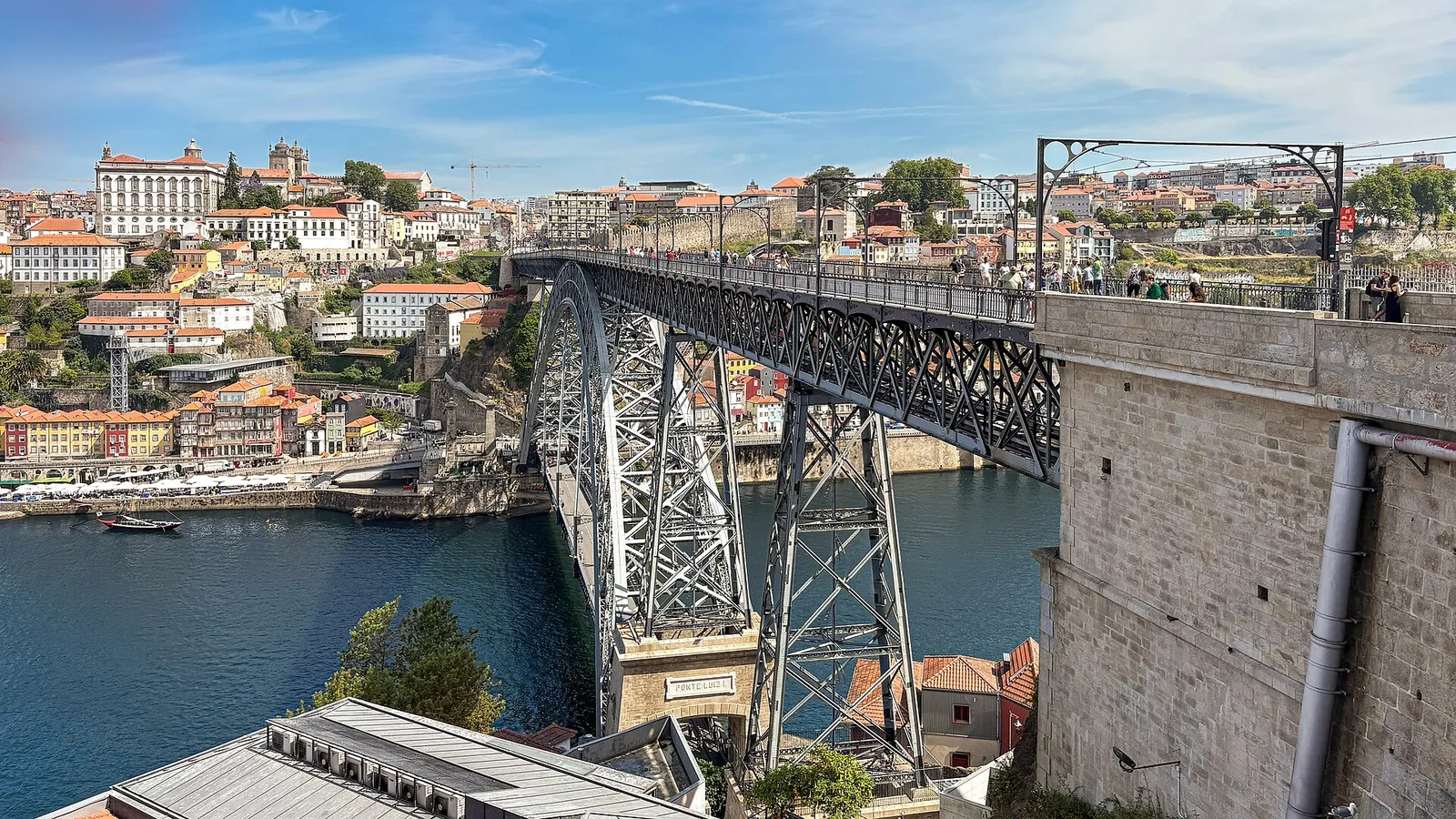
Porto sits on the north bank of the Douro River, with the port wine town of Vila Nova de Gaia facing it across the water. The two are stitched together by the great double-decker Dom Luís I bridge, and crossing it on foot, along the upper deck, is one of the best free things you can do in the city, with the whole postcard laid out below you.
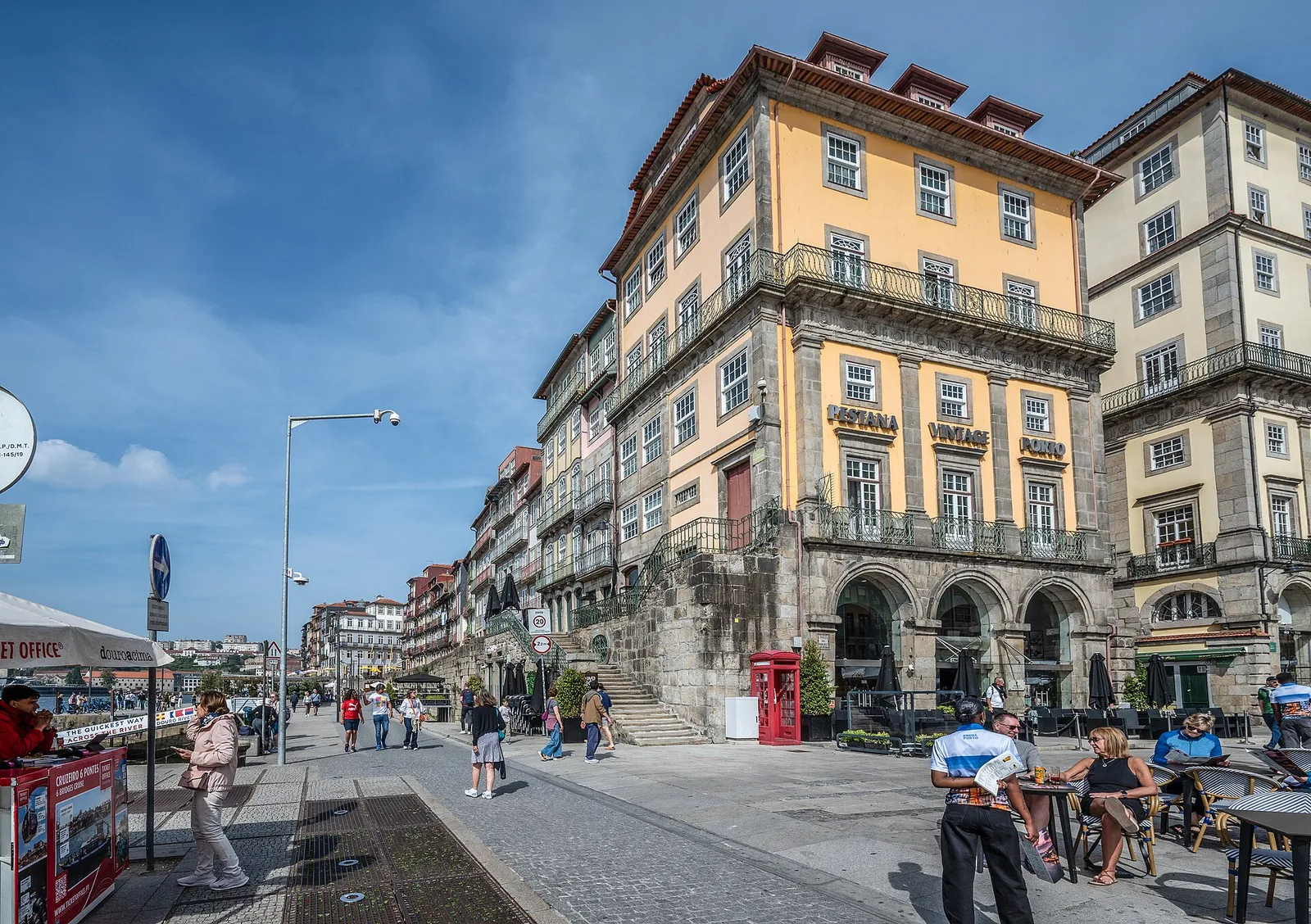
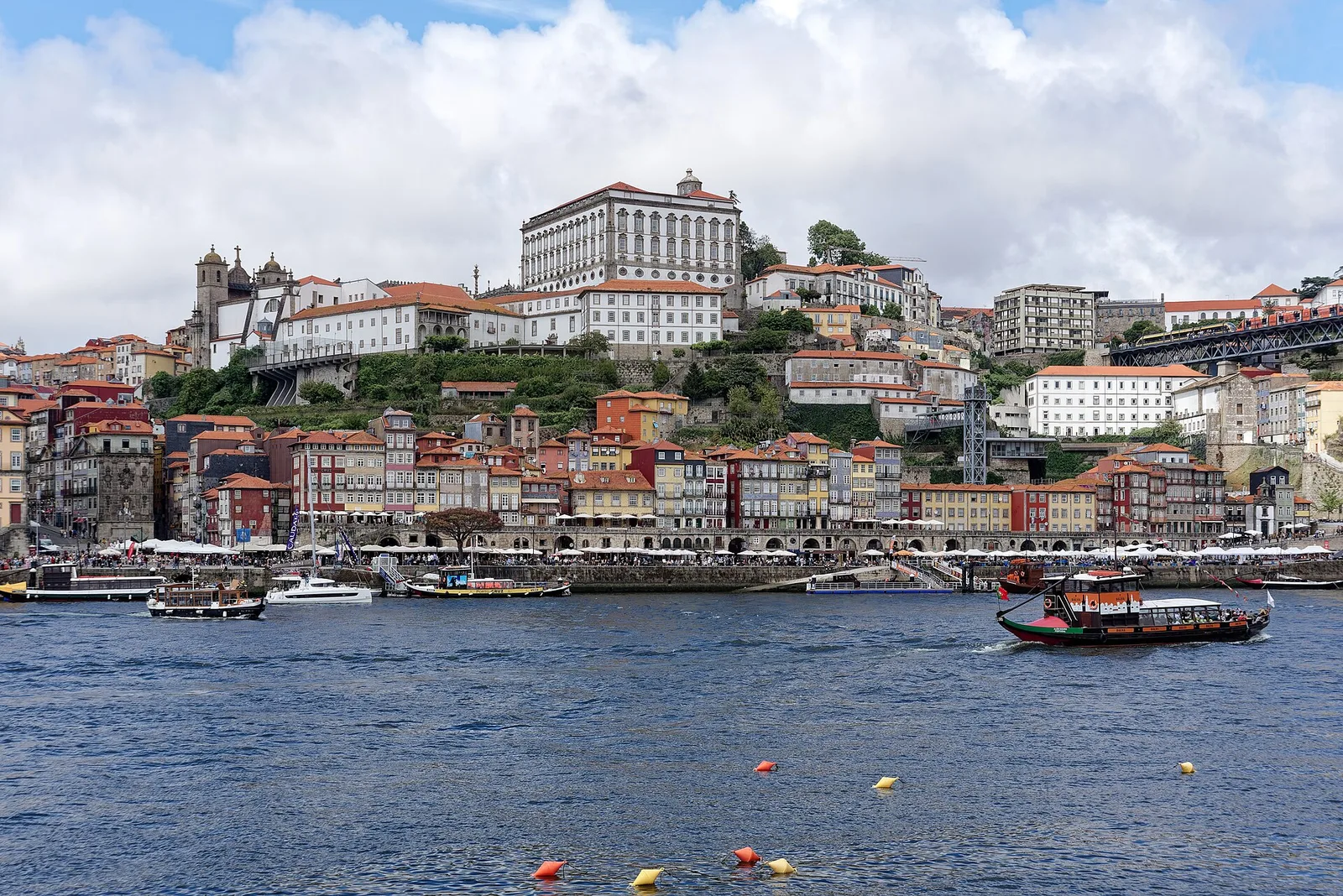
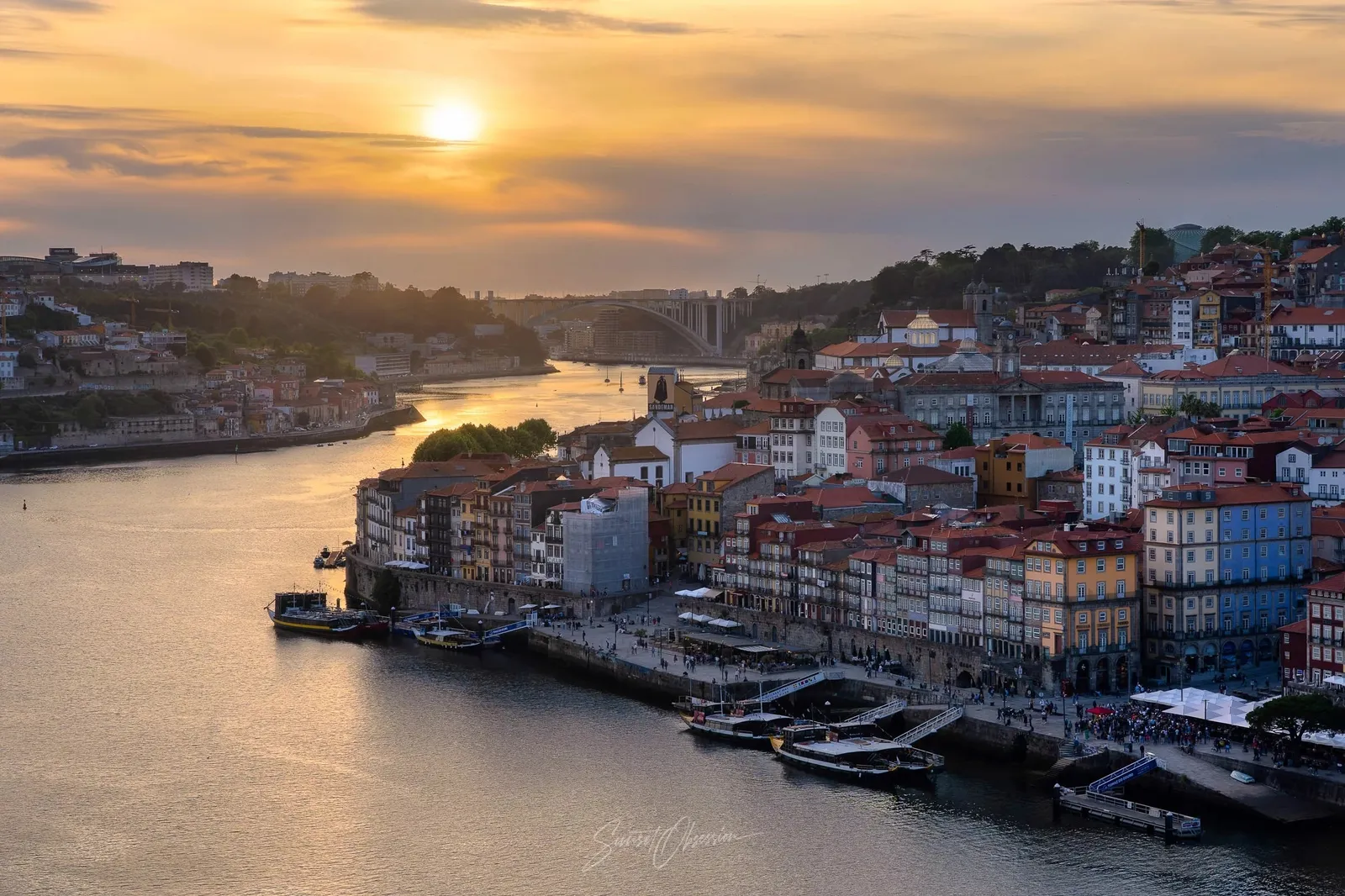
Start in the Ribeira, the old riverside quarter, a UNESCO-listed tangle of narrow lanes, tiled facades and terraces spilling down to the quay. It is touristy and it does not matter: this is the heart of Porto, best at golden hour when the light turns the houses amber and the rabelo boats bob on the water.
The one geographical fact that shapes every day here: the city climbs. Porto is built in tiers, so the difference between the riverside and the centre is a serious staircase rather than a gentle slope, and the upper deck of the bridge is level with the top of the city while the lower deck is level with the water. Plan routes downhill and let the funicular, the metro and the bridge decks do the climbing for you.
The port wine cellars of Gaia
Cross the bridge and you are in Vila Nova de Gaia, where the port houses have aged their wine in riverside lodges for three centuries. Names you may know, Graham’s, Taylor’s, Sandeman, Cálem, sit alongside smaller producers, and most offer cellar tours and tastings that walk you from grape to glass. A tawny on a terrace as the sun drops behind the bridge is the definitive Porto moment.
How a tasting actually works
Most lodges run a short guided walk through the cellars, explaining the ageing that separates ruby from tawny, followed by a seated tasting of two or three wines. Expect an hour or so. The bigger houses run on the half hour and handle groups smoothly; the smaller ones are quieter and more personal but have fewer slots.
Two tips that improve the afternoon. Do one properly rather than three quickly, since palates tire faster than schedules do, and the second lodge tells you much the same story as the first. And ask for a white port with tonic somewhere along the way, which is what people here actually drink on a warm evening and which almost no visitor thinks to order.
If wine is the reason you came, the grapes themselves grow two hours upriver, and giving them a day is the single best decision available: our guide to the Douro Valley day trip covers how to do it by train, boat or car.
The sights worth your time
Porto’s landmarks are close together and walkable, if you do not mind the hills. A few earn their place on any first visit:
- Livraria Lello, the neo-Gothic bookshop with a scarlet staircase said to have inspired a certain wizarding library. Buy a timed ticket and go early to beat the crush.
- São Bento station, whose entrance hall is lined with around 20,000 blue-and-white azulejo tiles depicting Portuguese history. It is a working train station, so it is free to admire.
- Clérigos Tower, the baroque bell tower you can climb for a 360-degree view over the rooftops to the river.
- Igreja do Carmo and the Cathedral (Sé), both wrapped in tilework, the latter with a terrace over the old town.
When the famous four are done
Porto has a strong second tier that most two-day visits skip. Palácio da Bolsa, the old stock exchange, is visitable by guided tour only and hides an extraordinary Arabian Hall that has to be seen rather than described. Casa da Música, the angular concrete concert hall north of the centre, is a genuine piece of modern architecture and runs tours between performances.
Further out, Serralves pairs a contemporary art museum with a pink art deco villa and a large park, which makes it the best half day in Porto for anyone who has had enough of tiles. And Foz do Douro, where the river finally meets the Atlantic, has a windswept promenade, seafood restaurants and a completely different mood from the old town. The historic tram runs there along the riverbank and is worth taking for its own sake.
See the city with someone who knows itA local walking or food tour unlocks the lanes, viewpoints and tascas you would never find aloneGetting around
Porto is compact enough to walk and steep enough that you will not want to walk all of it. The metro is clean, cheap and useful, and one line runs directly from the airport into the centre, which makes arrival straightforward. Buy a rechargeable card at the machine and validate every journey.
For the hills, two shortcuts are worth knowing. The funicular climbs from beside the lower bridge deck up to the top of the old town in a couple of minutes. The cable car on the Gaia side lifts you from the waterfront lodges to the upper bridge deck and the viewpoint at the top. Both cost little and both save a serious climb.
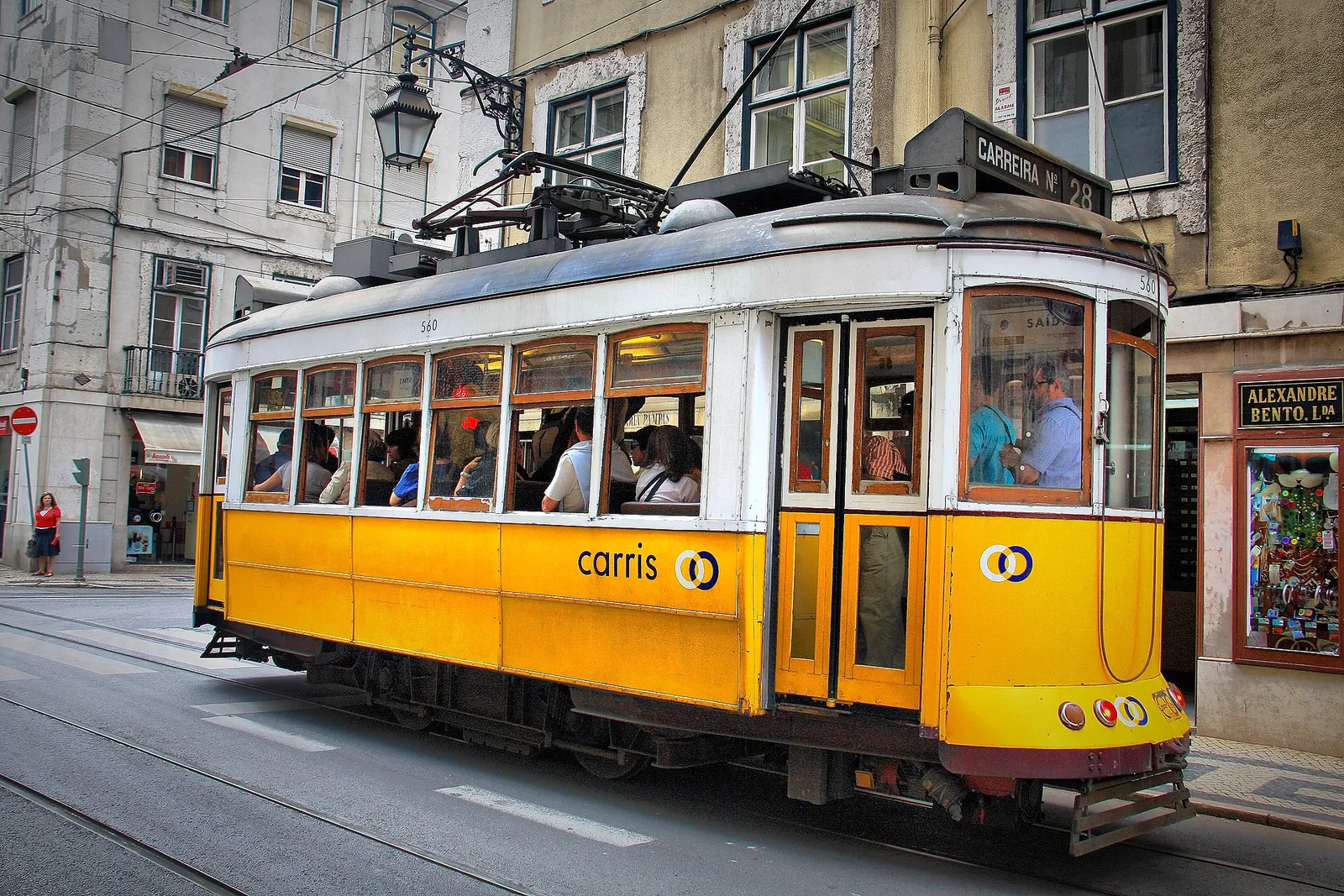
The historic tram is a sightseeing ride rather than transport, and the riverside line out to Foz is the one to take. And a practical warning: those polished granite cobbles are genuinely slippery when wet, and Porto is wetter than Lisbon, so shoes with grip earn their place in the suitcase.
Where to eat and drink
Porto eats heartily. The city’s own dish is the francesinha, a gloriously excessive layered sandwich of meats under melted cheese and a beer-and-tomato sauce, not for the faint-hearted but a rite of passage. Beyond that, look for grilled fish and octopus, hearty tripas à moda do Porto, and the covered Bolhão market, restored and buzzing, for cheese, cured meats and produce.
For coffee and cake, the grand old Majestic Café is a splurge worth making once. For a view with your drink, head to a rooftop bar or the terraces along Gaia’s waterfront at sunset.
The best fish in Porto is not in Porto. Matosinhos, the port suburb at the river mouth, is half an hour away on the metro and grills the day’s catch over charcoal on the pavement outside its restaurants. It costs less than the Ribeira and it is where people from the city actually go, which is the whole recommendation.
Best viewpoints and a river cruise
Porto is a city of miradouros, or viewpoints, and the best sightseeing here is often just walking between them. The Jardim do Morro on the Gaia side, reached by the upper bridge deck or a cable car, gives the classic view back over the Ribeira. The Serra do Pilar monastery terrace beside it is even higher.
For a different angle, take a six-bridges river cruise, a short, cheap boat trip that slips under Porto’s famous spans and shows you the city from the water. It is touristy, it is lovely, and at sunset it is unbeatable.
Where to stay
Three areas do the job. The Ribeira puts you in the postcard, at the cost of noise, crowds and a climb every time you leave. The Baixa, the downtown around Aliados and Clérigos, is the practical choice: central, well connected to the metro, and level enough to walk. Vila Nova de Gaia, across the river, is quieter and often better value, with the lodges and the best views of Porto on your doorstep, though everything on the north bank means a bridge crossing.
Whichever you choose, check what floor you are on and whether there is a lift, since Porto’s beautiful old buildings frequently have neither, and a fourth-floor walk-up after a day on these hills is a different holiday.
When to go, and one date to know
May, June, September and October are the sweet spot: warm days, a green Douro and manageable crowds. Summer is hot and busy, winter is quiet, cheap and atmospheric, with the honest caveat that Porto gets more rain than the rest of the country and a wet January day here is genuinely wet.
One date deserves special mention. São João, on the night of 23 June, is Porto’s own festival and one of the great street parties of Europe: the whole city outdoors until dawn, grilled sardines on every corner, fireworks over the Douro, and an inexplicable and delightful tradition of hitting strangers on the head with squeaky plastic hammers. It is wonderful and the city is full, so book months ahead or avoid the date deliberately.
Beyond the city
The Douro is the headline day trip and deserves a full day. After that, the north has three more that are easy by train. Guimarães, often called the birthplace of Portugal, has a castle, a ducal palace and a beautifully preserved medieval centre. Braga is the country’s religious capital, with the extraordinary staircase sanctuary of Bom Jesus above it. And Aveiro, south along the coast, has canals, painted moliceiro boats and the striped fishermen’s houses of Costa Nova nearby.
All three are comfortable half or full days from Porto’s stations, which is one of the underrated advantages of basing yourself here rather than treating the city as a stopover.
Staying comfortable and safe
Porto is a safe, easy city, and the risks are ordinary. Pickpocketing happens where you would expect: the busiest tram, the metro at rush hour, the crowded Ribeira on a summer evening. Bags zipped and in front of you covers it.
The two things more likely to spoil a day are the hills, which catch out anyone who planned by map distance, and the cobbles, which are polished, uneven and slick in rain. Neither is a reason for concern, both are a reason for sensible shoes and a slower plan. As anywhere, it is worth knowing how to get help before you need it: our guide to emergency numbers in Portugal is a two-minute read and a much better one at home than at the roadside.
Porto or Lisbon, if you only have one?
On a short trip the choice is real, and it is a choice of character rather than quality. Porto is smaller, steeper, more intimate and more atmospheric, easily covered in two days, with wine at its heart. Lisbon is bigger, brighter and grander, with more museums, more nightlife and a far longer list of day trips on its doorstep, and it asks for more days to do it justice.
Our comparison of Lisbon and Porto weighs them properly on cost, crowds, weather, food and how each feels to walk. The genuinely useful shortcut: they are a short train ride apart, and most first trips to Portugal are better for including both.
How to plan your days
With two days, spend the first on the north bank, Ribeira, São Bento, Lello, Clérigos and a rooftop sunset, and the second across the river in Gaia for cellar tastings and the viewpoints, with a river cruise to link them. With a third day, escape up the Douro Valley for wine estates and terraced hillsides, the finest day trip in the north.
Base yourself in or near the Ribeira or the Baixa (downtown) to stay walkable, wear shoes that handle cobbles and hills, and do not over-schedule: half the joy of Porto is getting pleasantly lost on the way down to the river.
Are you giving Porto two days or three, and is the Douro making the cut?