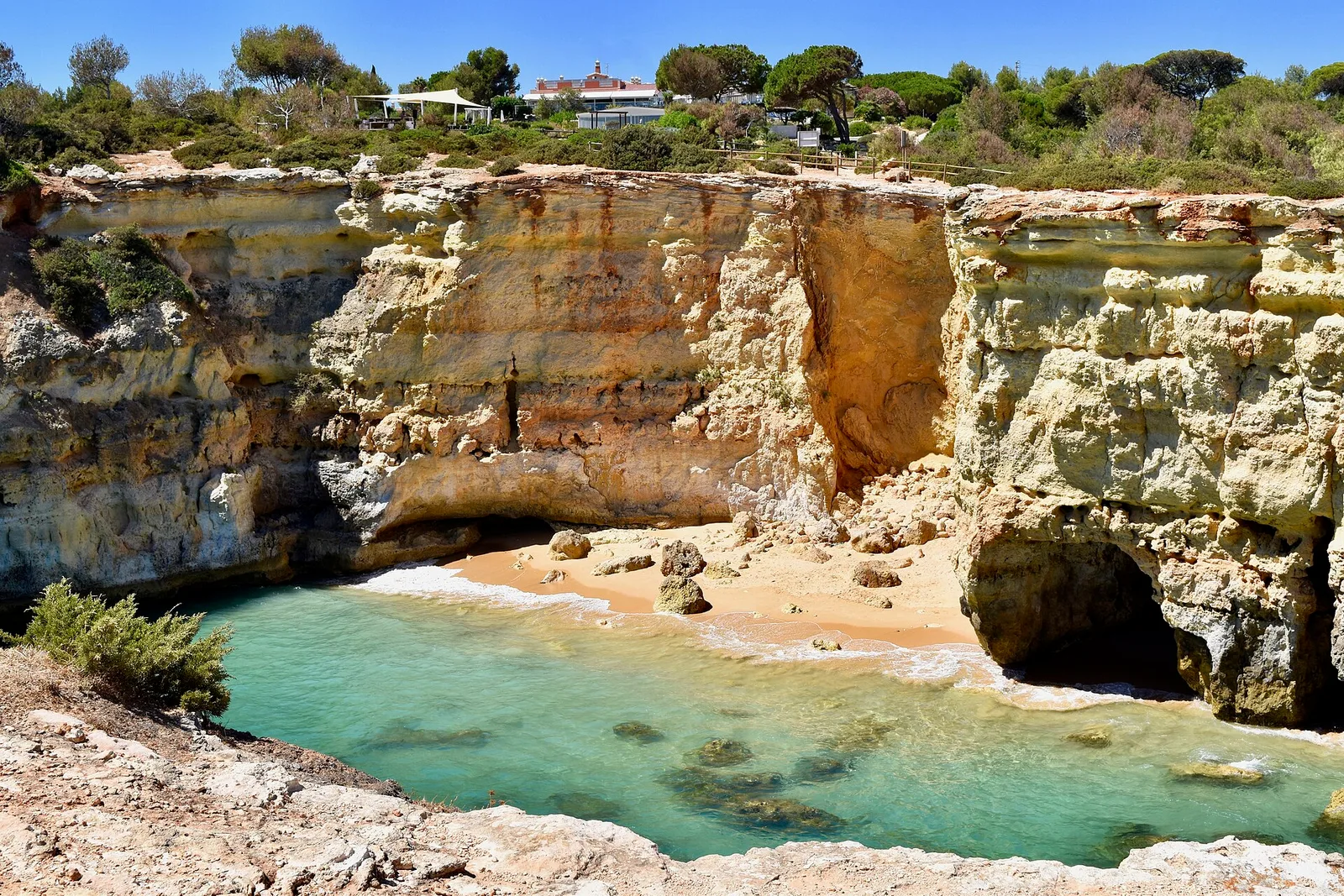
The Algarve is sold as one coastline and it is three. The middle is the famous part: golden sandstone cliffs full of caves, arches and coves the size of a swimming pool. The east flattens out into lagoons and long sandbank islands you reach by boat. The west turns its face to the open Atlantic and gets cold water, big surf and almost nobody. Choosing between them, rather than driving between them, is what makes an Algarve beach holiday work.
The central coast: cliffs and coves
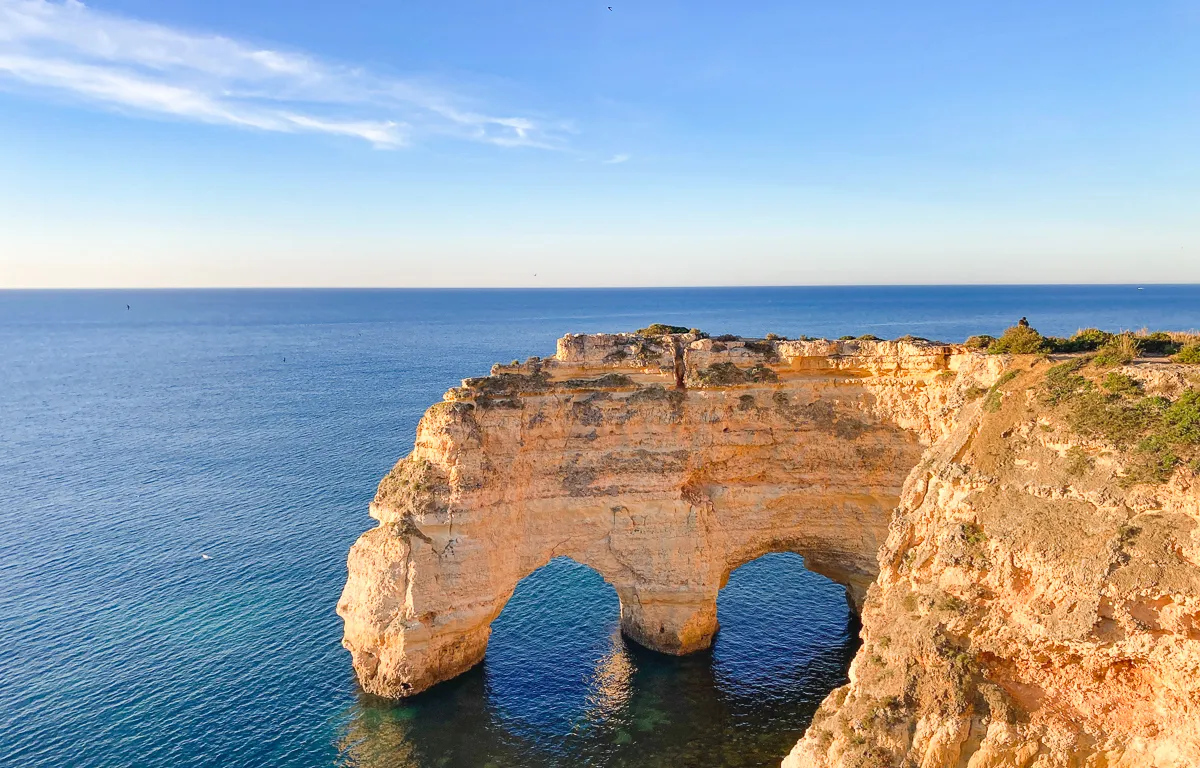
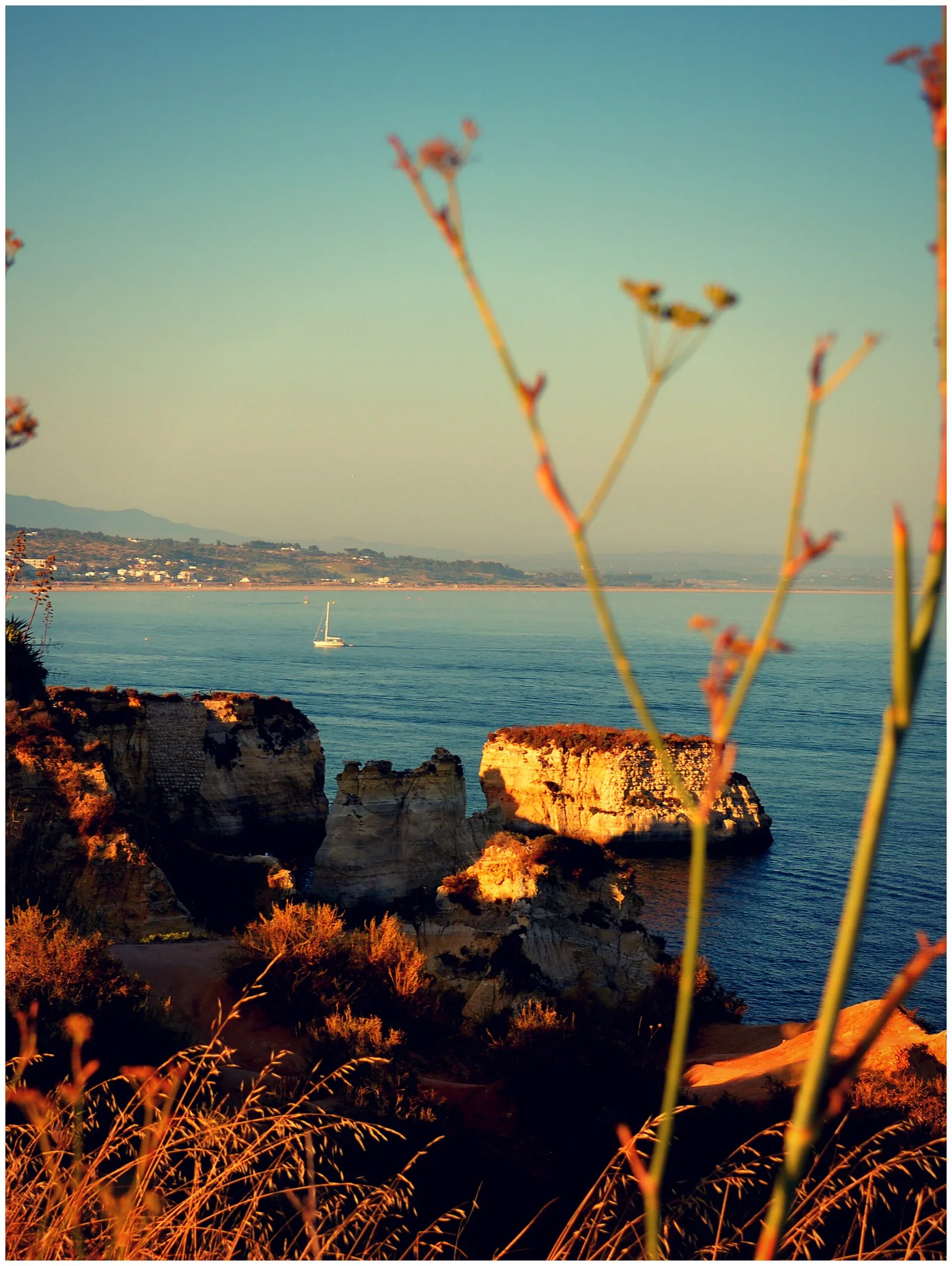
What it is. Layered golden sandstone eroded into stacks, arches, blowholes and small enclosed beaches, with clear turquoise water at the base.
The famous coves are genuinely as beautiful as the photographs and genuinely small, which is why they fill.
Access varies enormously. Some have a car park at the sand, others a long stairway cut into the cliff, and several have no land access whatsoever.
Boat trips run from the harbours along this stretch and are the only way into the caves and arches.
Best early and late, when the light is on the cliffs and the coves are not full.
The eastern coast: sandbanks and lagoons
What it is. A protected lagoon system behind a chain of low sandbank islands, with warm shallow water and long flat beaches.
You reach the islands by ferry from the mainland towns, which turns a beach day into a small excursion.
It is calmer and shallower, which makes it the best part of the region for small children.
Far fewer visitors, since the region’s marketing photographs are all taken forty kilometres west.
Seafood on this coast is the other reason to come, particularly the shellfish from the lagoon.
The west coast: wind and surf
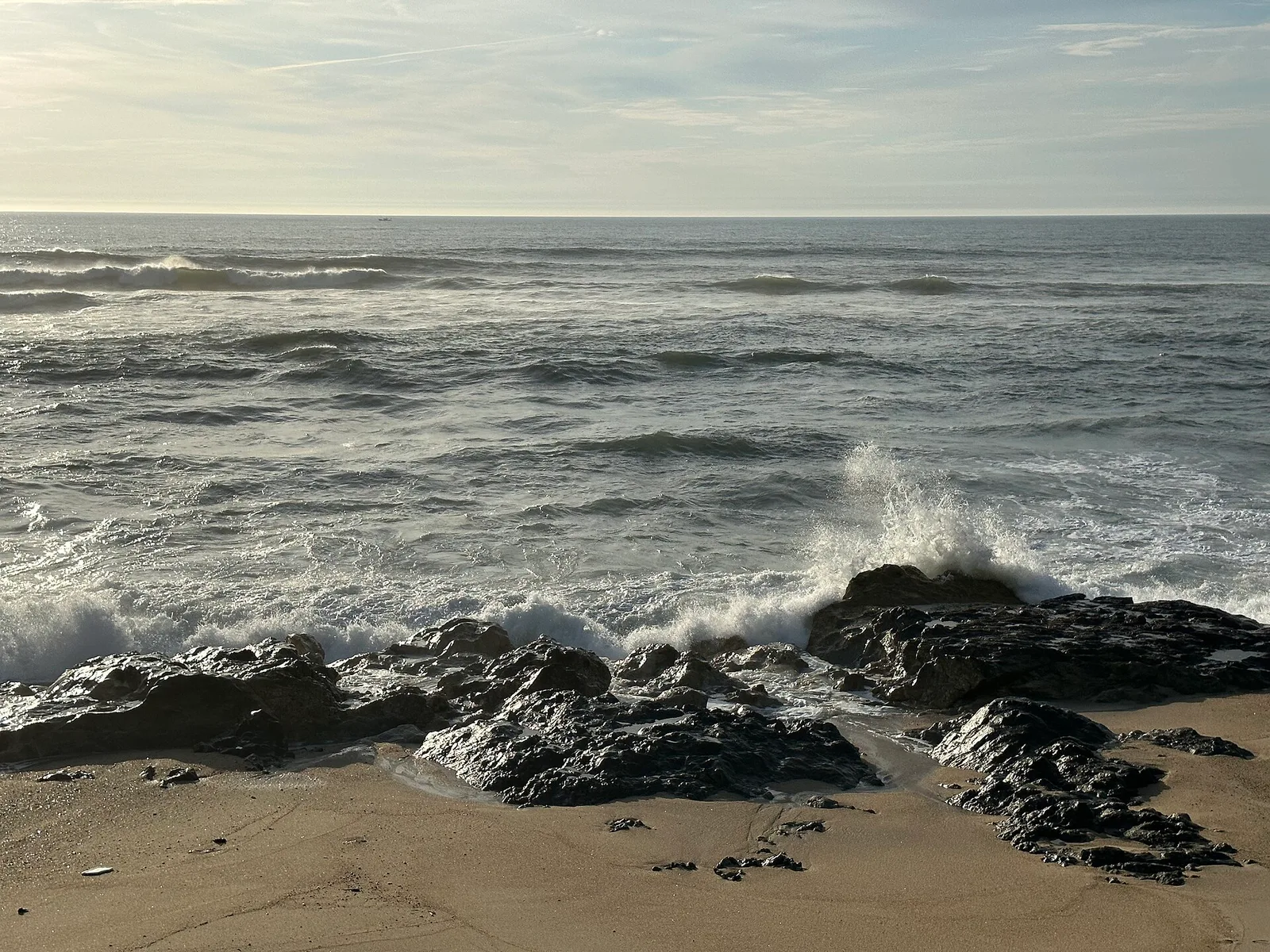
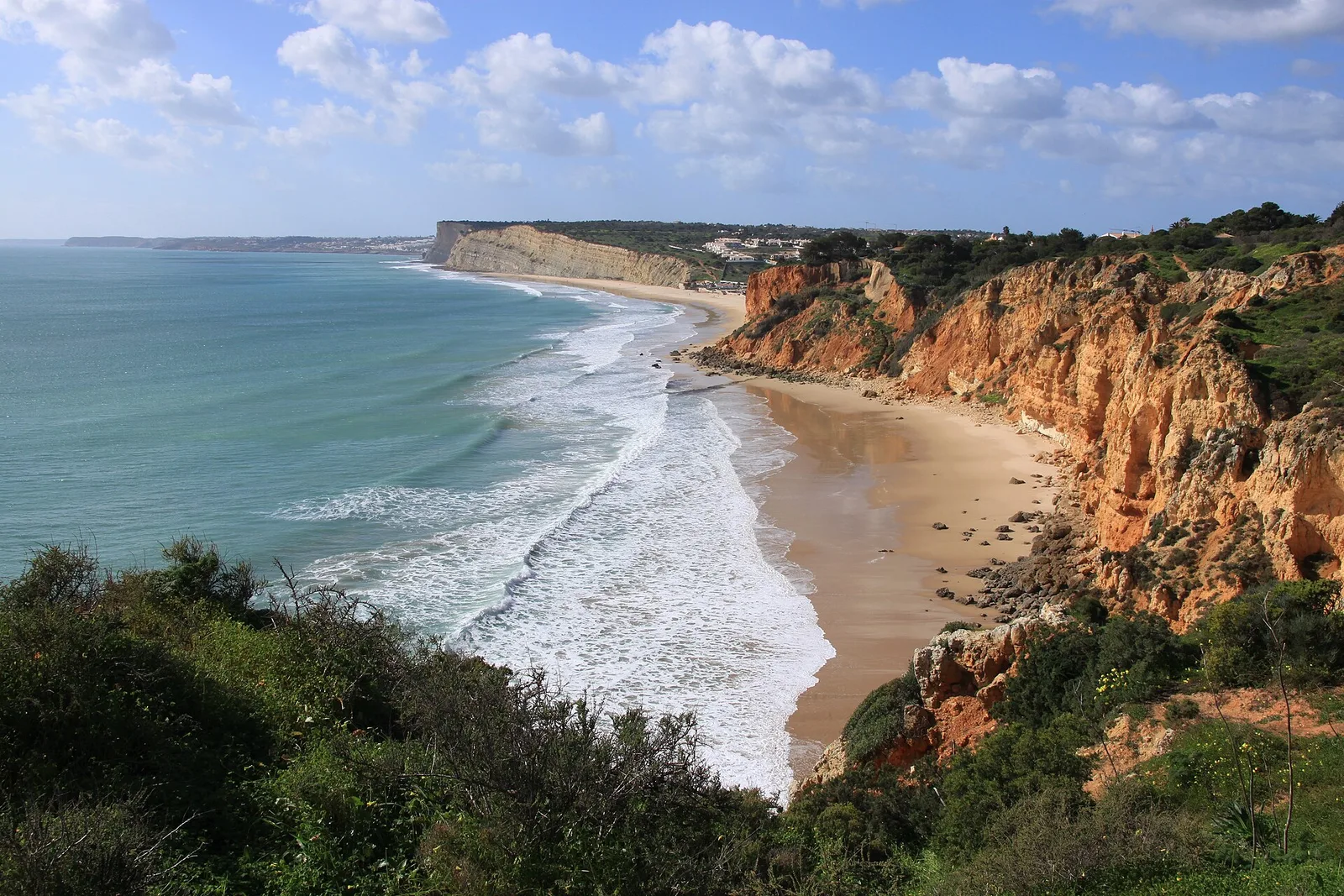
What it is. The Atlantic-facing side, from the southwestern cape northwards, with wide beaches backed by cliffs and dunes and a protected natural park behind them.
Cold water and real waves, which is why the surf schools are here and the sunbeds are not.
Windy, frequently and reliably.
Almost undeveloped compared with the south coast, with small villages rather than resorts.
Not for a lazy swim, and superb for a walk, a surf lesson or a sunset.
Practical notes
Parking fills early at the popular beaches in July and August, frequently well before ten in the morning.
Lifeguards and flags operate in season on the main beaches, and the west coast currents are not to be taken lightly.
Shade is scarce on cliff-backed coves, where the cliff blocks the breeze and reflects the heat.
Tides matter on this coast, and some small coves shrink dramatically at high water.
A car is close to essential for beach hopping, since the good ones are spread along a long coastline and the bus network follows the main road rather than the coves.
Where this fits
For the region as a whole, its towns, seasons and how it fits into a wider Portuguese trip, our Algarve guide covers the groundwork.
If you are choosing a base, the three main options are genuinely different holidays, and our comparison of Lagos, Albufeira and Faro sets out which suits which trip.
And if the waves rather than the sunbeds are what you are after, our guide to surfing in Portugal covers the west coast and the rest of the country’s surf.
The short version
Decide which of the three Algarve coasts you actually want before booking a base: the central cliffs for coves and caves, the east for shallow warm water and sandbank islands, the west for surf, wind and space. Take a boat trip along the central coast, because the arches and caves cannot be reached any other way. Check the access and the parking for each specific beach rather than trusting the photograph. And go before ten or after four in summer, which turns the busiest cove in the region back into the one in the picture.