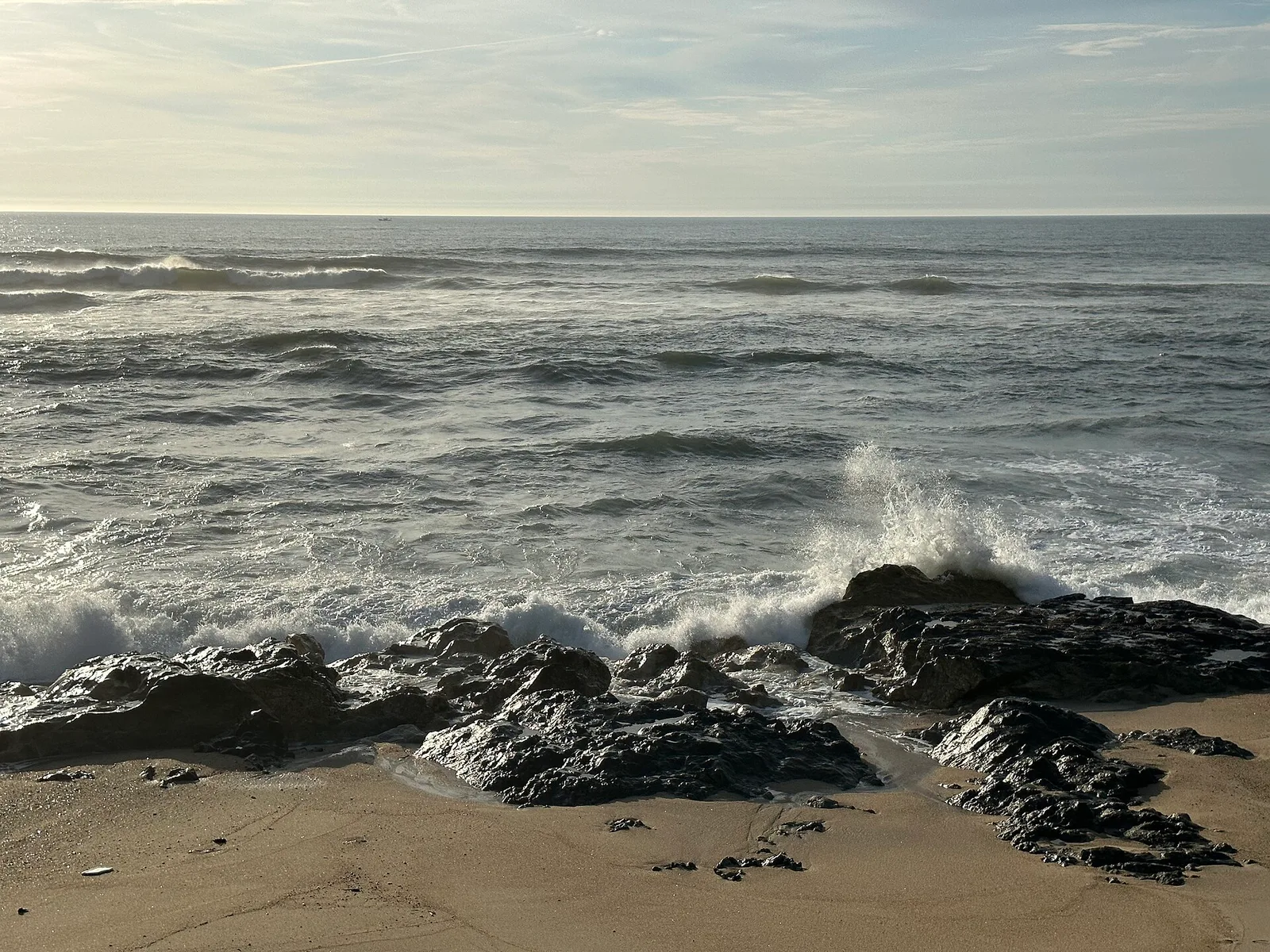
Portugal has one of the best surf coastlines in Europe, several hundred kilometres of Atlantic-facing beach breaks, points and reefs, with consistent swell and a season that never really stops. It also has an underwater canyon that turns ordinary storms into waves the size of apartment blocks, which has made one small fishing town famous worldwide and given a lot of visitors an unrealistic idea of what surfing here involves. Both things are true, and they belong at opposite ends of the same coast.
The coasts
The west coast north and south of Lisbon is the heart of Portuguese surfing: sandy beach breaks, a string of surf towns, schools everywhere and consistent swell.
The southwest, along the protected coast where the country turns the corner, is wilder, emptier and more exposed.
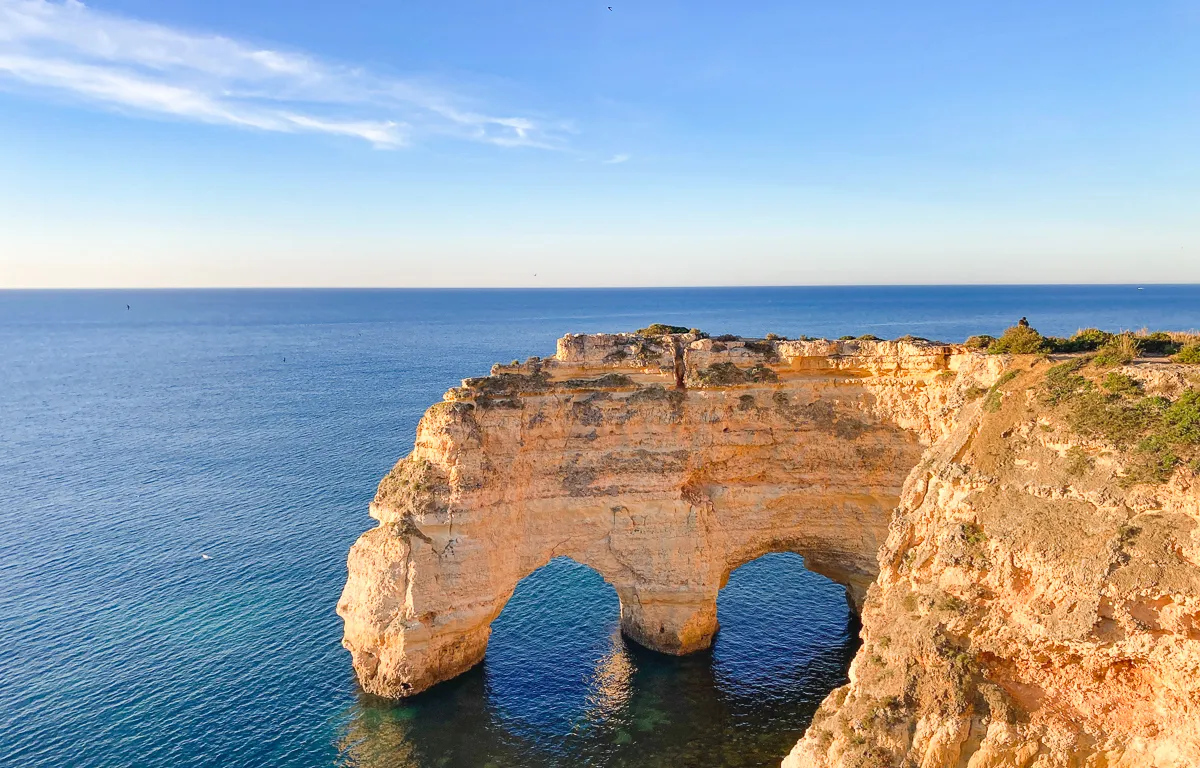
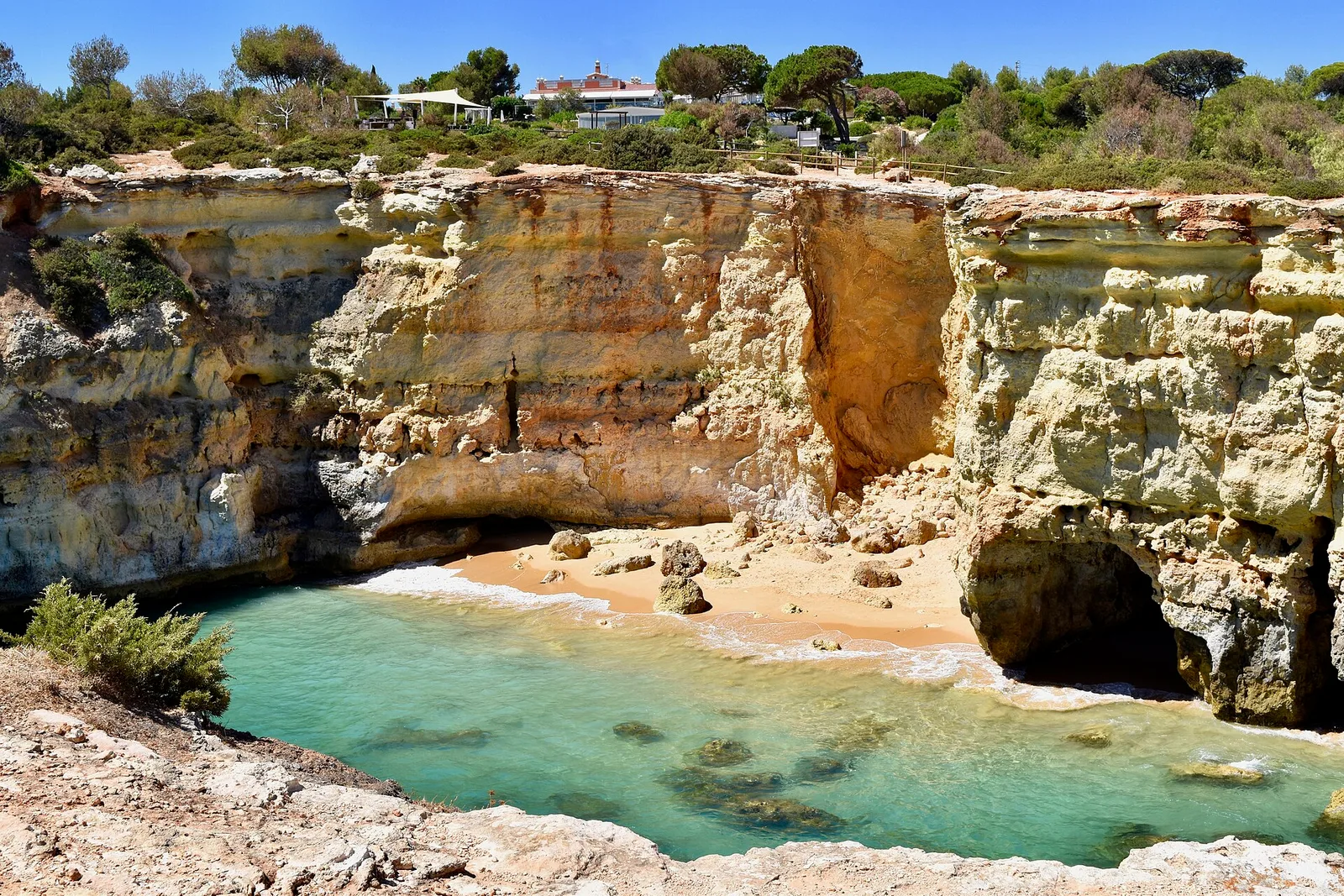
The southern Algarve coast is the sheltered side, with smaller, gentler waves and the warmest water in the country, which makes it the friendliest place to start.
The far north has good waves and far fewer visitors.
The islands, Madeira and the Azores, have serious waves for experienced surfers and are covered in our comparison of Madeira and the Azores.
Learning
Go where a school is. The value is not the board, it is somebody who knows which beach is working today and where the rip is.
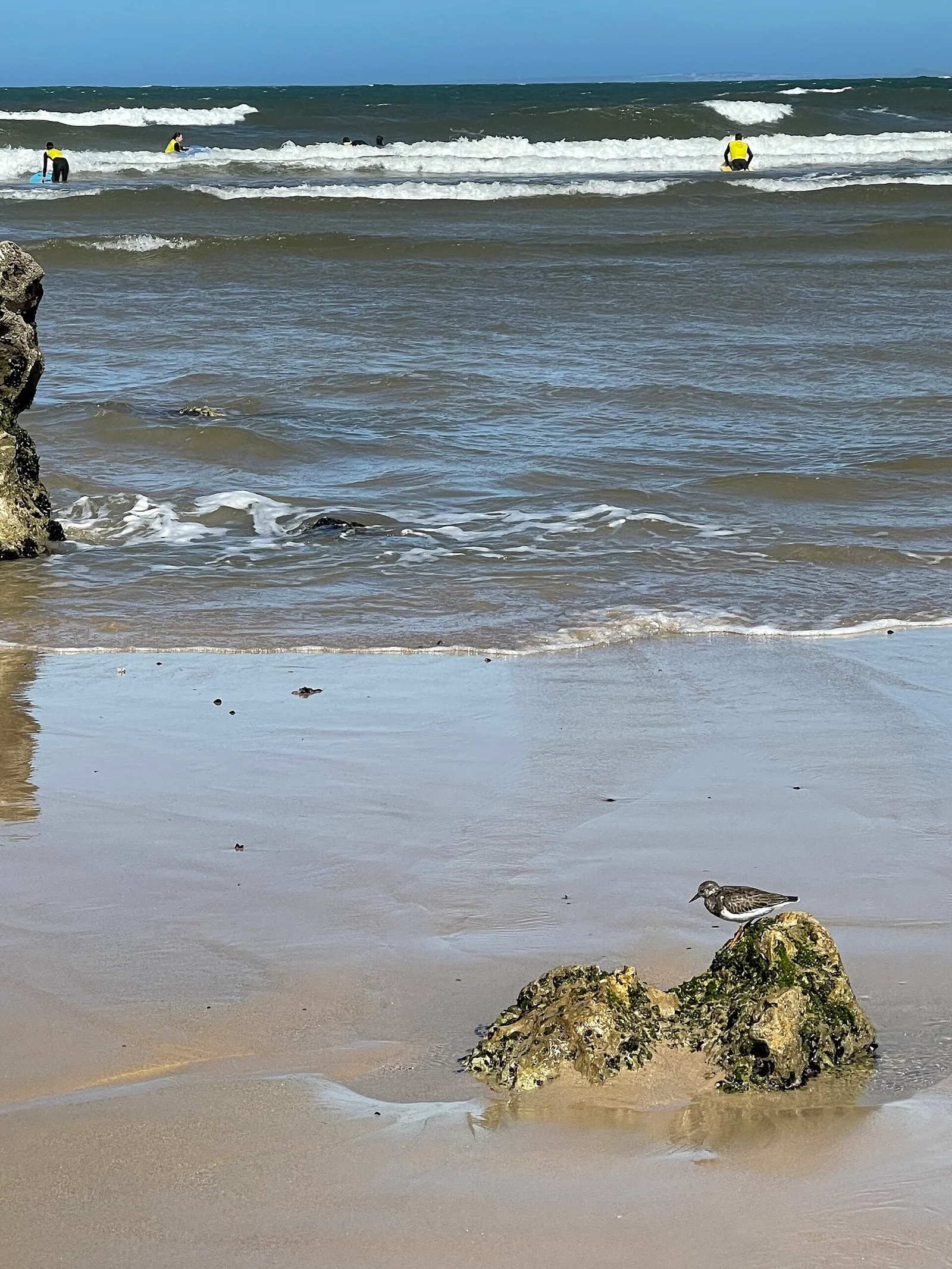
Beginner lessons typically include a board and a wetsuit, start in shallow water, and run in groups on gentle beach breaks.
A multi-day course is where progress happens; a single lesson tells you whether you enjoy it.
Summer is the beginner season on the west coast, when the swell is smallest.
The Algarve south coast is the gentlest introduction of all and the warmest water.
Nazaré, and what it actually is
The town with the famous giant waves is worth understanding before you plan anything around it.
An underwater canyon running out from the coast focuses swell energy onto one point, producing waves in winter that are among the largest ridden anywhere on earth.
It is a professional big-wave spot, surfed by a handful of people with tow-in support, jet skis and safety teams.
It is a spectator destination. In winter, crowds gather on the headland and at the lighthouse fort to watch, and that is the visit.
The town beach is an ordinary beach in summer.
Do not plan to surf there. Watching is the point, and it is genuinely spectacular.
Seasons
Summer. Smallest waves, warmest water, most crowded beaches, best for beginners.
Autumn. The sweet spot: consistent swell, water still warm from summer, fewer people.
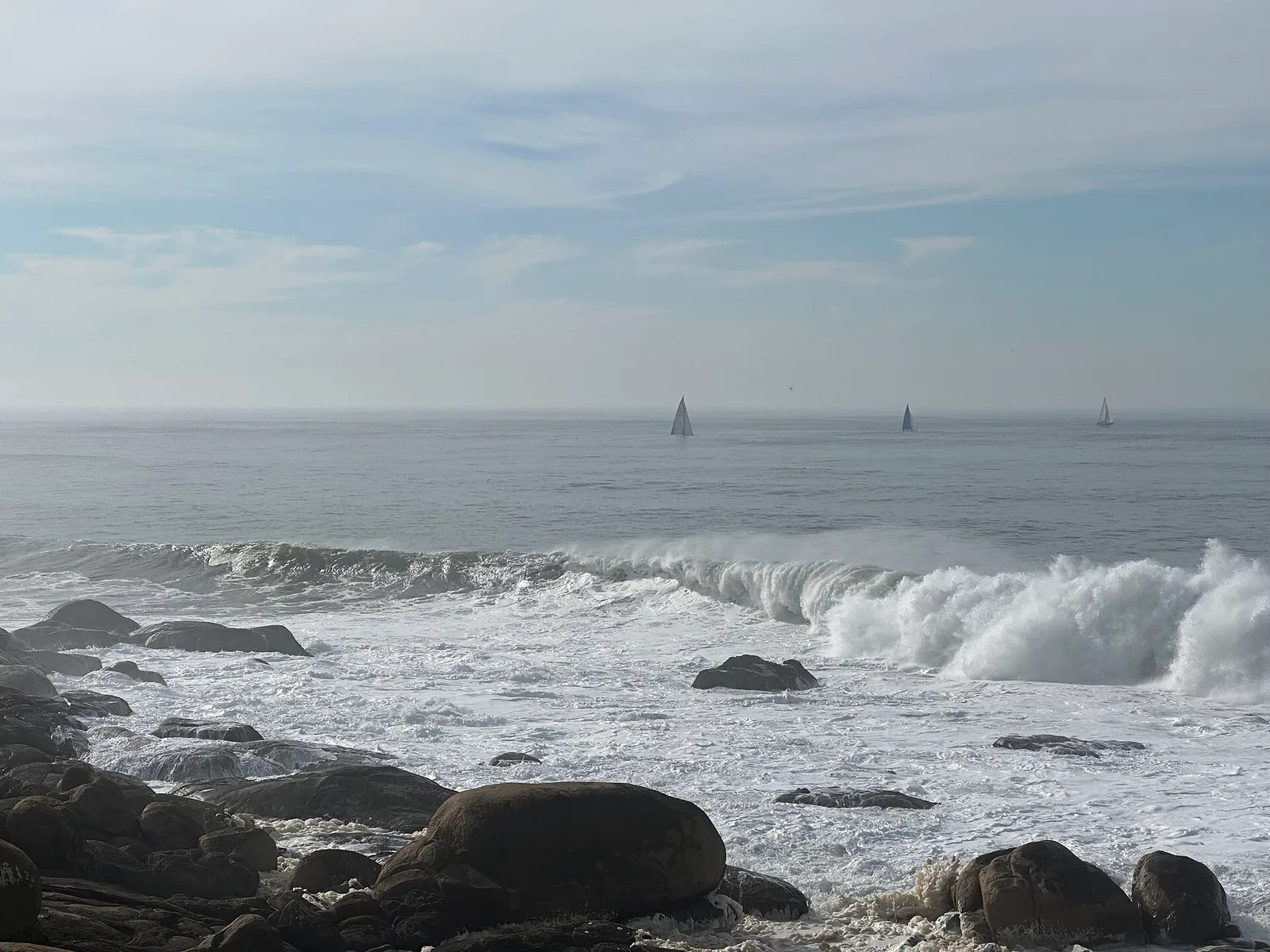
Winter. The biggest and most serious conditions, the big-wave season, and the coldest water.
Spring. Improving and inconsistent, quiet, and good value.
Practical notes
Wetsuits year round on the Atlantic coast, with thickness varying by season.
Board hire is widely available in the surf towns, and airlines charge for carrying your own.
Camper vans are a common way to do this coast, with facilities in the surf towns and rules about where you can park overnight that are worth checking rather than assuming.
Travel insurance should be checked for surfing and water sports, which some policies treat as an excluded activity.
Sun and wind are both stronger than they feel on the water.
For the sheltered southern coast and where the calm swimming is, our guide to the best beaches in the Algarve covers the three very different Algarve coastlines, and our Algarve guide covers the region as a whole.
The short version
Learn on the sandy beach breaks near Lisbon or on the gentler south-facing Algarve coast, in summer, with a school rather than a hired board. Come in autumn if you already surf, when the swell is consistent and the crowds have gone. Wear a wetsuit whatever the month. Treat the Atlantic seriously: lifeguarded beaches, between the flags, and ask locally which beach is safe today. And go to Nazaré in winter to watch rather than to surf, because that wave is not a recreational option for anyone.