Before anything else about cities, coworking spaces or the cost of a coffee, there is a more basic question that most guides to remote work in Portugal skip past: does this even apply to you? If you hold a passport from an EU country, the wider European Economic Area or Switzerland, the answer is that you can simply move to Portugal and work under freedom of movement rules, with no visa application, no income threshold to prove and no consulate appointment. Everyone else needs a proper national visa, and the route built for remote workers and freelancers is the D8. The rest of this guide covers the practical side of actually living and working here, but get this distinction straight first, because it changes what “sorting your paperwork” even means for you.
It is worth saying plainly that this is not a small technicality. Two people planning what looks like the same move, both drawn by the same Lisbon coworking scene and the same idea of working from a cafe overlooking the river, can be facing completely different processes depending on which passport they hold. Assuming a single set of rules applies to everyone is the most common mistake in how this topic gets discussed online, and it is worth untangling from the very first step rather than discovering the difference midway through an application.
Two different starting points
For EU, EEA and Swiss citizens, moving to Portugal to work remotely is closer to relocating within your own country than it is to emigrating. You still need to register locally once you are settled and handle the same tax and residency questions as anyone, but there is no visa to apply for and no minimum income figure to satisfy before you are allowed to come.
For everyone else, the D8 visa is the dedicated route, built specifically around remote income earned from outside Portugal. Applicants need to show a minimum income above a threshold that the Portuguese authorities set and review periodically, along with proof of accommodation and standard supporting documents. Because the exact figure and the document list can change between application rounds, the only reliable source is your nearest Portuguese consulate or the official immigration authority, checked directly rather than taken from an article written at an earlier point. Our wider guide to Portugal’s visas and entry rules covers how the D8 sits alongside the country’s other routes in and how it differs from a simple tourist visit.
Sorting connectivity before you land?A local or regional eSIM gets your maps and calls working from the airportLisbon: the obvious first choice, and its trade-offs
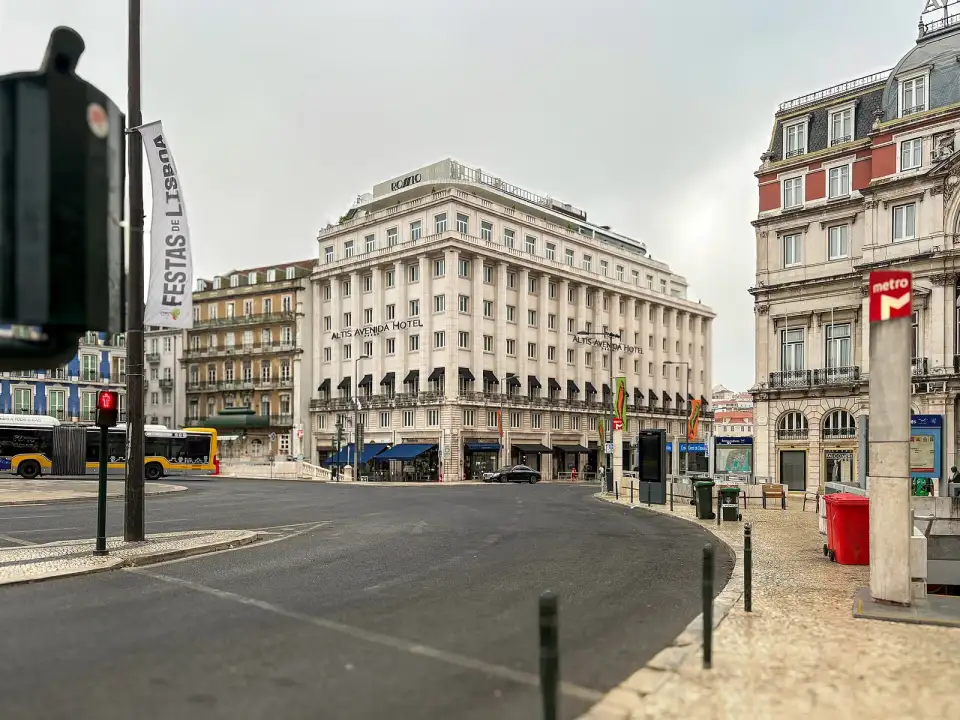
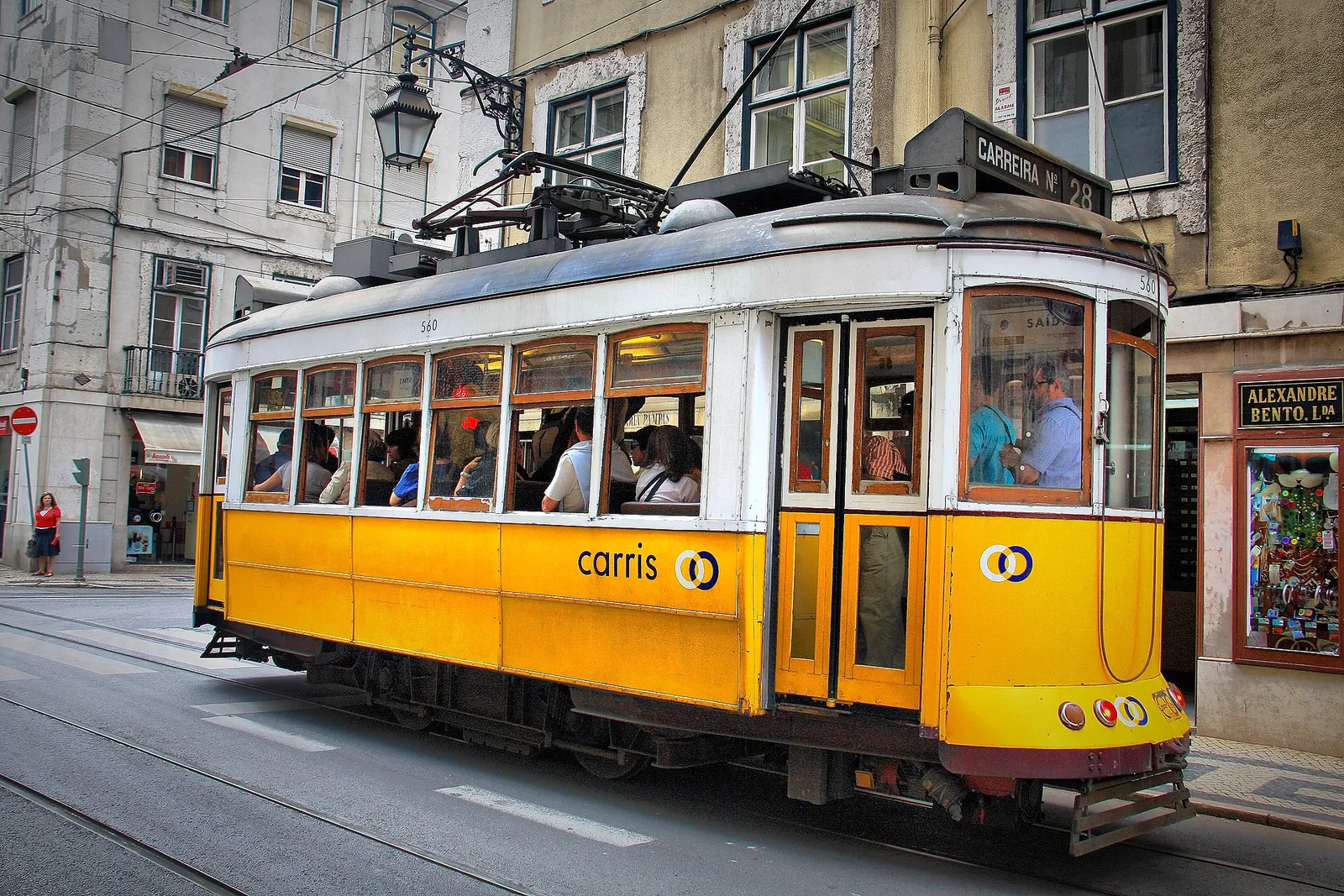
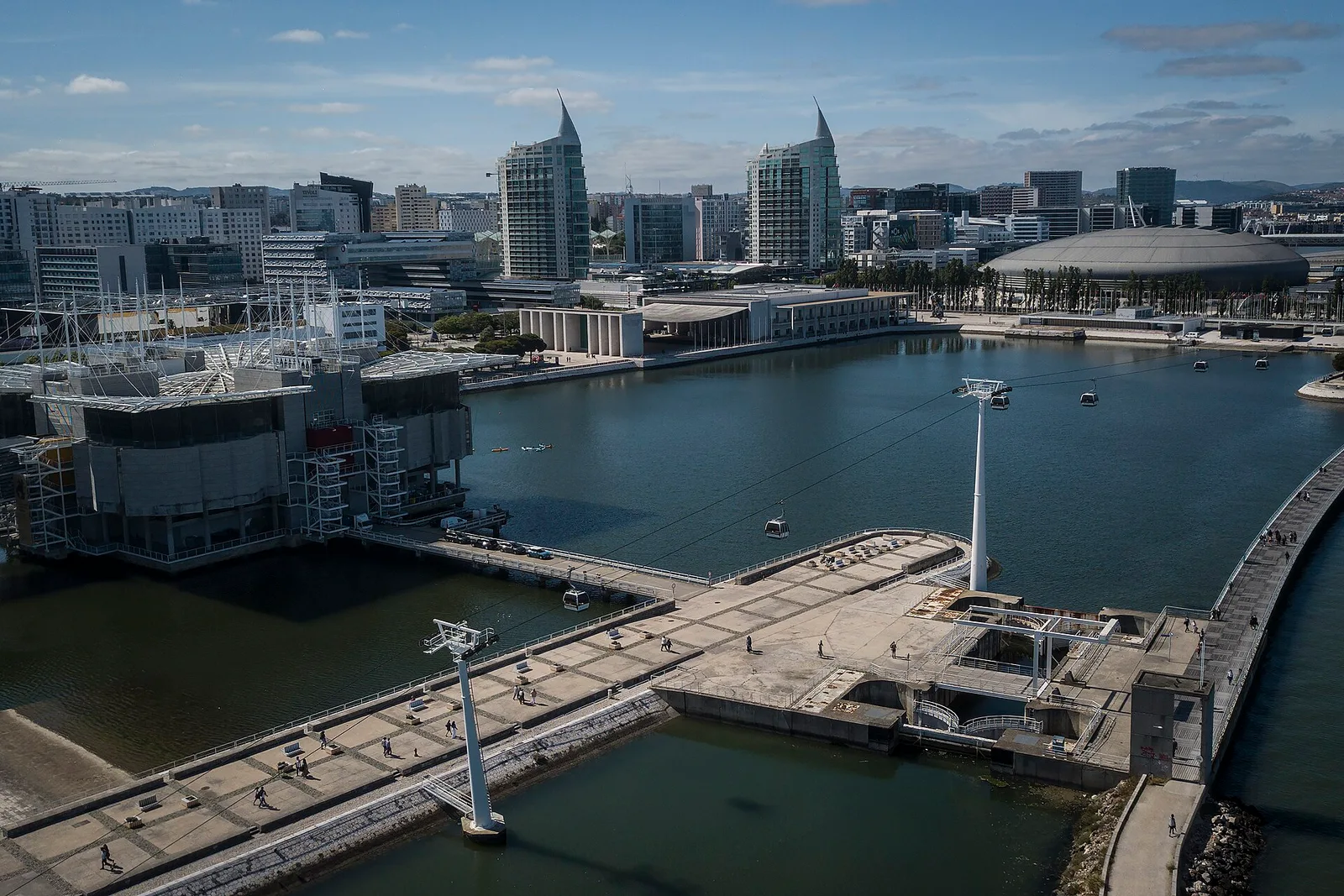
Lisbon is where most people’s Portugal plan starts, and for good reason. It has the country’s biggest concentration of coworking spaces, the largest and most established remote work community, and by far the best flight connectivity if your work still involves the occasional trip home or onward. Neighbourhoods like Príncipe Real, Alcântara and parts of the riverside have become genuine hubs for the scene, with a steady calendar of meetups, talks and informal gatherings.
The trade-off is cost and competition. Lisbon’s popularity with remote workers over the past several years has pushed up demand for the kind of flat that suits a longer stay, and the easiest, most central neighbourhoods are also the most expensive. It remains excellent value against London, Paris or most major American cities, just noticeably less so than it was when the scene first took off.
Porto: smaller, cheaper, still connected
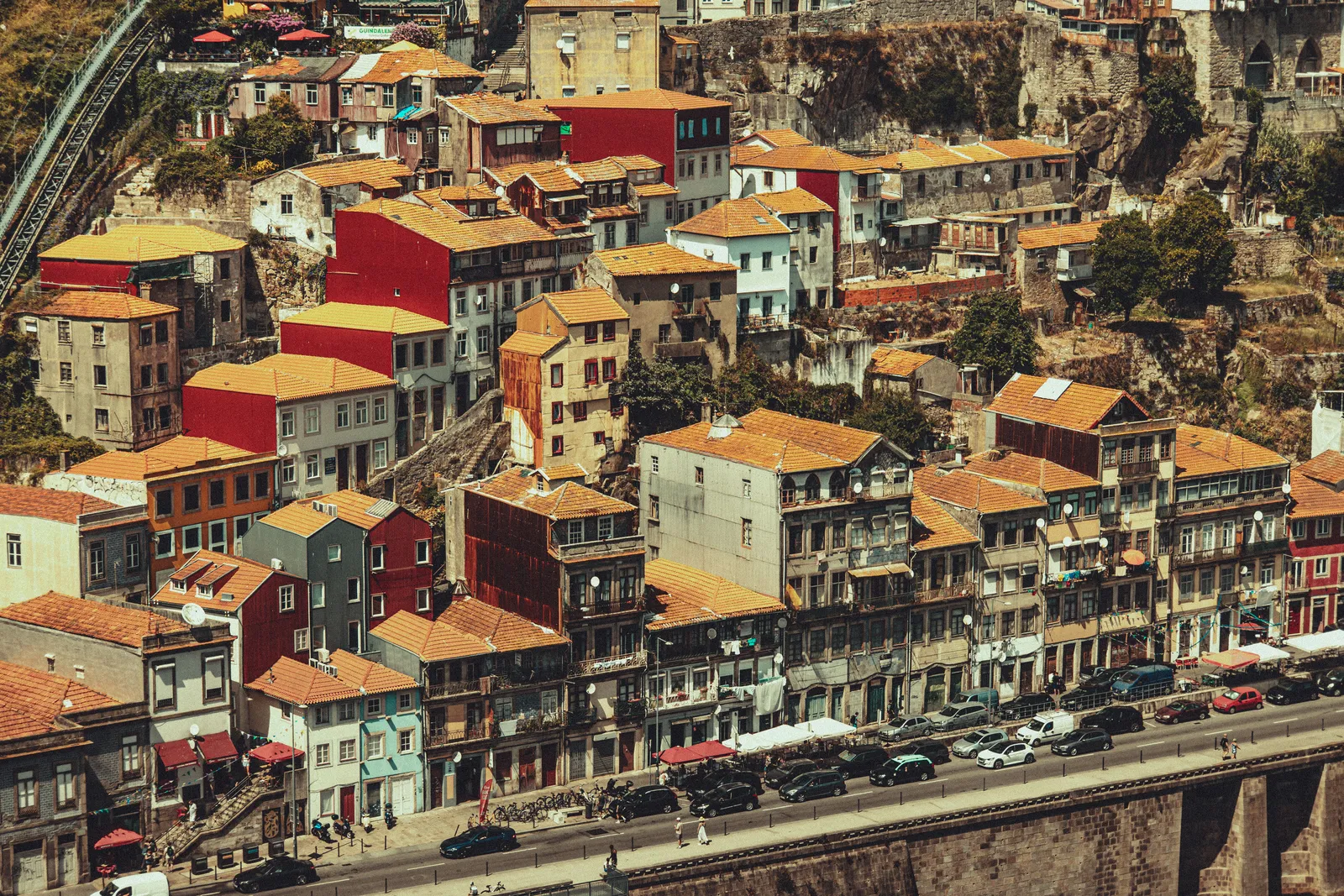
Porto offers a genuinely different experience rather than simply a cheaper version of Lisbon. The city is smaller, the pace is calmer, and rents for a comparable flat generally sit below Lisbon’s, sometimes by a meaningful margin depending on the neighbourhood. Its own remote work and coworking scene has grown steadily, smaller than Lisbon’s but real, with spaces clustered around the centre and the riverside Ribeira district.
What Porto trades away is scale. Fewer coworking spaces means fewer chance meetings, and flight options, while entirely workable for European travel, are thinner than Lisbon’s for long-haul connections. For someone prioritising cost and a slower rhythm of life over the biggest possible network, it is a serious alternative rather than a consolation prize. Our comparison of the two cities goes further into how they actually differ day to day.

Beyond the big two
A handful of smaller places have quietly built their own remote work followings. Braga, in the north, is smaller and cheaper again than Porto with a young population thanks to its university. Coimbra, another university city, offers a similar dynamic further south. Ericeira, on the coast within reach of Lisbon, has become a genuine draw for anyone who wants surfing woven into daily life rather than treated as a weekend trip. Madeira, and specifically the Ponta do Sol digital nomad initiative, built infrastructure around remote workers deliberately, with a dedicated community space and a concentration of long-stay visitors that a regular mainland town would not have organically.
None of these match Lisbon or Porto for coworking density or sheer number of fellow remote workers, but each offers something the big two do not, whether that is a lower cost of living, a specific lifestyle, or both together.
What a month actually costs
Costs vary by city, neighbourhood and season, and the honest answer is that you should check current listings rather than rely on a fixed figure from an article. As a general shape though, Lisbon tends to sit at the top of the scale for accommodation among the mainland options, Porto meaningfully below it, and the smaller towns and Madeira usually cheaper again on rent, if not always on everyday spending like groceries and eating out, where prices are closer across the country.
| City | Relative cost of living | Coworking and community | Best suited to |
|---|---|---|---|
| Lisbon | Highest of the group | Largest scene, most events | Wanting the biggest network and flight links |
| Porto | Meaningfully lower | Smaller but genuine scene | A calmer pace without leaving city life |
| Braga or Coimbra | Lower again | Limited, university-driven | A tight budget and a younger crowd |
| Ericeira | Similar to Porto | Small, lifestyle-focused | Surfing woven into daily routine |
| Madeira | Varies, often lower | Purpose-built community | A dedicated nomad hub outside the mainland |
Where people actually work
Dedicated coworking spaces are the obvious answer, and Lisbon and Porto both have enough choice to compare a few before committing to a monthly pass. Cafes with reliable power sockets and decent internet fill in the gaps, though the better ones in busy neighbourhoods get crowded from mid-morning, and a few explicitly discourage laptops during peak hours. Whichever base you choose, it is worth confirming your building’s actual internet speed before signing anything longer than a short-let, since older buildings in the prettiest parts of Lisbon and Porto are not always the best wired. Our guide to where to stay in Lisbon is a reasonable starting point for scouting neighbourhoods even if you end up basing yourself elsewhere.
Finding a community
Both major cities run a steady stream of meetups aimed at remote workers and expats, often organised through the coworking spaces themselves or informal group chats that are easy to find once you are in one. Smaller towns and Madeira’s Ponta do Sol project work differently, with a tighter, more deliberately built community that suits someone who wants to know their neighbours quickly rather than choose from dozens of overlapping groups.
What nobody mentions before you move
The bureaucracy is slower than most people expect, even once the visa or registration is sorted. Getting a NIF, opening a bank account and registering an address can each take longer than a first-timer budgets for, and doing them in the wrong order creates its own delays, since several steps depend on having completed another one first. Rent in the most popular neighbourhoods of both Lisbon and Porto has also risen enough in recent years that the flat you pictured from older blog posts may no longer match current listings or prices, so it is worth researching what things actually look like now, in the same neighbourhood, before you commit to a longer stay.