Portugal is one of the easier European countries to travel with children, and it has two obstacles that nobody mentions in the brochures: it is built on hills paved with polished cobbles, and half its coastline faces an ocean that is not for paddling. Work around those two things and everything else is in your favour, from a food culture that welcomes children into restaurants to distances short enough that nobody asks how much longer.
Why it works
Children are welcome rather than tolerated, in restaurants, in cafes and everywhere else. Family meals out are normal here.
The food is easy. Grilled fish and chicken, rice, bread, soup, and pastries the size of a small meal. Fussy eaters do fine.
Distances are short. The whole mainland fits inside a day’s drive, and the main train line is fast and comfortable.
It is inexpensive by western European standards, especially outside the peak weeks in the Algarve.
It is safe and relaxed, with the usual big-city sense required and very little else.
The two obstacles
Hills and cobbles. Lisbon and Porto both climb steeply from their rivers, on polished stone that is slippery when wet and hard work with a pushchair. Plan routes downhill and use the funiculars, lifts and trams that exist precisely because of this.
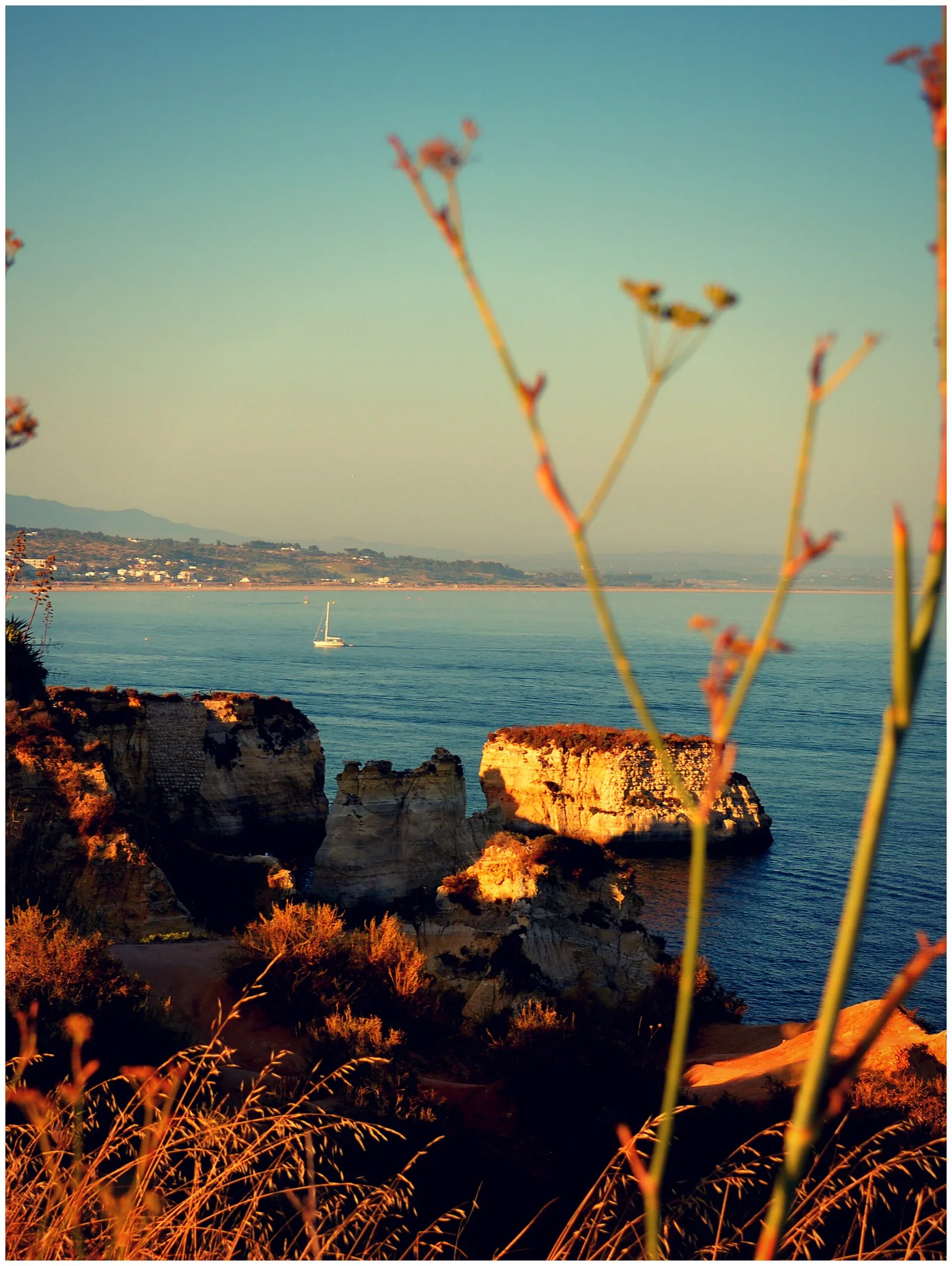
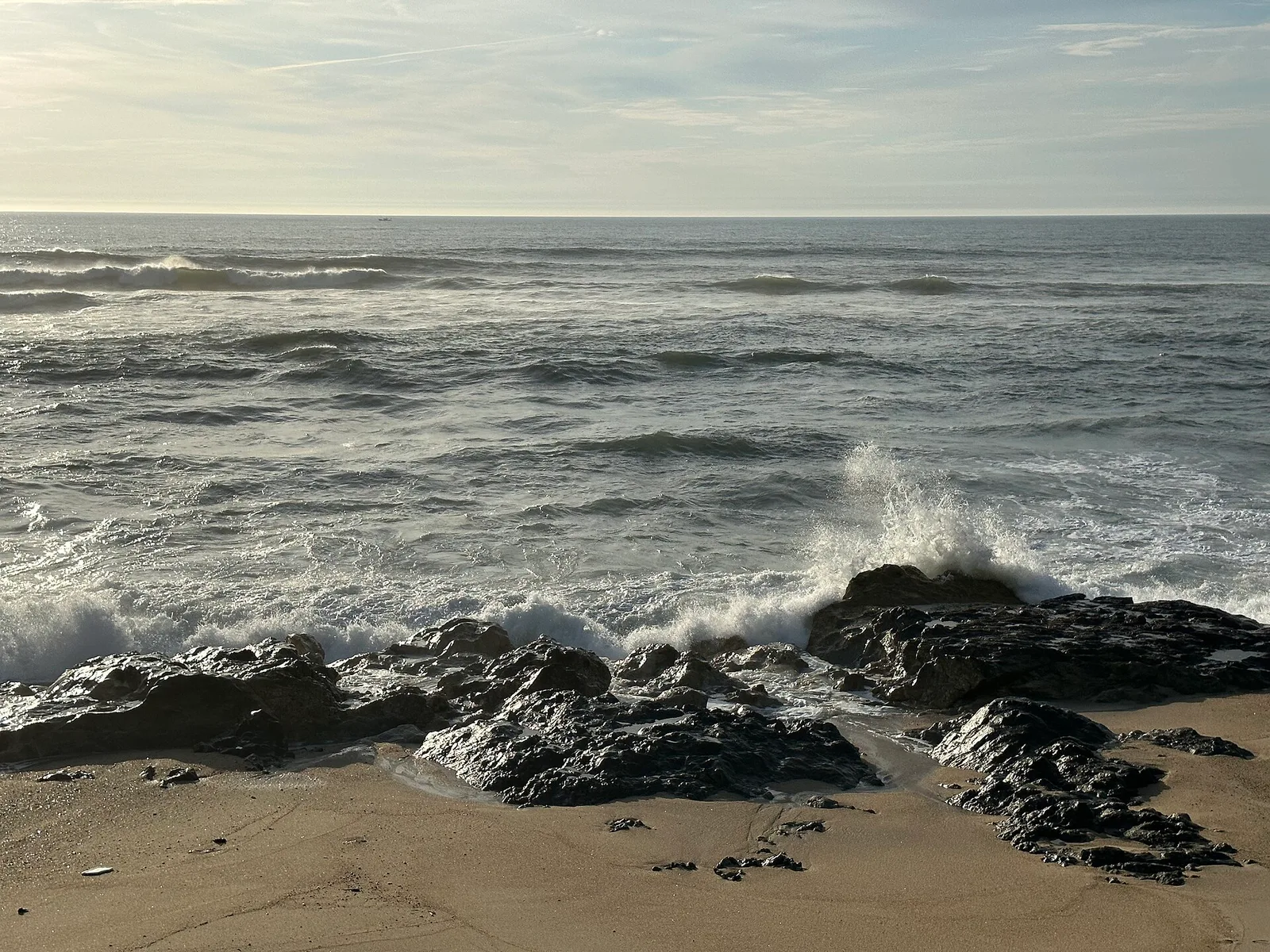
The Atlantic. The west-facing coast has strong surf and currents and is not swimming water for small children. The safe swimming is on the south-facing Algarve coast and in the eastern lagoon.
Lisbon with children
Trams and funiculars are transport and entertainment at once, and the famous route is a genuine ride.
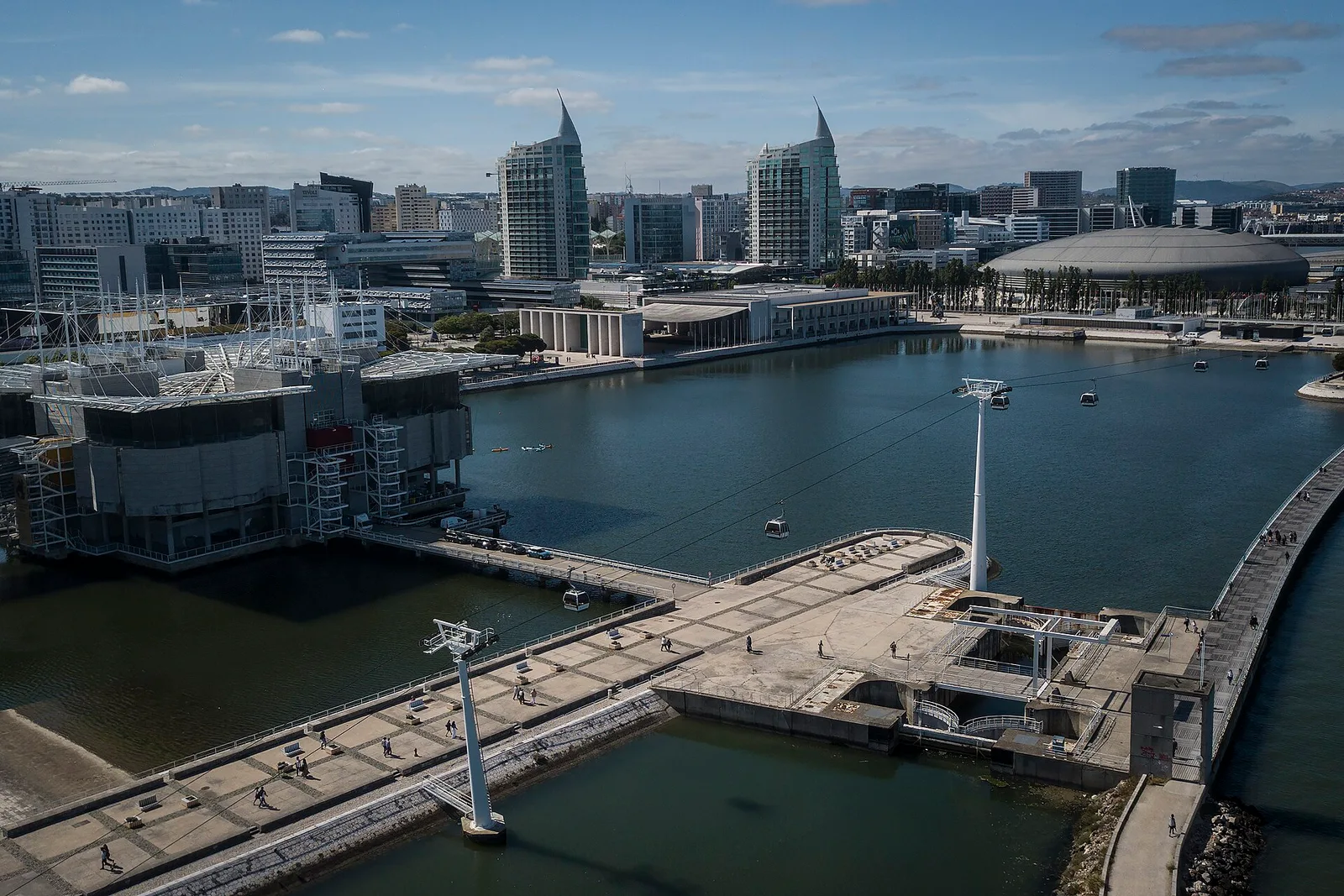
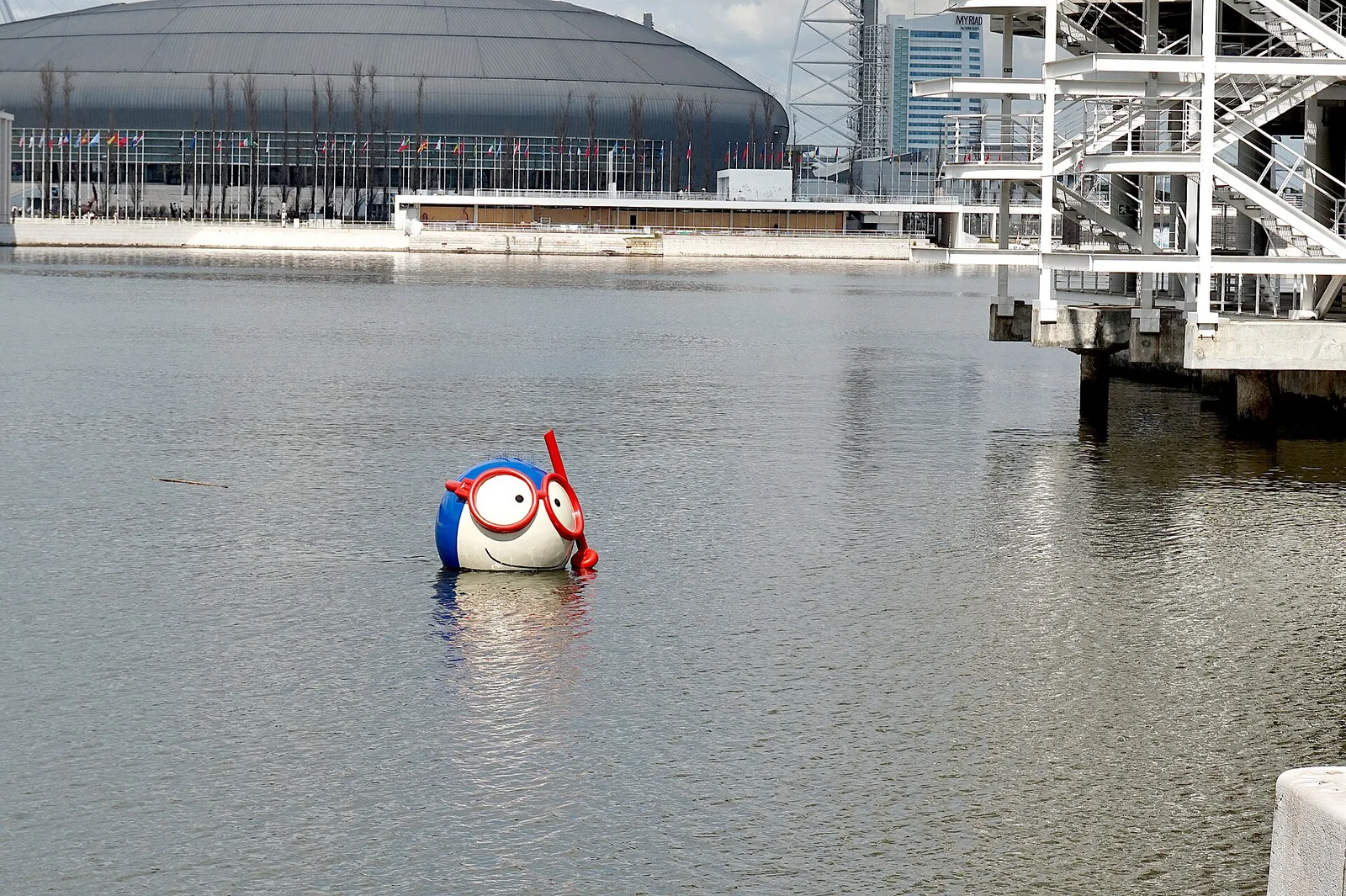
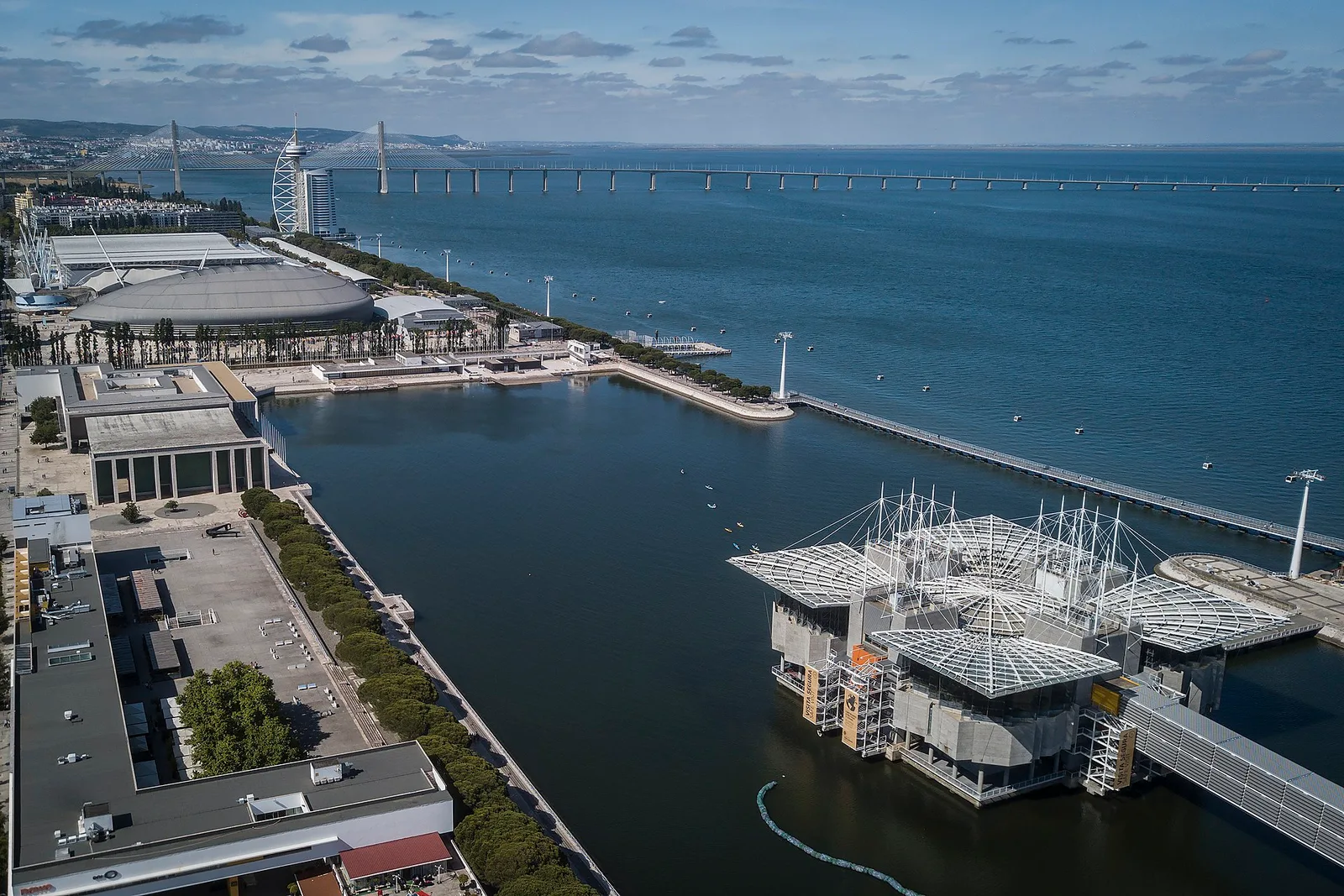
The aquarium in the eastern riverside district is excellent and takes a couple of hours.
Boats on the river cross to the far bank cheaply and count as an outing.
Castles, in the city and out at Sintra, do what castles do.
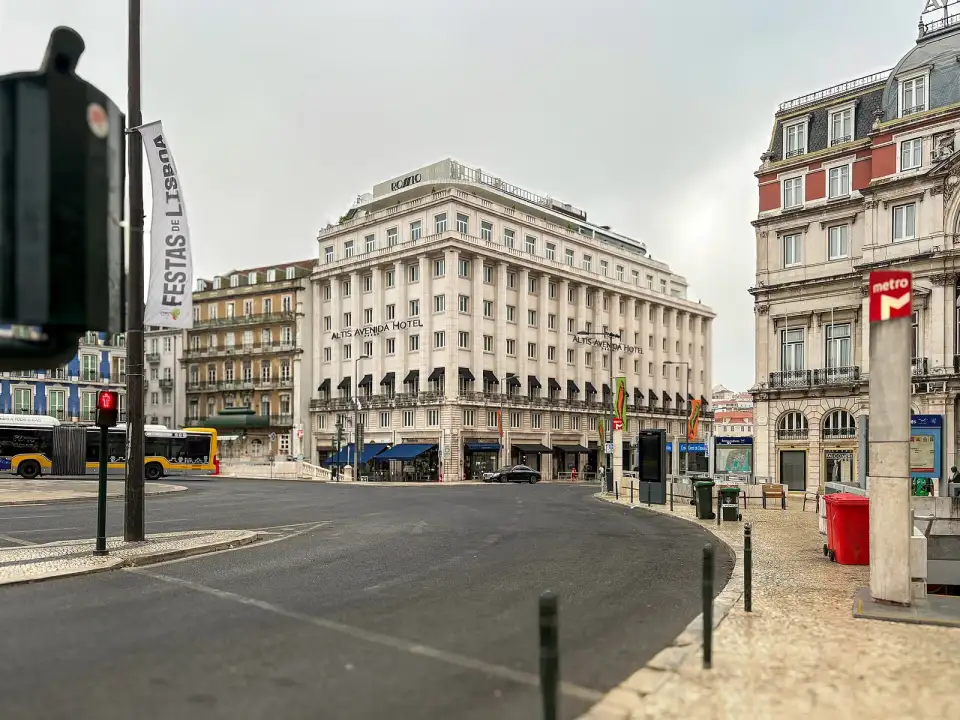
The flat lower town is where to base yourself with a buggy, near a metro stop.
Skip the multi-palace day at Sintra, which is a hill, a shuttle bus and a lot of queueing. One palace with a garden is plenty.
The Algarve with children
The south coast beaches with gentle entry and full facilities are the reliable choice.
The eastern lagoon islands are shallow, warm and calm, reached by a short ferry that is itself an outing.
Big resorts in and around Albufeira have the pools, the facilities and everything on the doorstep. Our comparison of Lagos, Albufeira and Faro covers which base fits which family.
Boat trips along the cliffs work well with older children and less so with small ones on a rough day.
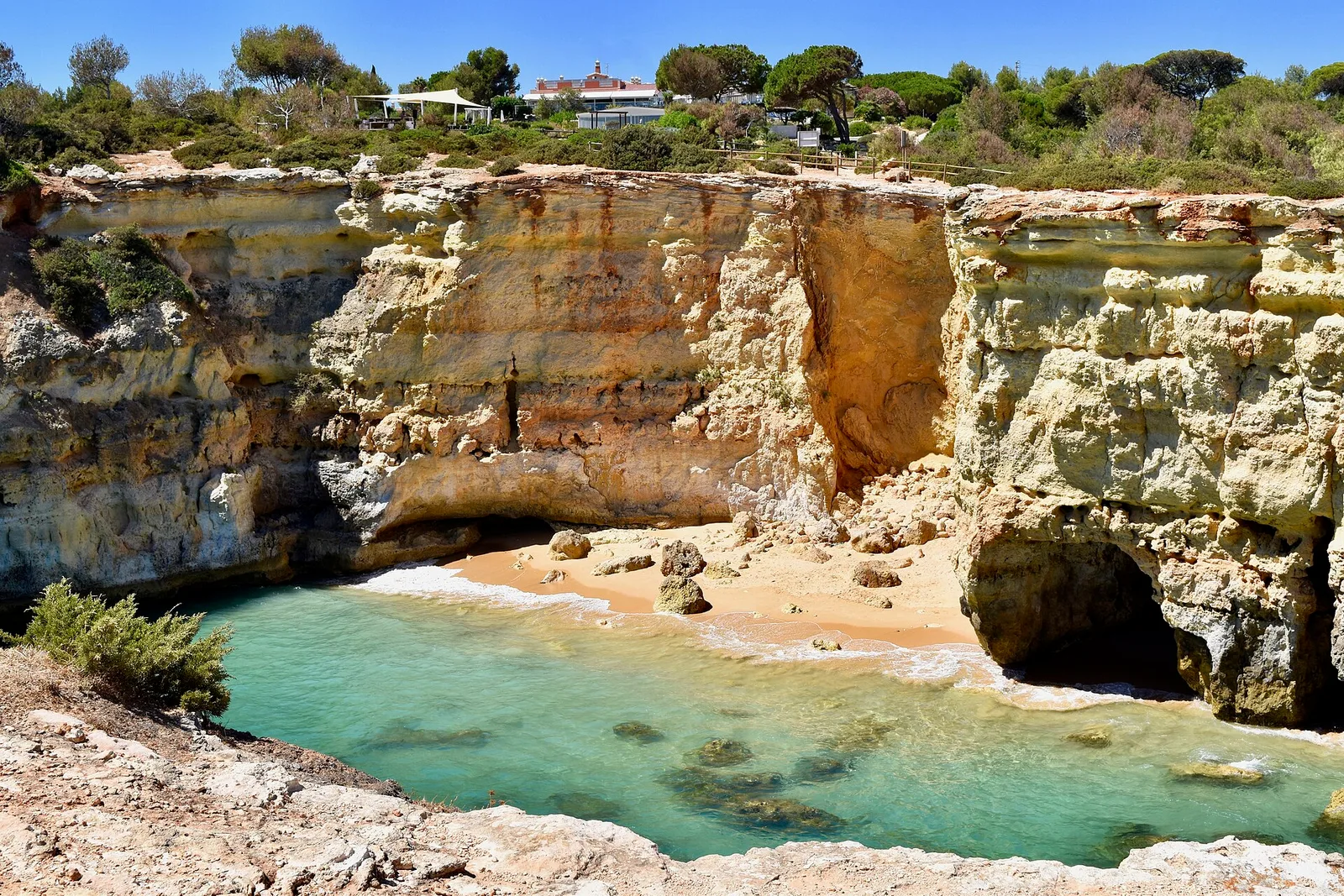
Avoid the small cliff coves with two hundred steps down and no facilities, however good the photograph. Our guide to the best Algarve beaches covers which is which.
Practical notes
Apartments with a kitchen solve breakfast, the late dinner hours and the fussy eater problem in one booking.
Sun protection is a real requirement, since the Atlantic breeze hides a strong sun.
Car seats must be arranged with the hire company in advance and are worth confirming rather than assuming.
Pharmacies are excellent, common and the first stop for minor problems.
Trams and metros in both cities take pushchairs, and the historic trams are crowded enough that a folded buggy is easier.
Travel insurance matters more with children than without, and our wider planning guidance is in our beginner’s guide to Portugal.
The short version
Base yourself on flat ground near a metro or tram stop, and take an apartment with a kitchen. Make lunch the main meal and keep the evening small, which sidesteps the late Portuguese dinner entirely. Swim on the south-facing Algarve coast or in the eastern lagoon, not on the Atlantic west coast. Use the trams, funiculars and ferries as both transport and entertainment. And in Sintra, do one palace with a garden rather than three, because the hill is the enemy of a good family day.