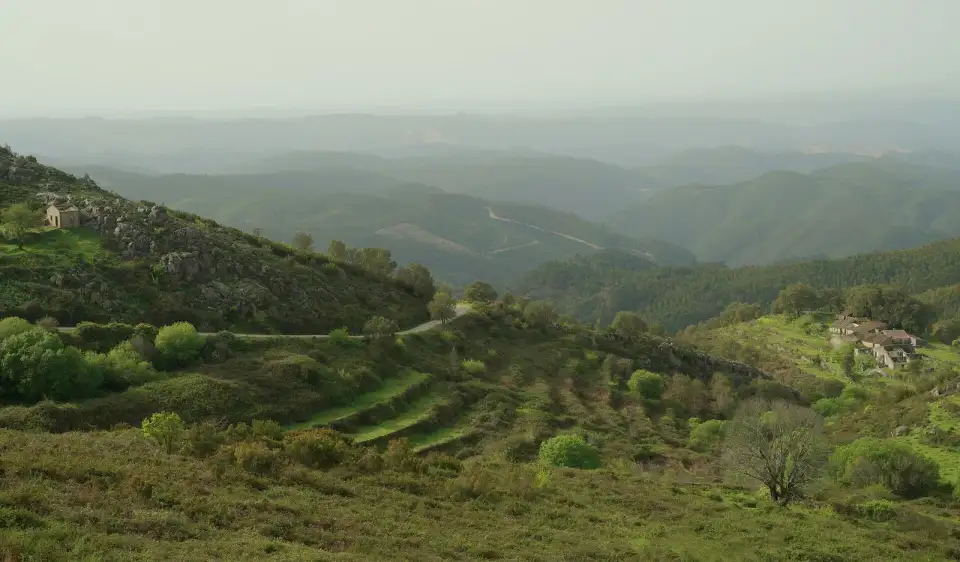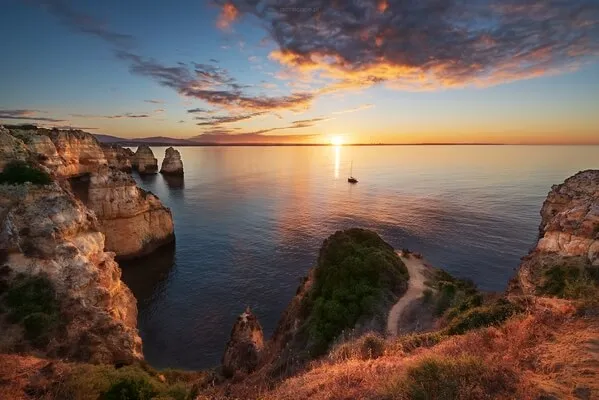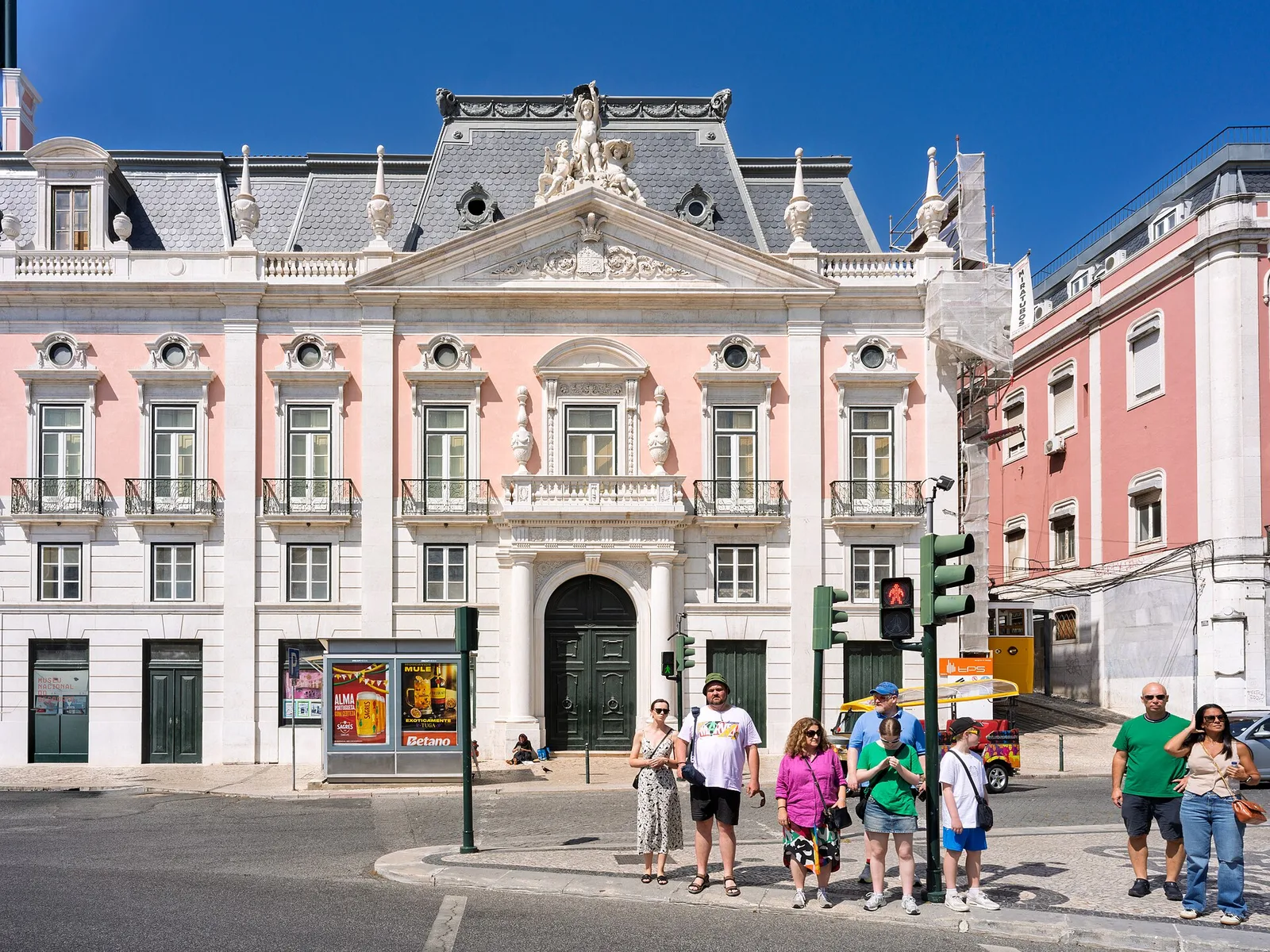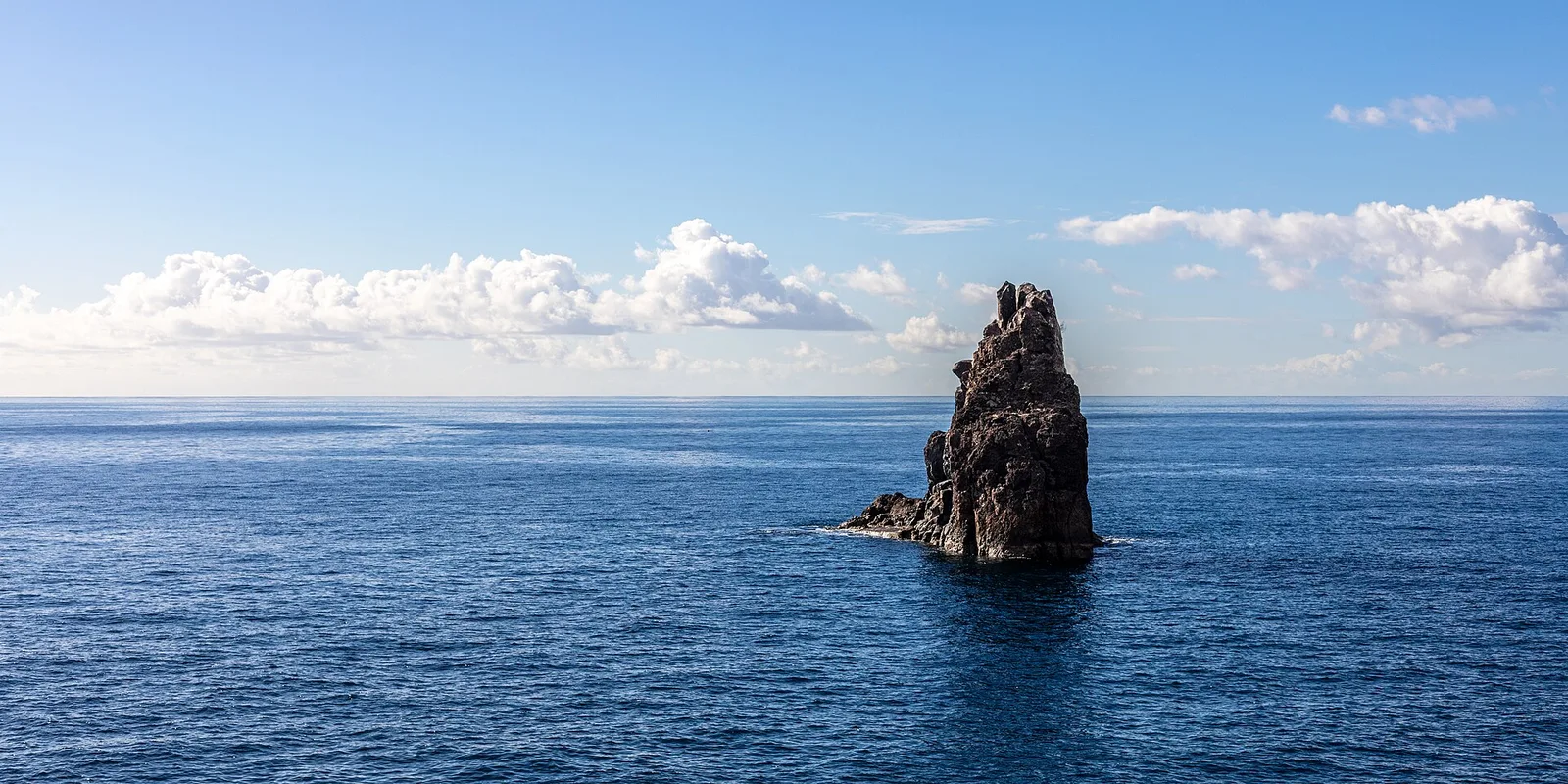
The first thing I noticed on Madeira was the sound of running water. I was standing on a narrow path cut into a mountainside above Rabaçal, one hand on a damp rock wall, and next to my boots a channel of clear water slid downhill with a steady hush. That channel is a levada, and once you have walked beside one you understand this island in a way no photo prepares you for. Madeira is a place of levadas, high volcanic peaks and Funchal, and it happens to work almost all year round.
I want to be honest about what Madeira is and is not. It is not a beach island in the Caribbean sense. It is a steep, green, dramatic lump of volcanic rock in the Atlantic, closer to Africa than to Lisbon, and its pleasures are walking, views, wine and food rather than lying on sand. If that sounds like your kind of trip, read on.
Why Funchal makes the best base
Funchal is the island’s capital and the natural place to sleep. It sits in a wide amphitheatre of hills on the south coast, and most hotels cluster in the Lido and São Martinho zones to the west, a short taxi from the old town. I liked basing myself here because you can walk the historic centre in the evening, eat well, and still reach almost any trailhead within an hour by car.
The old town, Zona Velha, has cobbled lanes with painted doors and a string of restaurants. It is touristy, and some of the seafront places are average and overpriced, but wander a street or two inland and you find honest spots serving espada, the black scabbard fish, often paired with fried banana in a combination that sounds odd and tastes wonderful. A plate of grilled limpets, lapas, with garlic and lemon runs around 8 to 12 euros in most places, though prices move, so check the menu.
Don’t miss the cable car up to Monte and the toboggan ride back down, where two men in straw hats steer a wicker sledge down the street. It is pure tourist theatre, it costs roughly 30 euros for two, and I enjoyed every ridiculous second.
Walking the levadas: which ones matter
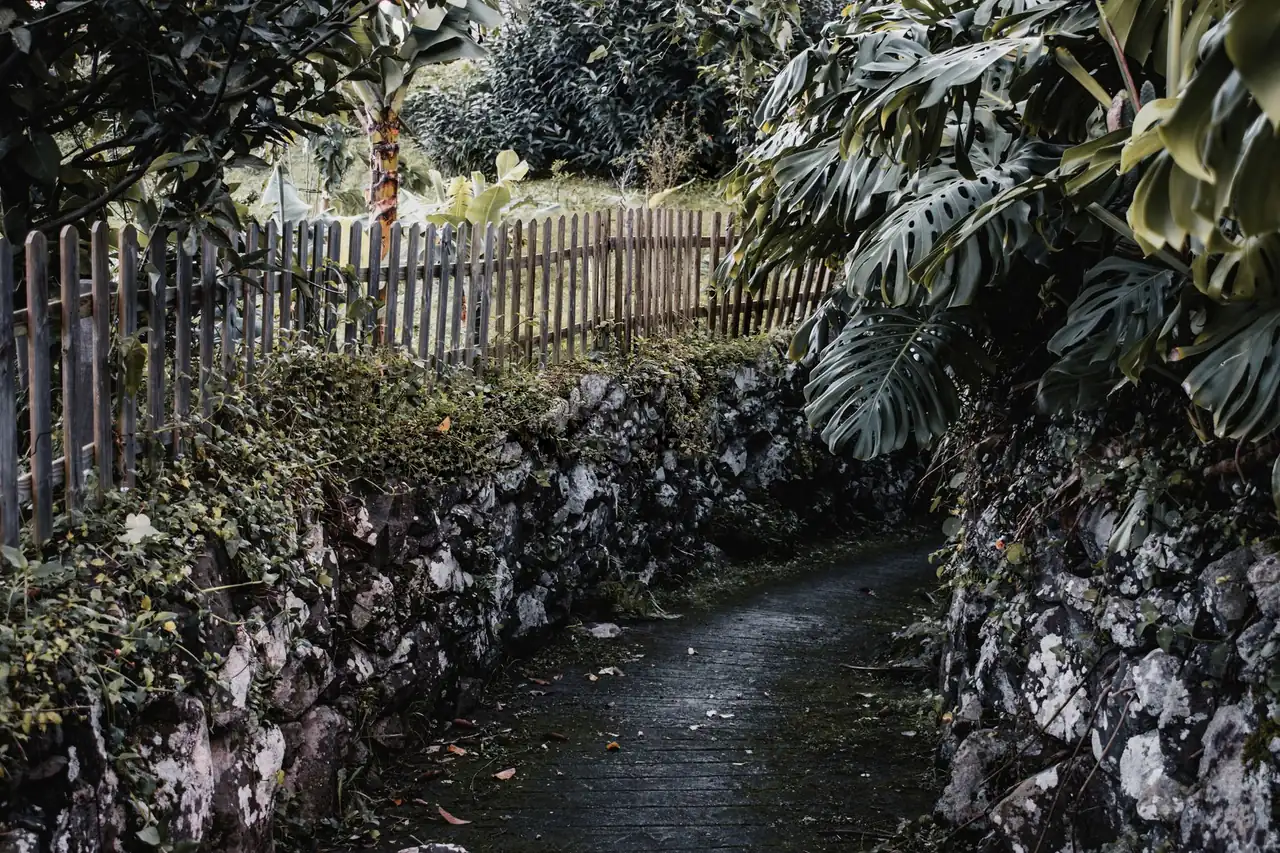
The levadas are irrigation channels built over centuries to carry water from the wet north of the island to the drier, sunnier south. Maintenance paths run alongside them, and these became Madeira’s hiking network. Because they follow the contour of the land, many are gentle and almost flat, which makes Madeira unusually accessible for walkers who do not want relentless climbing.
Some are genuinely easy. The Levada do Rei and the Levada dos Balcões are broad, shaded and suitable for most people. Others are exposed enough to matter, and I mean that seriously. The Levada do Caldeirão Verde and the walk to Caldeirão do Inferno pass through pitch-dark tunnels where you need a head torch, and some sections have long drops with only a thin cable for reassurance. If you have a real fear of heights, choose your route carefully.
The high peaks around Pico do Arieiro
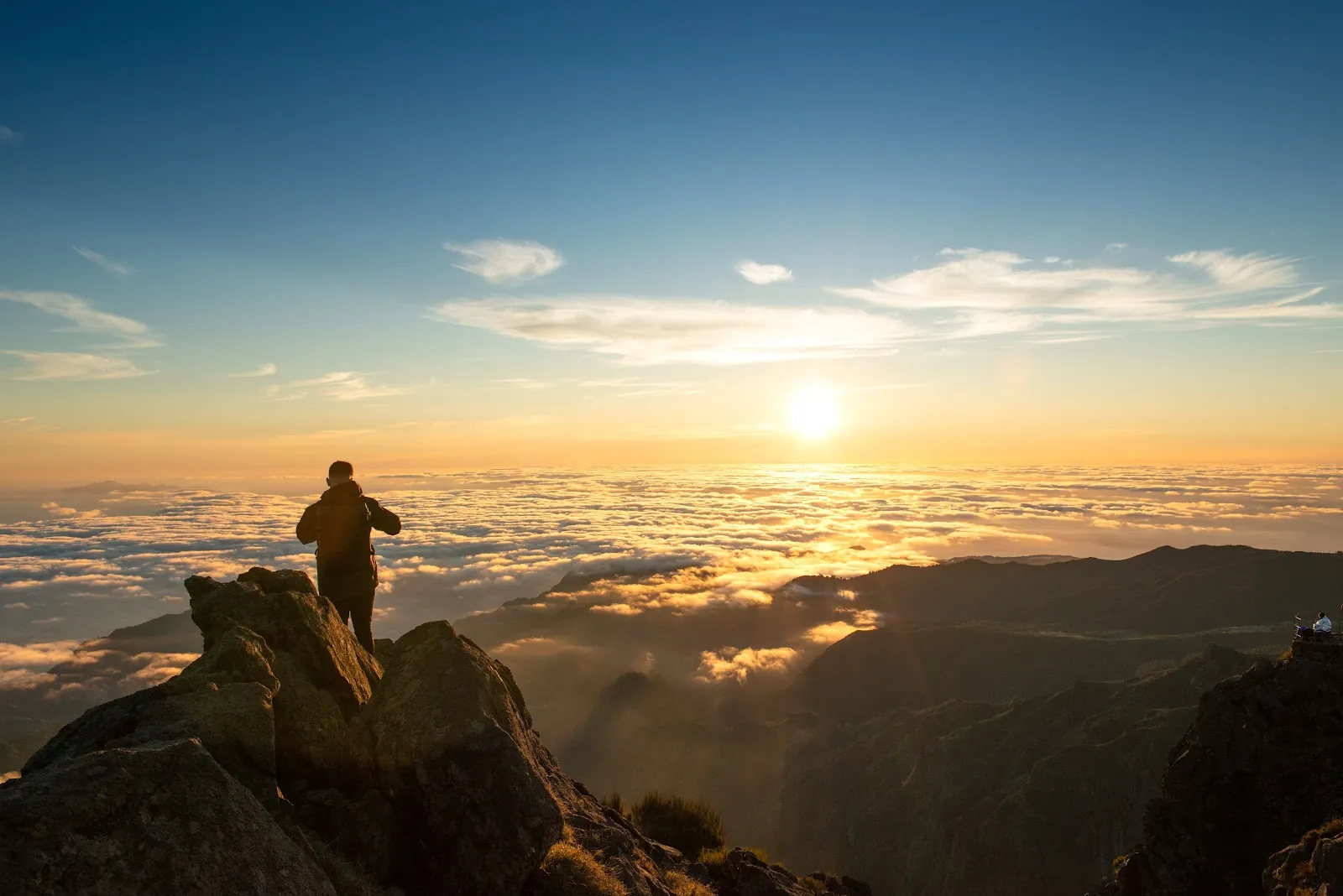
Pico do Arieiro is one of the island’s highest points and you can drive almost to the top, which feels like cheating in the best way. On a clear morning you stand above a sea of cloud with jagged peaks poking through, and it is one of the most memorable views in Portugal.
The serious walk here is the ridge from Pico do Arieiro to Pico Ruivo, the island’s highest summit. It is spectacular and strenuous, with steep steps, tunnels and exposed sections, and it takes most people the best part of a day there and back. Go early, both for the light and because parking at the top fills quickly. When cloud sits on the mountains, and it often does by late morning, the whole thing can vanish into white, so an early start is not just advice, it is the difference between a view and a grey wall.
Porto Moniz and the volcanic pools
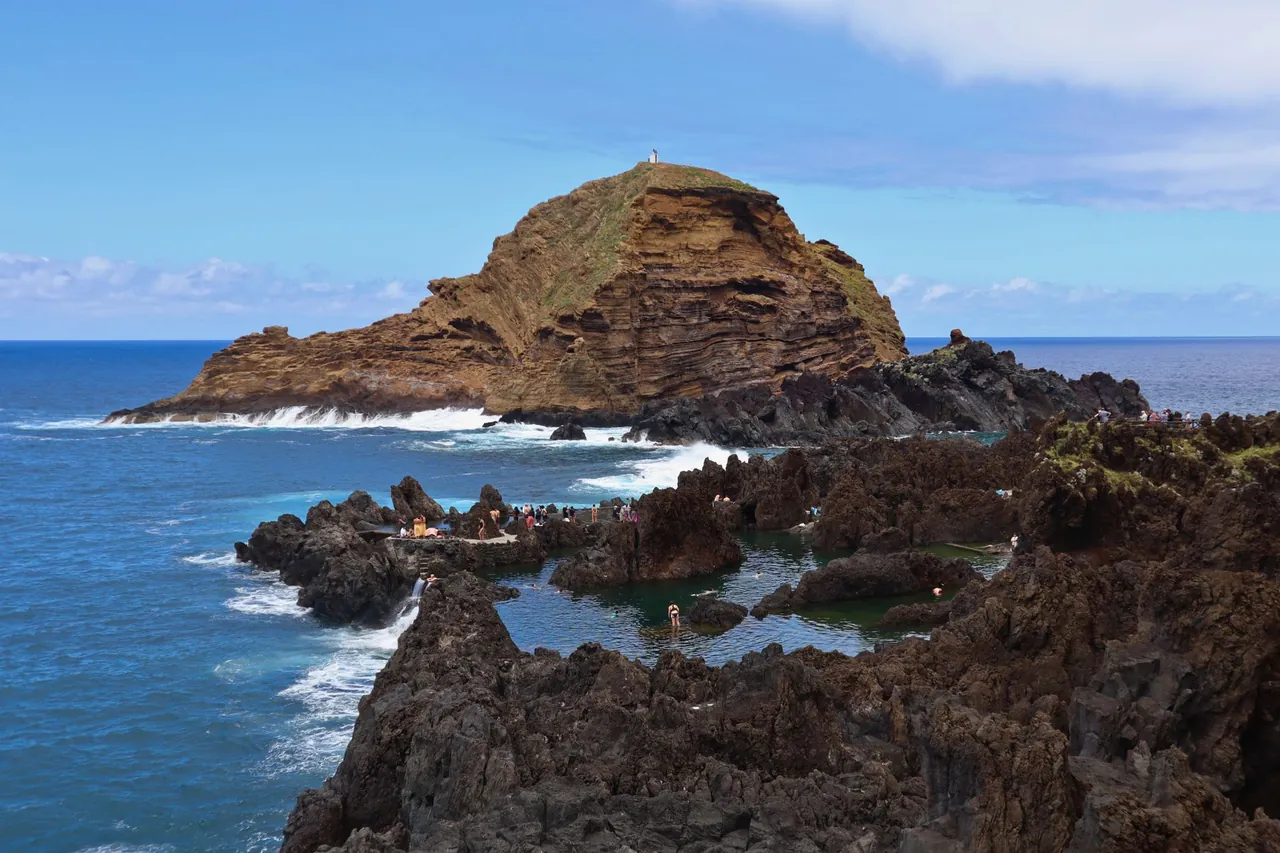
On the north-western tip sits Porto Moniz, famous for its natural swimming pools formed by old lava flows. The sea washes in over black rock into sheltered bathing areas, and there is a small entry fee of a few euros for the maintained complex. The water is bracing rather than warm, this is the Atlantic, but on a hot day it is glorious. The drive there along the north coast, past waterfalls that spill onto the old coastal road, is half the reward.
Need a base in Funchal?Sea-view stays near the old town, many with free cancellationThe wine lodges of Funchal
Madeira wine is fortified, deliberately heated during ageing, and unlike almost anything else. Back in Funchal, the historic lodges offer tastings that walk you through the styles, from the dry Sercial to the rich, treacly Malmsey. A tasting flight typically costs somewhere between 10 and 25 euros depending on how old the wines are. Even if you think you dislike fortified wine, try it here. The oldest bottles are extraordinary, and a good Madeira keeps for weeks once opened, which makes it a sensible souvenir.
Driving the steep interior roads
You really do want a car. Buses exist but they are slow and infrequent for the mountain routes. That said, be ready for the driving: gradients are severe, roads corkscrew through the interior, and older sections plunge into unlit tunnels. A small car with a willing engine is more comfortable than something big. If you are weighing up the paperwork and insurance, our complete road-trip guide to renting a car in Portugal covers the essentials that apply here too.
One practical note on drink-driving and documents: rules on permits and limits vary by the licence you hold, so confirm your own position before you travel rather than assuming.
How Madeira differs from the Azores
People often ask me which island group to pick. In short, Madeira is more developed, warmer in winter, with better tourist infrastructure and the famous levadas. The Azores feel wilder, greener, quieter and more weather-dependent, with volcanic lakes and whale watching as the headline acts. I break the decision down fully in our guide to choosing between Madeira and the Azores, but if you want reliable winter sun and organised walking, Madeira wins.
| Madeira | Azores | |
|---|---|---|
| Winter weather | Mild, often sunny | Cooler, wetter |
| Signature activity | Levada walks | Volcanic lakes, whales |
| Infrastructure | Well developed | More remote |
| Feel | Dramatic, cultivated | Wild, green |
When to go
Madeira works year round, which is its quiet superpower. Winter is mild and green, spring brings flowers, summer is warm but the high peaks stay cooler than the coast. The one constant is cloud sitting on the mountains, especially by midday, so plan high walks for the morning. If you are extending your Portugal trip to the mainland afterwards, something completely different like a day trip to Évora in the Alentejo plains makes a nice contrast to all this vertical green.
Madeira surprised me. I came for the walking and stayed for the food, the wine and those improbable views above the clouds. It rewards early risers, decent shoes and a willingness to drive slowly. What would pull you to Madeira first, the levadas or the peaks? Tell me in the comments.