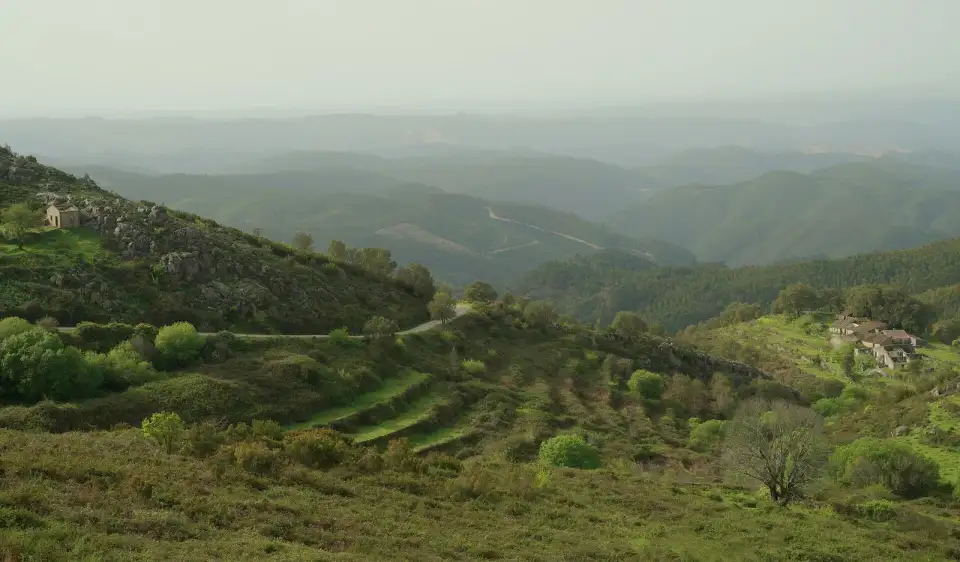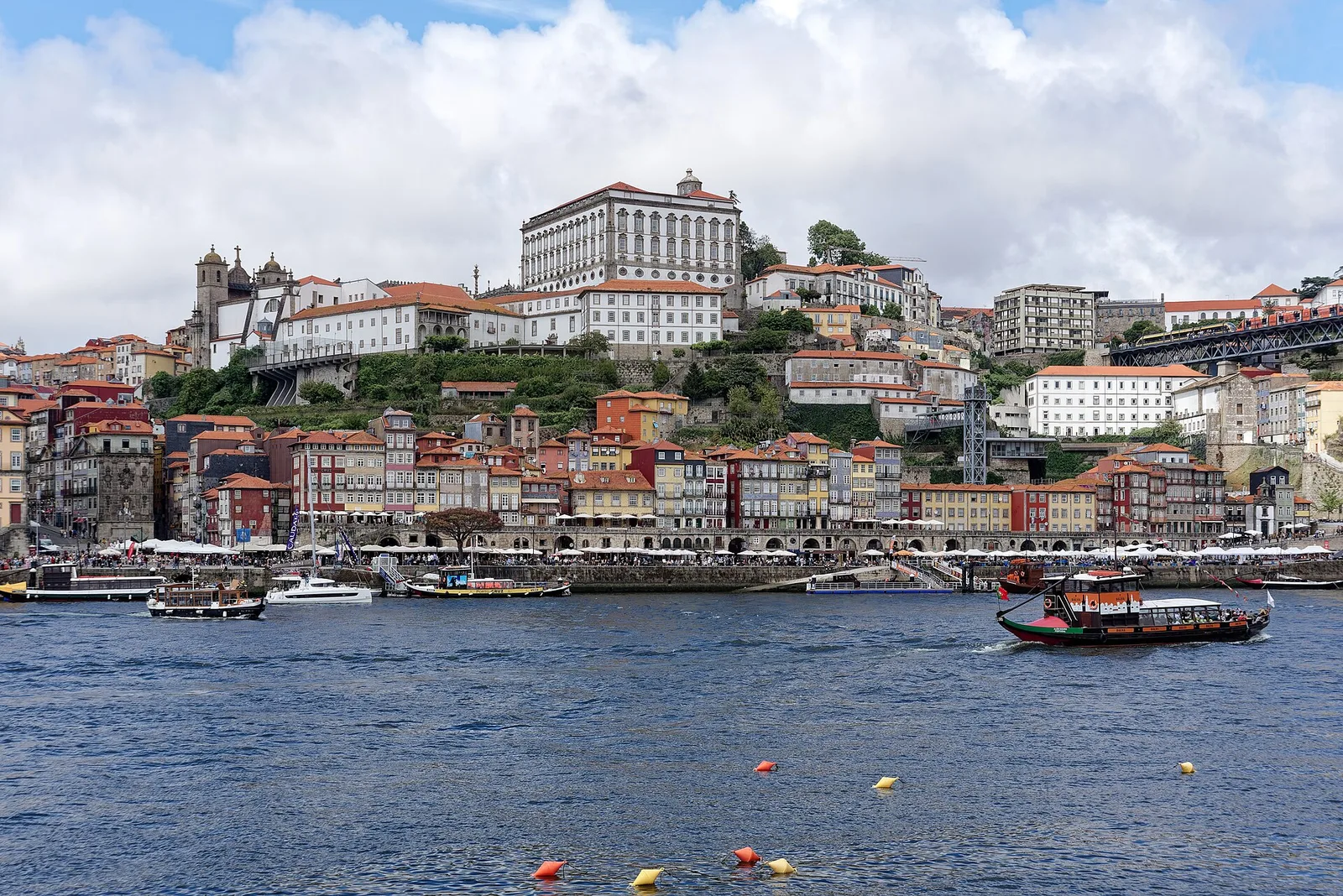
A car is not the way to do all of Portugal, but for the right stretches it transforms the trip. The country’s real treasures, the hidden Algarve coves, the terraced wine estates of the Douro, the cork-oak plains of the Alentejo and the whitewashed hill villages, are spread out, gorgeous and barely touched by public transport. Rent smart, understand the two toll systems, and the open road here is a genuine pleasure. Here is everything you need to know before you turn the key.
Where you need a car, and where you really do not
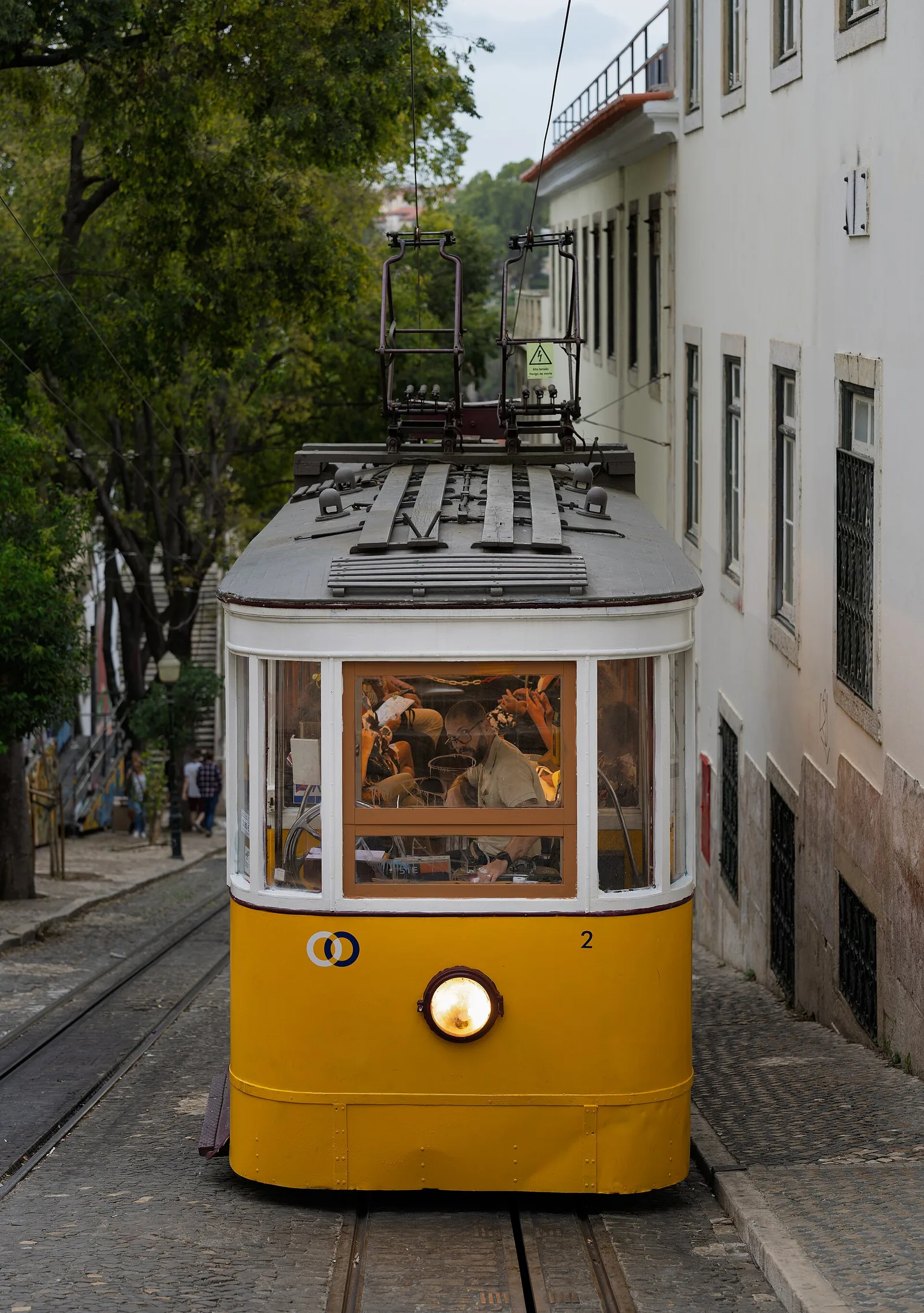
Get this right and you save money and stress. For Lisbon, Porto and the journey between them, skip the car entirely: the fast train links the two cities centre to centre, and inside them a car is nothing but a parking problem on steep, narrow, one-way streets. Use trains, trams and the metro instead.
Where a car earns its keep is the Algarve, the Douro Valley, the Alentejo and the rural interior. There, buses are infrequent and the best beaches, viewpoints and estates sit down long country lanes. A common and clever plan: take the train between the big cities, then pick up a rental for the countryside legs and drop it before you head back into the city.
That split is worth planning deliberately rather than defaulting to a car for the whole trip. Renting for four days of countryside instead of ten days including two cities saves the rental cost, the city parking, the fuel and the anxiety, and costs you nothing at all, because the train between Lisbon and Porto is faster than driving anyway.
Where to collect it
The airport desks are the obvious choice and usually the cheapest, with the widest fleet. The catch is that collecting a car on arrival means driving it straight into a city where you will not want it, and paying to park it while you do not use it.
If your trip starts with city days, the better sequence is to get into town without a car and pick the vehicle up on the morning you leave. Our guide to Lisbon airport transfers covers getting from the terminal into the centre, which is quick and cheap, and city-centre rental offices are easy to reach when you actually need the car. Note that a one-way drop in a different city carries a fee, sometimes a substantial one, so check it before planning a north-to-south route.
The tolls, explained clearly
This is the one thing that trips people up, so read this twice. Portugal has two different toll systems on its motorways.
Most toll roads work the familiar way: you pass through a staffed booth and pay by card or cash, taking a ticket on entry and paying on exit. Simple.
But some motorways, often marked “Electronic tolls only” and shown on signs as Portagem só com dispositivo eletrónico, have no booths at all. Overhead gantries read your car automatically, and there is no way to stop and pay in cash. For these roads you must have an electronic toll transponder in the car, or you risk fines that reach you later through the rental company.
The fix is easy: when you collect the car, ask the rental desk to fit an electronic toll device (usually a small daily fee plus the toll charges) so you are covered on every road. Confirm it is active before you drive off, and keep the paperwork.
Two practical notes. The main Algarve motorway, the A22, has been toll-free since 1 January 2025, so driving the length of the Algarve costs nothing, and the national road running parallel to it is slower, prettier and passes through every town. That applies to the Algarve only: the motorway south from Lisbon is still tolled, and so are most of the electronic-only roads elsewhere, which is where first-time visitors usually meet the system. And the charges appear on your card weeks after you get home, with an administration fee added per transaction, which is why the daily device fee is worth confirming at the desk rather than discovering later.
Booking the car: what to know
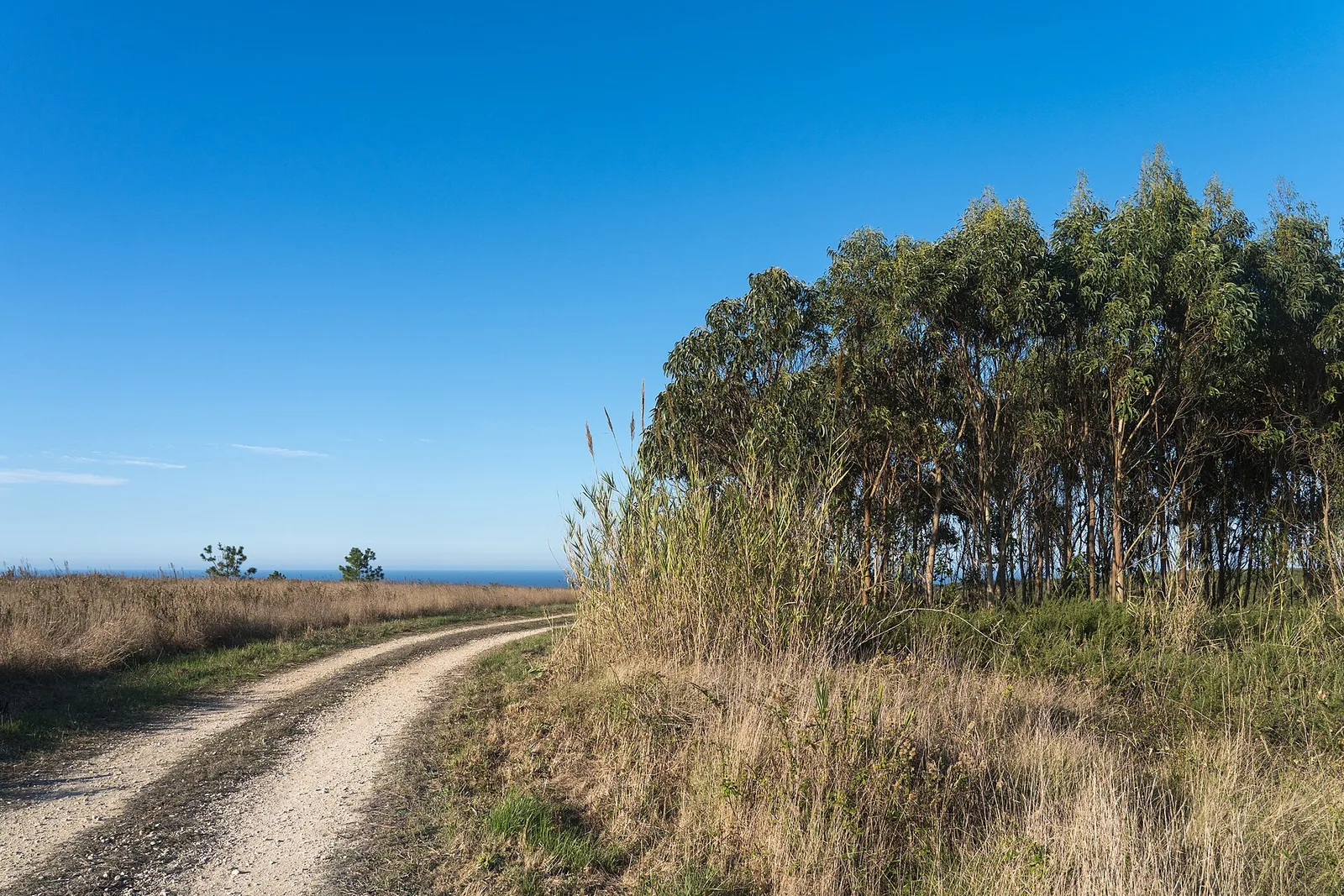
Rental prices in Portugal rise and fall sharply with the season, and summer demand in the Algarve and Douro empties the lots. Book a few weeks ahead for a better rate and a real choice of cars. A small car is ideal: cheaper, easier to park, and better on tight village lanes and steep hills.
At the desk you will need a full driving licence held for at least a year, a passport or ID, and a credit card in the main driver’s name for the deposit. Whether you also need an International Driving Permit depends on where your licence was issued: EU, EEA and UK licences need nothing extra, while drivers from the US, Canada, Australia, New Zealand, South Africa and elsewhere outside Europe are best served carrying an IDP with their home licence. It costs very little from a motoring body at home, cannot be bought once you have landed, and removes any doubt at the rental desk or a roadside check. Take the full insurance or check that your own policy or credit card covers the excess, because the standard cover leaves a large deposit at risk. And photograph the car all round before you leave, to head off any dispute over existing scratches.
The permit is one of several documents worth sorting before departure rather than after, alongside whatever your own passport needs for entry: our Portugal visa and entry guide covers the rest of the paperwork, including the rules that differ sharply by nationality.
Insurance and the excess
This is where cheap rentals stop being cheap. The headline rate normally includes basic cover with a high excess, meaning you are liable for a substantial sum on any damage, and the deposit held on your card reflects that. The desk will offer to reduce it, usually at a daily price that adds up over a fortnight.
There are three honest options: take the rental company’s full cover for convenience, buy a standalone excess policy before you travel for considerably less, or rely on a credit card that includes rental cover, having checked the terms rather than assumed them. Whichever you pick, ask specifically about tyres, glass and the underside, which are frequently excluded and are exactly what a gravel track to a Douro quinta or an Algarve beach will damage. Note also that a standard travel insurance policy does not usually include car hire excess cover unless you add it, which is worth checking before you pay the desk: our guide to travel insurance for Portugal covers what it does and does not include.
Lock in your car before prices climbBooking ahead gets you a lower rate, a better car and the chance to add full cover and a toll deviceDriving tips for Portugal
The roads themselves are easy and often beautiful, but a few local habits are worth knowing:
- Drive on the right, and give way to traffic already on a roundabout.
- Motorways (autoestradas, the A roads) are modern, fast and quiet; the free N roads are slower and far prettier if you have time.
- Local driving can be assertive, with close following and brisk overtaking. Stay calm, keep right except to pass, and do not be rushed.
- Fuel is widely available; diesel (gasóleo) is common, so check which your car takes.
- Speed limits are generally 120 km/h on motorways, 90 on open roads and 50 in towns, and speed cameras are real.
- Keep your licence, ID and rental papers in the car; police checks happen and you must produce them.
Two more. Portugal’s drink-drive limit is strict, and stricter again for newly qualified drivers, so on a wine trip settle the designated driver in advance and check the current limit on an official source rather than assuming your home rule applies. And the car should carry a warning triangle and reflective vest; check they are actually in it when you collect, since you are the one who needs them at the roadside.
Parking without the headache
Parking is the real challenge, especially in old towns. Never try to drive into the historic centres of Lisbon, Porto, or walled towns like Óbidos; the lanes are impossibly tight and often restricted. Instead, use a park-and-walk approach: leave the car in a signed public car park or a hotel with parking on the edge of the centre, and go in on foot.
On the coast and in the Douro, parking is easier but fills up at popular beaches and viewpoints by mid-morning in summer, so arrive early. Watch for blue-line zones (paid parking) in towns, pay at the machine, and never block a resident’s garage door.
One thing worth budgeting for: hotels in the cities frequently charge separately for parking, and it is not cheap. If a car is part of the plan, filter for accommodation with parking included or check the nightly rate before booking, because it can quietly rival the rental itself.

Three drives worth building a trip around
If you want the car to be the holiday rather than the transport, three routes deliver.
The Algarve coast road, taking the free national road rather than the motorway, threads every beach town from the Spanish border to Sagres and lets you turn off for a cove whenever one appears. The Douro valley road between Peso da Régua and Pinhão is a sequence of terraced hairpins above the river and is regularly named among the great drives of Europe. And the EN2, Portugal’s answer to a great national highway, runs the whole length of the country from the far north to the Algarve through the empty interior, and can be done in pieces rather than all at once.
All three share a rule: they are slow by design. Halve the distance you would plan for a motorway day, and stop more often than feels efficient.
Where the car is a liability
Two places on almost every Portuguese itinerary are worse with a car than without one.
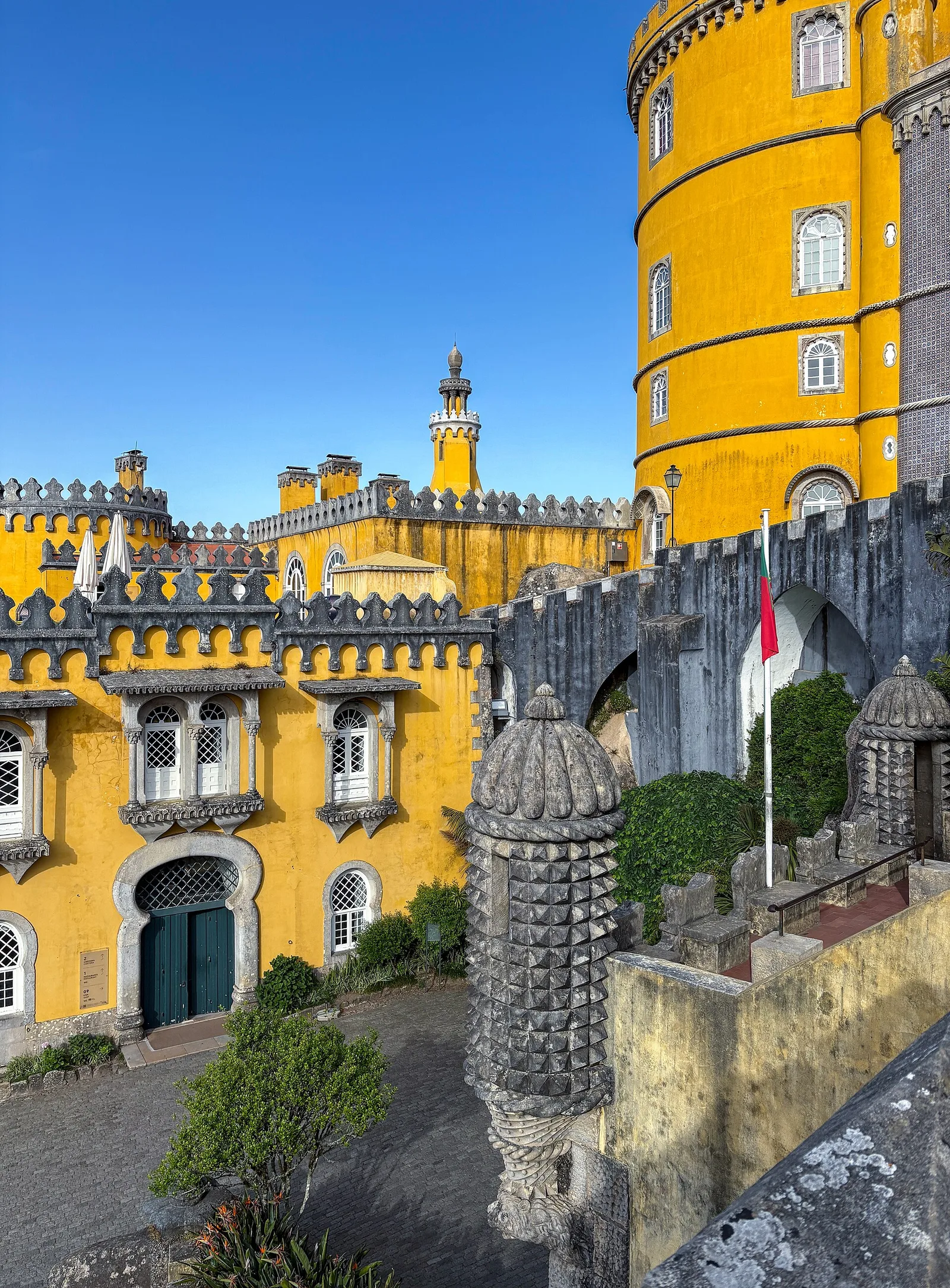
Sintra. The hill has minimal parking, narrow roads and a shuttle bus, and the palaces run on timed entry that the drive does nothing to help with. Take the suburban train from Lisbon and let the day run on slots rather than on parking spaces: our guide to Sintra timed tickets covers how to book it.
The city centres themselves, where a parked hire car is also a target. Nothing valuable should be visible inside one, ever, and the same ordinary vigilance that applies on a crowded tram applies to a boot left packed in a car park. Our guide to safety and scams in Portugal covers what actually happens here, which is petty theft rather than anything worse.
When something goes wrong
Three situations are worth knowing in advance. For a breakdown, the rental agreement carries the assistance number and the cover it includes, so photograph that page when you collect the car. For an accident, however minor, complete the European accident statement form with the other driver and photograph everything, since the rental company will need it and a verbal agreement at the roadside is worth nothing.
For fines, expect them to find you: the rental company identifies you as the driver, passes on the penalty and adds an administration fee, typically months later. That applies equally to speeding, to unpaid electronic tolls and to driving into a restricted city zone. There is no roadside settlement and no way to argue it afterwards, which makes the toll device and the park-and-walk habit cheaper than they look.
The short version
Rent a car for the Algarve, the Douro and the countryside, not for the cities, and collect it on the morning you leave town rather than on arrival. Book early for a better rate, take an electronic toll device and confirm it is active, and sort the excess cover before you are at the desk being sold it. Drive on the right, carry your papers, watch the drink-drive rule on wine days, park on the edge of old towns and walk in, and take the scenic N roads when time allows. Do that and Portugal by car is one of the easiest, most rewarding road trips in Europe.
Which stretch are you driving, the coast or the wine country?