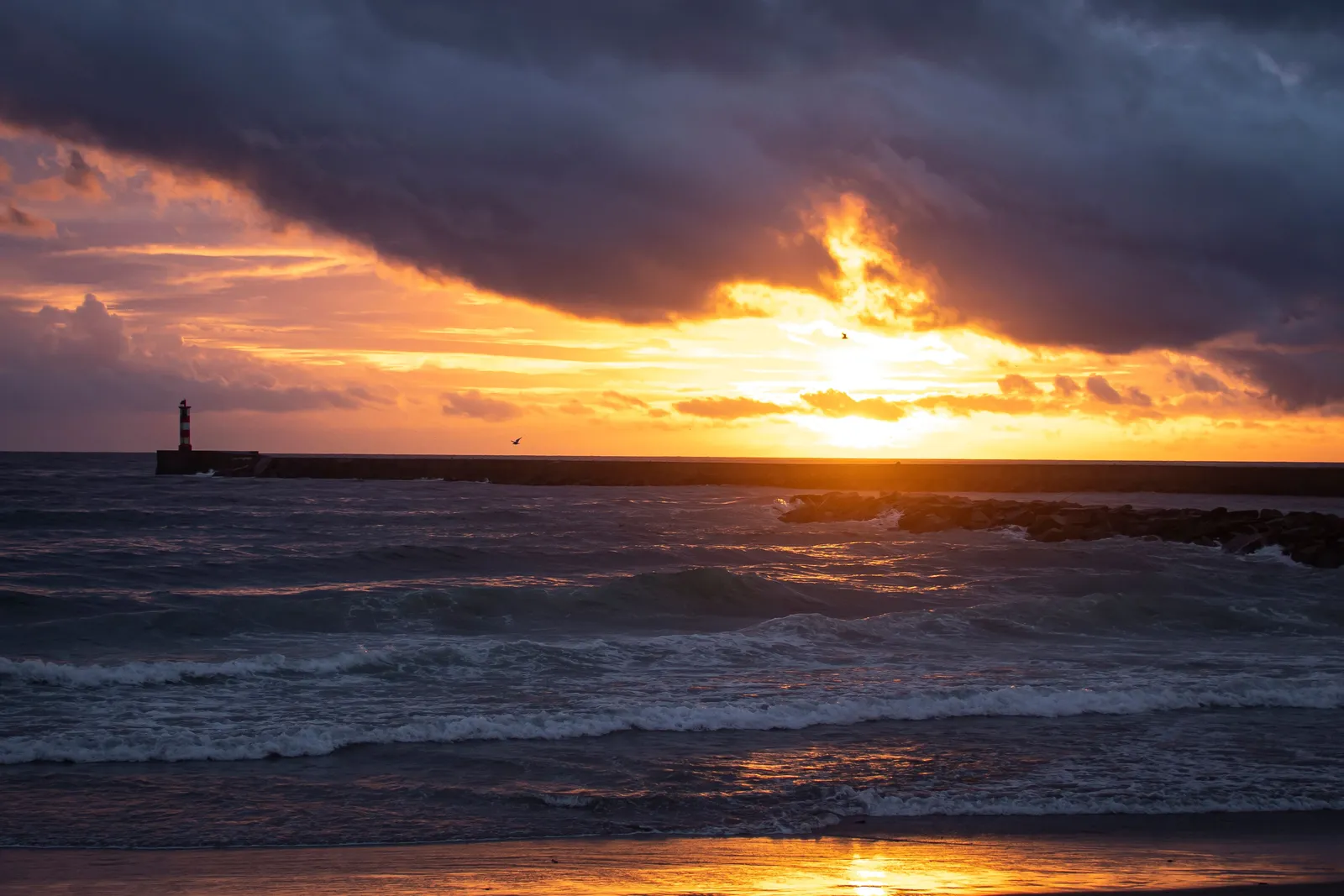
Nazaré is, for most of the year, an ordinary Portuguese fishing town: a wide beach, a working harbour, rows of drying fish on racks near the seafront, and a promenade of cafés that could belong to any number of towns on this coast. Then, on certain winter days, the water in front of it turns into something that has made this one small town famous on every continent. Both versions of Nazaré are real, and understanding why they coexist here, specifically here and almost nowhere else, makes the visit worth planning properly rather than turning up and hoping.
The short version, which the rest of this guide explains, is that nobody comes here to surf. They come to watch, from a clifftop that puts you close enough to feel the scale of it and safely out of reach at the same time.
The canyon that makes the wave
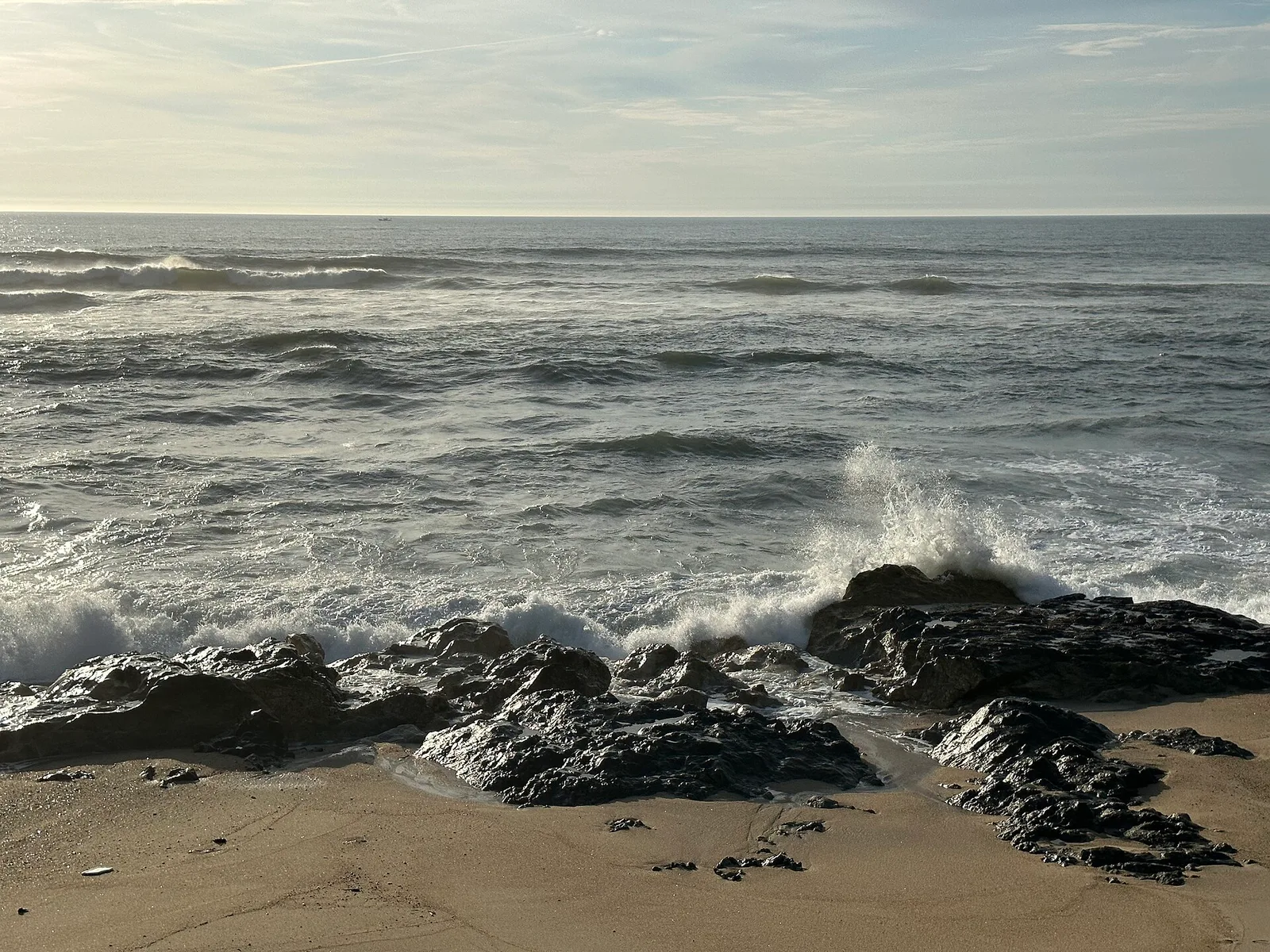
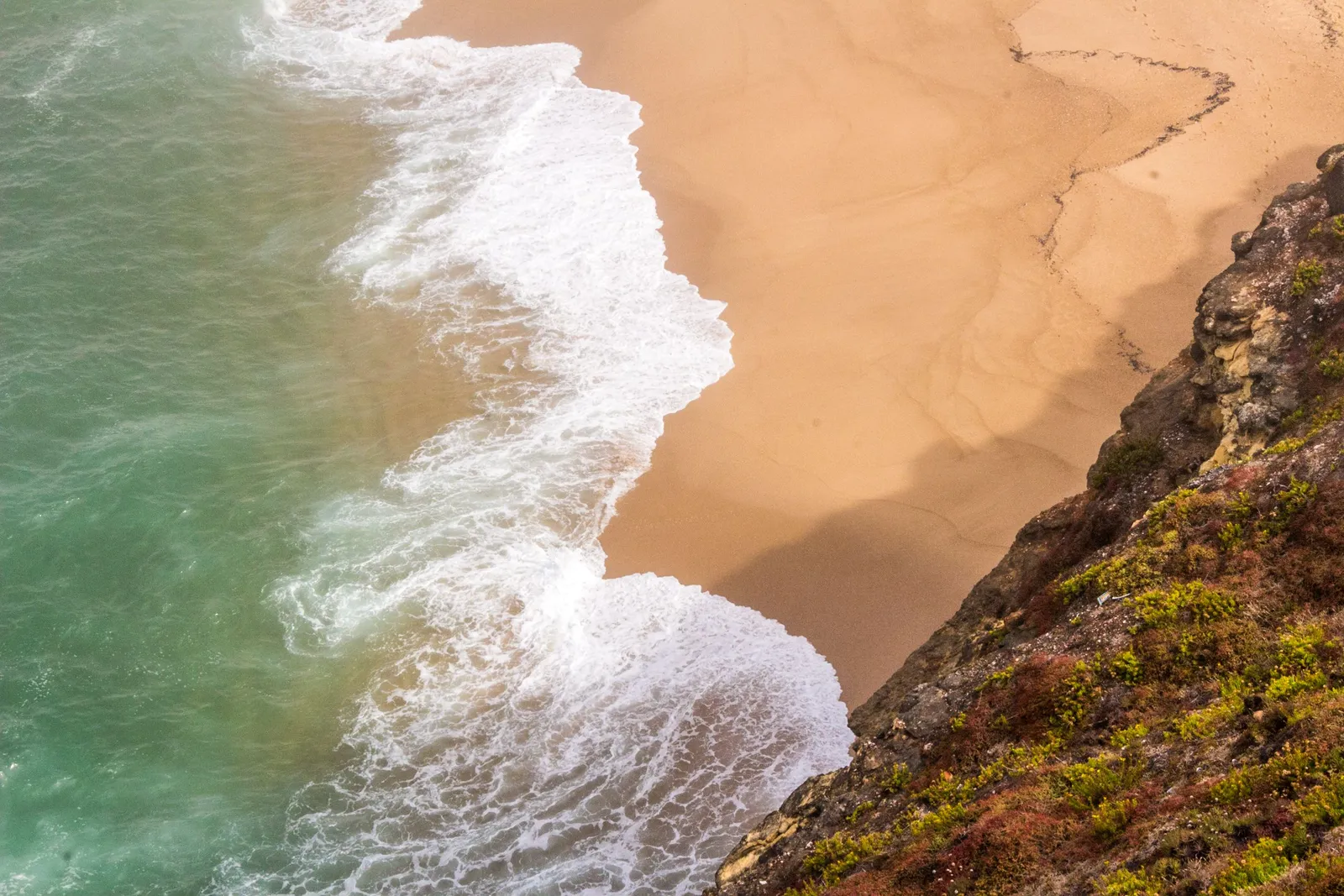
Just off Praia do Norte, the beach on the northern side of the headland, the seabed drops away into the Nazaré Canyon, one of the deepest underwater canyons in Europe, reaching almost to the shore. As Atlantic swell travels toward the coast, the canyon focuses and amplifies its energy in a way flatter seabeds do not, and the result, on the right combination of swell direction, size and period, is waves that dwarf anything else on the Portuguese coast. It is why the record chasing happens at this specific headland and not at any of the dozens of other beach breaks along the same coastline: the geography beneath the water, not anything about the beach itself, is what makes the difference.
Waves ridden here are regularly described as among the largest anyone has surfed anywhere, and the exact record shifts periodically as someone tows into an even bigger one on an even bigger day. Rather than repeat a specific figure that is likely to be out of date by the time you read it, it is enough to know that this is genuinely serious, professional-level big-wave surfing, not a stunt.
The riders themselves are towed in by jet ski rather than paddling, since a wave this size moves too fast to catch by paddling alone, and a full safety team on skis works the water alongside them, ready to pick a fallen rider up before the next wave arrives. None of that changes on a quieter day, when the same crew might simply not be out at all, because the swell has not lined up in the way the canyon needs.
Praia do Norte and the fort viewpoint
Praia do Norte itself is the beach directly below where the canyon effect is strongest, and it is the wrong place to be on a big day. When a large swell is running, the beach is frequently closed to the public or is obviously not somewhere to stand, and local guidance and any barriers in place should be treated as final rather than a suggestion.
The place to watch from is the clifftop above, around the Fort of São Miguel Arcanjo, which sits on the headland with a lighthouse beside it and now houses a small museum on the wave and its history. It is the closest safe vantage point, and on a big swell day it fills with cameras, coaches and a genuinely international crowd. Two things surprise first-time visitors: how exposed the clifftop is to wind even when the town below feels calm, and how quickly it fills up once a swell alert goes out. Dress more warmly than the forecast for the town suggests, and arrive early if a big day has been forecast.
| Spot | What you get | Note |
|---|---|---|
| Fort of São Miguel Arcanjo | The closest view of the wave, plus the museum | The main viewpoint, and the most crowded on a big day |
| Sítio square | A wider view across the whole bay | A short walk from the fort, usually quieter |
| Praia do Norte itself | Beach-level access on a calm day | Closed or clearly unsafe when a large swell is running |
| Praia da Nazaré, the town beach | An ordinary sandy beach | Unrelated to the big-wave story, a summer swimming spot |
Sítio: the old town above the cliff
Sítio, the historic quarter perched on the same clifftop as the fort, is reached from the town below by a short funicular ride, the Ascensor da Nazaré, which has been carrying people up and down this slope for well over a century. Its square, church and viewpoint over the bay make it worth a visit in its own right, and on a crowded big-wave day it tends to be calmer than the immediate area around the fort, which makes it a good second stop once you have had your fill of the main viewpoint.
Skip the search for parkingA day trip from Lisbon handles timing and often pairs Nazaré with ÓbidosThe town beach: a different place entirely
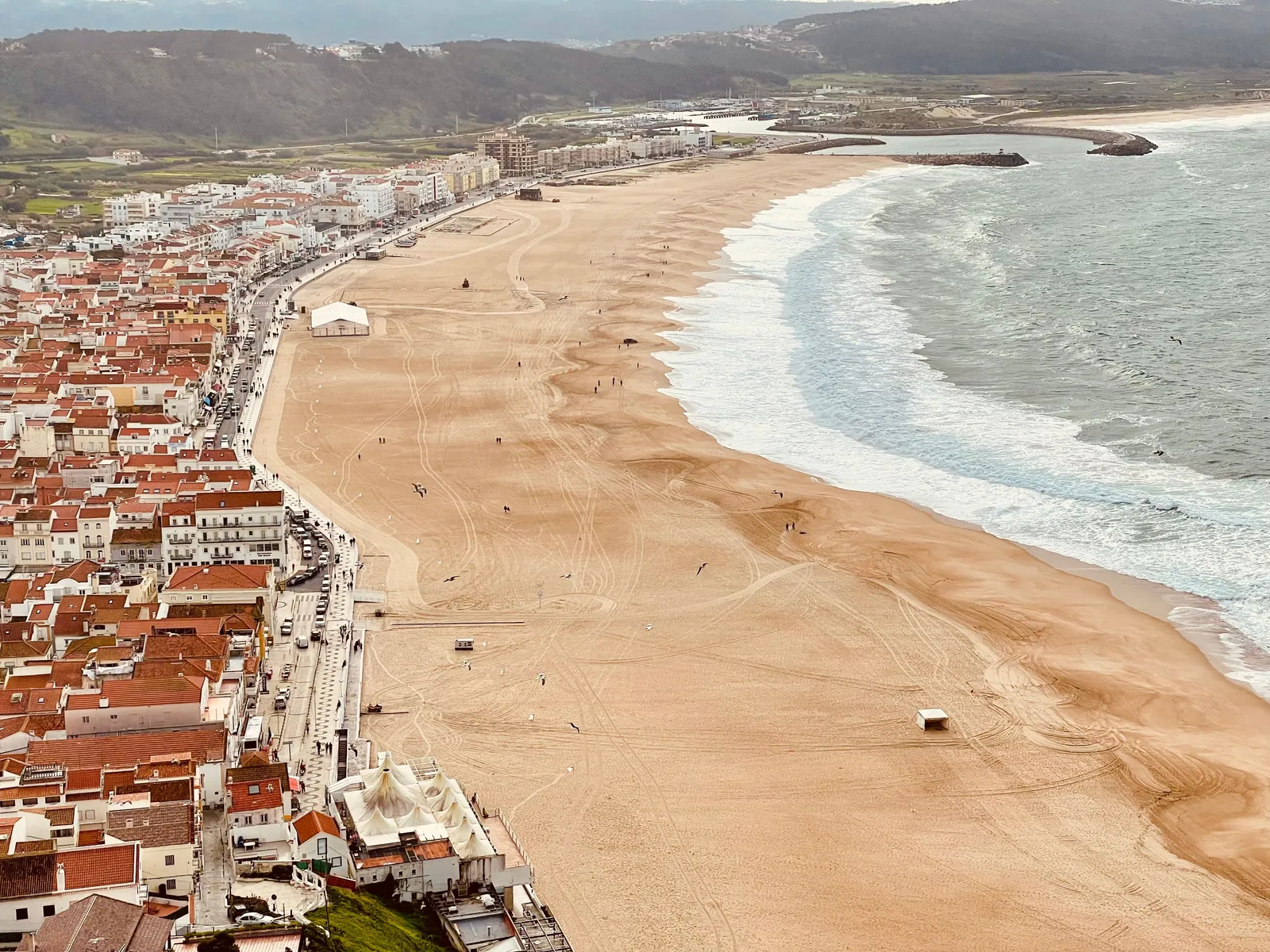
Praia da Nazaré, the long sandy beach in front of the town itself, has nothing to do with the giant-wave story. In summer it is an ordinary, well-used Atlantic beach with a promenade, seasonal lifeguard cover and rows of striped beach tents, popular with Portuguese families rather than surf spectators. Swim within the flagged, lifeguarded sections and treat the open sea with the same caution you would anywhere on this coast, since currents can still run strong even on a calm-looking day.
When the swells actually arrive
The largest and most consistent swells tend to cluster in autumn and winter, when Atlantic storms further out generate the size and period the canyon needs to produce its biggest waves. That said, this is genuinely not a schedule: some winters bring a run of huge weeks, others go quiet for stretches, and an occasional big swell can arrive outside the usual months. Anyone planning a trip specifically around the wave should check a live swell forecast in the days before travelling rather than relying on the season alone, and should have a plan for the visit that works whether or not a big day happens to be running. For how this fits into the wider pattern of when to visit different parts of the country, our guide to the best time to visit Portugal covers the mainland’s seasons region by region.
Combining Nazaré with Óbidos
Nazaré sits close enough to the walled town of Óbidos that the two are commonly paired into one day out from Lisbon, whether self-driving or on an organised tour. Óbidos itself only needs a couple of hours, our full guide to visiting Óbidos covers what to see there and how to avoid the coach crowds, and adding the coast afterwards turns a short town visit into a fuller day without doubling back toward Lisbon first.
Practical notes
Allow roughly an hour and a half to two hours each way from Lisbon by road, more if you are travelling on a weekend when a big swell has been forecast and everyone else has had the same idea. Parking near the fort fills quickly on those days, so arrive early or let an organised trip handle it. Bring a proper jacket even if the forecast for the town looks mild, since the exposed clifftop catches the wind directly off the Atlantic. And whatever the sea is doing on the day you visit, remember that this is first and foremost a small working fishing town: the fort, Sítio and the old quarter reward a visit on their own terms, wave or no wave.
For where Nazaré sits within Portugal’s wider surf scene, and where a beginner should actually learn instead, our overview of surfing in Portugal covers the rest of the coast.