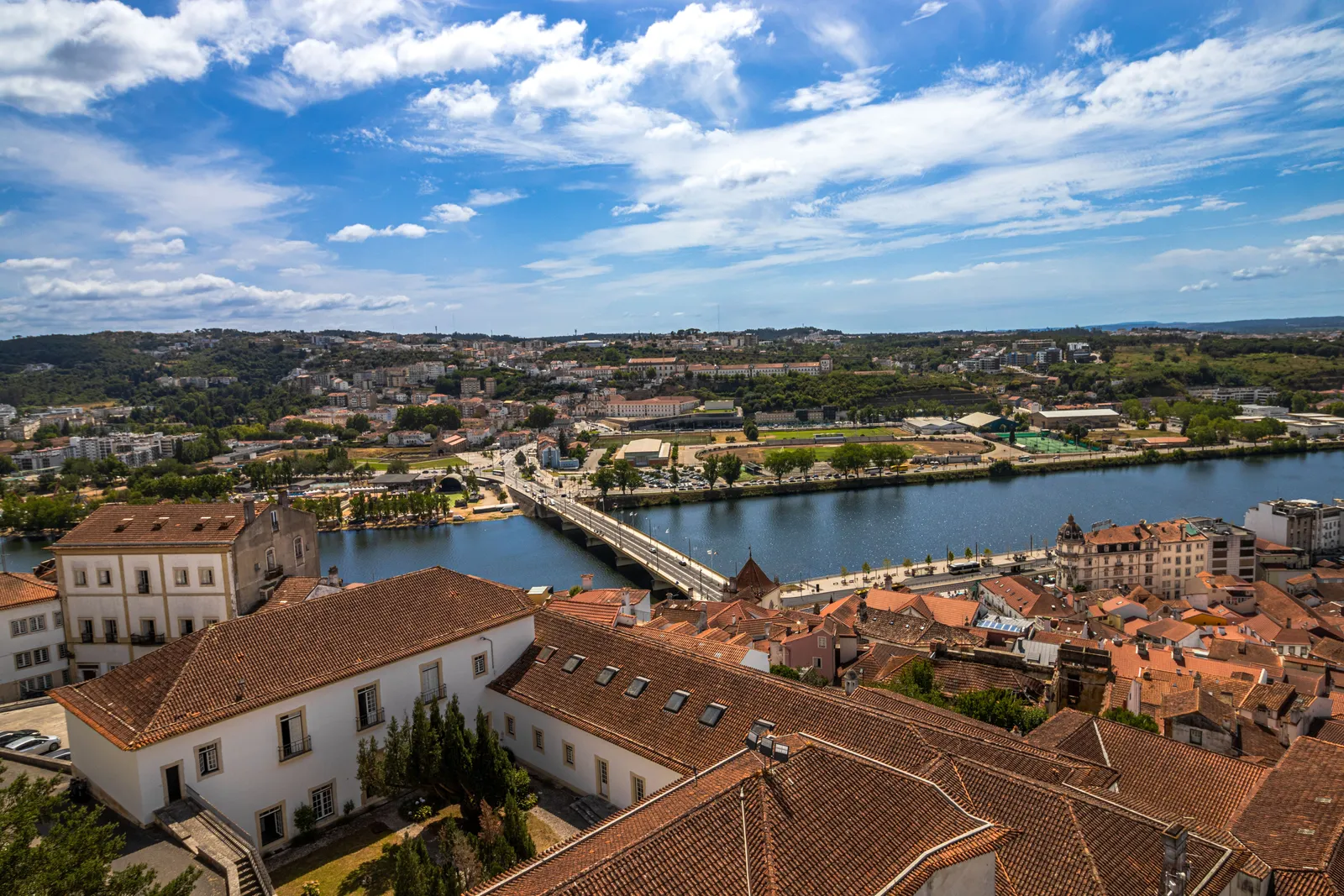
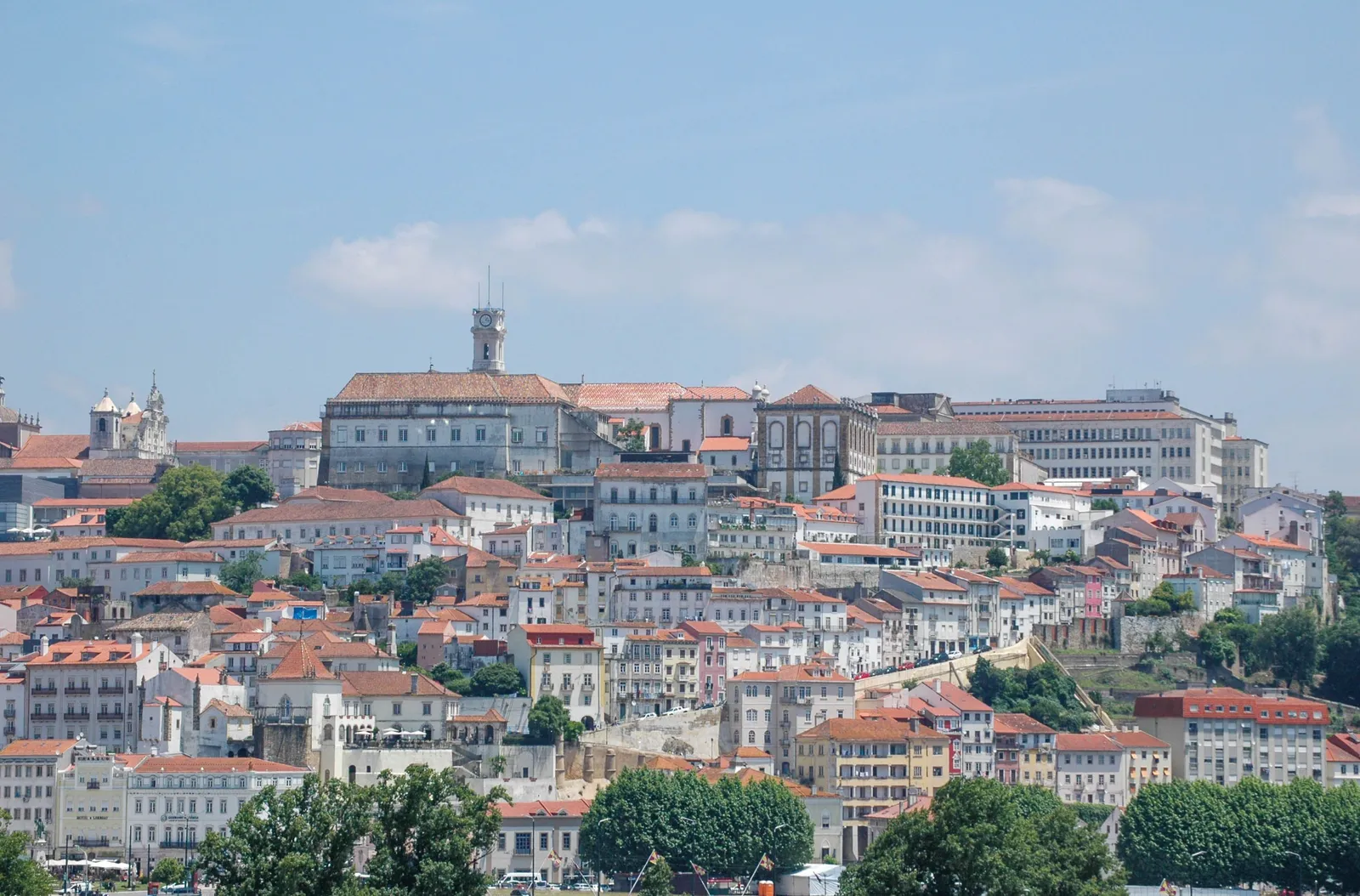
Coimbra was Portugal’s capital for over a century, long before Lisbon took the title, and the town still carries itself that way. It sits on a hill above the Mondego River, built almost entirely around a university that has been running since the thirteenth century, and it has a mood that neither Lisbon nor Porto quite manages: academic, a little formal, and genuinely proud of a single, specific thing it does better than anywhere else in the country.
A university that runs the town
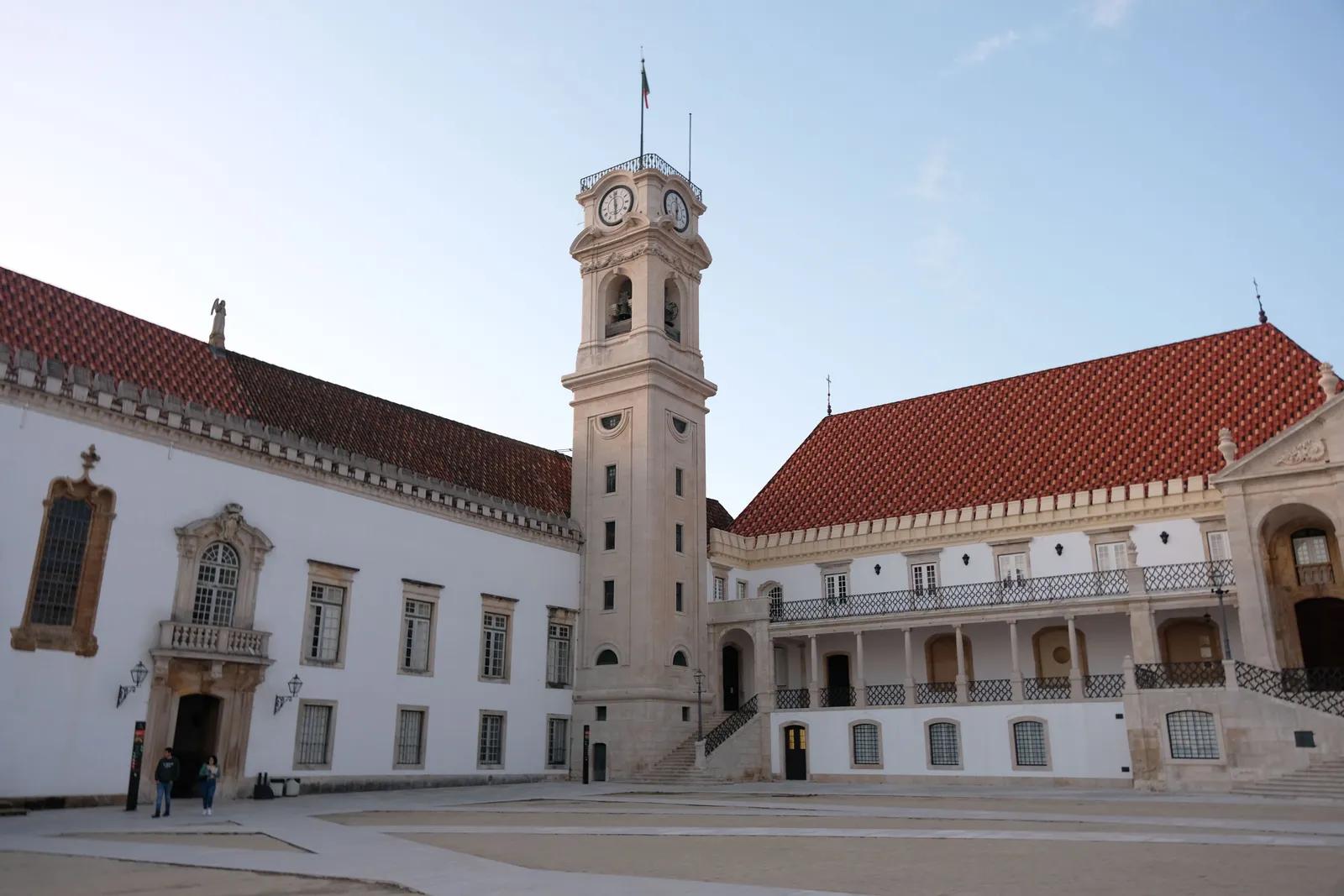
The University of Coimbra, one of the oldest in continuous operation in the world, sits at the top of the old town and effectively organises the rest of the city around it. Students in black academic capes are a normal sight on the streets, not a costume for visitors, and the university calendar shapes everything from restaurant hours to when the fado bars fill up.
The complex at the top of the hill includes the old university buildings, a grand ceremonial hall, a chapel and a clock tower with views over the rooftops to the river. Walking through it gives a real sense of scale: this was, for centuries, one of the handful of places in Europe where a serious classical education happened at all.
The Joanina Library, and why you cannot just walk in
The reason most people come is the Biblioteca Joanina, a baroque library of gilded shelving, painted ceilings and tens of thousands of old volumes, built in the early eighteenth century and still functioning as a working library rather than a museum piece.
Access is deliberately restricted. Visitor numbers inside the building at any one time are capped to protect the wood, the paper and the books themselves, so entry runs on a timed system rather than a free walk-in, and there can be a wait at busy times of year. Check the current visiting arrangements before you go, since the university adjusts the system from time to time, and treat the visit as a short, managed experience rather than a leisurely browse.
Alta and Baixa: two towns stacked on a hill
Coimbra splits neatly into two halves. The Alta, the upper town, holds the university, the cathedral and the oldest, grandest streets, reached by a genuinely steep climb from the river. The Baixa, the lower town, is the commercial centre along and below the main street, flatter, busier with everyday shops and cafes, and the natural base if you would rather not climb every time you leave your room.
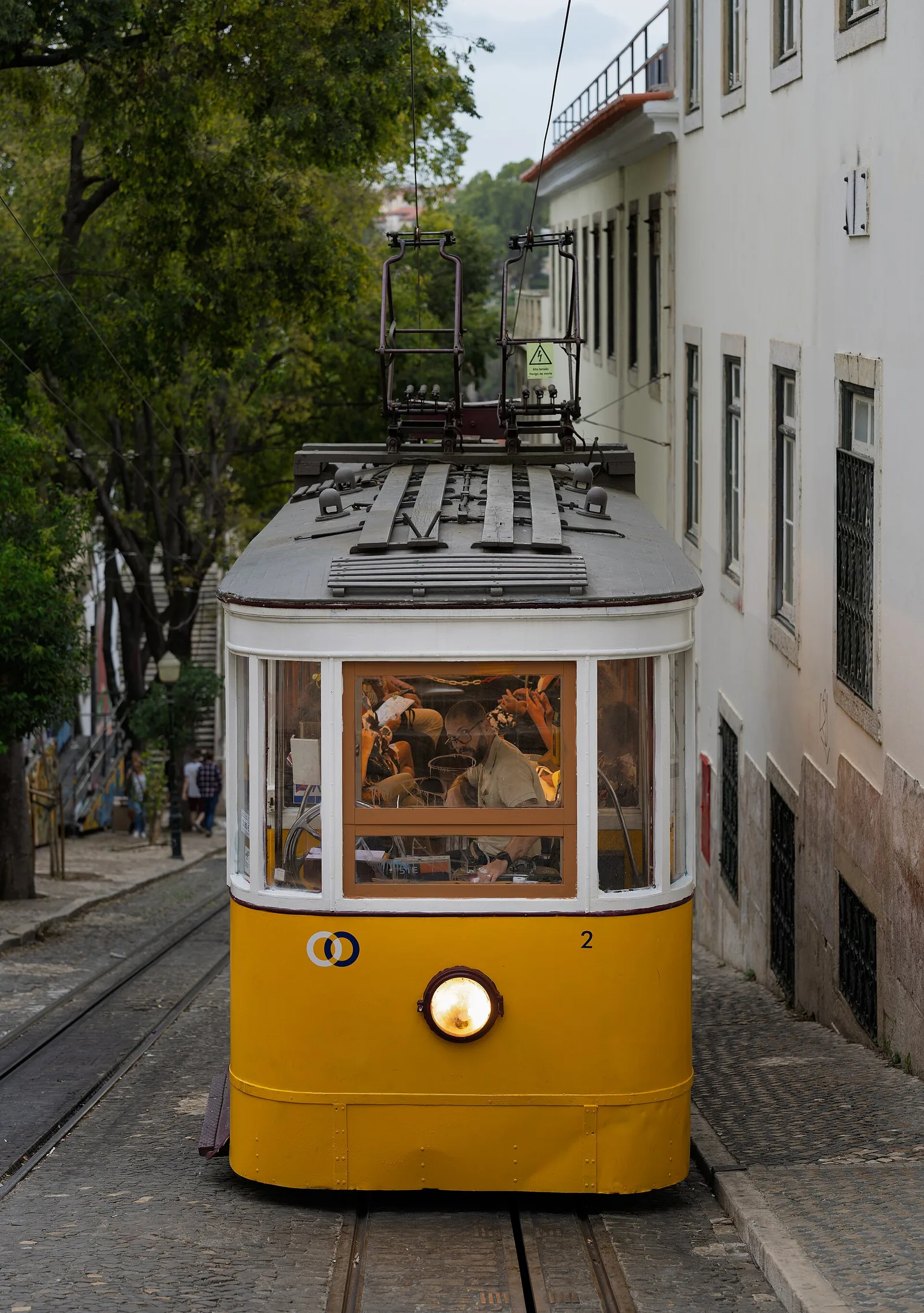
The two are connected by narrow lanes, staircases and, for those who would rather not walk, a funicular that shortens the climb considerably. As in Porto, planning your day to go downhill rather than up saves a surprising amount of effort.
Coimbra fado, a different instrument and a different mood
Fado in Coimbra grew up separately from the Lisbon tradition, and the two are genuinely different art forms rather than variations on a theme. Coimbra fado is traditionally performed by university students and graduates in academic dress, using a distinctive Coimbra guitar with its own tuning, and the songs lean towards themes of student life, longing and the city itself rather than the dockside and back-street stories that shaped fado in Lisbon.
It is also, by convention, listened to rather than applauded in the usual way. Small venues around the old town host evening performances, and hearing it in Coimbra, where the tradition actually formed, is a different experience from hearing fado anywhere else in the country.
Want a local to walk you through the old town?A guided walk covers the university, the library queue and the best fado roomRoman Conimbriga, a short trip further
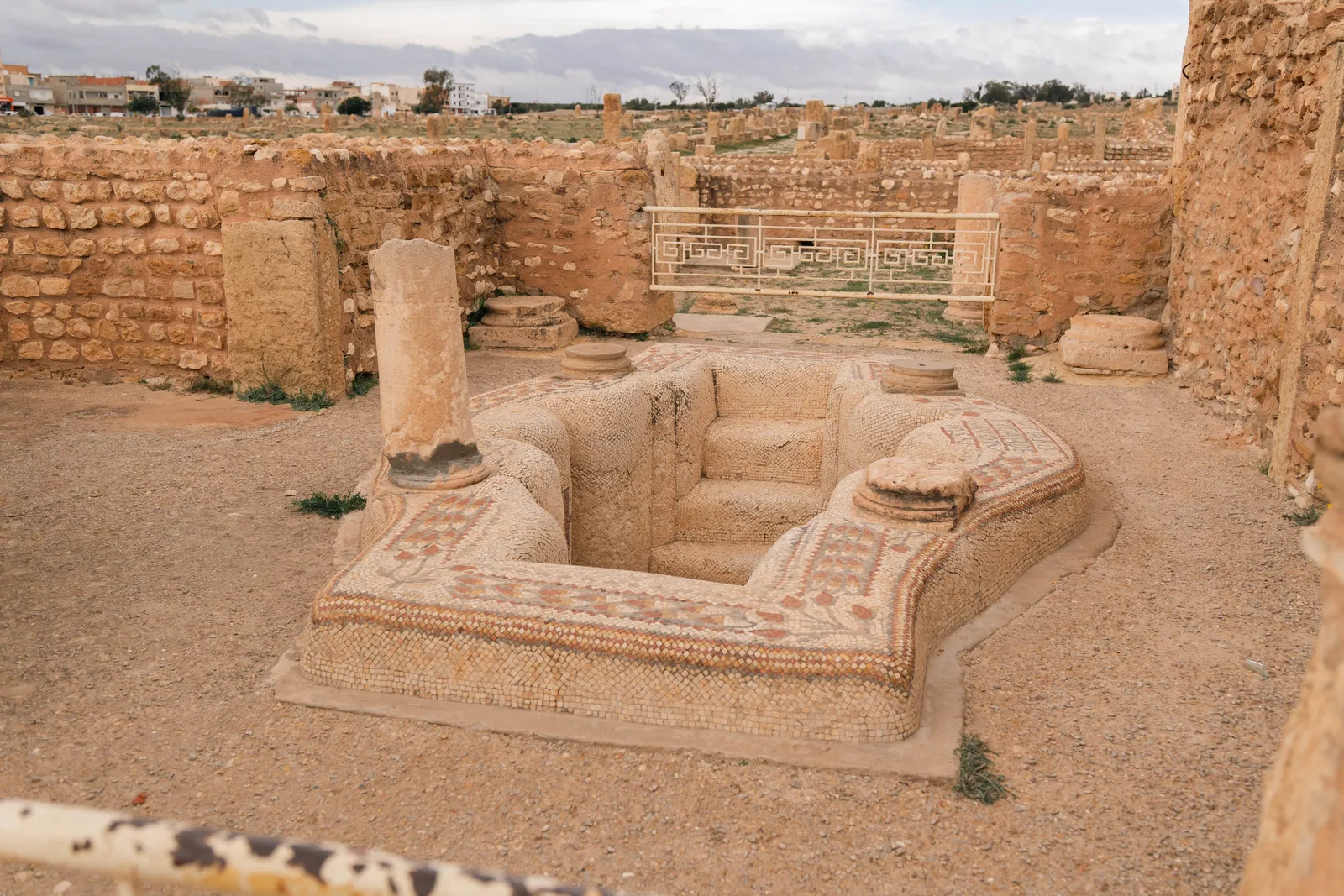
A short distance from the city sits Conimbriga, one of the largest and best preserved Roman settlements on the Iberian Peninsula. Excavated streets, house foundations, extensive mosaic floors and sections of a defensive wall are all visible on site, alongside a museum that displays finds from decades of digging.
It makes a natural half-day add-on for anyone based in Coimbra for more than a single afternoon, and it is a rare chance in Portugal to walk through a Roman town at this scale rather than viewing isolated fragments.
Where Coimbra fits in a Portugal itinerary
Coimbra sits close to the line between Lisbon and Porto, which makes it a natural stop rather than a special trip. Our comparison of Lisbon and Porto covers how those two cities differ, and Coimbra gives you a genuine third character between them: older, quieter and built around a single institution rather than a harbour or a river trade.
| If you have | Do this |
|---|---|
| A few hours between trains | The university hill and the library, if the timing works |
| Half a day | Add the cathedral and a walk down through the Baixa |
| A full day | All of the above, plus a fado performance in the evening |
| Two days | Add Conimbriga as a separate half day |
Our guide to transport in Portugal covers how the rail line connects Coimbra with both cities, and for the wider groundwork of a first visit, our beginner’s guide to Portugal is worth reading before you set off.
Practical notes
The old town is compact enough to see on foot, though the climb between the Baixa and the Alta is real. Comfortable shoes matter more here than the modest size of the centre suggests.
Restaurants in the university quarter cater heavily to students, which means good, inexpensive food is easy to find away from the main tourist streets. The riverside promenade below the old town is a pleasant, flat place to end a day of climbing, with cafes looking back up at the floodlit university on the hill.
Are you treating Coimbra as a stop on the way through, or giving it the full day it can genuinely fill?