Tram 28 is the single most photographed thing in Lisbon and the single most complained-about, and both are deserved depending entirely on when you board. It is a genuinely old wooden tram grinding up genuinely old streets, and it is also a rolling crush of visitors for most of the day. The good version and the bad version are the same tram three hours apart. Here is how to get the good one.
What the route actually is
Tram 28 runs a long, climbing loop across the historic city, threading through the oldest and steepest quarters on tracks that pre-date any thought of tourism.
It passes the parts of Lisbon you came to see: the medieval quarter below the castle, the elegant shopping streets, the churches, the viewpoints, and a series of streets so narrow that the tram fills them entirely.
It is transport rather than a tour. There is no commentary, the stops are ordinary stops, and it is used by residents as well as visitors.
The vehicles are the point. These are small wooden trams with brass fittings, built decades ago and kept running because nothing modern fits these curves.
Why it has the reputation it has
Three things converge in the middle of the day.
The queue. At the terminus stops, a line forms and it can be long.
The crush. Once full, you are standing, holding on, seeing very little, and the view you came for is behind somebody’s head.
The pickpockets. A packed vehicle full of distracted visitors watching the scenery is a working environment, and this route is well known for it.
None of that is inevitable, and all of it disappears at the right hour.
Boarding it properly
Four practical decisions.
Start at a terminus. Boarding in the middle of the route on a busy day means standing, or not getting on at all. From an end stop you have a chance at a seat.
Buy a transport card first. A rechargeable card from a metro station is considerably cheaper per journey than paying on board, and it works on the metro, buses, funiculars and the lift as well.
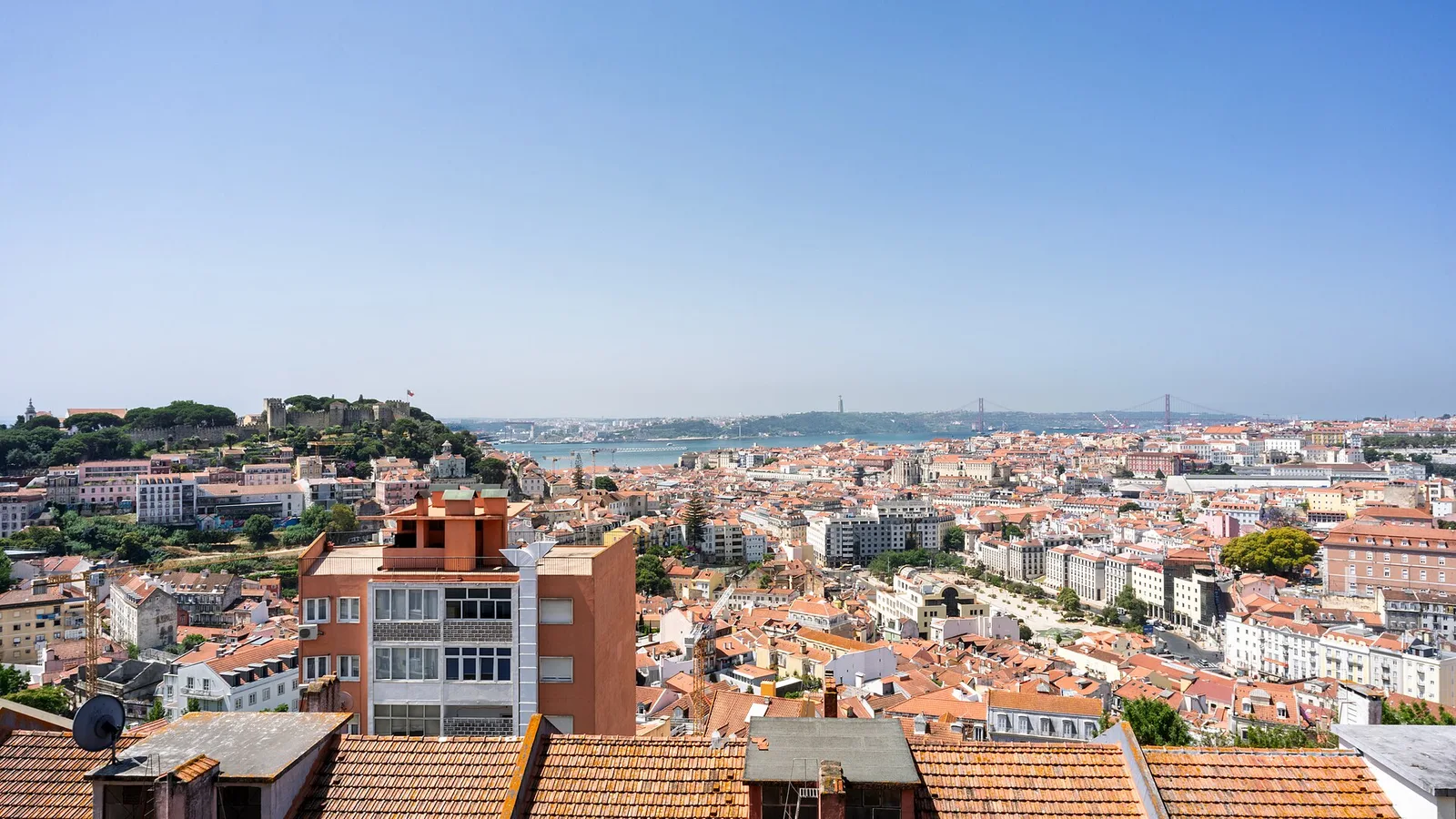
Sit on the correct side if you can, which on the climbing sections is the downhill side for the views over the rooftops.
Do not plan around it. Frequency and journey time vary with traffic and with the number of visitors boarding, so it is a pleasant hour rather than a reliable connection.
The alternatives nobody mentions
If what you actually want is a historic tram climbing an old street with a window seat, tram 28 is not your only option and frequently not your best one.
Other historic lines run the same style of vehicle through steep old quarters with a fraction of the passengers, and they are used mainly by residents.
The funiculars climb the steepest slopes in about a minute and are covered by the same transport card, which makes them genuinely useful rather than a ride, when they run. Since the Gloria accident in September 2025 the three historic ones, Gloria, Bica and Lavra, have been suspended, and by autumn 2026 only the newer Graca funicular was back in service, so check carris.pt before counting on one.
The street lift between the lower and upper town is a sight in itself and solves a real problem.
Walking the same hill is the honest alternative, and it is the version where you can stop, which is the tram’s main limitation.
Where it fits in a Lisbon trip
Treat it as half an hour of the first morning, not as a day’s activity.
Ride it early, get off where it interests you, and walk back down through the quarter it just carried you through. That combination, the ride up and the walk down, is what people actually enjoy about it.
For what is in those quarters once you are on foot, our Lisbon guide covers the city. And because the route runs through the districts most visitors are choosing between, it is also a decent way to see where you might want to sleep; our guide to where to stay in Lisbon covers each one, including the gradients the tram is climbing on your behalf.
The same hills carry the city’s nightlife, and the tram winds down long before that starts: our guide to Lisbon nightlife covers what happens on those streets after dark.
The short version
Ride tram 28 early in the morning or in the evening, board at a terminus, buy a rechargeable transport card before you get on, and keep your bag in front of you. Do that and it is one of the loveliest half hours in Lisbon. Do it at midday in July and it is a queue followed by a standing crush, which is where the tourist-trap reputation comes from and it is entirely self-inflicted. And if you simply want a historic tram up a steep street, the quieter lines do the same thing better.