Portuguese food is one of Europe’s great underrated pleasures: honest, generous, cheap and built on the Atlantic, the vineyard and centuries of trade. This is not fussy, tweezered cooking. It is grilled fish glistening with olive oil, salt cod a hundred ways, custard tarts still warm from the oven, and a country’s worth of wine you have barely heard of. Come hungry, order boldly, and let the tascas do the rest.
Bacalhau: the fish that built a cuisine
If one ingredient defines Portugal, it is bacalhau, salted, dried cod. There is a saying that there are 365 ways to cook it, one for every day of the year, and the country takes it seriously. The classics to try: bacalhau à Brás (shredded with egg, onion and matchstick potatoes), bacalhau com natas (baked in cream), and simple grilled bacalhau à lagareiro drenched in garlic and olive oil.
Beyond cod, Portugal’s Atlantic larder is spectacular. In summer, grilled sardines (sardinhas assadas) are a street-festival staple. Year round, look for grilled octopus (polvo), razor clams, and the seafood rice and stews (arroz de marisco, cataplana) that show up along the coast.
There is a small historical curiosity worth knowing: the reason a nation with this much fresh fish built its identity around a preserved one is the age of exploration. Salt cod travelled, kept for months and fed ships and inland towns alike, and by the time refrigeration arrived the taste for it was permanent.
The meat, which nobody warns you about
Portugal has a reputation as a fish country and an appetite that says otherwise. The pork is superb: carne de porco à alentejana pairs it improbably and brilliantly with clams, leitão is the crackling-skinned suckling pig of the Bairrada region, and presunto, the cured ham, stands up to anything from across the border.
Then there is the everyday stuff that Portuguese people actually eat. Frango de churrasco, spit-grilled chicken with piri-piri, is a national weeknight institution. Caldo verde, a thin green soup of kale, potato and a slice of chouriço, appears everywhere. Cozido à portuguesa is the vast boiled dinner of meats and vegetables that arrives when you have ordered optimistically. And alheira is a sausage with a story: originally made without pork by Portugal’s Jewish community, so that a sausage hanging in the window would suggest otherwise.
The food changes as you move
Portugal is small and its kitchens are not uniform, which is one of the pleasures of travelling it.
| Region | The character | Order this |
|---|---|---|
| The north and Porto | Hearty, meaty, unapologetic | Francesinha, tripas, vinho verde |
| Lisbon and the coast | Fish, petiscos, custard tarts | Grilled fish, bacalhau, pastel de nata |
| The Alentejo | Rustic, bread-based, pork and herbs | Açorda, pork with clams, black pig |
| The Algarve | Seafood, citrus, almond sweets | Cataplana, clams, grilled fish |
The francesinha deserves a warning and a recommendation. It is Porto’s own invention, a sandwich of assorted meats under melted cheese, flooded with a beer and tomato sauce and usually crowned with an egg and surrounded by chips. It is enormous, it is not remotely elegant, and it is the single best argument for eating in Porto. If you are weighing which city to base yourself in, our comparison of Lisbon and Porto covers the wider trade-off, and the food is a genuine part of it.
Pastéis de nata and the sweet stuff
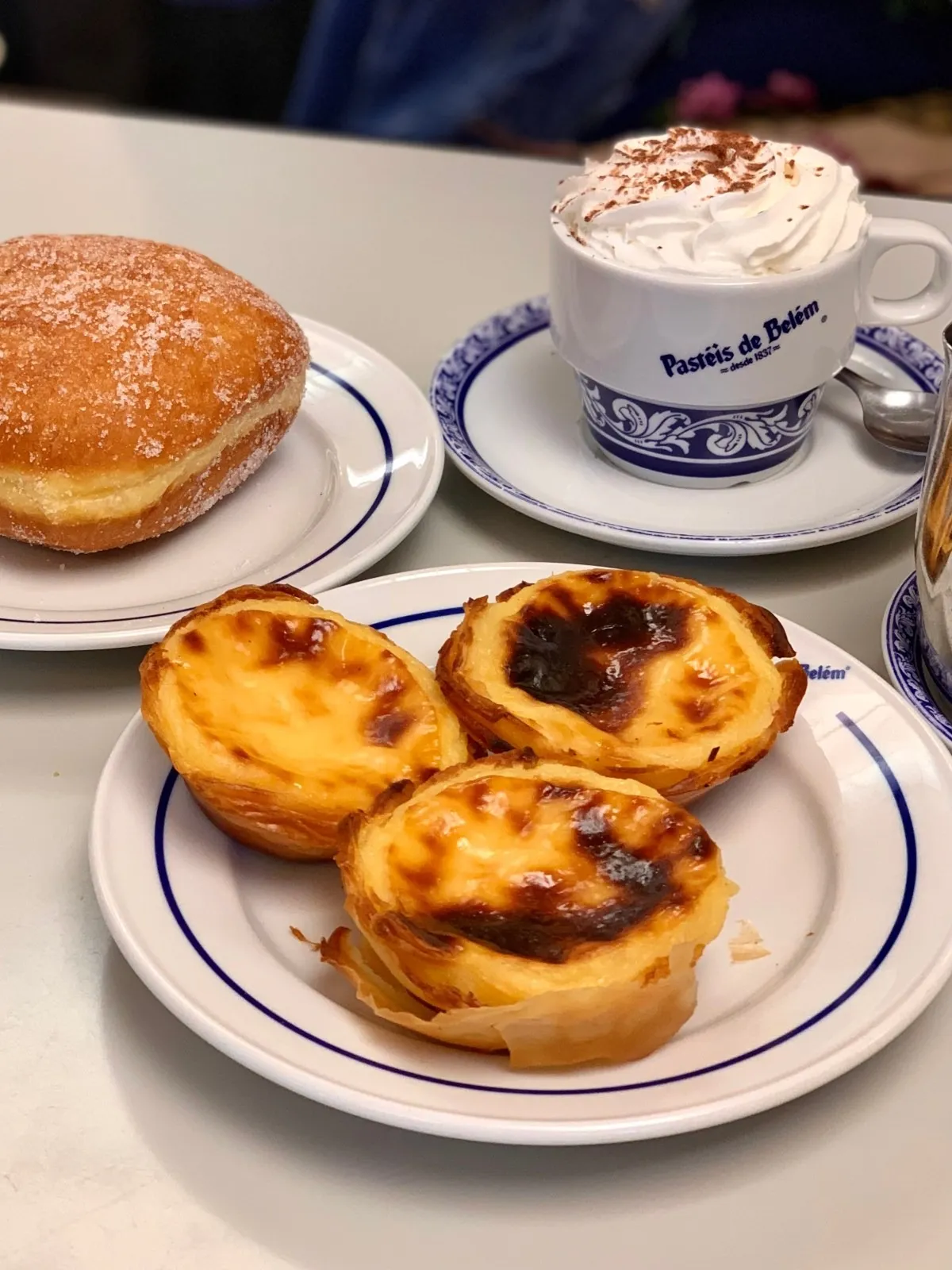
The pastel de nata is the custard tart that conquered the world: a crisp, shatteringly flaky pastry cup filled with warm egg custard, scorched on top, best eaten standing at a counter with a dusting of cinnamon and an espresso. The originals come from Belém in Lisbon, where the guarded recipe has been baked since the 1800s, but you will find excellent ones everywhere.
Save room for the wider world of Portuguese doçaria, much of it invented in convents from egg yolks: queijadas, travesseiros, and almond sweets down in the Algarve. It is a country with a serious sweet tooth.
The convent connection explains why so many of these sweets are essentially egg yolk, sugar and almond. Monasteries used egg whites in quantity for other purposes and were left with yolks by the bucket, and the nuns turned them into an entire genre. Ovos moles from Aveiro, sweet yolk paste in a thin wafer shell, is the purest surviving example.
Eating in a tasca
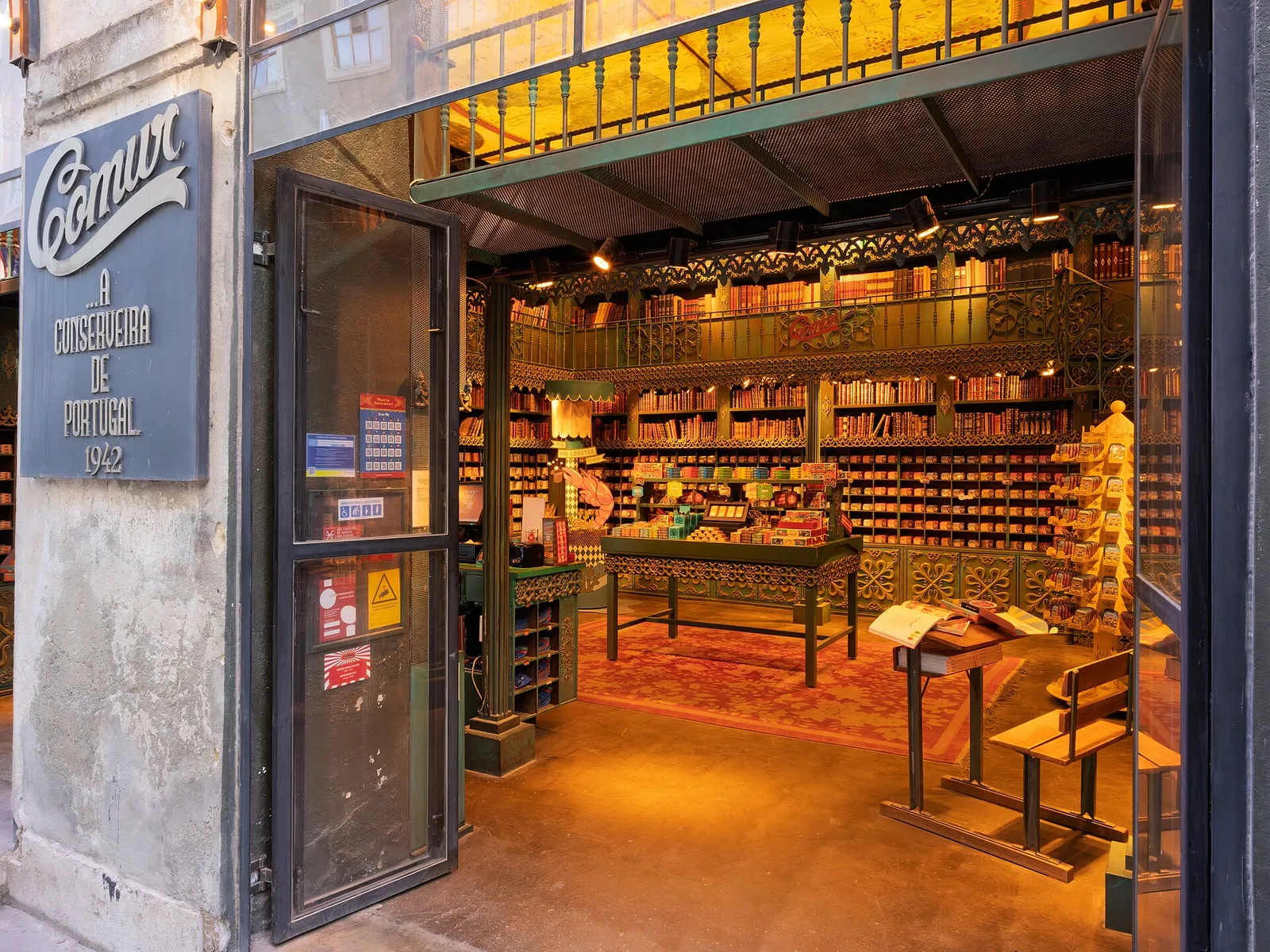
Forget the guidebook restaurants for at least one meal and find a tasca: a tiny, family-run tavern with paper tablecloths, a handwritten menu and a few dishes of the day chalked on a board. This is where Portugal actually eats, and where the food is best and cheapest. Look for a full room of locals, a prato do dia (dish of the day), and no English menu, all good signs.
A few things to know at the table. The couvert, the bread, olives and little starters set down before you order, is optional and charged if you eat it, so wave it away if you do not want it. Portions are generous, and a meia dose (half portion) is often plenty. Coffee at the end is a small, strong bica (espresso). And lunch is the big meal, with the best-value menus of the day.
Let a local lead the food crawlA guided tasca-and-market tour takes you to the tables locals actually eat at, and explains every dishWine: from vinho verde to the Douro
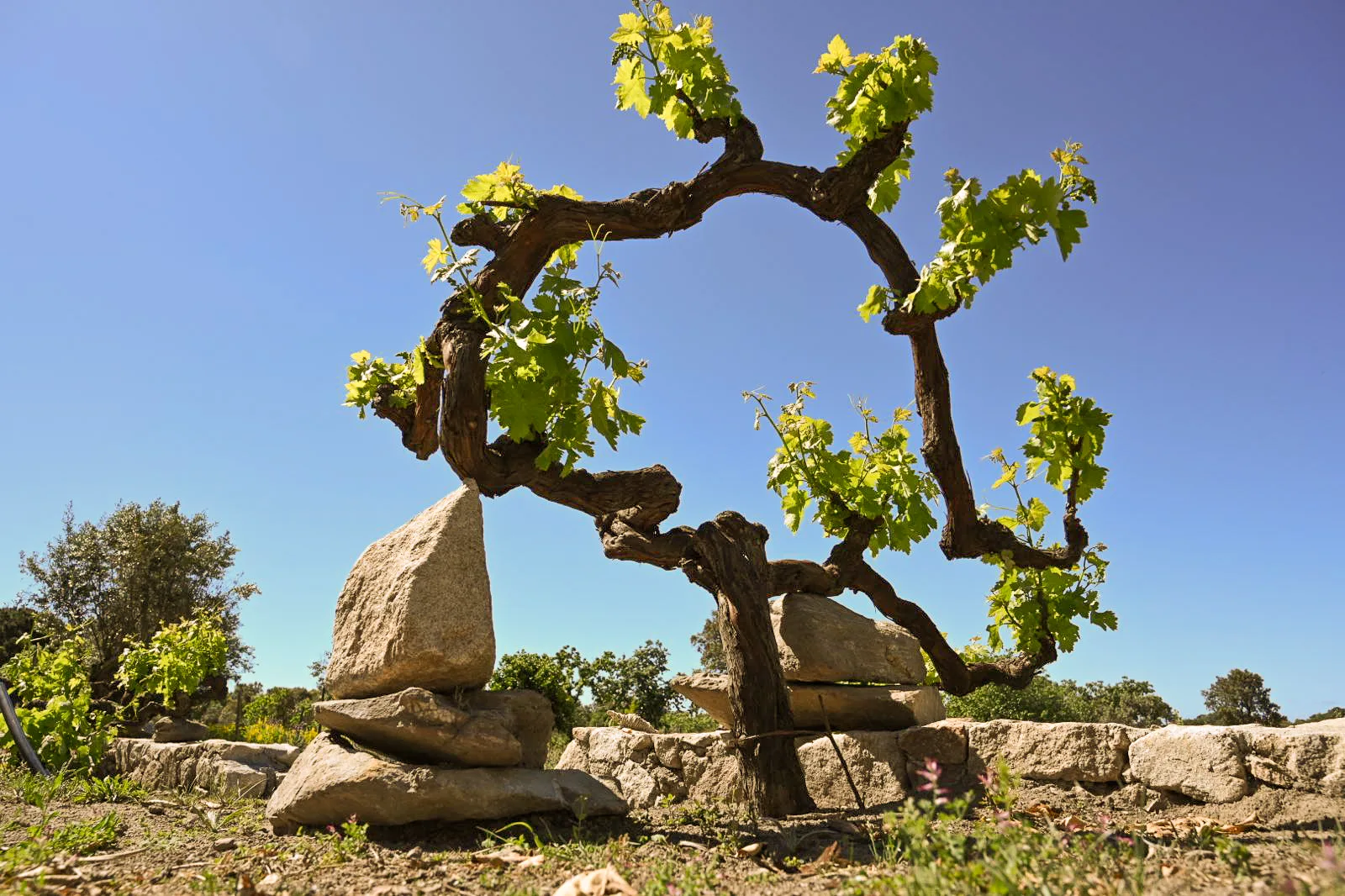
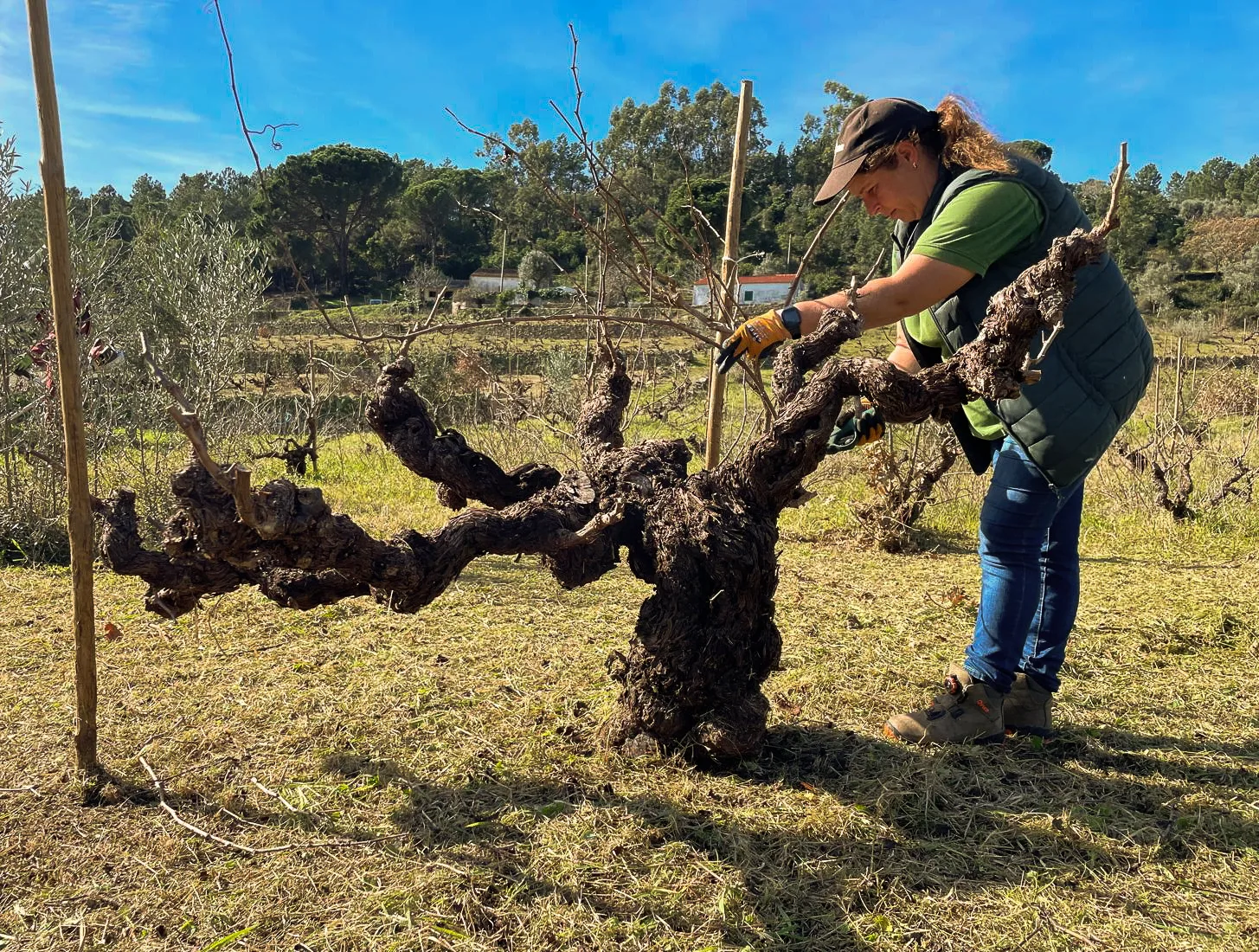
Portugal punches far above its weight on wine, and most of it is a bargain. Start with vinho verde, the light, fresh, faintly fizzy young white from the green north, low in alcohol and made for a hot afternoon. Move on to the serious reds of the Douro and the Alentejo, full-bodied and often superb value, made from grape varieties you will not find anywhere else.
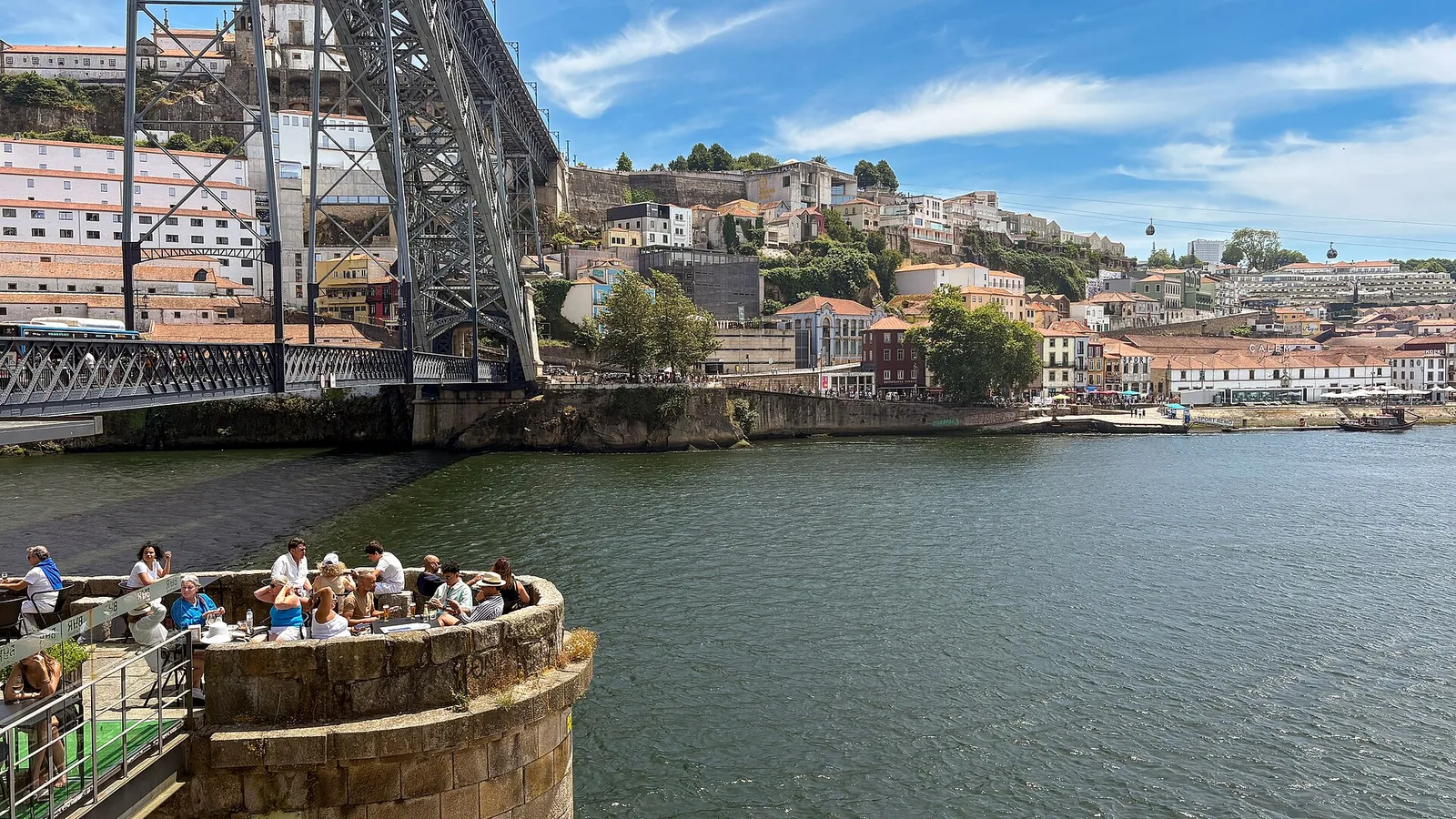
And of course there is port, the rich fortified wine that shares its river with those Douro reds. Aged in the lodges of Vila Nova de Gaia across from Porto, it comes as fruity ruby, nutty tawny, or vintage, and it is the classic after-dinner pour.
The regions worth knowing by name
Beyond the famous two, four more repay attention. The Dão makes elegant, restrained reds that often surprise people expecting power. Bairrada is the home of the Baga grape and of sparkling wine, and of that suckling pig. Setúbal produces a honeyed Moscatel dessert wine just south of Lisbon. And Madeira, from the Atlantic island, is a fortified wine deliberately heated during ageing, which makes it almost indestructible once opened.
The grapes are the other pleasure, because almost none of them are the international names. Look for Touriga Nacional in the reds, Alvarinho in the best whites of the north, and Arinto for something crisp and mineral. It is a country where ordering the house wine by the jug is rarely a mistake.
Making sense of port
The styles are simpler than the wall of bottles suggests. Ruby is aged with little air contact and stays fruity and deep red. Tawny spends years in smaller barrels, slowly oxidising to amber with flavours of nut and dried fruit, and the number on the label is the average age of the blend. Vintage comes from a single outstanding year and matures for decades in the bottle. LBV, late bottled vintage, is the accessible middle ground.
The one most visitors have never met is white port, served long with tonic and ice, which is what people in Porto actually drink on a warm evening rather than the after-dinner glass the export market imagines.
A few local drinks to try
Beyond wine, work through the small stuff. Ginjinha, a sour-cherry liqueur, is served in shot glasses from hole-in-the-wall bars in Lisbon and Óbidos, sometimes in an edible chocolate cup. Super Bock and Sagres are the everyday lagers. And no meal ends properly without a bica or, on the coast, a chilled glass of something white with your fish.
Coffee deserves its own paragraph, because ordering it wrong is the most common small stumble visitors make. A plain espresso is a bica in Lisbon and a cimbalino in Porto. A galão is a tall glass of milky coffee for the morning, a meia de leite is the cup version, and an abatanado is the closest thing to a long black. Ordering at the counter costs less than sitting down, and the counter is where the conversation is.
Eating with dietary requirements
Be realistic and you will eat well. Vegetarians face a traditional menu built on fish and pork, and the trap is the hidden ingredient: a vegetable soup with a slice of chouriço in it, or a bean dish cooked in meat stock. Say plainly that you eat neither meat nor fish, since fish is not always counted as meat here, and lean on soups, salads, cheeses, grilled vegetables and the excellent bread. In Lisbon and Porto the dedicated vegetarian and vegan scene is now genuinely good.
Gluten-free is manageable with grilled fish and meat, though bread is central to the culture and to dishes like açorda. On halal, note that pork appears widely and that halal places exist mainly in the larger cities, so look for them rather than assume. In all cases, asking the waiter directly works far better than reading the menu.
Where to start eating
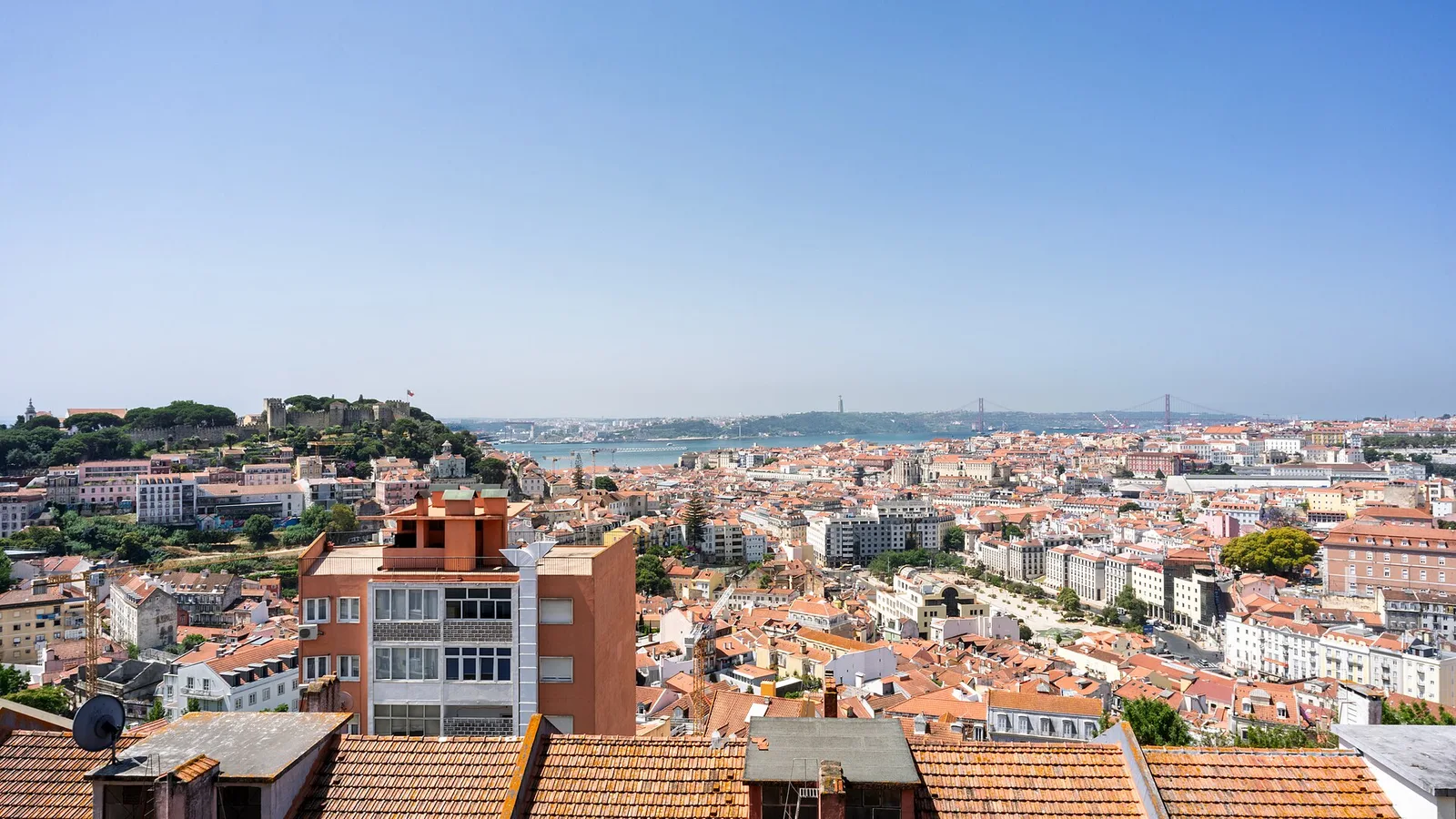
Lisbon is where most trips begin and where the range is widest, from centuries-old tascas to the covered market halls where the country’s chefs run counters side by side. It is also where the tourist-trap risk is highest, since the most photogenic streets are the ones with touts outside. Our guide to Lisbon covers the neighbourhoods and what each is good for, which is a better filter than any restaurant list.
The universal rule anywhere in Portugal is the same one that works across the Mediterranean: walk one street back from the square, the viewpoint or the tram stop. Prices fall, the menu shortens, the English disappears and the cooking improves.
Portugal or Spain, if you are choosing by the food?
They are neighbours with genuinely different table cultures. Spain runs on tapas and late nights; Portugal has petiscos, which look similar and behave differently, and eats dinner noticeably earlier. Portugal leans harder into the Atlantic, into salt cod and grilled fish and custard; Spain has more regional variety and a stronger bar culture.
On value, Portugal usually wins, and on wine it is arguably the better deal, since the grapes are unfamiliar enough that the prices have not caught up with the quality. Our comparison of Portugal and Spain weighs the wider trip, from cost to beaches to how much ground each covers.
How to eat well: the short version
Order the fish, try the bacalhau, eat at least one meal in a tasca, and let the waiter steer you to the dish of the day. Ask for a meia dose before you over-order, accept the couvert only if you want it, make lunch your big meal, walk one street back from the view, drink the local wine because it is cheap and excellent, try a white port with tonic, and finish with a pastel de nata and a bica. Do that and you will eat better in Portugal, for less money, than in almost anywhere else in Western Europe.
What are you most looking forward to, the salt cod or the custard tarts?