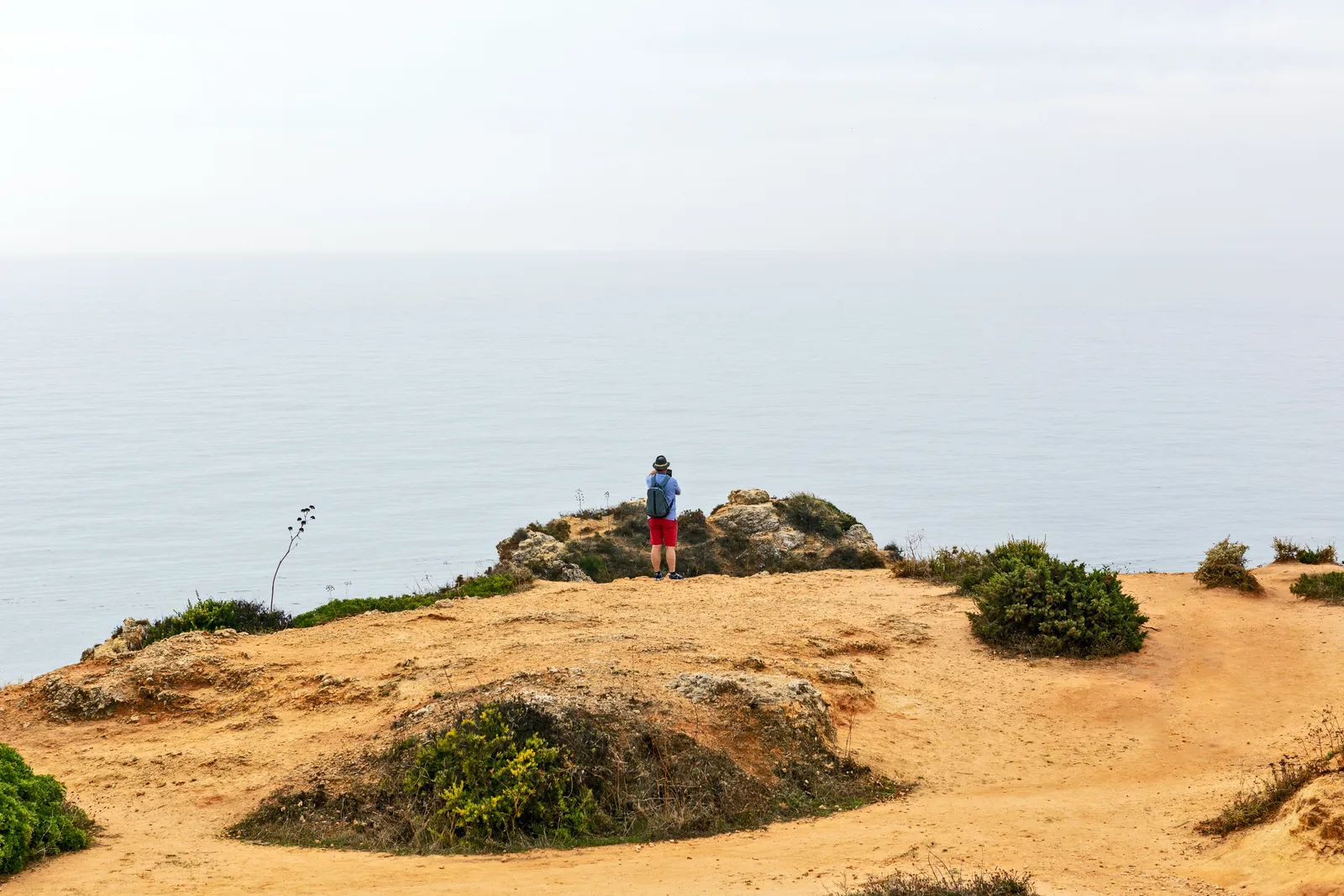
Portugal is small, and that single fact shapes every transport decision you will make here. Nothing is very far from anything else, which means all three options work and none of them is obviously right. It also means the wrong choice rarely ruins a trip. It just quietly costs you a few hours and a parking argument.
The useful question is not which is best. It is which parts of your itinerary each one is good at, because the honest answer is that a well planned two week trip uses all three.
The short answer, before the detail
Train for moving between the big cities and along the main coastal spine. Fast, central, and it puts you in the middle of town at both ends.
Bus for the towns the railway never reached, which in Portugal is a long list, particularly inland.
Car for the countryside, the wine regions, the small hill towns and any beach that needs a track rather than a road.
🔑 And the rule that saves the most money: do not hire a car for days you will spend in Lisbon or Porto. Those are the two worst places in the country to own a vehicle, even temporarily.
Where the train wins
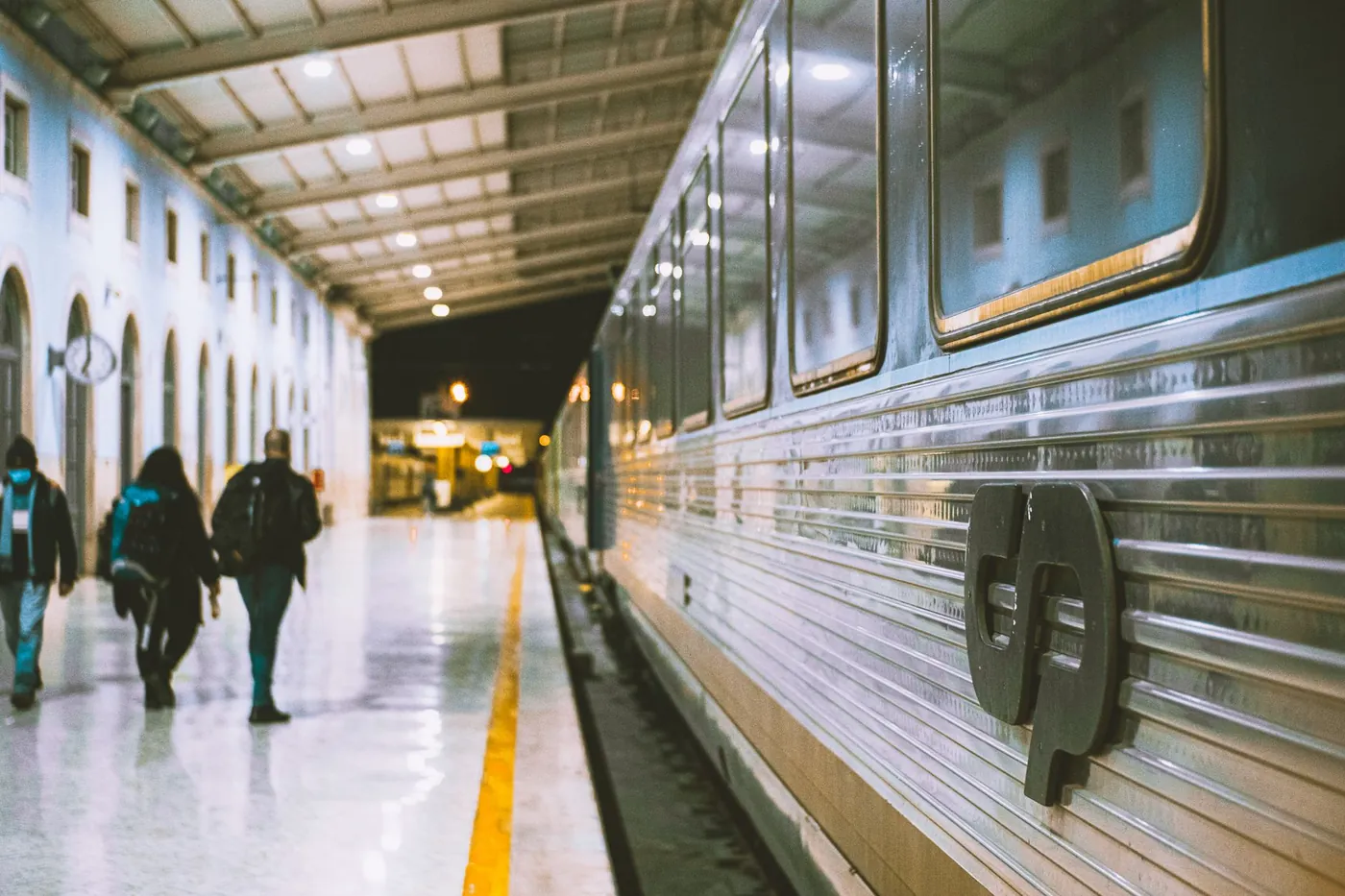
The rail network follows the population, which in Portugal means the coast and the corridor between the two big cities. Along that corridor it is genuinely excellent.
City centre to city centre is the whole argument. You arrive in the middle of town, walk out of the station and are immediately somewhere, rather than negotiating a ring road and hunting for a garage.
Fast intercity services need booking. Seats are reserved on the quicker long-distance trains, and the cheapest fares tend to be taken first, so buy ahead rather than at the platform on the day. Regional and suburban services are a different animal and generally do not need it.
The suburban lines out of Lisbon and Porto are one of the great conveniences of travelling here, and they turn several famous day trips into a simple ticket rather than a project.
⚠️ Where the train stops being useful is the moment you leave that corridor. Large parts of the interior have no passenger rail at all, and a station named after a town is not always in the town.
Where the bus wins
The long-distance coach network fills in almost everything the railway does not, and visitors underrate it badly.
Coverage is the point. Inland towns, the Alentejo, stretches of the Algarve away from the main line and countless places with a castle and a thousand residents are reachable by coach and by nothing else on public transport.
The vehicles are comfortable, air conditioned, and usually have luggage space underneath, which makes them a serious option for a long hop rather than a last resort.
Fares are often lower than the equivalent train, sometimes noticeably so, and that gap widens if you are booking late.
The trade-offs are real too. Coach stations sit on the edge of town more often than railway stations do, and journey times are exposed to traffic in a way that rail is not. Buy tickets in advance in summer and around public holidays, when popular routes fill.
Where the car wins, and where it stops winning
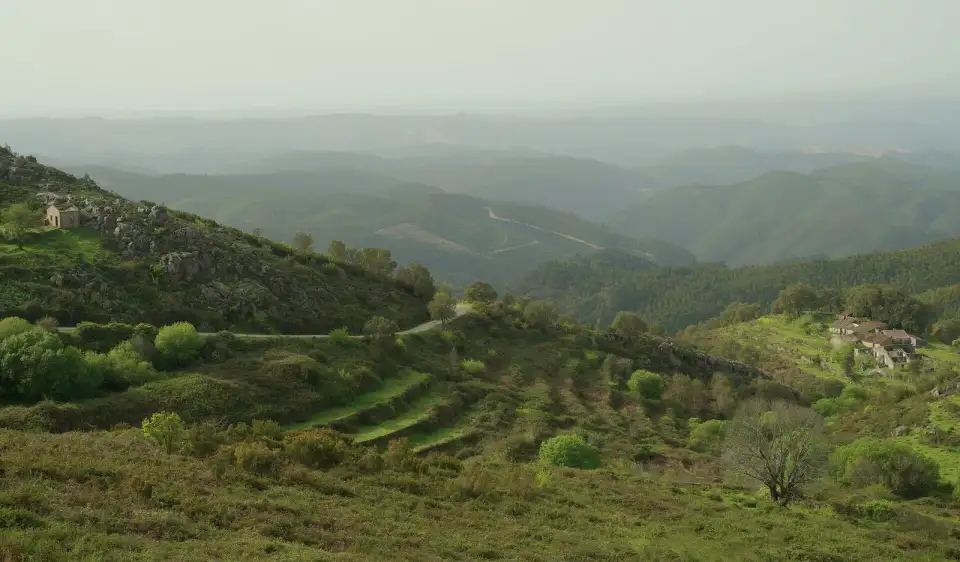
A car changes what kind of trip you are having. It stops being about towns and starts being about the space between them, which in the Alentejo and the inland north is the actual attraction.
Hire it for the countryside. Wine estates, cork oak plateaus, hill villages, the Costa Vicentina, monasteries down a lane with no bus. These are simply not available without one.
Roads are good and traffic is light once you are out of the metropolitan areas. Motorways are modern, and the older national roads that parallel them are frequently empty and far more interesting.
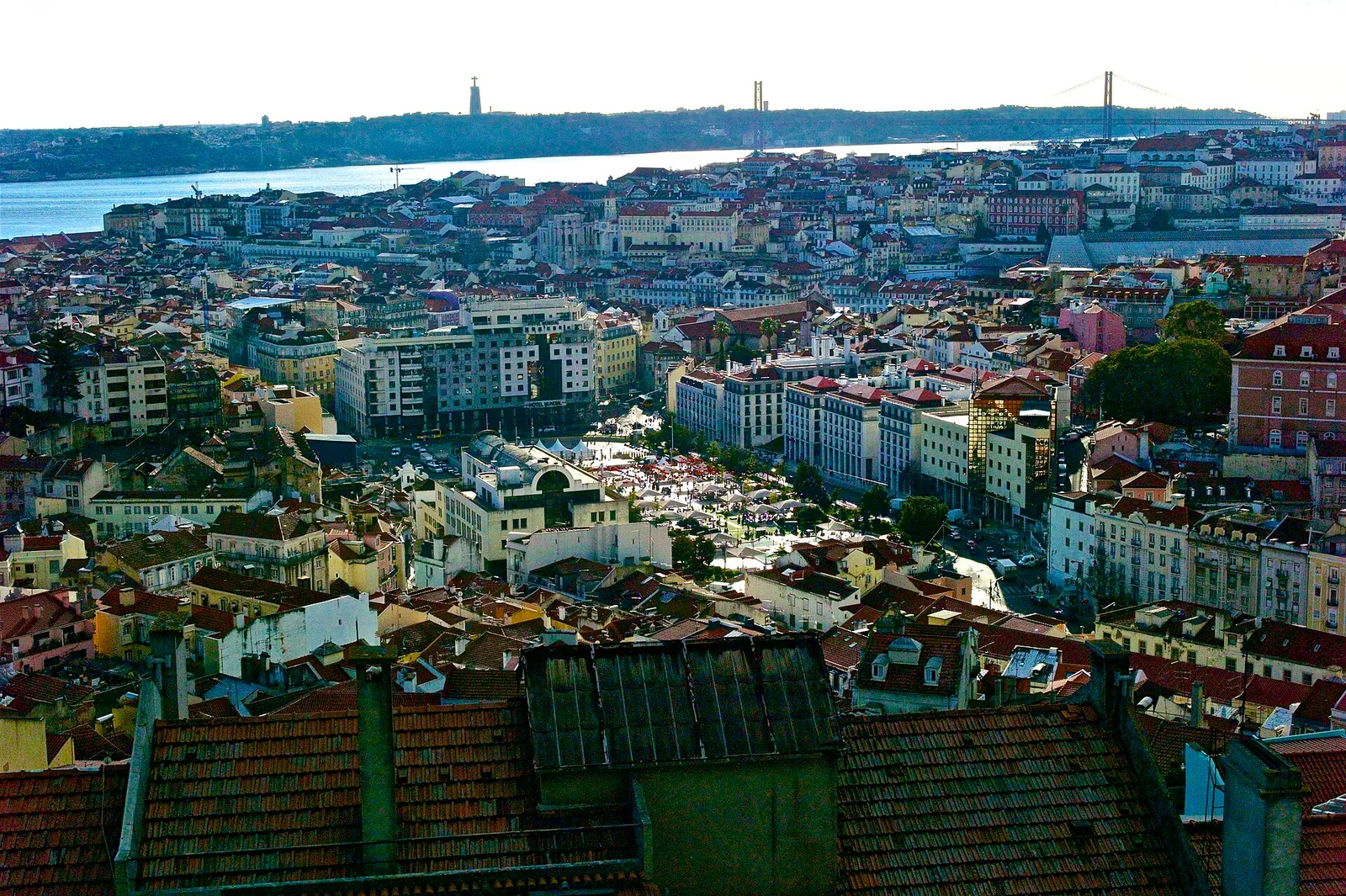
And then it stops winning, sharply. Central Lisbon and central Porto are steep, medieval, congested and full of streets a hire car should never attempt. Parking is scarce and expensive, some central areas carry access restrictions, and a scraped wing mirror on a cobbled lane is a common holiday souvenir.
The clean solution: pick the car up on the day you leave the city and drop it on the day you arrive in the next one. Our car rental guide for Portugal covers the desk process, the insurance questions and what to photograph before you drive off.
Only need a car for the countryside days?Compare short hires collected outside the city centreThe costs that do not show up in the headline price
This is where a cheap looking hire quietly becomes an expensive one.
Electronic tolls. Several Portuguese motorways charge without a booth, reading the vehicle as it passes. A hire car therefore needs a transponder or a registered payment method arranged at pick-up. Ask precisely how it is billed and what the admin fee per charge is, because charges appearing on a card weeks after the trip are the single most common complaint.
Fuel policy. Full to full is the only version that does not involve paying someone else a margin on petrol.
Parking. Budget for it in every city night. Hotel parking in a historic centre is often limited and rarely free.
The excess. The headline daily rate and the amount you are liable for after a scratch are two very different numbers, and the second one is the one worth reading.
⚠️ On licences, the answer depends on your passport and your licence, not on one blanket rule. Licences issued in the EU, the EEA and Switzerland are accepted as they are. If yours was issued elsewhere, check both the official requirement and your rental company policy, because companies impose their own conditions on top. Confirm before you travel.
How a good trip actually mixes them
The strongest Portugal itineraries are not loyal to one mode.
Train for Lisbon to Porto and back, and for the suburban day trips at either end.
Car for a three or four day loop through the Alentejo, the Douro or the inland north, collected and returned outside the city.
Bus for the one inland town that sits stubbornly off both networks.
Our transport guide for Portugal goes deeper on tickets, cards and the practicalities at each end, and our two week Portugal itinerary shows what this looks like laid out day by day.
In one line: take the train between the cities, hire the car only for the countryside days, and let the coach network cover the gaps that neither one reaches.